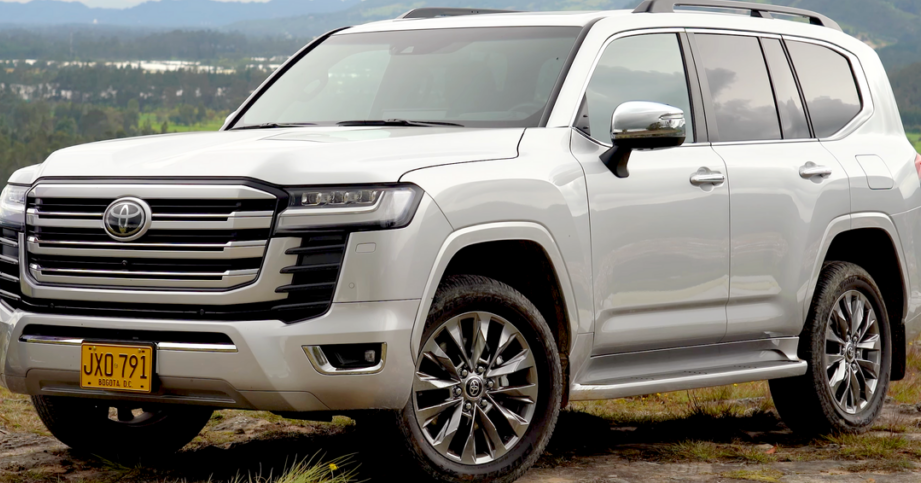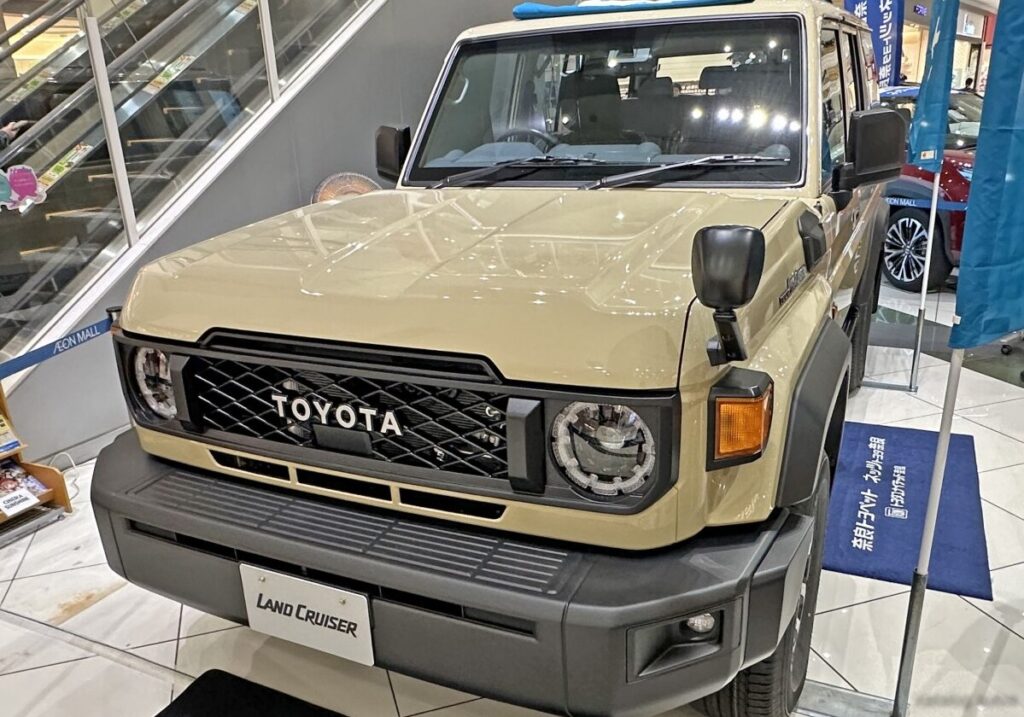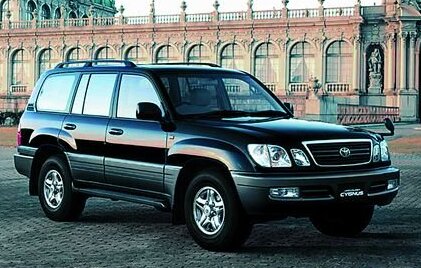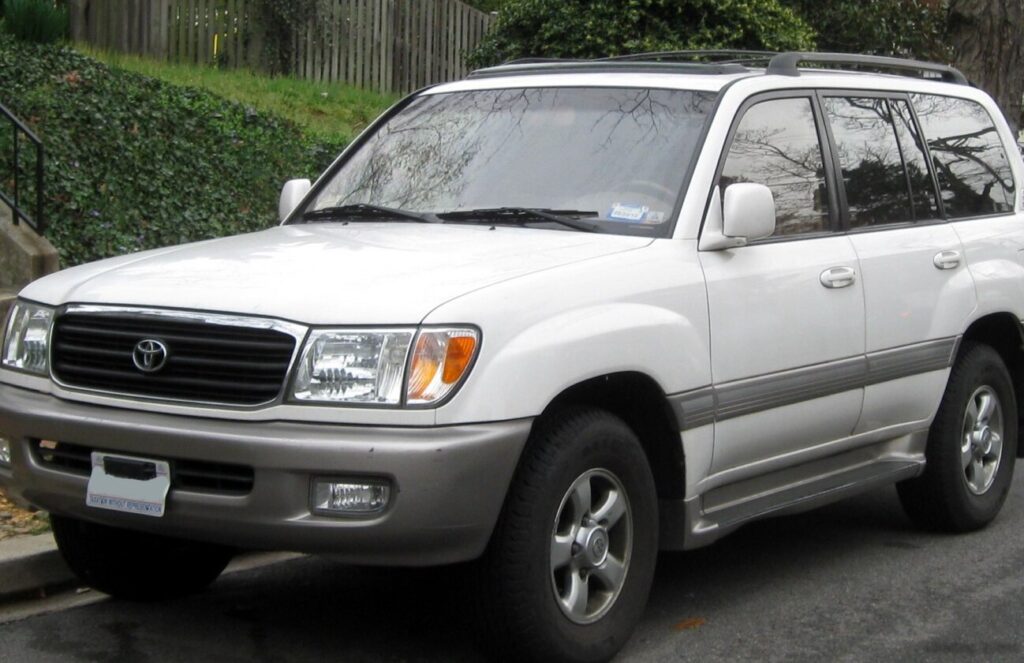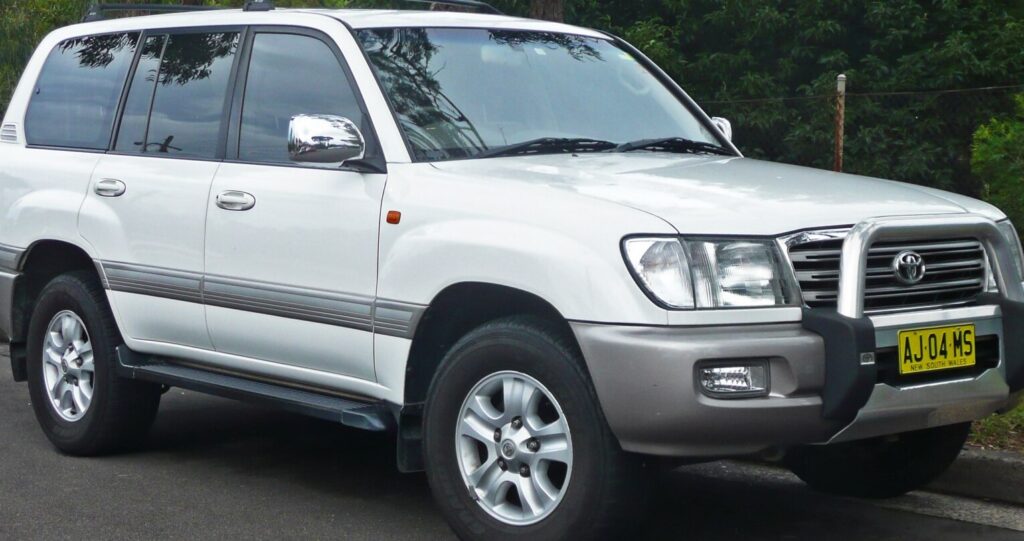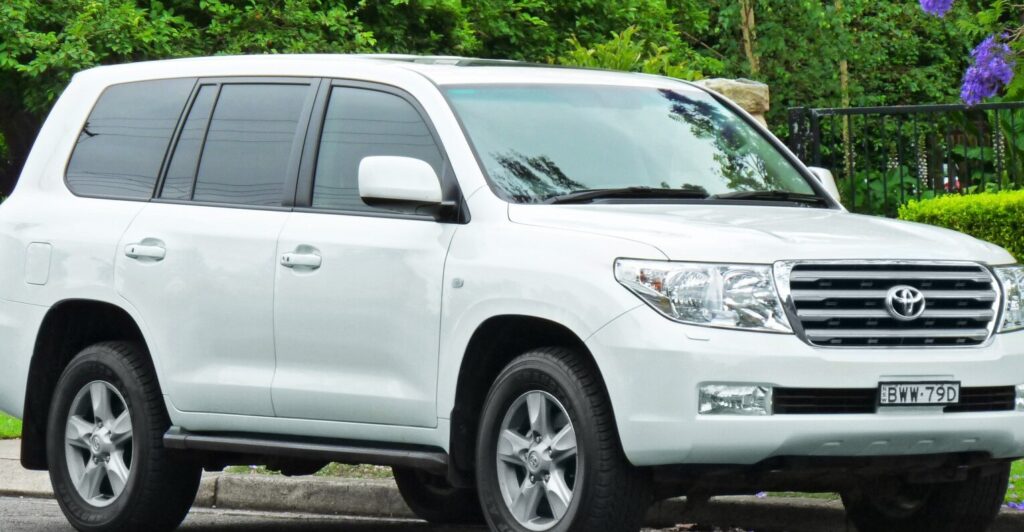
The Toyota Land Cruiser J200, produced from 2007 to 2012 in this specific configuration, represents a significant evolution in Toyota’s long-standing tradition of building capable and luxurious off-road vehicles. Positioned as a premium offering within the J200 series – which spanned from 2007 to 2015 globally, but had a shorter run with this powertrain in many markets – the 4.7i V8 model aimed to balance robust performance with a degree of refinement expected from a flagship SUV. This variant was primarily sold in North America, the Middle East, and select other markets where larger displacement engines were favored. It served as a step up from the base models, offering more power and a smoother driving experience, but remained below the top-tier trims equipped with the 5.8-liter V8.
Technical Specifications
| Brand | Toyota |
| Model | Land Cruiser |
| Generation | Land Cruiser (J200) |
| Type (Engine) | 4.7i V8 (288 Hp) |
| Start of production | 2007 |
| End of production | 2012 |
| Powertrain Architecture | Internal Combustion engine |
| Body type | SUV |
| Seats | 5 |
| Doors | 5 |
| Fuel consumption (urban) | 19 l/100 km (12.4 US mpg) |
| Fuel consumption (extra urban) | 11.7 l/100 km (20.1 US mpg) |
| Fuel consumption (combined) | 14.4 l/100 km (16.3 US mpg) |
| Fuel Type | Petrol (Gasoline) |
| Acceleration 0 – 100 km/h | 9.2 sec |
| Acceleration 0 – 62 mph | 9.2 sec |
| Acceleration 0 – 60 mph | 8.7 sec |
| Maximum speed | 200 km/h (124.27 mph) |
| Emission standard | Euro 5 |
| Weight-to-power ratio | 8.9 kg/Hp |
| Weight-to-torque ratio | 5.7 kg/Nm |
| Power | 288 Hp @ 5400 rpm |
| Torque | 445 Nm @ 3400 rpm (328.22 lb.-ft. @ 3400 rpm) |
| Engine layout | Front, Longitudinal |
| Engine Model/Code | 2UZ-FE |
| Engine displacement | 4663 cm3 (284.55 cu. in.) |
| Number of cylinders | 8 |
| Engine configuration | V-engine |
| Cylinder Bore | 94 mm (3.7 in.) |
| Piston Stroke | 84 mm (3.31 in.) |
| Compression ratio | 10:1 |
| Number of valves per cylinder | 4 |
| Fuel injection system | Multi-port manifold injection |
| Engine aspiration | Naturally aspirated engine |
| Valvetrain | DOHC, VVT-i |
| Engine oil capacity | 6.2 l (6.55 US qt | 5.46 UK qt) |
| Coolant capacity | 13.4 l (14.16 US qt | 11.79 UK qt) |
| Kerb Weight | 2555 kg (5632.81 lbs.) |
| Max. weight | 3300 kg (7275.25 lbs.) |
| Max load | 745 kg (1642.44 lbs.) |
| Length | 4950 mm (194.88 in.) |
| Width | 1970 mm (77.56 in.) |
| Height | 1950 mm (76.77 in.) |
| Wheelbase | 2850 mm (112.2 in.) |
| Front track | 1640 mm (64.57 in.) |
| Rear track | 1635 mm (64.37 in.) |
| Minimum turning circle | 11.8 m (38.71 ft.) |
| Drive wheel | All wheel drive (4×4) |
| Number of gears | 5 |
| Gearbox type | automatic transmission |
| Front brakes | Ventilated discs |
| Rear brakes | Ventilated discs |
| Assisting systems | ABS (Anti-lock braking system) |
| Power steering | Hydraulic Steering |
| Tires size | 285/65 R17 |
Powertrain & Engine Architecture
The heart of this Land Cruiser variant is the 2UZ-FE 4.7-liter V8 engine. This engine, a member of Toyota’s UZ engine family, is renowned for its durability and relatively simple design. It features a cast-iron block and aluminum cylinder heads, employing a dual overhead camshaft (DOHC) valvetrain with Toyota’s Variable Valve Timing-intelligent (VVT-i) system. VVT-i optimizes valve timing based on engine speed and load, improving both performance and fuel efficiency. Fuel delivery is handled by a multi-port fuel injection system. The 2UZ-FE produces 288 horsepower at 5,400 rpm and 328 lb-ft of torque at 3,400 rpm. The engine is longitudinally mounted in the chassis. Paired with the 2UZ-FE is a five-speed automatic transmission, designed to provide smooth shifts and adequate gear ratios for both on-road cruising and off-road crawling. This transmission wasn’t known for being particularly sporty, prioritizing reliability and ease of use over rapid gear changes.
Driving Characteristics
The 4.7i V8 with the five-speed automatic delivers a comfortable and capable driving experience. While not a sports car, the engine provides ample power for highway passing and towing. Acceleration from 0-60 mph takes around 8.7 seconds, which was respectable for a full-size SUV of its era. The automatic transmission, while smooth, can feel somewhat dated compared to more modern transmissions with six or eight speeds. The gear ratios are tuned for torque delivery, making it well-suited for off-road situations where low-end grunt is more important than outright speed. Compared to the manual transmission options available in some markets, the automatic sacrifices some driver engagement and responsiveness. Against the higher-output 5.8-liter V8, the 4.7i feels noticeably less powerful, particularly when fully loaded or tackling steep inclines.
Equipment & Trim Levels
The 4.7i V8 Land Cruiser typically came well-equipped, reflecting its position as a premium SUV. Standard features generally included leather upholstery, power-adjustable front seats, a premium sound system, automatic climate control, and a sunroof. Safety features such as anti-lock brakes (ABS) and multiple airbags were also standard. Optional extras often included a navigation system, rear-seat entertainment, and upgraded audio options. Trim levels varied slightly by market, but generally offered packages that added features like heated and ventilated seats, parking sensors, and a more sophisticated suspension system.
Chassis & Braking
The J200 Land Cruiser utilizes a body-on-frame construction, providing a robust and durable platform for off-road use. The suspension consists of independent double wishbones at the front and a four-link solid axle with coil springs at the rear. The rear brakes are ventilated discs, a step up from the drums found on some base models. Hydraulic power steering provides a comfortable and predictable steering feel. Stabilizer bars are fitted front and rear to reduce body roll during cornering. The robust chassis and suspension contribute to the Land Cruiser’s impressive off-road capability and its ability to handle rough terrain.
Market Reception & Comparison
The Land Cruiser J200 4.7i V8 was generally well-received by critics, who praised its comfortable ride, spacious interior, and strong engine. Fuel economy, however, was a common criticism, with combined fuel consumption averaging around 16.3 US mpg. Compared to other trims, the 4.7i offered a good balance between performance and fuel efficiency, making it a popular choice for buyers who wanted a capable SUV without the higher running costs of the 5.8-liter V8. Reliability was also a strong point, with the 2UZ-FE engine being known for its longevity and minimal maintenance requirements.
Legacy
The Toyota Land Cruiser J200 4.7i V8 has proven to be a remarkably durable and reliable vehicle. On the used car market, these models hold their value well, due to their reputation for longevity and off-road capability. The 2UZ-FE engine is particularly well-regarded, with many examples exceeding 200,000 miles with proper maintenance. While fuel economy is not its strong suit, the Land Cruiser’s overall dependability and luxurious features continue to make it a desirable choice for buyers seeking a capable and long-lasting SUV. Parts availability remains good, and a strong aftermarket supports these vehicles, ensuring they will continue to be seen on and off the road for years to come.