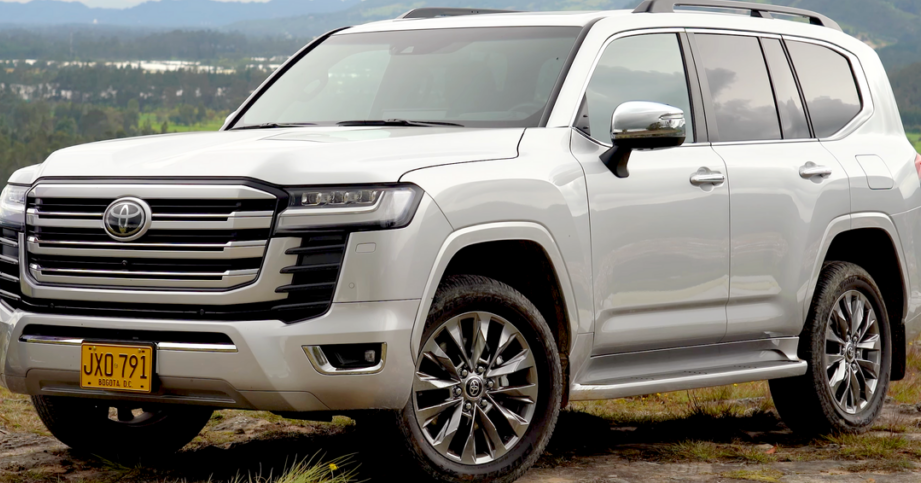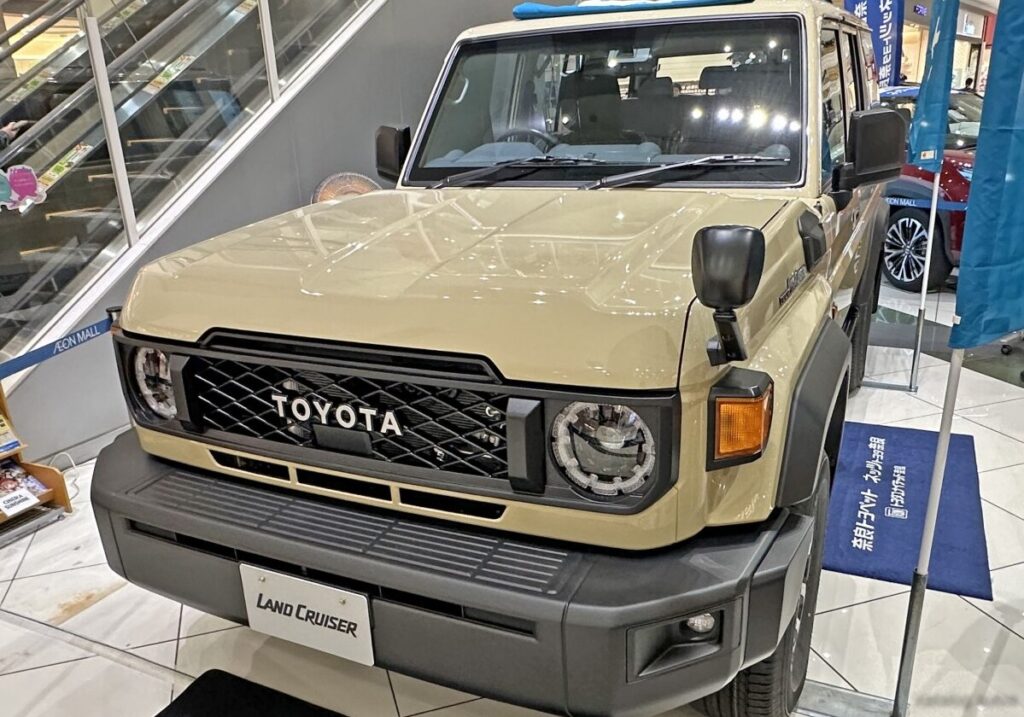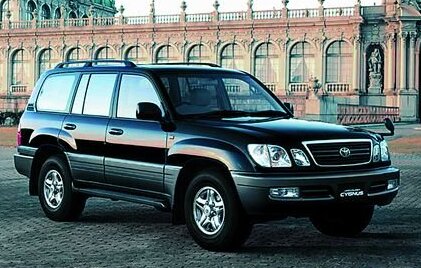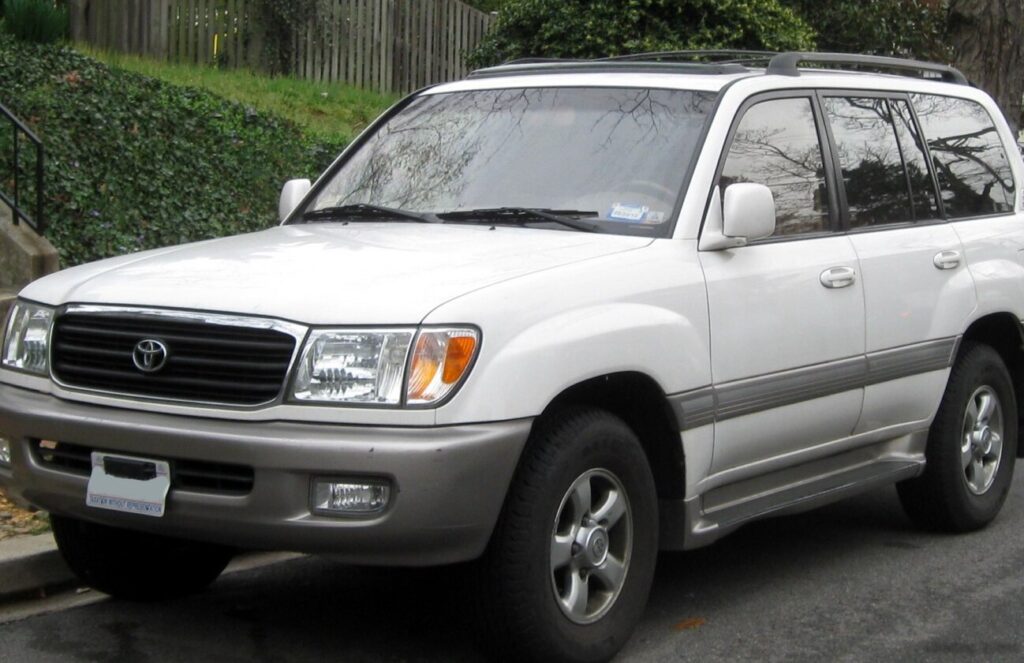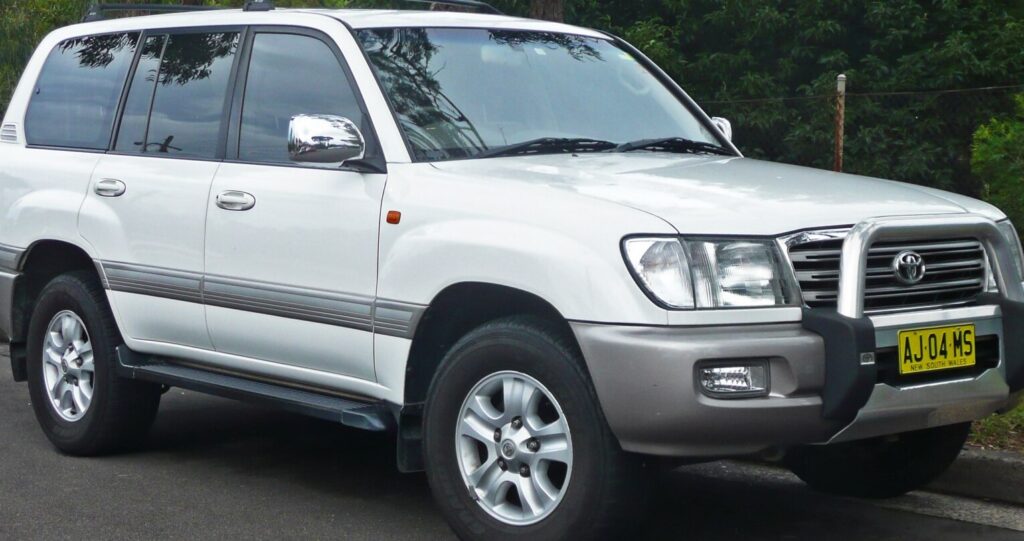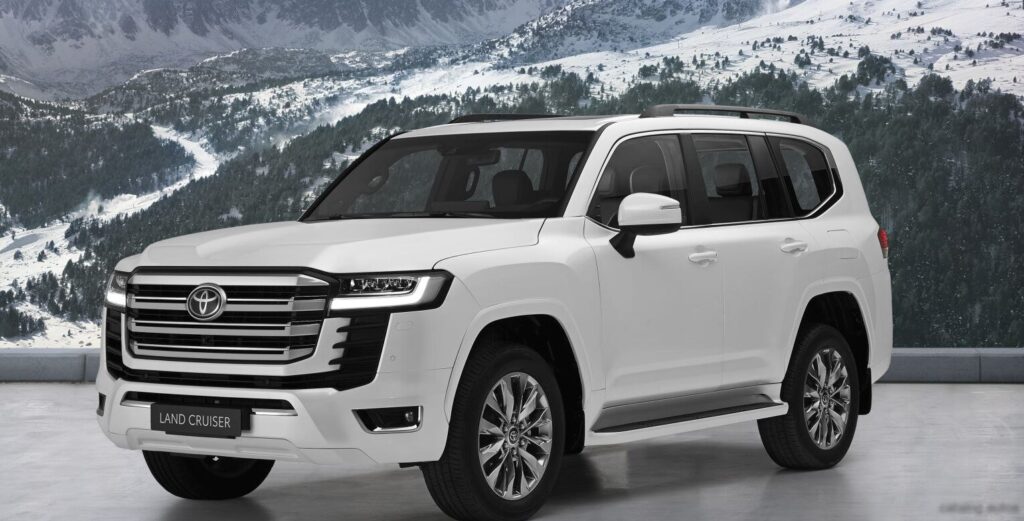
The Toyota Land Cruiser J300, specifically the 3.3d V6 variant producing 309 horsepower, represents a significant evolution in Toyota’s legendary off-road vehicle lineage. Introduced in August 2021 and remaining in production through 2024, this model marked the transition to a new platform and powertrain strategy for the Land Cruiser, particularly in markets outside of North America. Positioned as a premium offering within the J300 range, the 3.3d V6 aimed to balance robust off-road capability with improved on-road refinement and efficiency compared to previous generations. This five-seat SUV quickly became a sought-after vehicle, known for its blend of luxury, durability, and technological advancements.
Technical Specifications
| Brand | Toyota |
| Model | Land Cruiser |
| Generation | Land Cruiser (J300) |
| Type | 3.3d V6 (309 Hp) 4WD Direct Shift 5 Seat |
| Start of production | August, 2021 |
| End of production | 2024 |
| Powertrain Architecture | Internal Combustion engine |
| Body type | SUV |
| Seats | 5 |
| Doors | 5 |
| Fuel consumption (urban) | 13.9 l/100 km (16.9 US mpg) |
| Fuel consumption (extra urban) | 8.8 l/100 km (26.7 US mpg) |
| Fuel Type | Diesel |
| Weight-to-power ratio | 8.3 kg/Hp, 121.2 Hp/tonne |
| Weight-to-torque ratio | 3.6 kg/Nm, 274.5 Nm/tonne |
| Power | 309 Hp @ 4000 rpm |
| Power per litre | 92.4 Hp/l |
| Torque | 700 Nm @ 1600-2600 rpm (516.29 lb.-ft. @ 1600-2600 rpm) |
| Engine layout | Front, Longitudinal |
| Engine Model/Code | F33A-FTV |
| Engine displacement | 3345 cm3 (204.12 cu. in.) |
| Number of cylinders | 6 |
| Engine configuration | V-engine |
| Cylinder Bore | 86 mm (3.39 in.) |
| Piston Stroke | 96 mm (3.78 in.) |
| Fuel injection system | Diesel Commonrail |
| Engine aspiration | Twin-Turbo, Intercooler |
| Engine oil capacity | 6.6 l (6.97 US qt | 5.81 UK qt) |
| Coolant | 13.9 l (14.69 US qt | 12.23 UK qt) |
| Kerb Weight | 2550-2560 kg (5621.79 – 5643.83 lbs.) |
| Fuel tank capacity | 80 l (21.13 US gal | 17.6 UK gal) |
| Length | 4965-4985 mm (195.47 – 196.26 in.) |
| Width | 1980-1990 mm (77.95 – 78.35 in.) |
| Height | 1925 mm (75.79 in.) |
| Wheelbase | 2850 mm (112.2 in.) |
| Front track | 1665 mm (65.55 in.) |
| Rear track | 1665 mm (65.55 in.) |
| Ride height (ground clearance) | 225 mm (8.86 in.) |
| Minimum turning circle | 11.8 m (38.71 ft.) |
| Drivetrain Architecture | All wheel drive (4×4) |
| Number of gears | 10 |
| Gearbox type | Automatic transmission Direct Shift |
| Front suspension | Double wishbone |
| Rear suspension | Rigid axle suspension, Coil spring |
| Front brakes | Ventilated discs |
| Rear brakes | Ventilated discs |
| Tires size | 265/65 R18; 265/55 R20 |
| Wheel rims size | 18; 20 |
Powertrain & Engine Architecture
The heart of the Land Cruiser J300 3.3d V6 is the F33A-FTV engine, a 3.3-liter turbocharged diesel V6. This engine represents a departure from the previous generation’s V8 offerings, prioritizing efficiency and reduced emissions without sacrificing substantial power. The F33A-FTV utilizes a sophisticated diesel commonrail fuel injection system, delivering precise fuel metering for optimal combustion. Crucially, it employs a twin-turbocharger setup with an intercooler, boosting both horsepower and torque. The engine produces 309 hp at 4000 rpm and a robust 700 Nm (516 lb-ft) of torque between 1600 and 2600 rpm. This broad torque curve is particularly beneficial for off-road driving and towing. Paired with the engine is a 10-speed Direct Shift automatic transmission, designed for smooth and responsive gear changes. This transmission contributes to both improved fuel economy and enhanced driving experience.
Driving Characteristics
The 3.3d V6 with the 10-speed automatic delivers a refined and capable driving experience. While not as overtly powerful as some V8 competitors, the ample torque provides strong acceleration and effortless cruising. The automatic transmission is well-tuned, offering quick shifts and intelligent gear selection. The gear ratios are optimized for both on-road comfort and off-road crawling. Compared to potential manual transmission variants (not widely available in many markets), the automatic prioritizes ease of use and accessibility for a broader range of drivers. The Land Cruiser’s substantial weight (2550-2560 kg) is well-managed by the engine and transmission, resulting in a stable and composed ride. Off-road, the combination of the engine’s torque, the intelligent 4WD system, and the robust suspension makes the J300 a highly capable vehicle.
Equipment & Trim Levels
The Land Cruiser J300 3.3d V6 typically came well-equipped, reflecting its premium positioning. Standard features often included leather upholstery, a touchscreen infotainment system with navigation, a premium sound system, automatic climate control, and a comprehensive suite of safety features such as adaptive cruise control, lane departure warning, and automatic emergency braking. Optional extras could include a sunroof, upgraded leather trim, rear-seat entertainment systems, and advanced off-road features like a multi-terrain monitor and crawl control. Interior trim levels varied by market, but generally focused on providing a luxurious and comfortable cabin environment.
Chassis & Braking
The J300 utilizes a robust body-on-frame construction, providing exceptional durability and off-road capability. The front suspension features a double wishbone design, while the rear employs a rigid axle suspension with coil springs. This setup balances ride comfort with off-road articulation. Braking duties are handled by ventilated discs on all four wheels, providing ample stopping power. The Land Cruiser is equipped with an Anti-lock Braking System (ABS) and electronic brake-force distribution. Steering is provided by a power-assisted rack and pinion system, offering precise and responsive control.
Market Reception & Comparison
The Land Cruiser J300 3.3d V6 was generally well-received by automotive critics. Praise was directed towards its refined driving experience, luxurious interior, and impressive off-road capabilities. Fuel economy was considered a strong point compared to previous V8 models, although it remained relatively high due to the vehicle’s size and weight. Compared to other trims in the J300 lineup, the 3.3d V6 offered a compelling balance between performance, efficiency, and price. It positioned itself as a more accessible option than the higher-output petrol variants, while still delivering a premium Land Cruiser experience.
Legacy
The Toyota Land Cruiser J300 3.3d V6 has established itself as a reliable and capable SUV. The F33A-FTV engine has proven to be durable, and the 10-speed automatic transmission has generally performed well. In the used car market, these models hold their value well, reflecting the Land Cruiser’s reputation for longevity and dependability. While the J300 represents a significant departure from previous Land Cruiser generations in terms of powertrain, it continues the tradition of providing a robust, luxurious, and capable off-road vehicle.