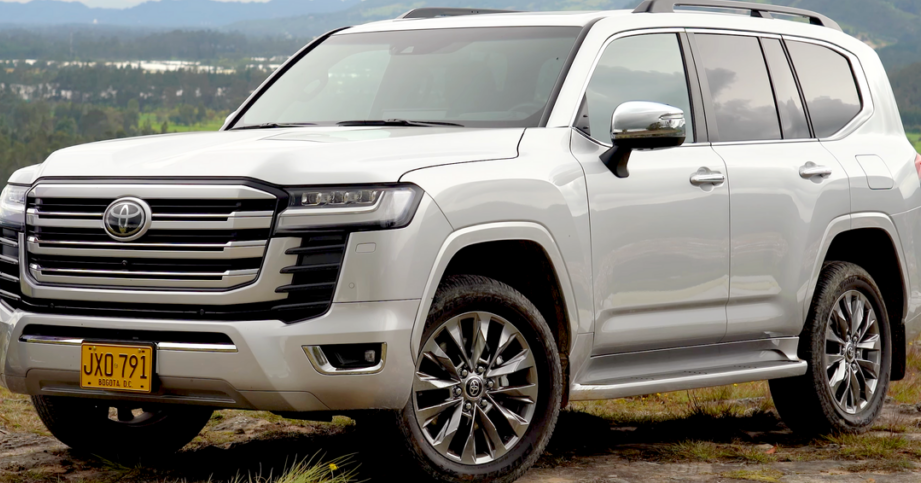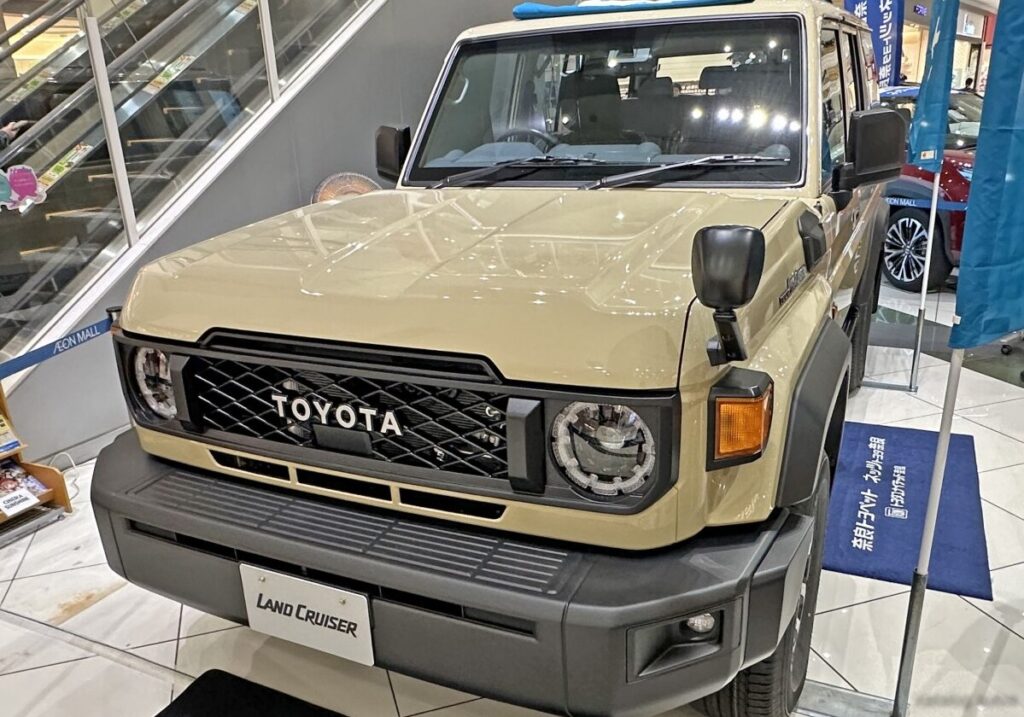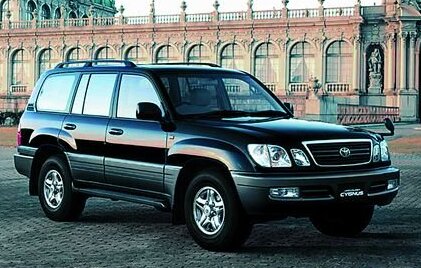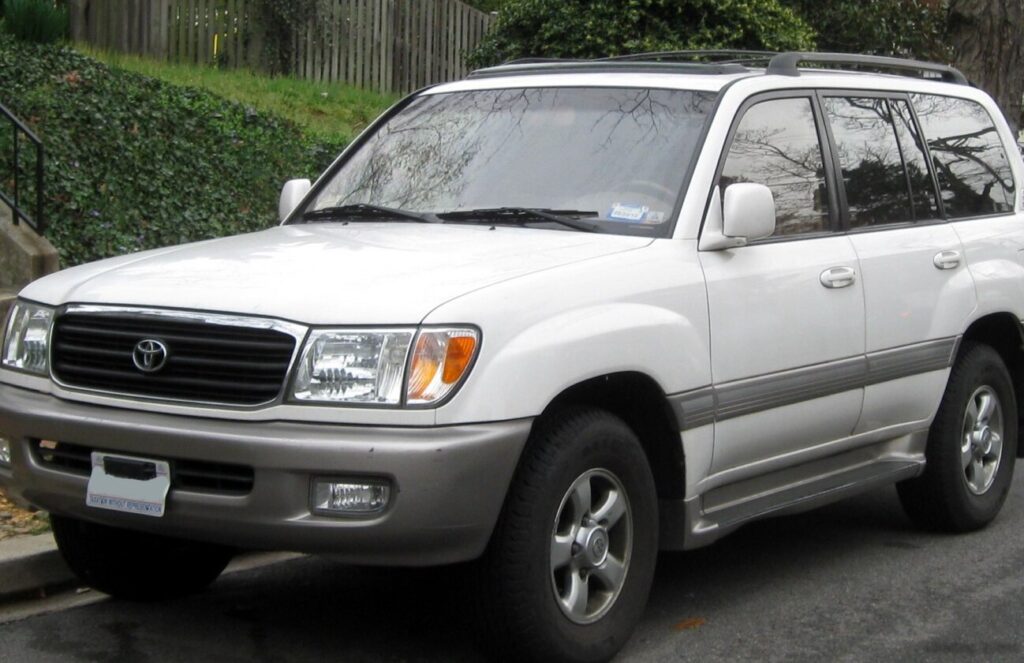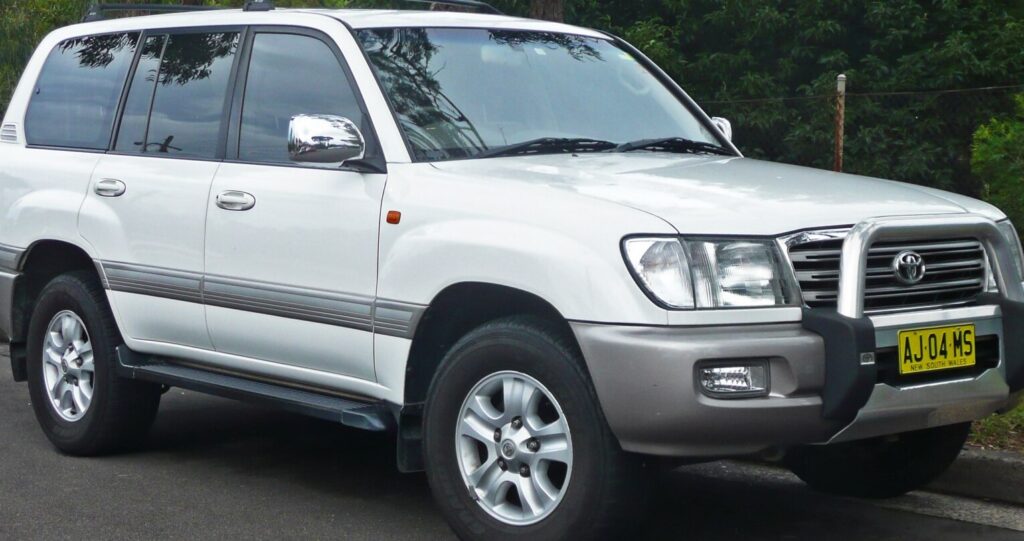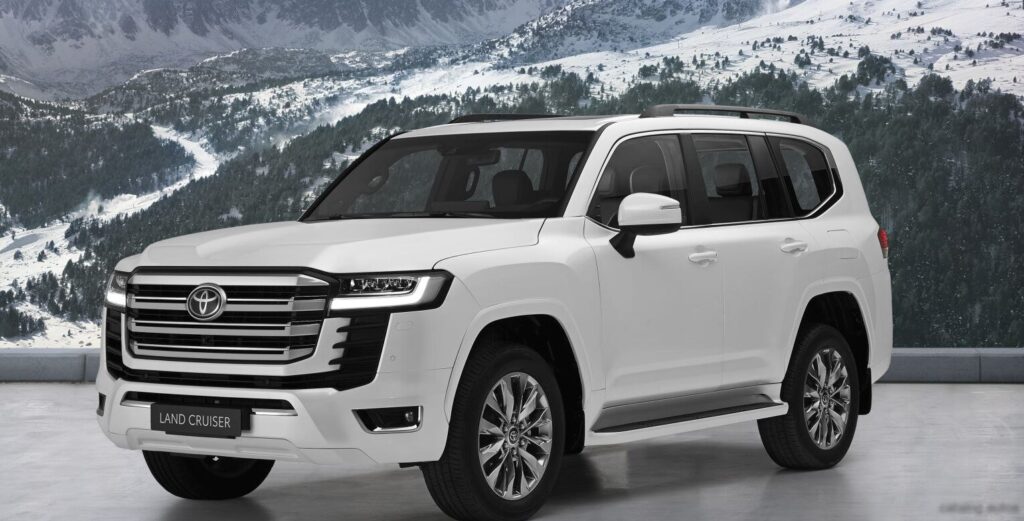
The Toyota Land Cruiser J300, specifically the variant equipped with the 3.5L V6 engine producing 415 horsepower and paired with a 10-speed Direct Shift automatic transmission, represents a significant evolution in Toyota’s legendary off-road vehicle lineage. Introduced in August 2021 and produced through 2024, this iteration of the Land Cruiser aimed to blend traditional ruggedness with modern luxury and technology. This model primarily targeted markets outside of North America, where the Land Cruiser has historically maintained a strong presence as a premium, capable SUV. The J300 series, built on the new TNGA-F platform, marked a departure from the previous J200 generation, offering improved on-road refinement and enhanced off-road capabilities.
Technical Specifications
| Brand | Toyota |
| Model | Land Cruiser |
| Generation | Land Cruiser (J300) |
| Type | 3.5L V6 (415 Hp) 4WD Direct Shift 5 Seat |
| Start of production | August, 2021 |
| End of production | 2024 |
| Powertrain Architecture | Internal Combustion engine |
| Body type | SUV |
| Seats | 5 |
| Doors | 5 |
| Fuel consumption (urban) | 18.5 l/100 km (12.7 US mpg) |
| Fuel consumption (extra urban) | 10.3 l/100 km (22.8 US mpg) |
| Fuel Type | Petrol (Gasoline) |
| Weight-to-power ratio | 5.7 kg/Hp |
| Weight-to-torque ratio | 3.6 kg/Nm |
| Power | 415 Hp @ 5200 rpm |
| Power per litre | 120.5 Hp/l |
| Torque | 650 Nm @ 2000-3600 rpm (479.42 lb.-ft. @ 2000-3600 rpm) |
| Engine layout | Front, Longitudinal |
| Engine Model/Code | V35A-FTS |
| Engine displacement | 3444 cm3 (210.17 cu. in.) |
| Number of cylinders | 6 |
| Engine configuration | V-engine |
| Cylinder Bore | 85.5 mm (3.37 in.) |
| Piston Stroke | 100 mm (3.94 in.) |
| Fuel injection system | Direct injection |
| Engine aspiration | Twin-Turbo, Intercooler |
| Valvetrain | VVT |
| Engine oil capacity | 7.3 l (7.71 US qt | 6.42 UK qt) |
| Coolant capacity | 12.6 l (13.31 US qt | 11.09 UK qt) |
| Kerb Weight | 2360 kg (5202.91 lbs.) |
| Fuel tank capacity | 80 l (21.13 US gal | 17.6 UK gal) |
| Length | 4950 mm (194.88 in.) |
| Width | 1980 mm (77.95 in.) |
| Height | 1925 mm (75.79 in.) |
| Wheelbase | 2850 mm (112.2 in.) |
| Front track | 1665 mm (65.55 in.) |
| Rear track | 1665 mm (65.55 in.) |
| Ride height (ground clearance) | 225 mm (8.86 in.) |
| Minimum turning circle | 11.8 m (38.71 ft.) |
| Drivetrain Architecture | All wheel drive (4×4) |
| Number of gears | 10 |
| Gearbox type | Automatic transmission Direct Shift |
| Front suspension | Double wishbone |
| Rear suspension | Rigid axle suspension, Coil spring |
| Front brakes | Ventilated discs |
| Rear brakes | Ventilated discs |
| Tires size | 265/65 R18 |
| Wheel rims size | 18 |
Powertrain & Engine Architecture
The heart of this Land Cruiser variant is the V35A-FTS 3.5-liter twin-turbocharged V6 gasoline engine. This engine represents a move away from the larger displacement naturally aspirated V8 engines previously offered in the Land Cruiser. The V35A-FTS utilizes direct injection and Toyota’s D-4S fuel injection system, combining direct and port injection for optimal efficiency and power delivery. The twin-turbocharger setup provides a broad torque curve, peaking at 650 Nm (479.42 lb-ft) between 2000 and 3600 rpm. The engine also features Variable Valve Timing (VVT) on both intake and exhaust valves, further enhancing performance and fuel economy. Paired with this engine is a 10-speed automatic transmission, marketed as “Direct Shift,” which provides smooth and responsive gear changes. This transmission is designed to optimize power delivery and improve fuel efficiency compared to older automatic transmissions.
Driving Characteristics
The 415 horsepower and 650 Nm of torque delivered by the V6 engine and 10-speed automatic provide a substantial increase in performance compared to earlier Land Cruiser models. While not a sports car, the J300 with this powertrain offers brisk acceleration and effortless cruising. The 10-speed transmission’s closely spaced gear ratios help keep the engine in its optimal power band, providing responsive acceleration in various driving situations. Compared to potential diesel variants, this gasoline engine offers a more refined and quieter driving experience, albeit with potentially higher fuel consumption. The automatic transmission, while smooth, may not offer the same level of driver engagement as a manual transmission, but it caters to the preference for ease of use in this class of vehicle.
Equipment & Trim Levels
The 3.5L V6 variant of the Land Cruiser J300 typically came well-equipped, reflecting its positioning as a premium SUV. Standard features often included leather upholstery, a high-resolution touchscreen infotainment system with navigation, a premium sound system, and a comprehensive suite of safety features such as adaptive cruise control, lane departure warning, and automatic emergency braking. Depending on the specific market and optional packages, additional features could include a sunroof, heated and ventilated seats, and advanced off-road driving aids. Interior trim levels varied, with higher trims offering more luxurious materials and finishes.
Chassis & Braking
The J300 Land Cruiser utilizes a robust body-on-frame construction, providing excellent durability and off-road capability. The suspension system features double wishbones at the front and a rigid axle with coil springs at the rear. This configuration balances on-road comfort with off-road articulation. Braking duties are handled by ventilated disc brakes on all four wheels, providing ample stopping power. The vehicle is equipped with an Anti-lock Braking System (ABS) and Electronic Brake-force Distribution (EBD) for enhanced safety. Electric power steering provides precise and responsive steering feel.
Market Reception & Comparison
The Land Cruiser J300, including the 3.5L V6 variant, received generally positive reviews from automotive critics. Praise was directed towards its refined ride quality, powerful engine, and advanced technology. However, some critics noted the higher fuel consumption compared to diesel alternatives. In markets where both gasoline and diesel versions were available, the V6 model appealed to buyers prioritizing a smoother, quieter driving experience and those less concerned about maximizing fuel economy. Compared to competitors like the Range Rover and Mercedes-Benz GLS, the Land Cruiser offered a unique blend of luxury, capability, and reliability.
Legacy
The Toyota Land Cruiser J300 3.5L V6 represents a modern interpretation of a legendary off-road vehicle. While its long-term reliability is still being established, Toyota’s reputation for building durable and dependable vehicles suggests that this powertrain will prove to be robust. On the used car market, these models are expected to hold their value well due to the Land Cruiser’s strong brand recognition and reputation for longevity. The shift to a smaller displacement, turbocharged engine reflects a broader industry trend towards improved efficiency and reduced emissions, while maintaining the Land Cruiser’s core values of capability and reliability.