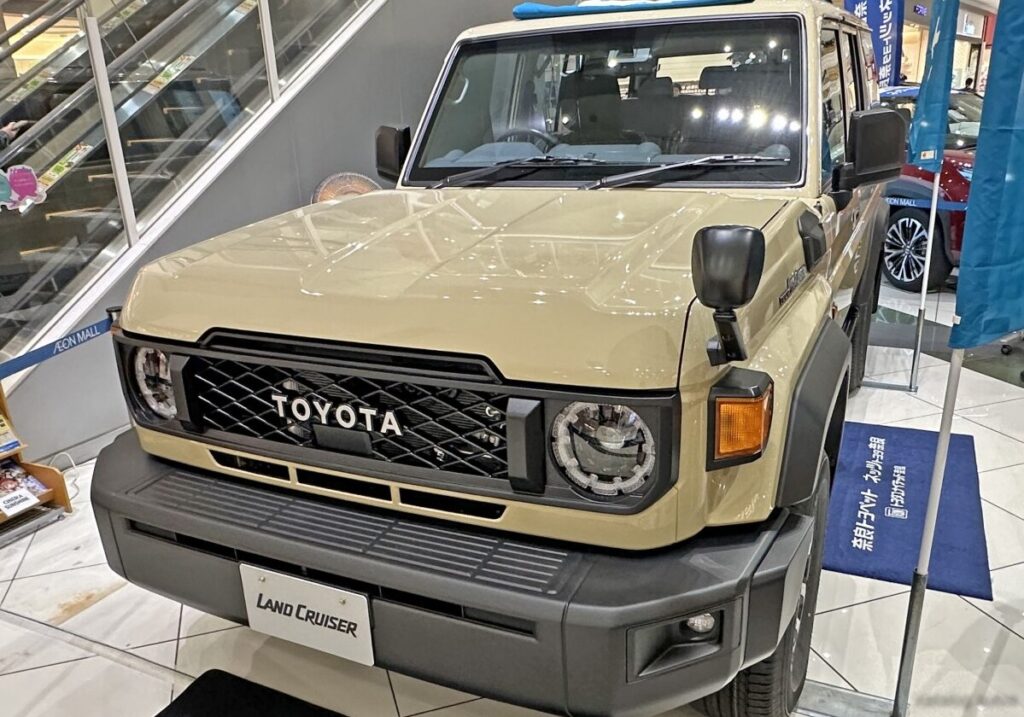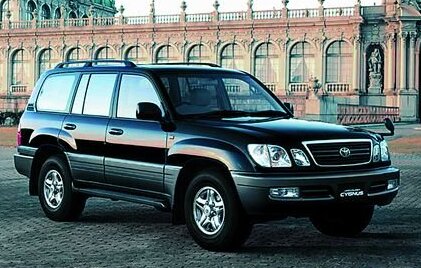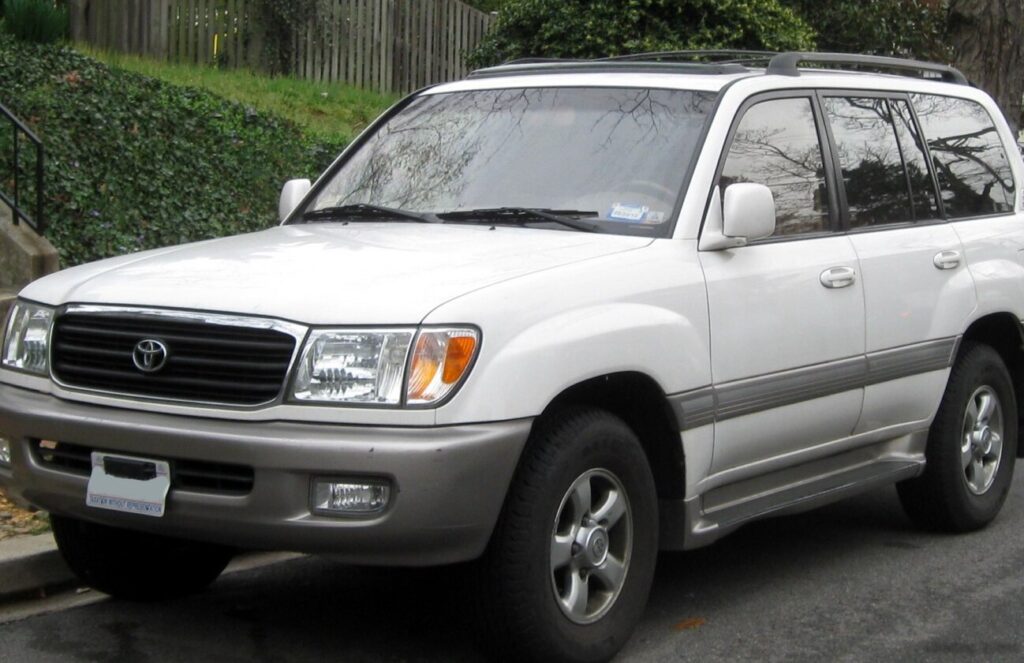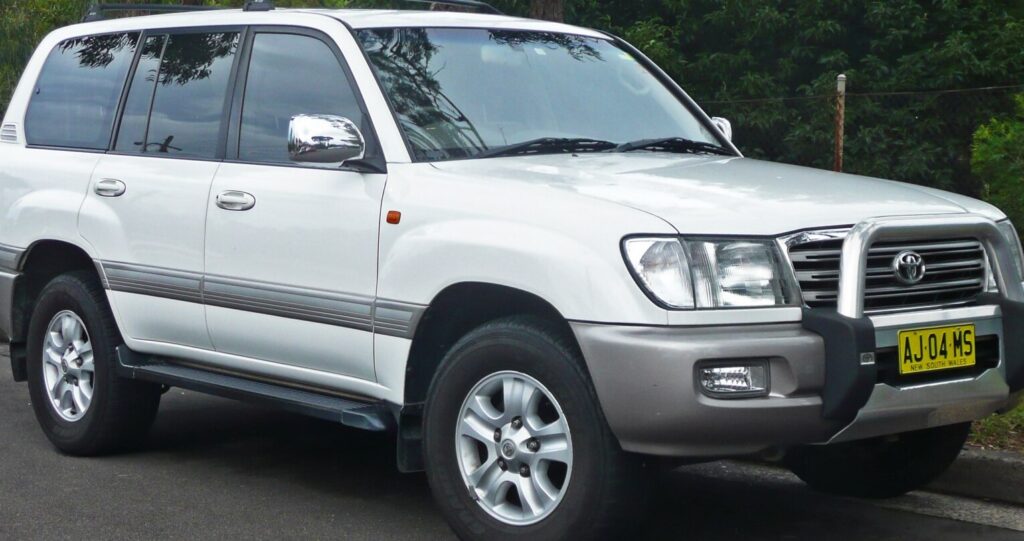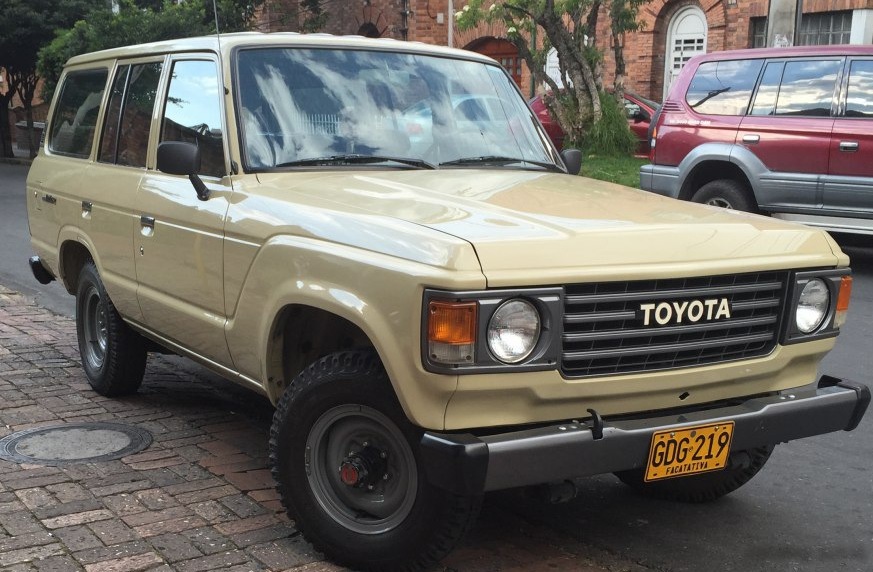
The Toyota Land Cruiser J60, produced from 1988 to 1989 in this specific wagon configuration with the 4.0-liter engine, represents a pivotal point in the Land Cruiser lineage. Positioned as a robust and capable SUV, the J60 series aimed to blend off-road prowess with increasing levels of on-road comfort. This particular variant, equipped with the 3F-E 4.0-liter inline-six engine producing 156 horsepower and paired with a four-speed automatic transmission, was a popular choice for buyers seeking a balance between power, convenience, and the legendary Land Cruiser durability. It served as a mid-range offering within the J60 lineup, slotting below the diesel variants and above any potential base-level trims depending on regional specifications.
Technical Specifications
| Brand | Toyota |
| Model | Land Cruiser |
| Generation | Land Cruiser (J60) Wagon |
| Type (Engine) | 4.0 (156 Hp) 4WD Automatic |
| Start of production | 1988 |
| End of production | 1989 |
| Powertrain Architecture | Internal Combustion engine |
| Body type | SUV |
| Seats | 5 |
| Doors | 5 |
| Fuel Type | Petrol (Gasoline) |
| Maximum speed | 155 km/h (96.31 mph) |
| Weight-to-power ratio | 13 kg/Hp, 76.7 Hp/tonne |
| Weight-to-torque ratio | 6.8 kg/Nm, 146.9 Nm/tonne |
| Power | 156 Hp @ 4000 rpm |
| Power per litre | 39.4 Hp/l |
| Torque | 299 Nm @ 3000 rpm (220.53 lb.-ft. @ 3000 rpm) |
| Engine layout | Front, Longitudinal |
| Engine Model/Code | 3F-E |
| Engine displacement | 3955 cm3 (241.35 cu. in.) |
| Number of cylinders | 6 |
| Engine configuration | Inline |
| Cylinder Bore | 94 mm (3.7 in.) |
| Piston Stroke | 95 mm (3.74 in.) |
| Compression ratio | 8.1:1 |
| Number of valves per cylinder | 2 |
| Fuel injection system | Multi-port manifold injection |
| Engine aspiration | Naturally aspirated engine |
| Valvetrain | OHV |
| Engine oil capacity | 7.8 l (8.24 US qt | 6.86 UK qt) |
| Coolant capacity | 19.5 l (20.61 US qt | 17.16 UK qt) |
| Kerb Weight | 2035 kg (4486.41 lbs.) |
| Max. weight | 2550 kg (5621.79 lbs.) |
| Max load | 515 kg (1135.38 lbs.) |
| Trunk (boot) space – maximum | 2775 l (98 cu. ft.) |
| Fuel tank capacity | 90 l (23.78 US gal | 19.8 UK gal) |
| Length | 4675 mm (184.06 in.) |
| Width | 1800 mm (70.87 in.) |
| Height | 1750 mm (68.9 in.) |
| Wheelbase | 2730 mm (107.48 in.) |
| Front track | 1485 mm (58.46 in.) |
| Rear (Back) track | 1470 mm (57.87 in.) |
| Front overhang | 725 mm (28.54 in.) |
| Rear overhang | 1220 mm (48.03 in.) |
| Ride height (ground clearance) | 230 mm (9.06 in.) |
| Minimum turning circle (turning diameter) | 13.4 m (43.96 ft.) |
| Approach angle | 35.30° |
| Departure angle | 17.30° |
| Drivetrain Architecture | The Internal combustion engine (ICE) drives the rear wheels permanently, and the front wheels are driven through an electrically or mechanically operated clutch if necessary. |
| Drive wheel | All wheel drive (4×4) |
| Number of gears and type of gearbox | 4 gears, automatic transmission |
| Front suspension | Leaf spring |
| Rear suspension | Leaf spring |
| Front brakes | Ventilated discs |
| Rear brakes | Drum |
| Steering type | Cone worm with recirculation balls |
Powertrain & Engine Architecture
The heart of this Land Cruiser variant is the 3F-E engine, a 4.0-liter (3955 cc) inline-six cylinder gasoline engine. This engine is a naturally aspirated, overhead valve (OHV) design, utilizing a multi-port fuel injection system. The 3F-E was known for its reliability and relatively simple construction, making it easier to maintain in remote locations – a key characteristic valued by Land Cruiser owners. The engine produces 156 horsepower at 4000 rpm and 299 Nm (220.53 lb-ft) of torque at 3000 rpm. The four-speed automatic transmission, while providing convenience, was not known for its particularly quick shifts or fuel efficiency compared to the available manual transmission. It was a fairly conventional automatic for the era, designed for durability rather than performance.
Driving Characteristics
The 156 hp and automatic transmission combination resulted in a driving experience focused on usability and relaxed cruising rather than outright speed. Acceleration was adequate for highway merging and passing, but not particularly brisk. The automatic transmission’s gear ratios were geared towards torque delivery at lower speeds, making it well-suited for off-road conditions and towing. Compared to the manual transmission versions, this automatic setup felt noticeably slower, especially when climbing hills or carrying a load. The Land Cruiser’s substantial weight (2035 kg / 4486.41 lbs) further contributed to the less-than-sporty feel. However, the engine’s torque output provided sufficient power for most everyday driving situations.
Equipment & Trim Levels
The J60 Land Cruiser 4.0 Automatic typically came with a fairly basic level of equipment, reflecting its intended use as a rugged utility vehicle. Standard features generally included power steering, air conditioning, and a basic audio system. Interior upholstery was typically cloth, and the dashboard layout was functional rather than luxurious. Optional extras could include upgraded audio systems, power windows, and a sunroof. The trim level for this specific engine/transmission combination often represented a step up from the base models, offering a slightly more refined interior and additional convenience features.
Chassis & Braking
The J60 Land Cruiser utilized a body-on-frame construction, providing exceptional durability and off-road capability. Suspension consisted of leaf springs at both the front and rear, a design choice prioritizing robustness and load-carrying capacity over ride comfort. Braking was accomplished via ventilated discs at the front and drum brakes at the rear. The braking system was adequate for the vehicle’s weight and intended use, but lacked the stopping power of more modern braking systems. The steering system employed a cone worm and recirculation balls setup, providing a solid feel but requiring more driver effort than modern rack-and-pinion systems.
Market Reception & Comparison
The Land Cruiser J60, and this 4.0-liter automatic variant specifically, enjoyed a positive reputation for reliability and off-road capability. Critics generally praised its durability and ability to handle challenging terrain. However, the automatic transmission was sometimes criticized for its lack of responsiveness and impact on fuel economy. Compared to the diesel-powered Land Cruisers, the 4.0-liter gasoline version offered more power but significantly lower fuel efficiency. Against competitors like the Nissan Patrol, the Land Cruiser was often seen as offering a more refined driving experience and a stronger reputation for long-term reliability.
Legacy
The Toyota Land Cruiser J60, particularly the 3F-E powered models, have developed a strong following among enthusiasts and collectors. The 3F-E engine is known for its longevity and relative simplicity, making it a relatively easy engine to maintain even today. Well-maintained examples of this variant command respectable prices in the used car market, reflecting their enduring appeal and reputation for reliability. While not the fastest or most fuel-efficient SUV of its era, the J60 Land Cruiser 4.0 Automatic remains a highly capable and respected vehicle, embodying the spirit of adventure and durability that has defined the Land Cruiser nameplate for decades.