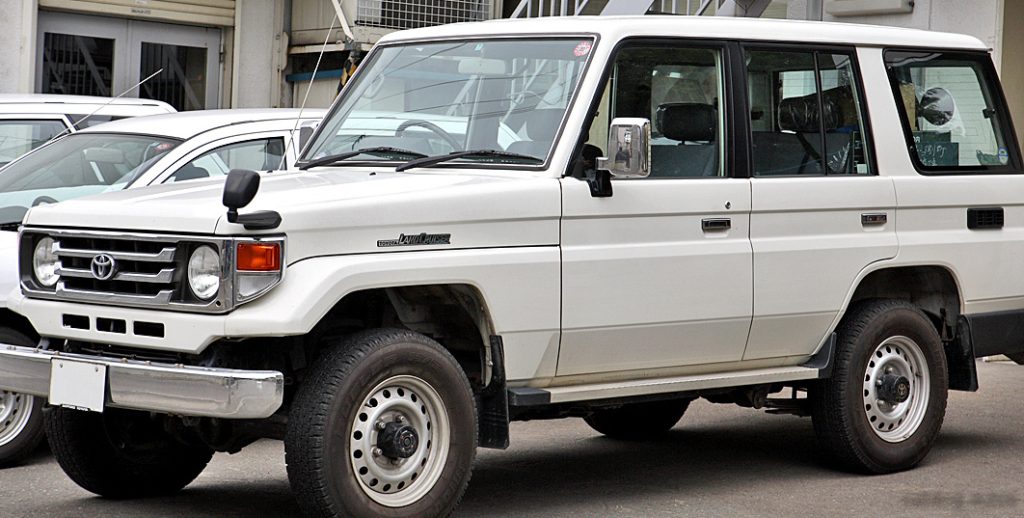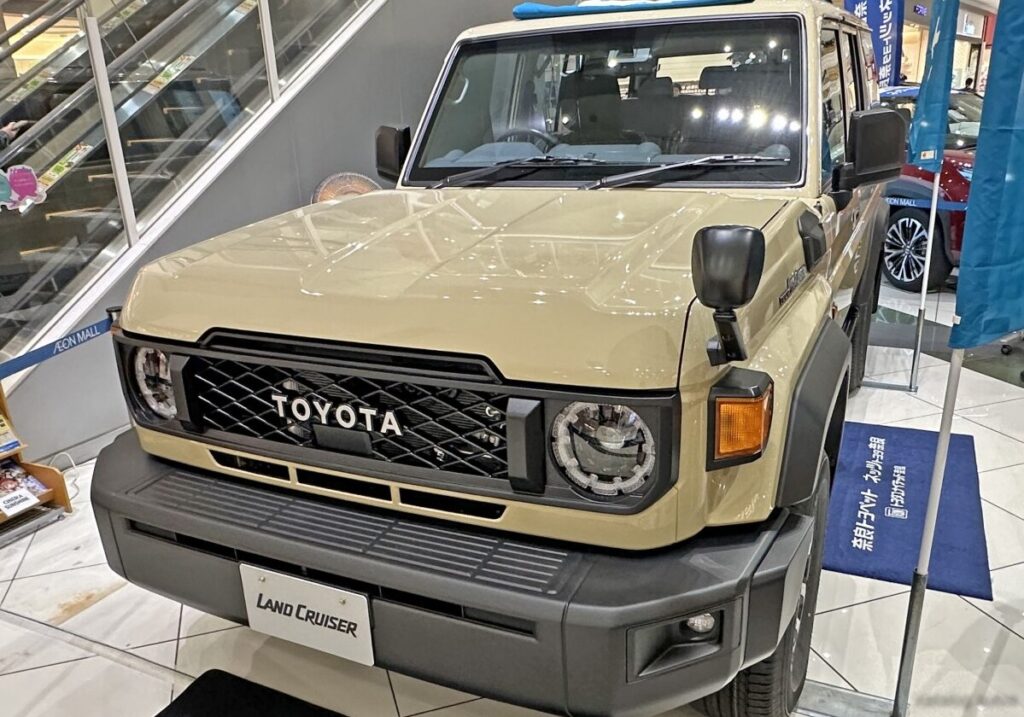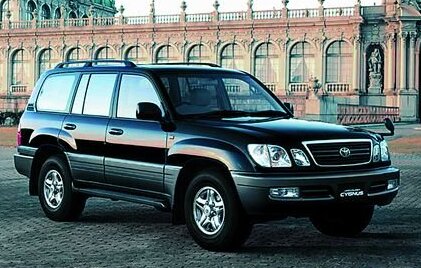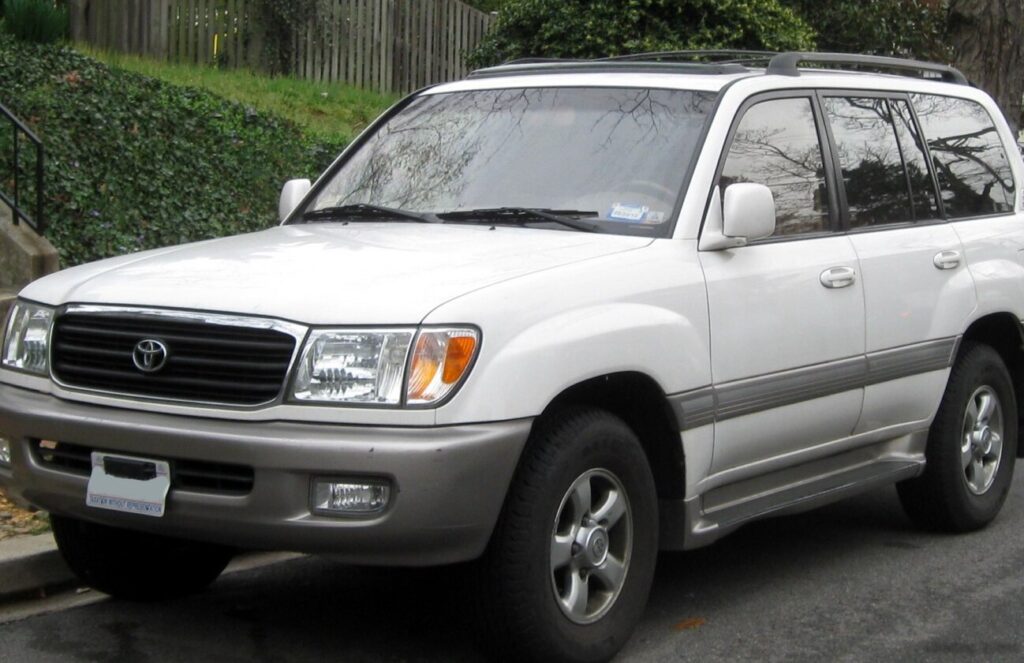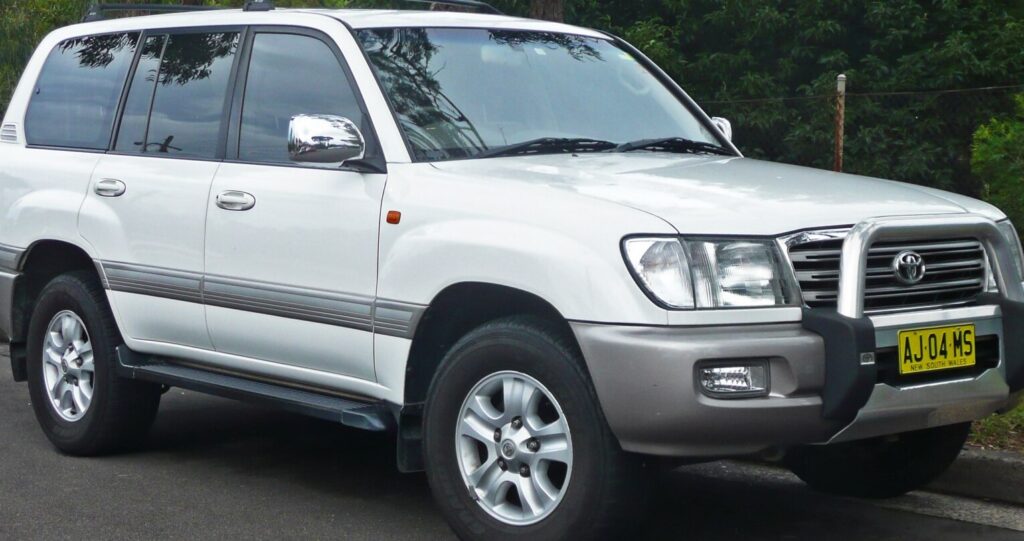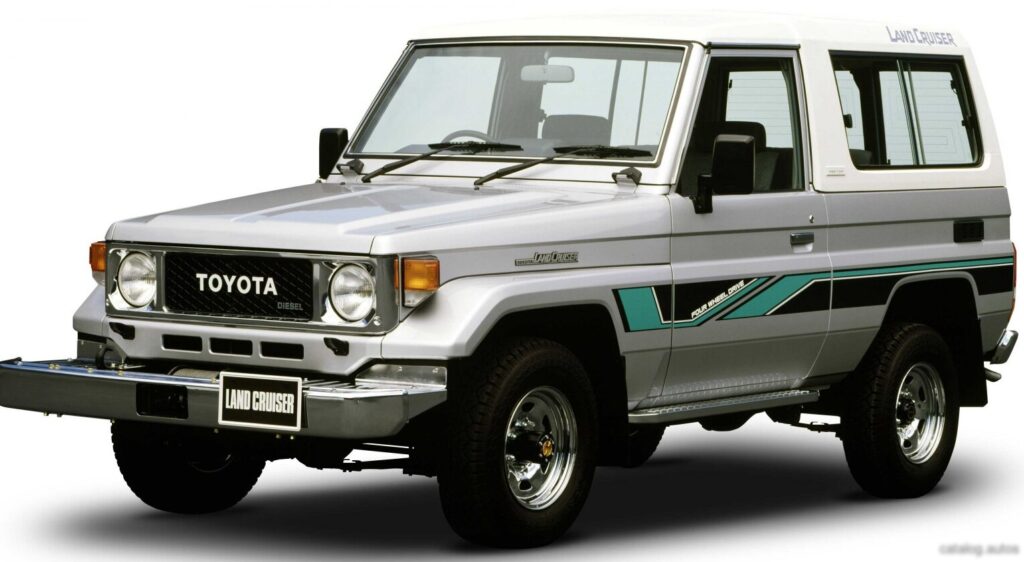
The Toyota Land Cruiser J70 series, produced from 1989 to 1998 (with some regional variations continuing production into the early 2000s), represents a pivotal generation for the iconic off-road vehicle. The J70, and specifically the J73 variant, was designed to maintain the Land Cruiser’s reputation for ruggedness and reliability while offering a more compact and utilitarian package compared to the larger J60 series it replaced. The 4.2 D (HZJ73HV) model, equipped with the 1HZ diesel engine producing 135 horsepower, was a mainstay in many markets, particularly those where durability and low-cost operation were paramount. This variant was especially popular in Australia, Africa, and parts of Asia, serving as a workhorse for farmers, explorers, and aid organizations. Production of the HZJ73HV spanned from 1988 to 1996.
Technical Specifications
| Brand | Toyota |
| Model | Land Cruiser |
| Generation | Land Cruiser (J70, J73) |
| Type (Engine) | 4.2 D (HZJ73HV) (135 Hp) 4WD |
| Start of production | 1988 year |
| End of production | 1996 year |
| Powertrain Architecture | Internal Combustion engine |
| Body type | Off-road vehicle |
| Seats | 5 |
| Doors | 3 |
| Fuel Type | Diesel |
| Weight-to-power ratio | 15.2 kg/Hp, 65.9 Hp/tonne |
| Weight-to-torque ratio | 7.2 kg/Nm, 138.5 Nm/tonne |
| Power | 135 Hp @ 4000 rpm |
| Power per litre | 32.4 Hp/l |
| Torque | 284 Nm @ 2200 rpm, 209.47 lb.-ft. @ 2200 rpm |
| Engine layout | Front, Longitudinal |
| Engine Model/Code | 1HZ |
| Engine displacement | 4163 cm3, 254.04 cu. in. |
| Number of cylinders | 6 |
| Engine configuration | Inline |
| Cylinder Bore | 94 mm, 3.7 in. |
| Piston Stroke | 100 mm, 3.94 in. |
| Compression ratio | 22.7:1 |
| Number of valves per cylinder | 2 |
| Fuel injection system | Precombustion chamber injection |
| Engine aspiration | Naturally aspirated engine |
| Valvetrain | SOHC |
| Engine oil capacity | 9.3 l, 9.83 US qt | 8.18 UK qt |
| Kerb Weight | 2050 kg, 4519.48 lbs |
| Max. weight | 2560 kg, 5643.83 lbs |
| Max load | 510 kg, 1124.36 lbs |
| Fuel tank capacity | 90 l, 23.78 US gal | 19.8 UK gal |
| Length | 4455 mm, 175.39 in |
| Width | 1790 mm, 70.47 in |
| Height | 1950 mm, 76.77 in |
| Wheelbase | 2600 mm, 102.36 in |
| Front track | 1455 mm, 57.28 in |
| Rear (Back) track | 1440 mm, 56.69 in |
| Ride height (ground clearance) | 215 mm, 8.46 in |
| Minimum turning circle (turning diameter) | 11.6 m, 38.06 ft |
| Drivetrain Architecture | The Internal combustion engine (ICE) drives the rear wheels permanently, and the front wheels are driven through an electrically or mechanically operated clutch if necessary. |
| Drive wheel | All wheel drive (4×4) |
| Number of gears and type of gearbox | 5 gears, manual transmission |
| Front suspension | Leaf spring |
| Rear suspension | Leaf spring |
| Front brakes | Ventilated discs |
| Rear brakes | Ventilated discs |
| Steering type | Cone worm with recirculation balls |
Powertrain & Engine Architecture
The heart of the HZJ73HV is the 1HZ engine, a 4.2-liter inline-six diesel. This engine is renowned for its exceptional durability and simplicity. It utilizes a precombustion chamber injection system, a design common in older diesel engines, which improves combustion efficiency and reduces noise compared to direct injection systems. The 1HZ features a single overhead camshaft (SOHC) valvetrain, operating two valves per cylinder. The engine’s robust construction, including a cast iron block and head, contributes to its longevity. The 135 horsepower and 284 Nm (209.47 lb-ft) of torque are delivered at relatively low engine speeds, making it well-suited for off-road driving and heavy loads. The HZJ73HV was typically paired with a 5-speed manual transmission, chosen for its reliability and ability to handle the engine’s torque. While an automatic transmission was available in some markets, it was less common with the 4.2L diesel due to the added stress on the transmission.
Driving Characteristics
The 1.8L diesel and 5-speed manual combination in the HZJ73HV delivers a driving experience focused on capability rather than outright speed. Acceleration is modest, but the engine’s strong low-end torque provides ample pulling power for navigating challenging terrain or towing. The manual transmission allows for precise control, especially when rock crawling or traversing steep inclines. The gear ratios are well-suited for off-road use, providing a low crawl ratio for technical sections. Compared to potential automatic versions, the manual offers a more direct connection to the engine and better control over power delivery. While not a fast vehicle on paved roads, the HZJ73HV is comfortable enough for highway cruising, though engine noise is noticeable.
Equipment & Trim Levels
The J73 was generally offered with a utilitarian level of equipment, reflecting its intended purpose. Standard features typically included basic steel wheels, vinyl or cloth upholstery, and a simple dashboard layout. Air conditioning was often an optional extra, as were power windows and central locking. The interior was designed for functionality and ease of cleaning, with durable materials used throughout. The J73 prioritized practicality over luxury, focusing on providing a reliable and capable off-road vehicle. Trim levels were relatively limited, with most variations stemming from optional equipment packages.
Chassis & Braking
The J73 chassis is a body-on-frame construction, providing exceptional strength and durability. The suspension utilizes leaf springs at both the front and rear, offering a robust and simple design ideal for carrying heavy loads and absorbing impacts off-road. The front and rear brakes are ventilated discs, providing adequate stopping power for the vehicle’s weight. Steering is handled by a cone worm and recirculation balls system, which provides a solid and predictable feel, though it requires more effort than modern rack-and-pinion steering. The high ground clearance of 215mm (8.46 inches) allows the J73 to overcome significant obstacles.
Market Reception & Comparison
The HZJ73HV was well-received in markets where reliability and off-road capability were highly valued. Critics praised its robust construction, durable engine, and ability to handle harsh conditions. Compared to other Land Cruiser variants, such as those with gasoline engines, the 4.2 D offered superior fuel economy and lower maintenance costs. However, it lacked the refinement and performance of its gasoline counterparts. Compared to other diesel-powered off-road vehicles of the time, the Land Cruiser stood out for its build quality and reputation for longevity. Its simplicity also made it easier to maintain and repair in remote locations.
Legacy
The Toyota Land Cruiser J70 series, and the HZJ73HV variant in particular, has earned a legendary reputation for reliability and durability. These vehicles are still highly sought after today, particularly in the used car market. The 1HZ engine is known to be capable of exceeding 300,000 miles with proper maintenance. While parts availability can be a concern in some regions, the Land Cruiser’s robust construction and simple design make it relatively easy to repair. The HZJ73HV remains a popular choice for overlanders, adventurers, and those seeking a dependable and capable off-road vehicle. Its enduring appeal is a testament to Toyota’s commitment to building vehicles that can withstand the test of time.