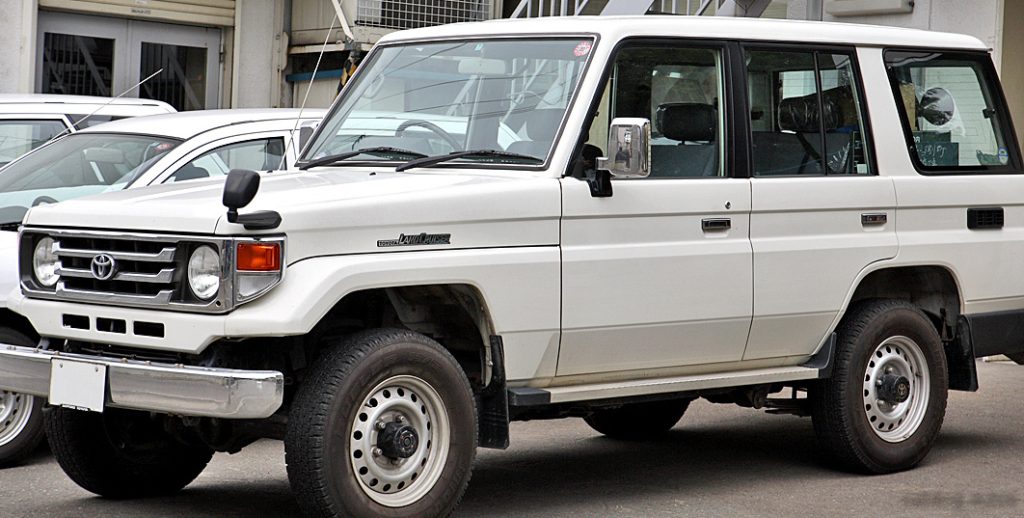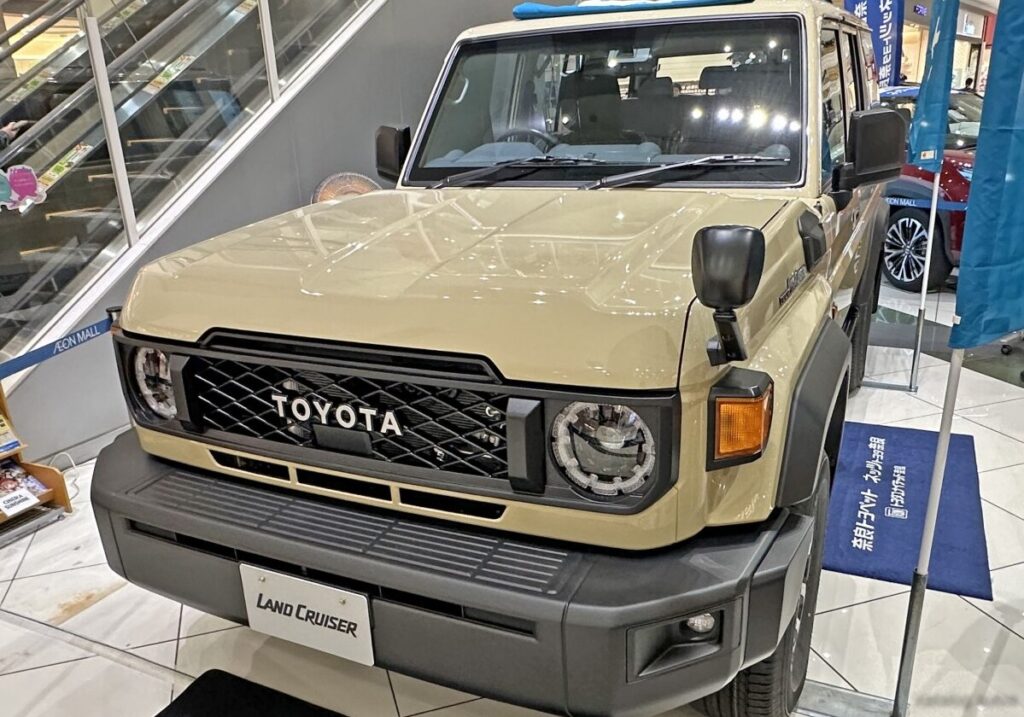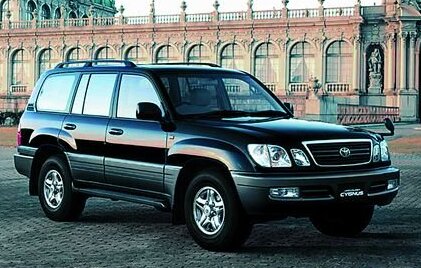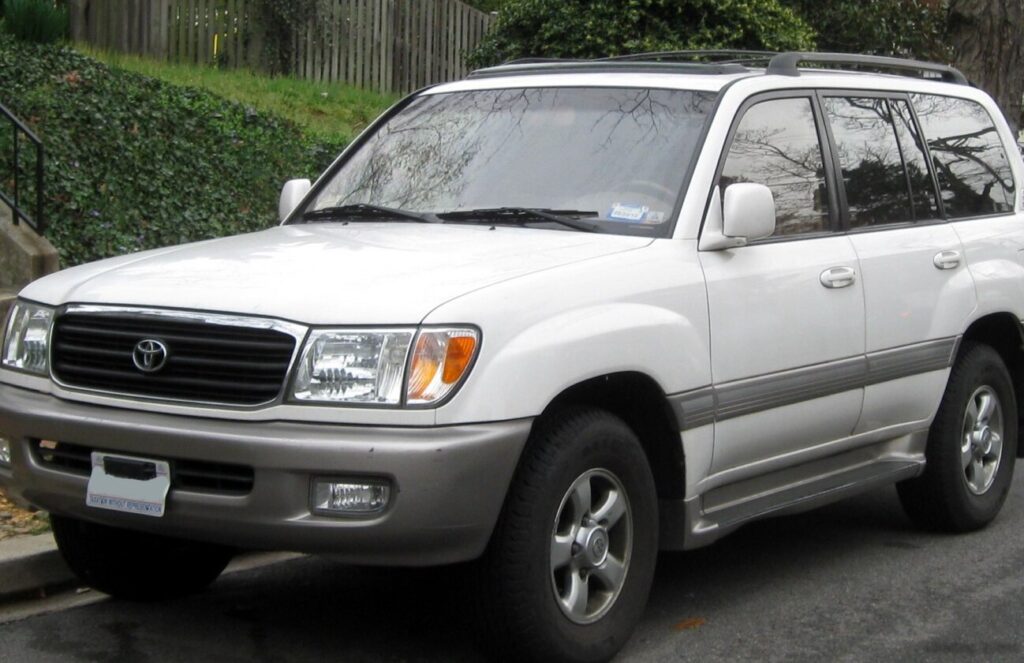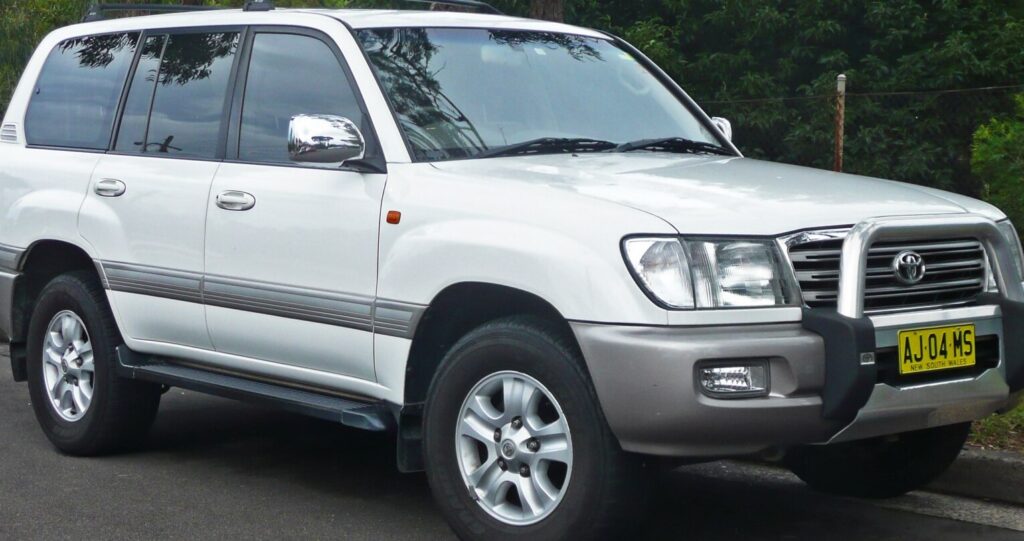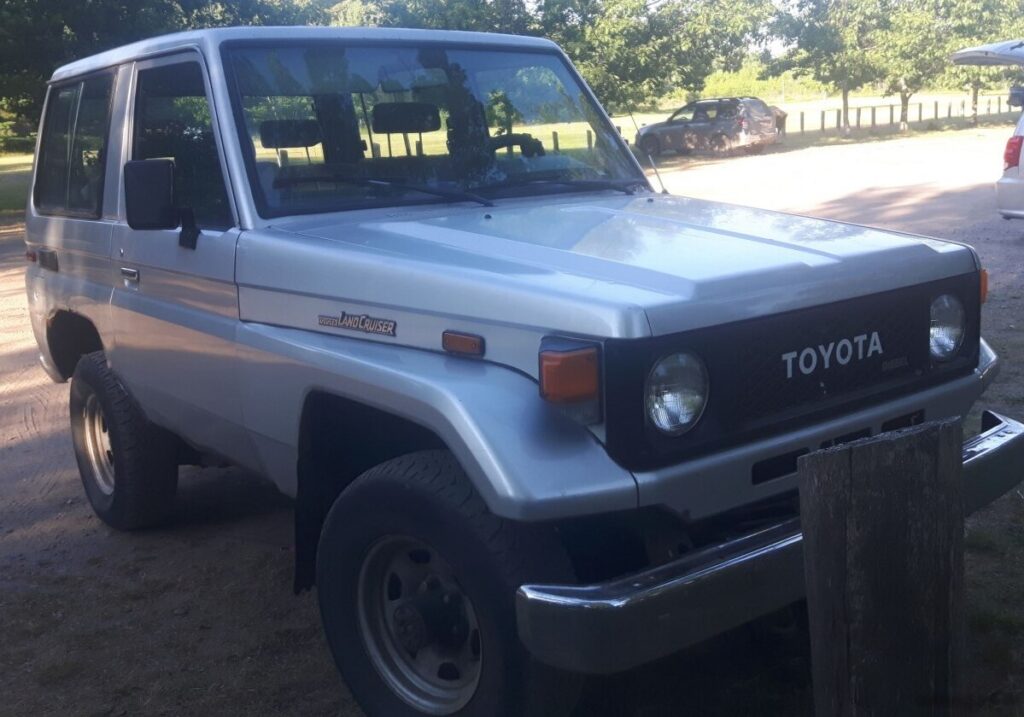
The Toyota Land Cruiser J77, specifically the 3.5 D (PZJ77HV) variant with 115 horsepower and four-wheel drive, represents a crucial link in the Land Cruiser lineage. Produced from 1989 to 1996, this model falls within the J70 series, renowned for its ruggedness and off-road capability. The J77 was primarily aimed at markets outside of North America, serving as a workhorse vehicle in regions like Australia, Africa, and parts of Asia. It was designed to be a durable, reliable, and utilitarian vehicle, prioritizing functionality over luxury. This particular 3.5-liter diesel configuration occupied a middle ground in the J77 lineup, offering a balance between fuel efficiency, torque for demanding terrain, and affordability.
Technical Specifications
| Brand | Toyota |
| Model | Land Cruiser |
| Generation | Land Cruiser (J77) |
| Type (Engine) | 3.5 D (PZJ77HV) (115 Hp) 4WD |
| Start of production | 1989 |
| End of production | 1996 |
| Powertrain Architecture | Internal Combustion engine |
| Body type | Off-road vehicle |
| Seats | 5 |
| Doors | 5 |
| Fuel consumption (urban) | 20 l/100 km (11.8 US mpg) |
| Fuel consumption (extra urban) | 13 l/100 km (18.1 US mpg) |
| Fuel Type | Diesel |
| Acceleration 0 – 100 km/h | 27.8 sec |
| Acceleration 0 – 62 mph | 27.8 sec |
| Acceleration 0 – 60 mph | 26.4 sec |
| Maximum speed | 140 km/h (86.99 mph) |
| Weight-to-power ratio | 16.9 kg/Hp |
| Weight-to-torque ratio | 8.4 kg/Nm |
| Power | 115 Hp @ 4000 rpm |
| Torque | 230 Nm @ 2600 rpm (169.64 lb.-ft. @ 2600 rpm) |
| Engine layout | Front, Longitudinal |
| Engine Model/Code | 1PZ |
| Engine displacement | 3469 cm3 (211.69 cu. in.) |
| Number of cylinders | 5 |
| Engine configuration | Inline |
| Cylinder Bore | 94 mm (3.7 in.) |
| Piston Stroke | 100 mm (3.94 in.) |
| Compression ratio | 22.7:1 |
| Number of valves per cylinder | 2 |
| Fuel injection system | Precombustion chamber injection |
| Engine aspiration | Naturally aspirated engine |
| Valvetrain | SOHC |
| Engine oil capacity | 9.3 l (9.83 US qt | 8.18 UK qt) |
| Kerb Weight | 1940 kg (4276.97 lbs.) |
| Max. weight | 2450 kg (5401.33 lbs.) |
| Max load | 510 kg (1124.36 lbs.) |
| Fuel tank capacity | 90 l (23.78 US gal | 19.8 UK gal) |
| Length | 4805 mm (189.17 in.) |
| Width | 1790 mm (70.47 in.) |
| Height | 1935 mm (76.18 in.) |
| Wheelbase | 2730 mm (107.48 in.) |
| Front track | 1455 mm (57.28 in.) |
| Rear track | 1440 mm (56.69 in.) |
| Ride height (ground clearance) | 215 mm (8.46 in.) |
| Minimum turning circle | 12.2 m (40.03 ft.) |
| Drivetrain Architecture | All wheel drive (4×4) |
| Number of gears | 5 |
| Gearbox type | Manual transmission |
| Front suspension | Leaf spring |
| Rear suspension | Leaf spring |
| Front brakes | Ventilated discs |
| Rear brakes | Ventilated discs |
| Steering type | Cone worm with recirculation balls |
Powertrain & Engine Architecture
The heart of the J77 3.5 D is the 1PZ engine, a 3.5-liter inline five-cylinder diesel. This engine is a naturally aspirated design, relying on precombustion chamber injection for fuel delivery. This system, common in older diesel engines, utilizes a small pre-chamber to ignite the fuel-air mixture before it enters the main combustion chamber, aiding in cold-start performance and reducing engine noise. The 1PZ features a single overhead camshaft (SOHC) valvetrain, operating two valves per cylinder. The engine produces 115 horsepower at 4000 rpm and 230 Nm (169.64 lb-ft) of torque at 2600 rpm. This torque output, while modest by modern standards, is delivered relatively low in the rev range, making it well-suited for off-road driving and hauling loads. The engine is paired with a robust five-speed manual transmission, chosen for its durability and simplicity. An automatic transmission was not offered with this specific engine configuration.
Driving Characteristics
The 3.5-liter diesel and five-speed manual combination in the J77 delivers a driving experience focused on capability rather than speed. Acceleration is slow, with a 0-60 mph time around 26.4 seconds. However, the engine’s torque provides ample pulling power for navigating challenging terrain or towing. The manual transmission allows for precise control, essential for off-road situations. The gear ratios are relatively low, prioritizing low-end grunt over high-speed cruising. Compared to potential gasoline engine options (not commonly available in this generation for many markets) or later, more powerful diesel variants, the 3.5 D feels underpowered on paved roads, especially when fully loaded. However, its simplicity and durability make it a reliable choice for demanding applications.
Equipment & Trim Levels
The J77 3.5 D was typically equipped with a utilitarian interior. Standard features included vinyl or cloth upholstery, basic instrumentation, and minimal creature comforts. Air conditioning was often an optional extra, as were power windows and central locking. The dashboard layout is functional and straightforward, prioritizing ease of use over aesthetics. Trim levels were generally limited, with most J77s being sparsely equipped. The focus was on providing a durable and reliable vehicle capable of withstanding harsh conditions. Optional extras often included a winch, roof rack, and upgraded suspension components for more serious off-road use.
Chassis & Braking
The J77 chassis is a body-on-frame construction, providing exceptional strength and durability. The suspension utilizes leaf springs at both the front and rear, a design choice favored for its robustness and load-carrying capacity. While not offering the most refined ride quality, the leaf spring suspension is capable of handling rough terrain and heavy loads. Braking is provided by ventilated discs on all four wheels, offering adequate stopping power for the vehicle’s weight and intended use. The steering system employs a cone worm and recirculation ball mechanism, providing a direct but somewhat heavy steering feel.
Market Reception & Comparison
The J77 3.5 D was well-received in its target markets as a dependable and affordable workhorse. Critics praised its durability, off-road capability, and fuel efficiency (relative to its time). However, it was often criticized for its slow acceleration, basic interior, and lack of refinement. Compared to other trims in the J77 lineup, such as those equipped with more powerful diesel engines, the 3.5 D offered a more economical entry point. It appealed to buyers who prioritized practicality and reliability over performance and luxury. Its fuel economy, while not exceptional, was generally better than that of the larger displacement diesel options.
Legacy
The Toyota Land Cruiser J77 3.5 D (PZJ77HV) has earned a reputation for exceptional longevity and reliability. Many examples are still in use today, often having accumulated hundreds of thousands of kilometers. The 1PZ engine is known for its robustness and relatively simple maintenance requirements. In the used car market, these Land Cruisers are highly sought after by those seeking a durable and capable off-road vehicle. While parts availability may be a concern in some regions, the Land Cruiser’s enduring popularity ensures that a network of support remains. The J77 3.5 D stands as a testament to Toyota’s commitment to building vehicles that can withstand the test of time and the rigors of demanding environments.