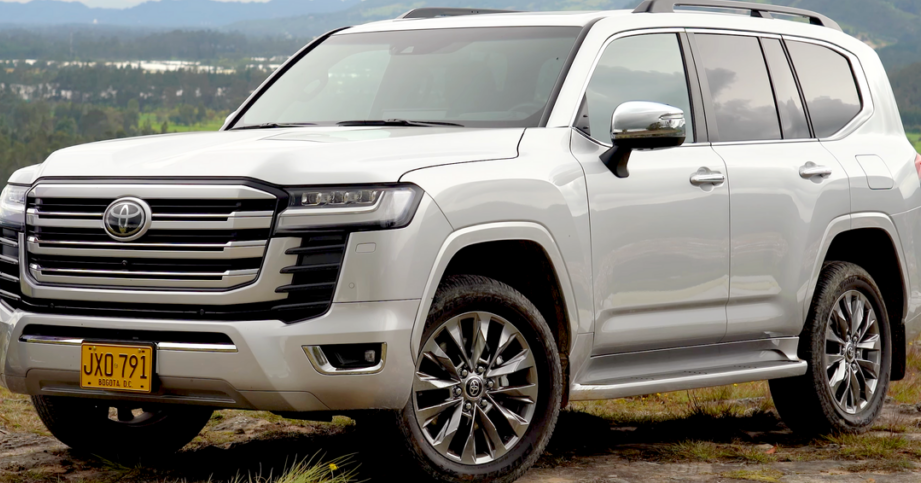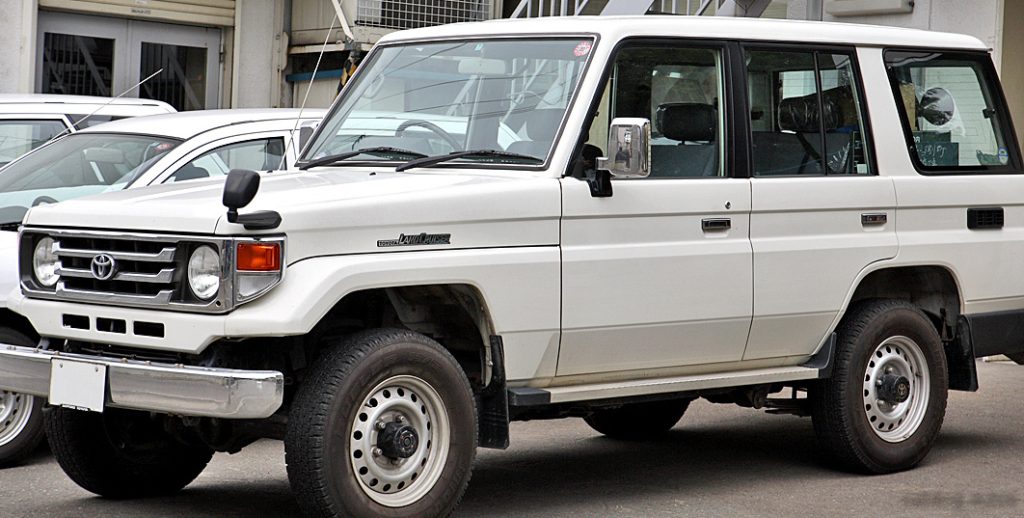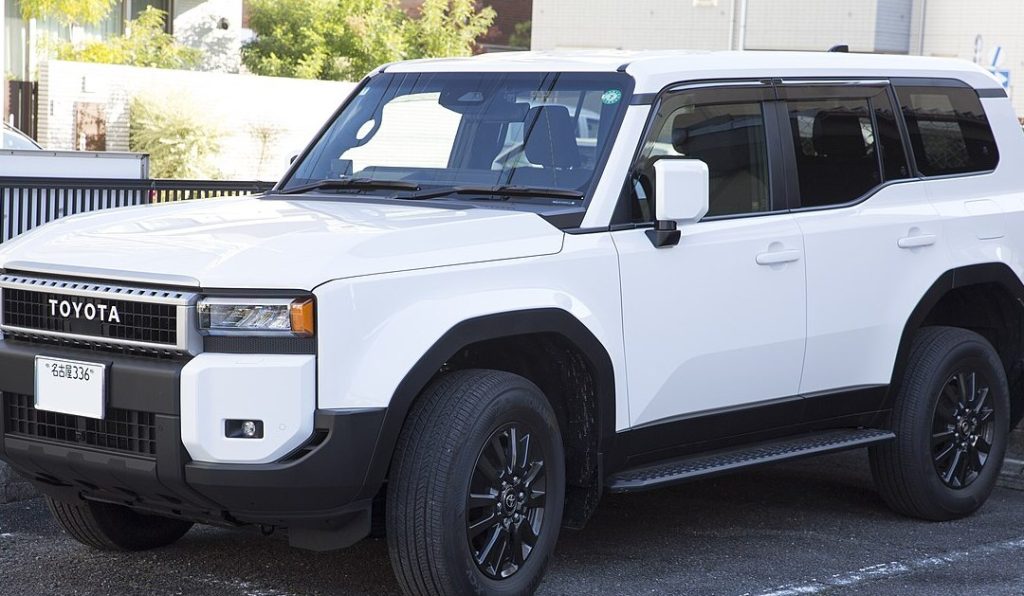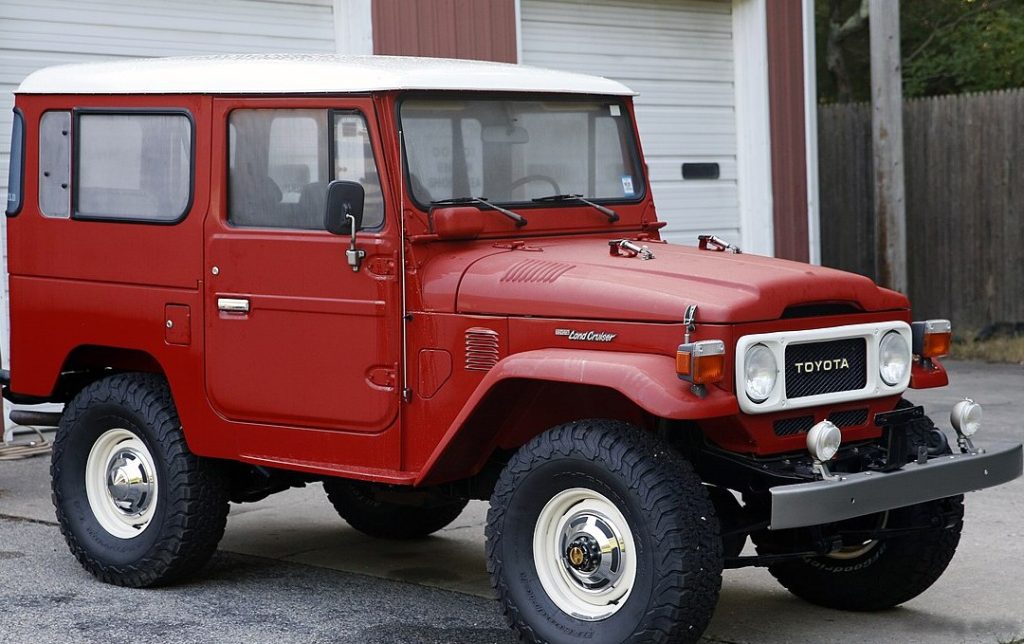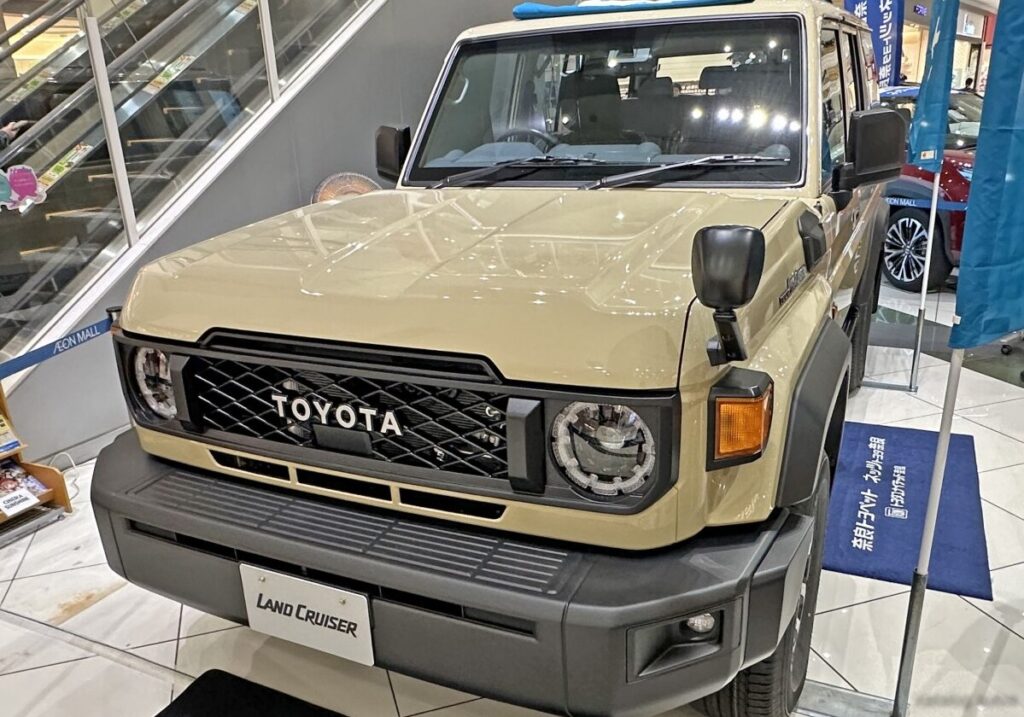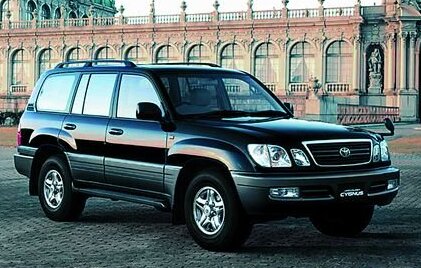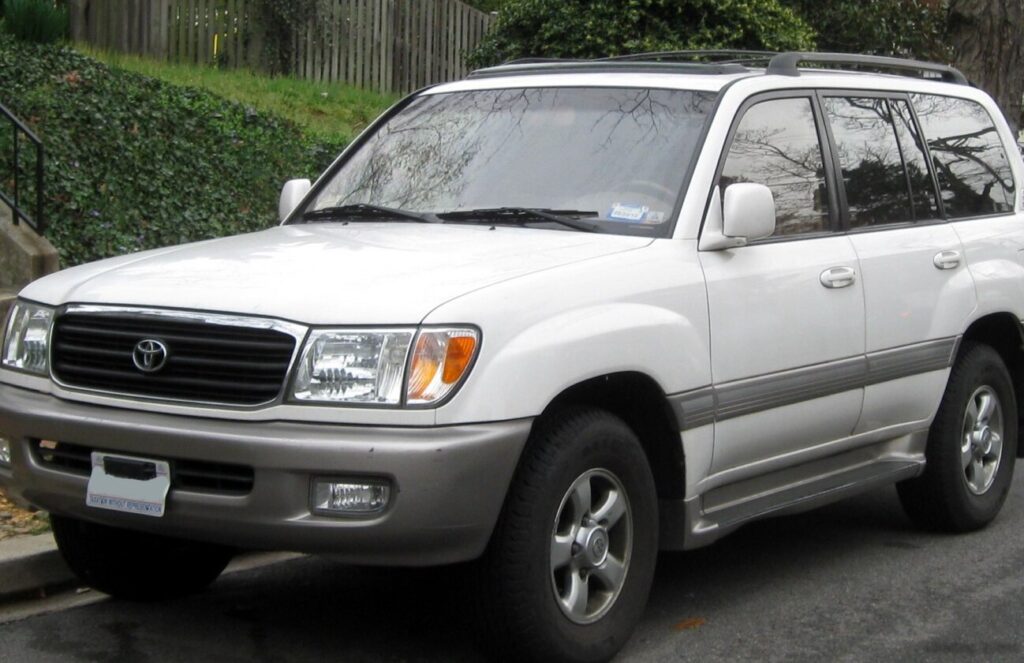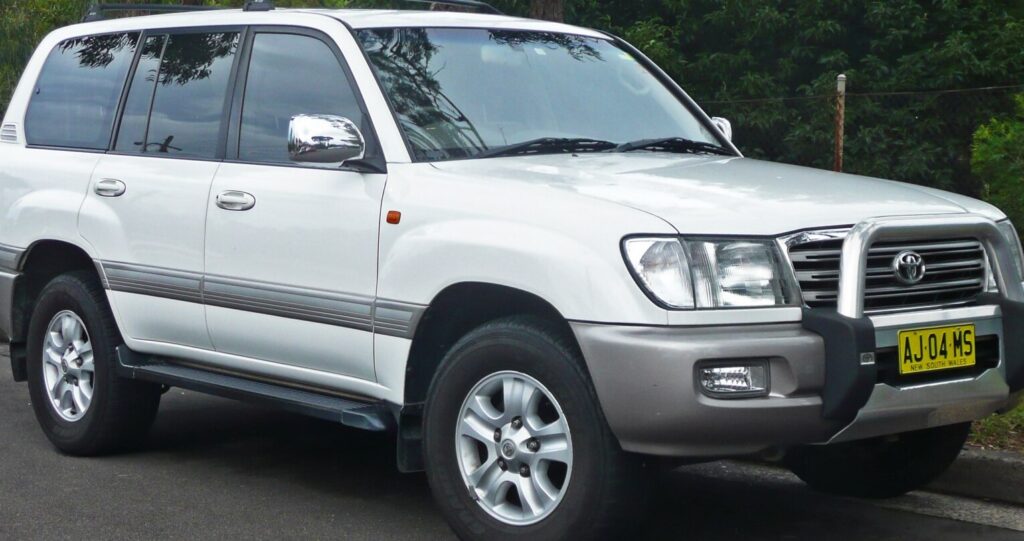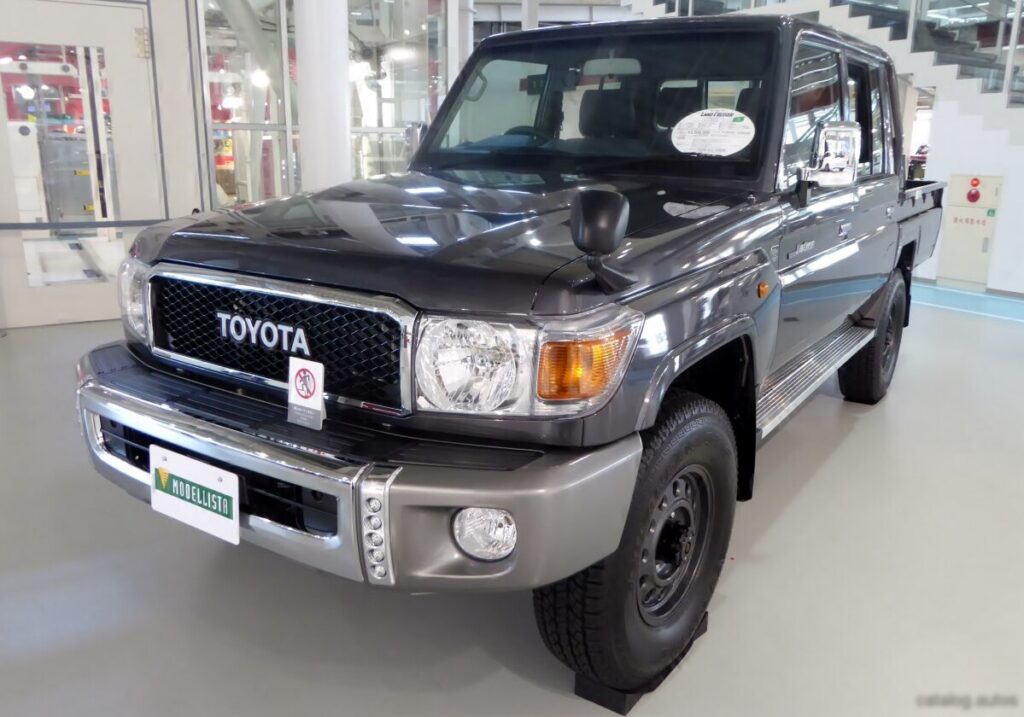
The Toyota Land Cruiser J79, specifically the 4.2 D 24V (128 hp) 4WD variant, represents a continuation of Toyota’s legendary off-road capability, tailored for markets demanding ruggedness and reliability over outright luxury. Production of this configuration began in 2012 and continues in select regions, primarily serving areas where challenging terrain and durability are paramount. The J79 series, unlike the more comfort-oriented Land Cruiser Prado and Land Cruiser 300, maintains a body-on-frame construction and a utilitarian focus, harking back to the original Land Cruiser ethos. This particular diesel variant occupies a position as a workhorse within the J79 lineup, offering a balance of torque and fuel efficiency for demanding applications. It’s primarily sold in Australia, parts of Africa, the Middle East, and South America.
Technical Specifications
| Brand | Toyota |
| Model | Land Cruiser |
| Generation | Land Cruiser (J79) |
| Type (Engine) | 4.2 D 24V (128 Hp) 4WD |
| Start of production | 2012 |
| Powertrain Architecture | Internal Combustion engine |
| Body type | Pick-up |
| Seats | 5 |
| Doors | 4 |
| Fuel consumption (combined) | 12.2 l/100 km (19.3 US mpg, 23.2 UK mpg, 8.2 km/l) |
| CO2 emissions | 320 g/km |
| Fuel Type | Diesel |
| Maximum speed | 150 km/h (93.21 mph) |
| Weight-to-power ratio | 19.3 kg/Hp, 51.8 Hp/tonne |
| Weight-to-torque ratio | 8.8 kg/Nm, 113.4 Nm/tonne |
| Power | 128 Hp @ 3800 rpm |
| Power per litre | 30.7 Hp/l |
| Torque | 280 Nm @ 2200 rpm (206.52 lb.-ft. @ 2200 rpm) |
| Engine layout | Front, Longitudinal |
| Engine Model/Code | 1HZ |
| Engine displacement | 4164 cm3 (254.1 cu. in.) |
| Number of cylinders | 6 |
| Engine configuration | Inline |
| Cylinder Bore | 94 mm (3.7 in.) |
| Piston Stroke | 100 mm (3.94 in.) |
| Compression ratio | 22.4:1 |
| Number of valves per cylinder | 2 |
| Fuel injection system | Precombustion chamber injection |
| Engine aspiration | Naturally aspirated engine |
| Valvetrain | SOHC |
| Engine oil capacity | 9.3 l (9.83 US qt | 8.18 UK qt) |
| Kerb Weight | 2470 kg (5445.42 lbs.) |
| Max. weight | 3200 kg (7054.79 lbs.) |
| Max load | 730 kg (1609.37 lbs.) |
| Fuel tank capacity | 130 l (34.34 US gal | 28.6 UK gal) |
| Permitted trailer load with brakes (12%) | 1500 kg (3306.93 lbs.) |
| Permitted trailer load without brakes | 750 kg (1653.47 lbs.) |
| Length | 5095 mm (200.59 in.) |
| Width | 1870 mm (73.62 in.) |
| Height | 1955 mm (76.97 in.) |
| Wheelbase | 3180 mm (125.2 in.) |
| Front track | 1555 mm (61.22 in.) |
| Rear (Back) track | 1460 mm (57.48 in.) |
| Front overhang | 710 mm (27.95 in.) |
| Rear overhang | 1205 mm (47.44 in.) |
| Ride height (ground clearance) | 235 mm (9.25 in.) |
| Minimum turning circle (turning diameter) | 12.6 m (41.34 ft.) |
| Approach angle | 36° |
| Departure angle | 27° |
| Drivetrain Architecture | The Internal combustion engine (ICE) drives the rear wheels permanently, and the front wheels are driven through an electrically or mechanically operated clutch if necessary. |
| Drive wheel | All wheel drive (4×4) |
| Number of gears and type of gearbox | 5 gears, manual transmission |
| Front suspension | Dependent spring suspension with anti-roll bar |
| Rear suspension | Rigid axle suspension, Leaf spring |
| Front brakes | Ventilated discs |
| Rear brakes | Drum |
| Assisting systems | ABS (Anti-lock braking system) |
| Power steering | Hydraulic Steering |
| Tires size | 265/70 R16 |
Powertrain & Engine Architecture
The heart of this Land Cruiser variant is the 1HZ engine, a 4.2-liter inline-six diesel. This engine is renowned for its incredible longevity and simplicity. The 1HZ utilizes a precombustion chamber injection system, a design choice that contributes to its robustness and ability to run on lower-quality fuel. Unlike modern common-rail diesels, the 1HZ relies on mechanical injection, making it less sensitive to fuel contamination. The single overhead camshaft (SOHC) valvetrain further simplifies the engine’s design. The 128 horsepower and 280 Nm (206 lb-ft) of torque are delivered at relatively low engine speeds, prioritizing usability and pulling power over outright performance. The engine is longitudinally mounted, driving power through a robust five-speed manual transmission to a full-time four-wheel-drive system. The transfer case allows for selection between high and low range, essential for serious off-road work.
Driving Characteristics
The 4.2 D 24V’s driving experience is defined by its torque and durability, not speed. Acceleration is modest, and the engine is happiest working within its narrow powerband. The five-speed manual transmission is well-matched to the engine’s characteristics, providing adequate gear spacing for both on-road cruising and off-road crawling. Compared to higher-output Land Cruiser variants, such as those equipped with more modern diesel engines, this version feels significantly slower. However, it offers a more direct and engaging driving experience for those who prefer a manual gearbox. The focus is on maintaining momentum and utilizing the engine’s torque to overcome obstacles, rather than relying on high horsepower. The relatively simple drivetrain and robust suspension contribute to a comfortable, if somewhat agricultural, ride quality.
Equipment & Trim Levels
The J79 4.2 D 24V typically features a utilitarian interior focused on functionality. Standard equipment generally includes air conditioning, basic instrumentation, and durable vinyl or cloth upholstery. Power windows and central locking are often included, but luxury features are minimal. The emphasis is on providing a practical and hard-wearing cabin that can withstand harsh conditions. Optional extras, depending on the market, could include a winch, upgraded audio systems, and additional protective equipment like bull bars and underbody protection. The pick-up body style is standard, offering a versatile cargo bed for carrying tools, equipment, or supplies.
Chassis & Braking
The Land Cruiser J79 utilizes a traditional body-on-frame construction, providing exceptional strength and durability. The suspension consists of a dependent spring setup with an anti-roll bar at the front and a rigid axle with leaf springs at the rear. This configuration is designed to handle heavy loads and absorb significant impacts off-road. Braking is accomplished via ventilated discs at the front and drum brakes at the rear. While adequate for the vehicle’s weight and intended use, the braking system is not particularly sophisticated. ABS (Anti-lock Braking System) is typically included as standard equipment, enhancing safety during emergency braking situations. Hydraulic power steering assists with maneuverability, particularly at low speeds.
Market Reception & Comparison
The J79 4.2 D 24V has earned a reputation as an incredibly reliable and capable workhorse. Critics generally praise its durability, off-road prowess, and ability to withstand abuse. However, it is often criticized for its relatively low power output, basic interior, and poor fuel economy (12.2 l/100km). Compared to other Land Cruiser variants, such as those with more modern diesel engines, this version offers a lower price point and a simpler mechanical design. It appeals to buyers who prioritize reliability and functionality over comfort and performance. Against competitors like the Nissan Patrol, the Land Cruiser J79 is often seen as the more robust and durable option, albeit at the expense of refinement.
Legacy
The 1HZ engine, and the J79 Land Cruiser as a whole, has achieved legendary status for its longevity and reliability. These vehicles are known to accumulate hundreds of thousands of kilometers with minimal maintenance, making them highly sought after in the used car market. While modern Land Cruisers offer more advanced technology and features, the J79 4.2 D 24V remains a popular choice for those who need a dependable and capable off-road vehicle. Its simple mechanical design makes it relatively easy to maintain and repair, even in remote locations. The continued production of this variant demonstrates Toyota’s commitment to providing a rugged and reliable vehicle for markets where durability is paramount.