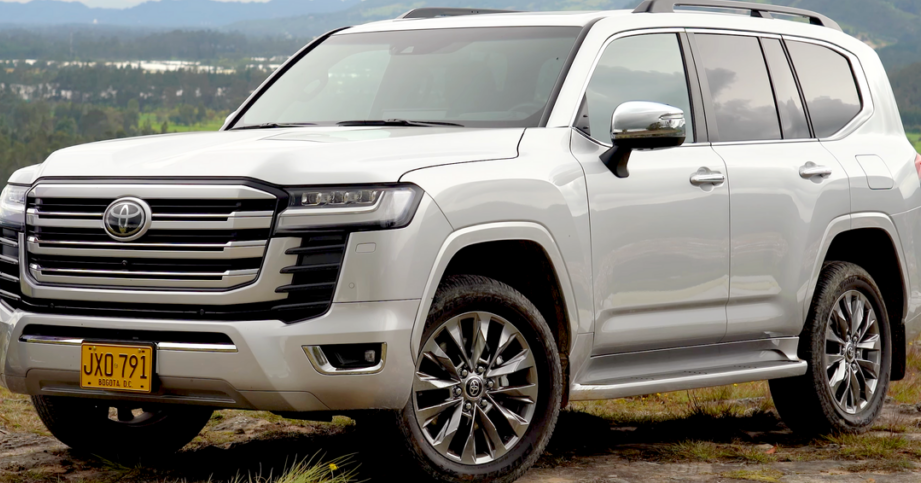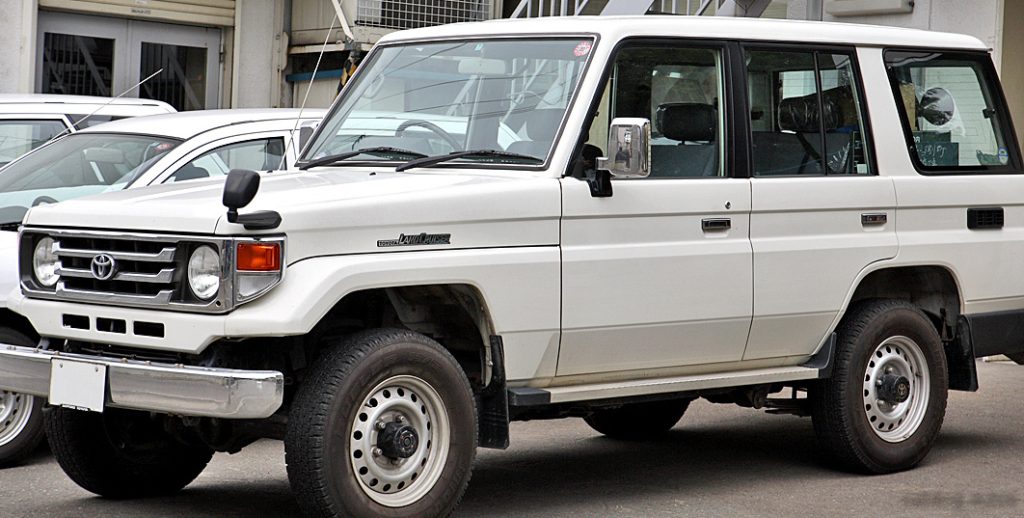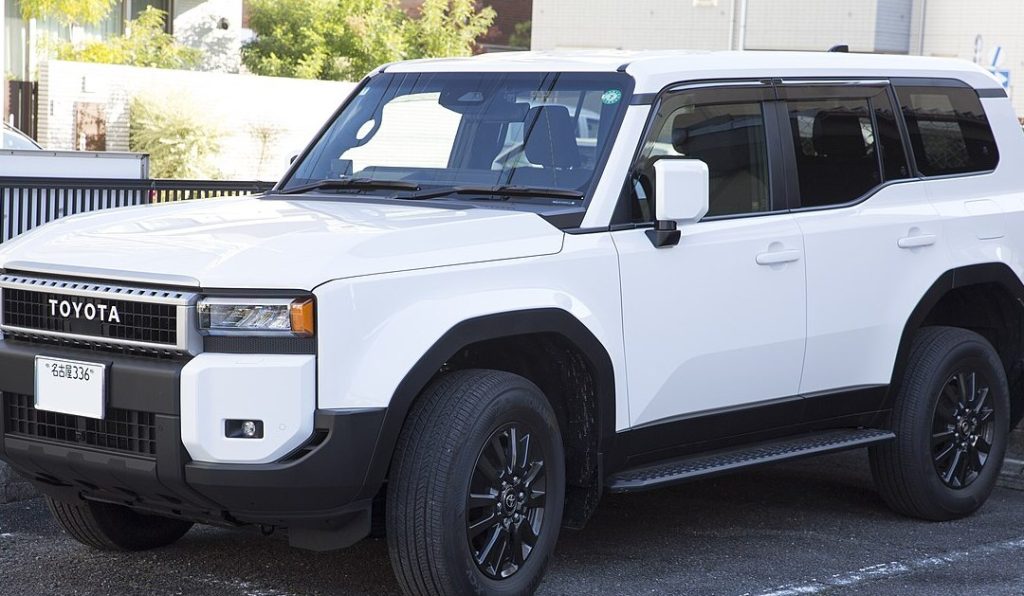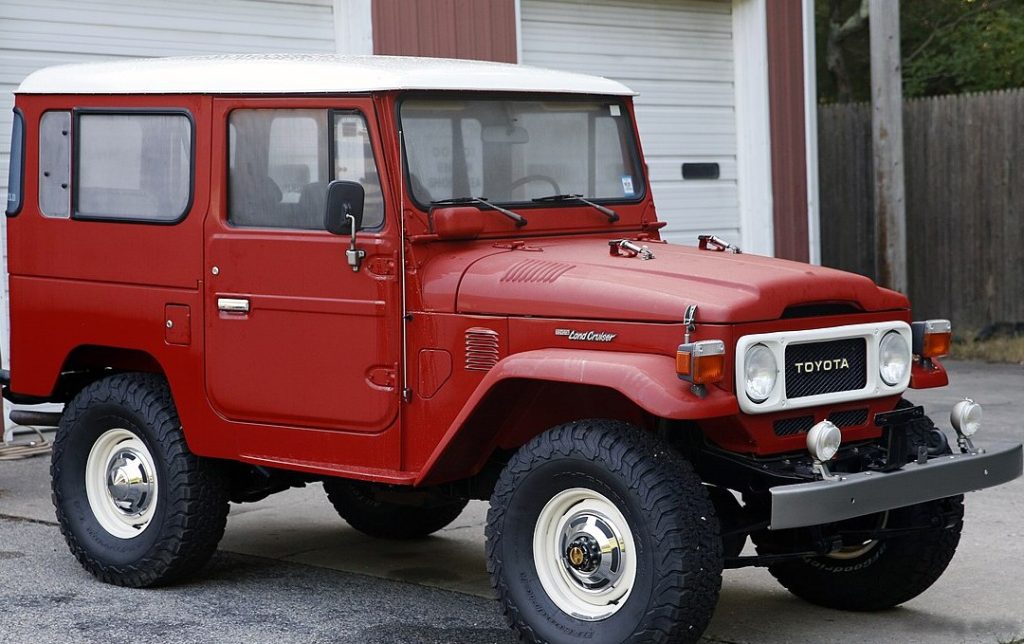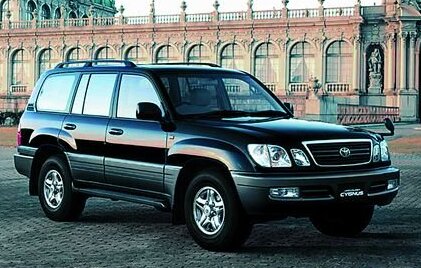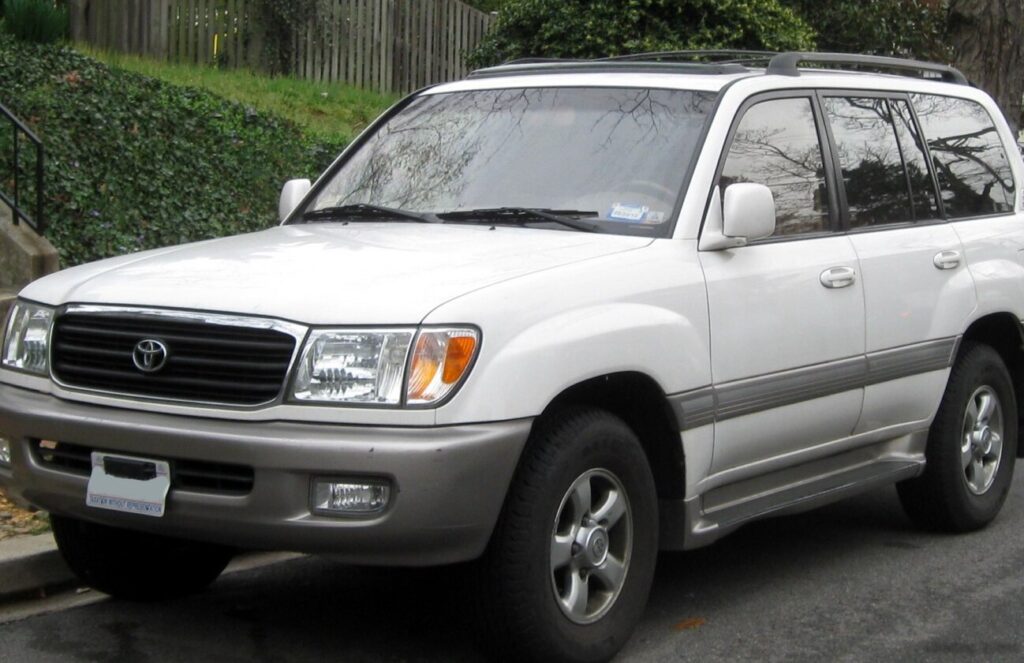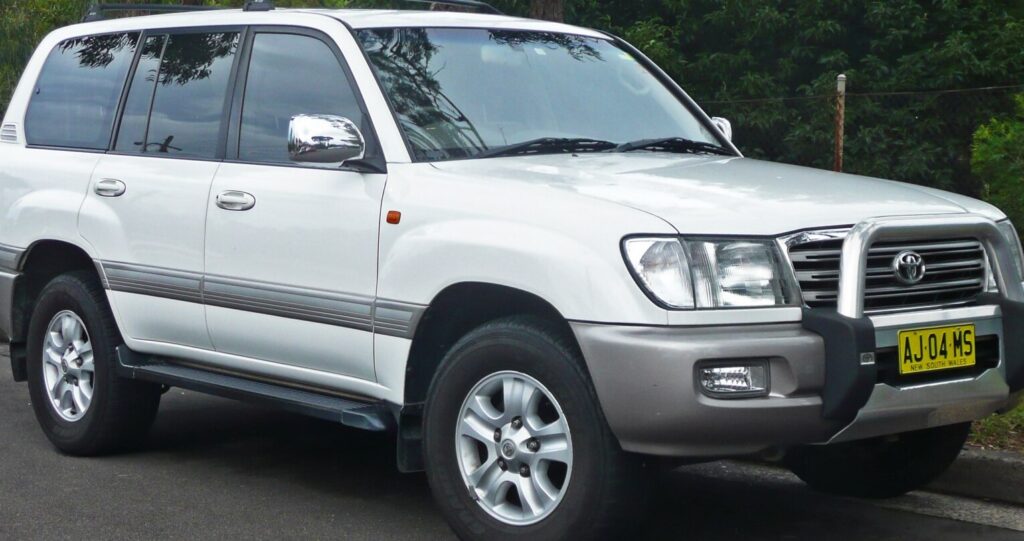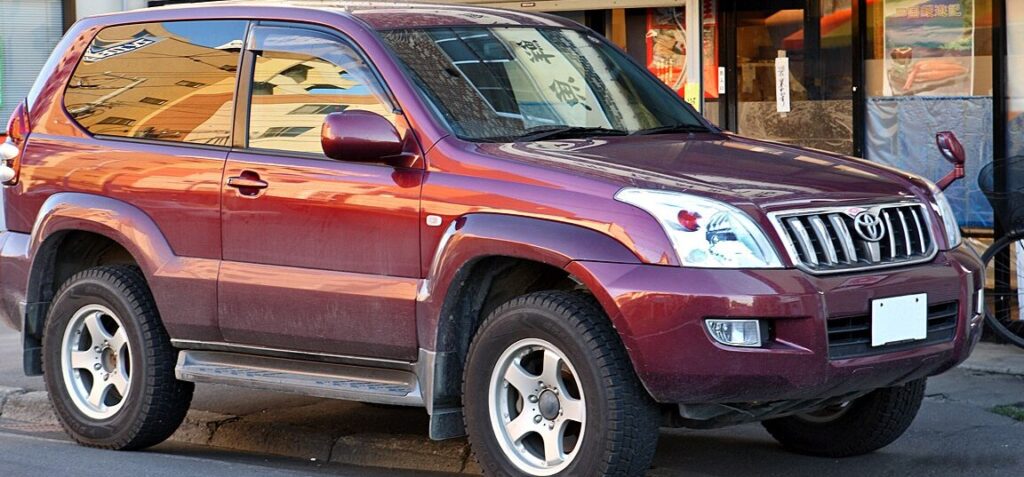
The Toyota Land Cruiser Prado J125, produced from 2002 to 2009, represented a significant evolution in Toyota’s long-standing tradition of robust, capable off-road vehicles. The 2.7 i 16V (150 Hp) 4WD ECT-E variant, manufactured between 2002 and 2004, served as an entry-level offering in many markets, particularly those where larger engines faced higher taxation or where a more economical option was desired. This model occupied a unique position, balancing Land Cruiser durability with a more accessible price point and fuel consumption. It was primarily sold in regions outside of North America, where the Prado was not officially offered during this generation.
Technical Specifications
| Brand | Toyota |
| Model | Land Cruiser Prado |
| Generation | Land Cruiser Prado (J125) |
| Type (Engine) | 2.7 i 16V (150 Hp) 4WD ECT-E |
| Start of production | 2002 |
| End of production | 2004 |
| Powertrain Architecture | Internal Combustion engine |
| Body type | SUV |
| Seats | 5 |
| Doors | 3 |
| Fuel Type | Petrol (Gasoline) |
| Weight-to-power ratio | 11.9 kg/Hp |
| Power | 150 Hp @ 4800 rpm |
| Power per litre | 55.7 Hp/l |
| Torque | 235 Nm @ 4000 rpm (173.33 lb.-ft. @ 4000 rpm) |
| Engine layout | Front, Longitudinal |
| Engine Model/Code | 3RZ-FE |
| Engine displacement | 2693 cm3 (164.34 cu. in.) |
| Number of cylinders | 4 |
| Engine configuration | Inline |
| Cylinder Bore | 95 mm (3.74 in.) |
| Piston Stroke | 95 mm (3.74 in.) |
| Compression ratio | 9.5:1 |
| Number of valves per cylinder | 4 |
| Fuel injection system | Multi-port manifold injection |
| Engine aspiration | Naturally aspirated engine |
| Valvetrain | DOHC |
| Engine oil capacity | 5.8 l (6.13 US qt | 5.1 UK qt) |
| Coolant capacity | 7.1 l (7.5 US qt | 6.25 UK qt) |
| Kerb Weight | 1790 kg (3946.27 lbs.) |
| Max. weight | 2065 kg (4552.55 lbs.) |
| Max load | 275 kg (606.27 lbs.) |
| Fuel tank capacity | 87 l (22.98 US gal | 19.14 UK gal) |
| Length | 4340 mm (170.87 in.) |
| Width | 1875 mm (73.82 in.) |
| Height | 1870 mm (73.62 in.) |
| Wheelbase | 2455 mm (96.65 in.) |
| Front track | 1575 mm (62.01 in.) |
| Rear track | 1575 mm (62.01 in.) |
| Ride height (ground clearance) | 220 mm (8.66 in.) |
| Minimum turning circle | 10.2 m (33.46 ft.) |
| Approach angle | 33° |
| Departure angle | 31° |
| Ramp-over angle | 26° |
| Wading depth | 700 mm (27.56 in.) |
| Drivetrain Architecture | All wheel drive (4×4) |
| Number of gears | 4 |
| Gearbox type | Automatic transmission ECT-E |
| Front suspension | Double wishbone |
| Rear suspension | Rigid axle suspension, Coil spring |
| Front brakes | Ventilated discs |
| Rear brakes | Ventilated discs |
| Assisting systems | ABS (Anti-lock braking system) |
| Steering type | Steering rack and pinion |
| Tires size | 265/65 R17 |
| Wheel rims size | 7.5J x 17 |
Powertrain & Engine Architecture
The heart of the J125 2.7 i is the 3RZ-FE engine, a 2.7-liter inline-four cylinder gasoline engine. This engine is known for its durability and relative simplicity. The 3RZ-FE utilizes a multi-port fuel injection system, delivering fuel directly into the intake ports, and a double overhead camshaft (DOHC) valvetrain for improved breathing and efficiency. The engine’s 9.5:1 compression ratio strikes a balance between power and fuel economy. Paired with this engine is a four-speed automatic transmission, designated ECT-E (Electronically Controlled Transmission – Electronic). This transmission was chosen for its ease of use and suitability for a wider range of drivers, particularly in markets where manual transmissions were less common. The ECT-E transmission featured adaptive shifting, adjusting to driving conditions and driver input.
Driving Characteristics
The 150 horsepower and 235 Nm (173 lb-ft) of torque produced by the 2.7-liter engine, combined with the four-speed automatic, resulted in a driving experience focused on practicality rather than outright performance. Acceleration was adequate for everyday driving, but not particularly brisk. The automatic transmission, while smooth, lacked the responsiveness of a manual gearbox, and the limited number of gears meant the engine often operated at higher RPMs during highway cruising. Compared to the more powerful 4.0-liter V6 options available on the Prado J125, the 2.7-liter felt noticeably less potent, especially when fully loaded or tackling steep inclines. However, the lower engine weight contributed to better fuel economy and improved handling on paved roads.
Equipment & Trim Levels
The 2.7 i 16V typically represented the base trim level for the Prado J125. Standard equipment generally included air conditioning, power windows, power door locks, and a basic audio system. Interior upholstery was typically cloth, and the dashboard featured a functional, if somewhat spartan, design. Optional extras often included alloy wheels, a sunroof, upgraded audio systems, and rear parking sensors. The emphasis was on providing a comfortable and reliable vehicle at a competitive price point, rather than offering a luxurious experience.
Chassis & Braking
The Prado J125 featured a robust body-on-frame construction, providing excellent durability and off-road capability. The 2.7-liter variant utilized a double wishbone suspension setup at the front and a rigid axle suspension with coil springs at the rear. Braking duties were handled by ventilated disc brakes on all four wheels, supplemented by an Anti-lock Braking System (ABS) for improved stopping power and control. The suspension was tuned to provide a comfortable ride on paved roads while still maintaining reasonable off-road performance. The relatively lighter engine compared to the V6 models meant the suspension could be tuned slightly softer, enhancing ride comfort.
Market Reception & Comparison
The 2.7-liter Prado J125 was generally well-received in markets where fuel economy and affordability were key considerations. Critics acknowledged its durability and off-road capability, but often noted its lack of outright performance compared to the higher-spec models. Compared to the 4.0-liter V6 versions, the 2.7-liter offered significantly better fuel economy, making it a more attractive option for daily commuting and long-distance travel. Reliability was a strong point, with the 3RZ-FE engine proving to be exceptionally durable and relatively inexpensive to maintain.
Legacy
The Toyota Land Cruiser Prado J125 2.7 i 16V 4WD ECT-E has proven to be a remarkably durable and reliable vehicle. In the used car market, these models are often sought after for their affordability and reputation for longevity. The 3RZ-FE engine is known for its ability to withstand high mileage with proper maintenance. While not as desirable as the more powerful V6 variants, the 2.7-liter Prado J125 remains a capable and dependable off-road vehicle, offering a compelling combination of practicality, durability, and affordability. Parts availability remains good, and the relatively simple mechanical design makes it a popular choice for owners who prefer to perform their own maintenance and repairs.