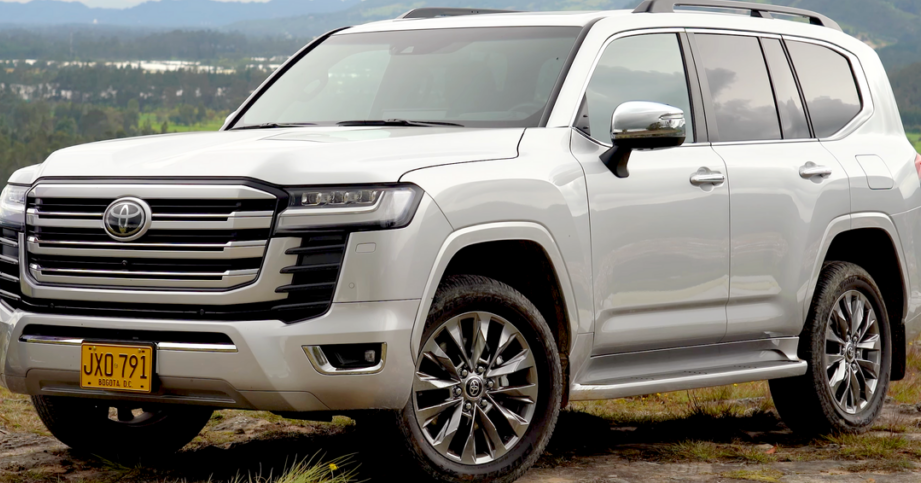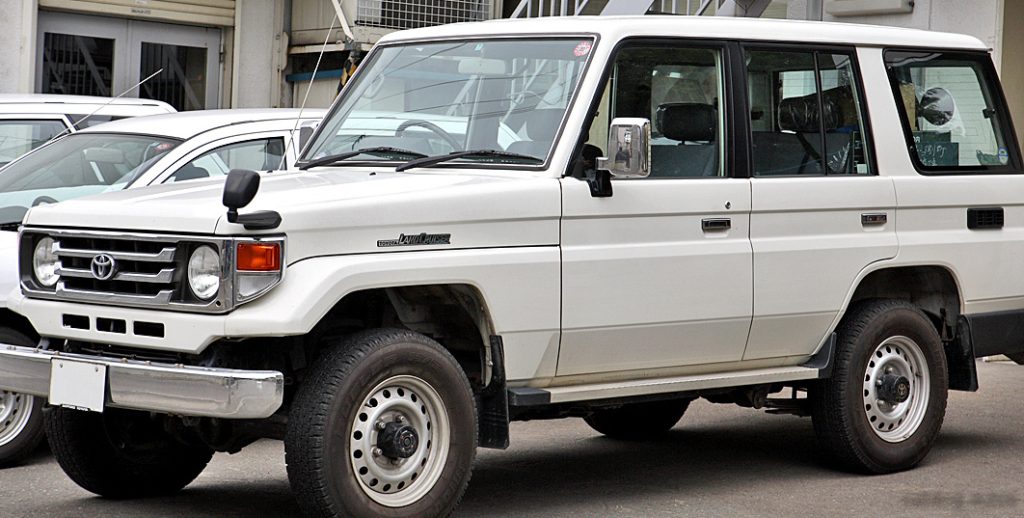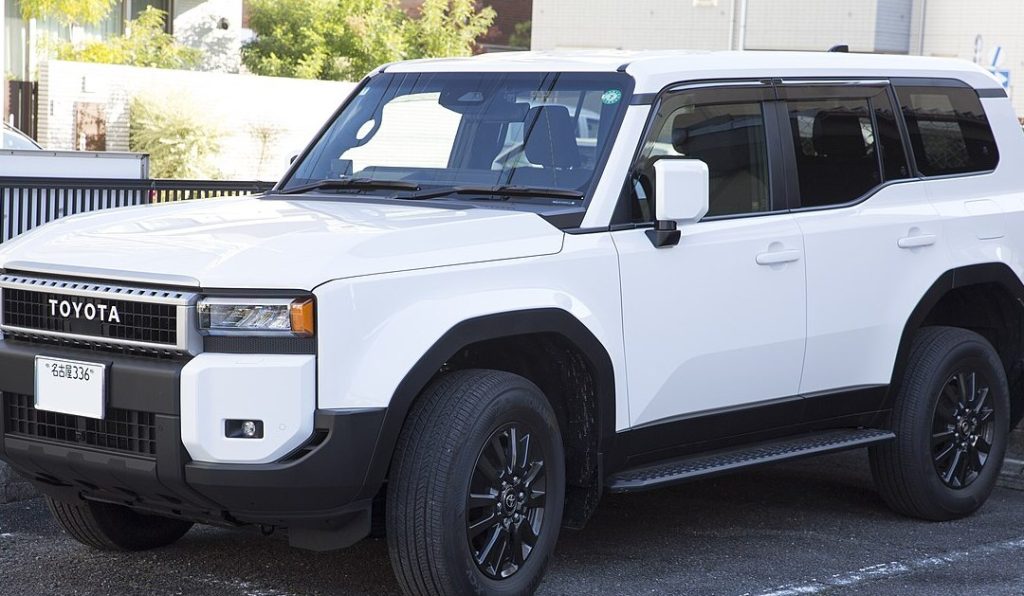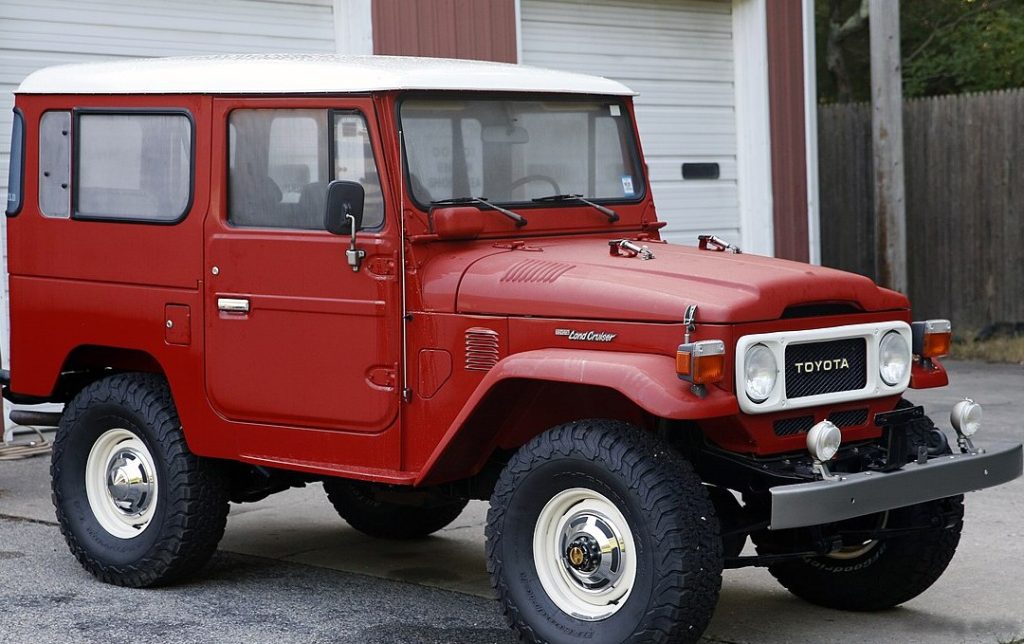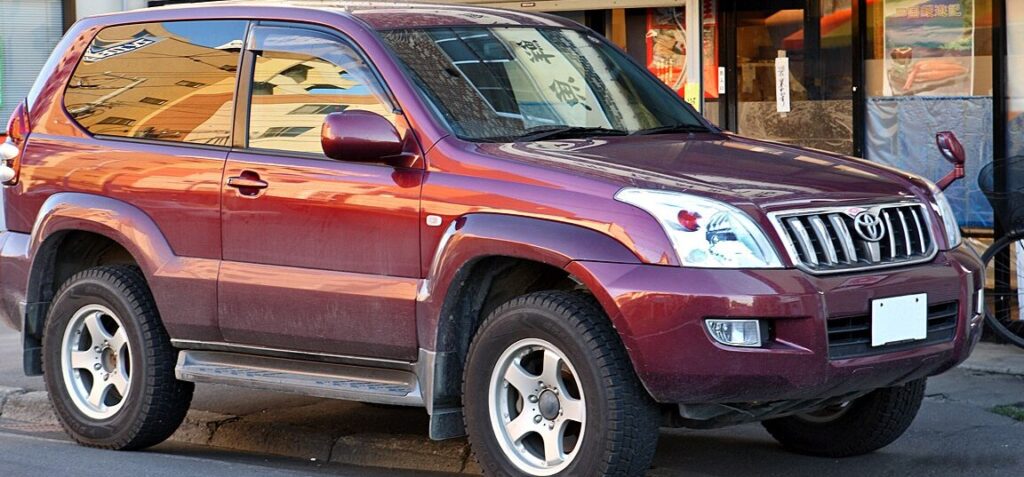
The Toyota Land Cruiser Prado J125, produced from 2004 to 2009, represented a significant evolution in Toyota’s long-standing tradition of robust, capable off-road vehicles. The 3.0 D-4D variant, equipped with a 170 horsepower turbodiesel engine and a four-speed automatic transmission (ECT-E), was a popular choice, particularly in European and Asian markets where diesel fuel was more prevalent and off-road capability was highly valued. This model aimed to balance fuel efficiency with the Prado’s renowned durability and four-wheel-drive performance. It sat in the mid-range of the J125 lineup, offering a step up in refinement and power compared to the base models, but remaining more accessible than the larger, more luxurious engine options.
Technical Specifications
| Brand | Toyota |
| Model | Land Cruiser Prado |
| Generation | Land Cruiser Prado (J125) |
| Type (Engine) | 3.0 D-4D (170 Hp) 4WD ECT-E |
| Start of production | 2004 |
| End of production | 2007 |
| Powertrain Architecture | Internal Combustion engine |
| Body type | SUV |
| Seats | 5 |
| Doors | 3 |
| Fuel consumption (urban) | 11.5 l/100 km (20.5 US mpg) |
| Fuel consumption (extra urban) | 8.1 l/100 km (29 US mpg) |
| Fuel Type | Diesel |
| Acceleration 0 – 100 km/h | 12.7 sec |
| Acceleration 0 – 62 mph | 12.7 sec |
| Acceleration 0 – 60 mph | 12.1 sec |
| Maximum speed | 165 km/h (102.53 mph) |
| Weight-to-power ratio | 11.2 kg/Hp |
| Weight-to-torque ratio | 5.4 kg/Nm |
| Power | 170 Hp @ 3400 rpm |
| Torque | 352 Nm @ 1400-3400 rpm (259.62 lb.-ft. @ 1400-3400 rpm) |
| Engine layout | Front, Longitudinal |
| Engine Model/Code | 1KD-FTV |
| Engine displacement | 2982 cm3 (181.97 cu. in.) |
| Number of cylinders | 4 |
| Engine configuration | Inline |
| Cylinder Bore | 96 mm (3.78 in.) |
| Piston Stroke | 103 mm (4.06 in.) |
| Compression ratio | 17.9:1 |
| Number of valves per cylinder | 4 |
| Fuel injection system | Diesel Commonrail |
| Engine aspiration | Turbocharger, Intercooler |
| Valvetrain | DOHC |
| Engine oil capacity | 7.4 l (7.82 US qt | 6.51 UK qt) |
| Coolant capacity | 10.8 l (11.41 US qt | 9.5 UK qt) |
| Kerb Weight | 1900-1910 kg (4188.78 – 4210.83 lbs.) |
| Max. weight | 2175 kg (4795.05 lbs.) |
| Max load | 265-275 kg (584.22 – 606.27 lbs.) |
| Trunk (boot) space – minimum | 403 l (14.23 cu. ft.) |
| Trunk (boot) space – maximum | 1150 l (40.61 cu. ft.) |
| Fuel tank capacity | 87 l (22.98 US gal | 19.14 UK gal) |
| Length | 4365 mm (171.85 in.) |
| Width | 1875 mm (73.82 in.) |
| Height | 1870 mm (73.62 in.) |
| Wheelbase | 2455 mm (96.65 in.) |
| Front track | 1575 mm (62.01 in.) |
| Rear track | 1575 mm (62.01 in.) |
| Ride height (ground clearance) | 215 mm (8.46 in.) |
| Minimum turning circle | 10.4 m (34.12 ft.) |
| Approach angle | 33° |
| Departure angle | 31° |
| Ramp-over angle | 26° |
| Drivetrain Architecture | All wheel drive (4×4) |
| Number of gears | 4 |
| Gearbox type | automatic transmission ECT-E |
| Front suspension | Double wishbone |
| Rear suspension | Rigid axle suspension, Coil spring |
| Front brakes | Ventilated discs |
| Rear brakes | Ventilated discs |
| Assisting systems | ABS (Anti-lock braking system) |
| Steering type | Steering rack and pinion |
| Tires size | 265/65 R17 |
| Wheel rims size | 7.5J x 17 |
Powertrain & Engine Architecture
The heart of this Prado variant is the 1KD-FTV engine, a 3.0-liter inline-four cylinder diesel. This engine is a member of Toyota’s D-4D family, known for its reliability and fuel efficiency. The 1KD-FTV utilizes a common rail direct injection system, delivering fuel at extremely high pressure for improved combustion and reduced emissions. A turbocharger with an intercooler further enhances performance, boosting power output to 170 horsepower and 352 Nm (259.62 lb.-ft.) of torque. The engine features a double overhead camshaft (DOHC) valvetrain with four valves per cylinder, optimizing airflow for increased power and efficiency. The ECT-E automatic transmission is a four-speed unit designed to provide smooth shifting and adequate power delivery for both on-road and off-road driving. While not as sophisticated as modern transmissions with more gears, it was considered reliable and well-suited to the engine’s torque characteristics.
Driving Characteristics
The 170 hp 3.0 D-4D with the automatic transmission offered a comfortable and capable driving experience. Acceleration was adequate, with a 0-60 mph time of around 12.1 seconds, but it wasn’t particularly sporty. The automatic transmission prioritized smooth shifts over aggressive acceleration. Compared to the manual transmission versions of the same engine, the automatic felt slightly less responsive. The torque, readily available from 1400 rpm, made it well-suited for towing and off-road driving. The Prado’s four-wheel-drive system, combined with the engine’s torque, allowed it to tackle challenging terrain with confidence. The automatic transmission, while convenient, did slightly diminish fuel economy compared to the manual version.
Equipment & Trim Levels
The 3.0 D-4D automatic Prado typically came equipped with features such as air conditioning, power windows, power locks, and an audio system. Higher trim levels added features like leather upholstery, sunroof, and upgraded audio systems. Safety features included ABS brakes and, depending on the market, airbags. The interior was generally functional and durable, prioritizing practicality over luxury. Optional extras included a rear differential lock, a winch, and various off-road accessories.
Chassis & Braking
The J125 Prado utilized a body-on-frame construction, providing excellent durability and off-road capability. The front suspension featured a double wishbone design, while the rear suspension employed a rigid axle with coil springs. This setup provided a good balance between ride comfort and off-road performance. Braking duties were handled by ventilated disc brakes on all four wheels, providing adequate stopping power for the vehicle’s weight. ABS was standard, enhancing braking performance in slippery conditions.
Market Reception & Comparison
The 3.0 D-4D automatic Prado was well-received in markets where diesel engines were popular. Critics praised its reliability, fuel efficiency, and off-road capability. Compared to the 2.7-liter gasoline engine option, the diesel offered significantly more torque and better fuel economy. However, it was generally considered less refined and slightly noisier. Compared to the more powerful 4.0-liter gasoline engine, the 3.0 D-4D offered a more economical option, but with less overall performance. The automatic transmission was often criticized for being somewhat dated compared to newer automatic transmissions with more gears.
Legacy
The 1KD-FTV engine has proven to be exceptionally durable and reliable, with many examples exceeding 200,000 miles with proper maintenance. The Prado J125, particularly the 3.0 D-4D variant, has maintained a strong reputation for reliability and off-road capability in the used car market. These vehicles are still highly sought after by those looking for a robust and dependable SUV. Common maintenance issues include turbocharger wear and potential injector problems, but these are generally manageable with regular servicing. The Prado J125 remains a popular choice for overlanding and off-road enthusiasts due to its proven track record and readily available parts.