Technical Specifications
| Brand | Toyota |
| Model | Land Cruiser Prado |
| Generation | Land Cruiser Prado (J150) 5-door |
| Type (Engine) | 3.0 D-4D (173 Hp) 4WD Automatic |
| Start of production | 2009 |
| End of production | 2013 |
| Powertrain Architecture | Internal Combustion engine |
| Body type | SUV |
| Seats | 7 |
| Doors | 5 |
| Fuel consumption (urban) | 10.2-10.4 l/100 km (23.1 – 22.6 US mpg) |
| Fuel consumption (extra urban) | 6.6-6.7 l/100 km (35.6 – 35.1 US mpg) |
| Fuel consumption (combined) | 8-8.1 l/100 km (29.4 – 29 US mpg) |
| CO2 emissions | 210-214 g/km |
| Fuel Type | Diesel |
| Acceleration 0 – 100 km/h | 11.7 sec |
| Acceleration 0 – 62 mph | 11.7 sec |
| Acceleration 0 – 60 mph | 11.1 sec |
| Maximum speed | 175 km/h (108.74 mph) |
| Emission standard | Euro 4 |
| Weight-to-power ratio | 12.5 kg/Hp |
| Weight-to-torque ratio | 5.3 kg/Nm |
| Power | 173 Hp @ 3400 rpm |
| Torque | 410 Nm @ 1600-2800 rpm (302.4 lb.-ft. @ 1600-2800 rpm) |
| Engine layout | Front, Longitudinal |
| Engine Model/Code | 5L-E |
| Engine displacement | 2982 cm3 (181.97 cu. in.) |
| Number of cylinders | 4 |
| Engine configuration | Inline |
| Cylinder Bore | 96 mm (3.78 in.) |
| Piston Stroke | 103 mm (4.06 in.) |
| Compression ratio | 17.9:1 |
| Number of valves per cylinder | 4 |
| Fuel injection system | Diesel Commonrail |
| Engine aspiration | Turbocharger, Intercooler |
| Valvetrain | DOHC |
| Engine oil capacity | 6.9 l (7.29 US qt | 6.07 UK qt) |
| Coolant | 8.6 l (9.09 US qt | 7.57 UK qt) |
| Kerb Weight | 2165 kg (4773.01 lbs.) |
| Max. weight | 2990 kg (6591.82 lbs.) |
| Max load | 825 kg (1818.81 lbs.) |
| Trunk (boot) space – minimum | 104 l (3.67 cu. ft.) |
| Trunk (boot) space – maximum | 1934 l (68.3 cu. ft.) |
| Fuel tank capacity | 87 l (22.98 US gal | 19.14 UK gal) |
| Max. roof load | 80 kg (176.37 lbs.) |
| Permitted trailer load with brakes (12%) | 3000 kg (6613.87 lbs.) |
| Permitted trailer load without brakes | 750 kg (1653.47 lbs.) |
| Permitted towbar download | 120 kg (264.55 lbs.) |
| Length | 4760 mm (187.4 in.) |
| Width | 1885 mm (74.21 in.) |
| Width including mirrors | 2185 mm (86.02 in.) |
| Height | 1890 mm (74.41 in.) |
| Wheelbase | 2790 mm (109.84 in.) |
| Front track | 1605 mm (63.19 in.) |
| Rear (Back) track | 1605 mm (63.19 in.) |
| Ride height (ground clearance) | 215 mm (8.46 in.) |
| Minimum turning circle | 11.8 m (38.71 ft.) |
| Approach angle | 32° |
| Departure angle | 25° |
| Ramp-over angle | 22° |
| Climb angle | 42° |
| Wading depth | 700 mm (27.56 in.) |
| Drivetrain Architecture | All wheel drive (4×4) |
| Number of gears | 5 |
| Type of gearbox | automatic transmission |
| Front suspension | Coil spring, Double wishbone, Transverse stabilizer |
| Rear suspension | Rigid axle suspension, Coil spring |
| Front brakes | Ventilated discs |
| Rear brakes | Ventilated discs |
| Assisting systems | ABS (Anti-lock braking system) |
| Steering type | Steering rack and pinion |
| Tires size | 245/70 R17; 265/60 R18 |
| Wheel rims size | 6.5J x 17; 7.5J x 18 |
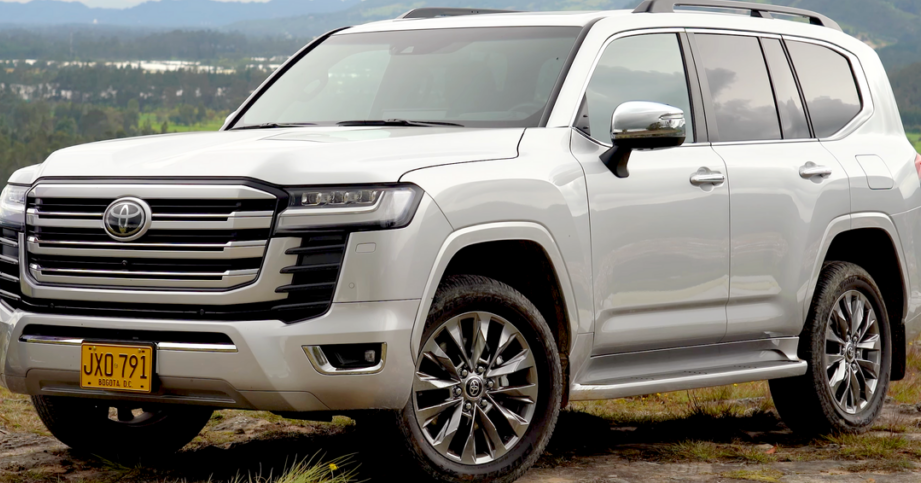
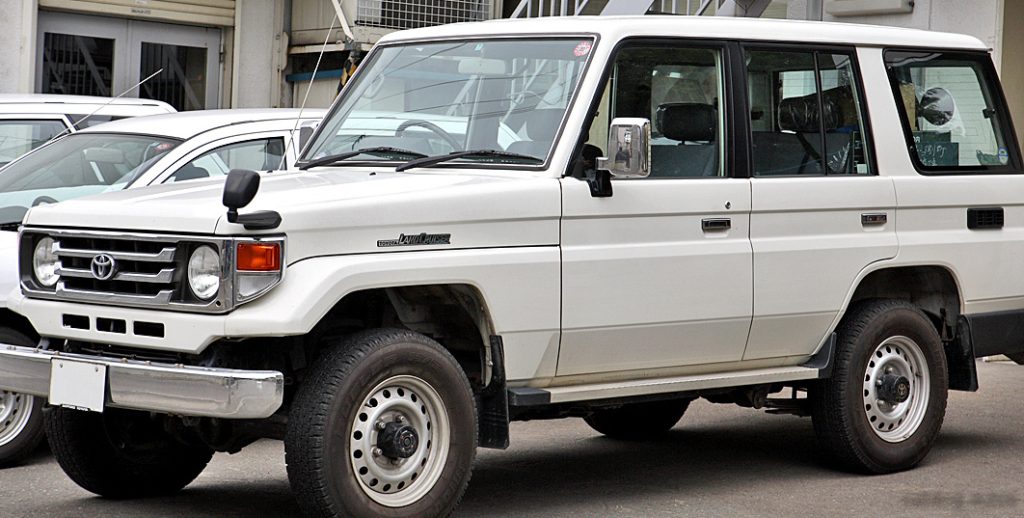
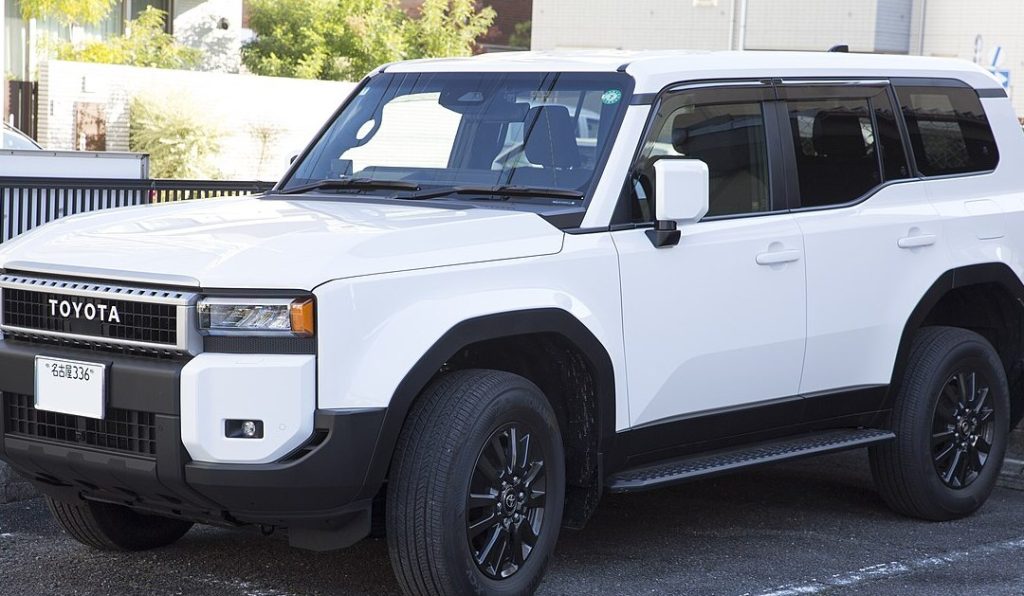
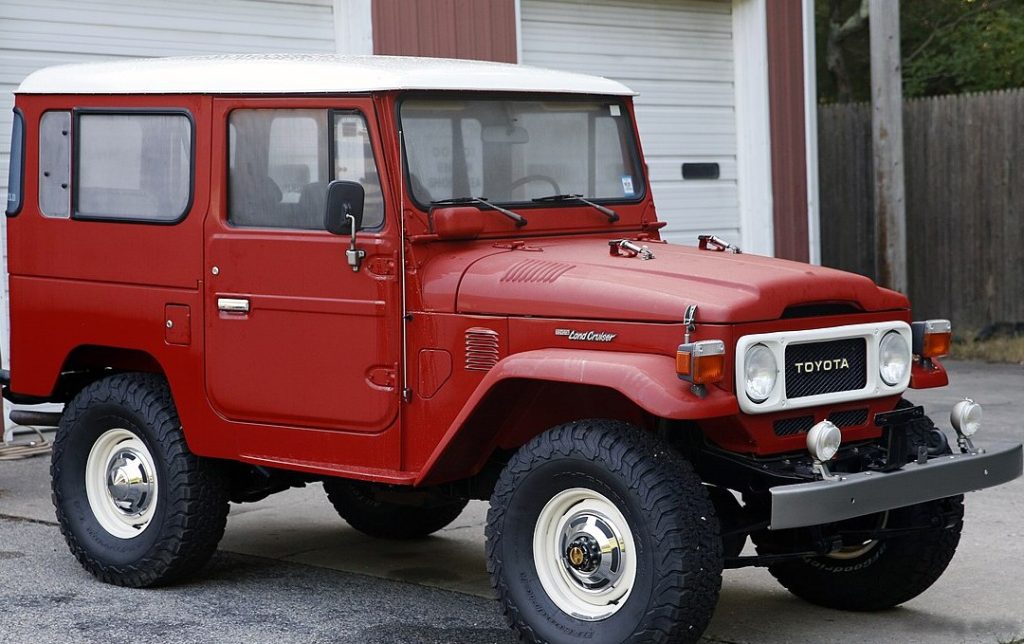
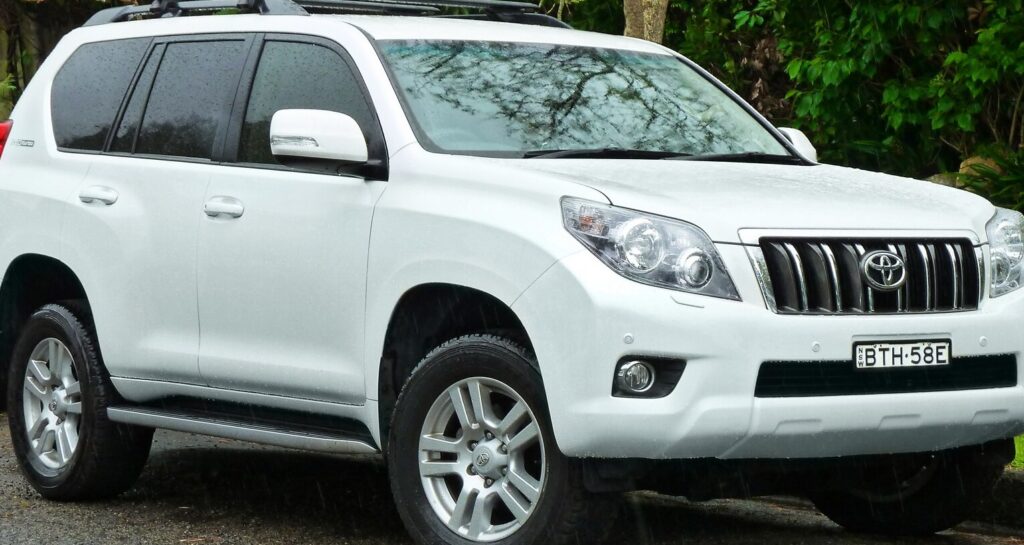
The Toyota Land Cruiser Prado J150, launched in 2009, represented a significant evolution of the Prado lineage. Built on the J150 platform, it aimed to provide a more comfortable and refined experience than its predecessors while retaining the Land Cruiser’s legendary off-road prowess. The 3.0 D-4D variant, producing 173 horsepower, was a popular choice in many markets, offering a balance between performance, fuel economy, and cost. This particular configuration was often positioned as a mid-range option, appealing to buyers who didn’t require the higher performance of larger engines but still desired a capable and well-equipped SUV. The five-door body style provided ample space for passengers and cargo, making it a practical choice for families.
Powertrain & Engine Architecture
At the heart of this Prado variant lies the 5L-E 3.0-liter inline-four diesel engine. This engine, a mainstay in Toyota’s diesel lineup, is known for its durability and reliability. The 5L-E utilizes a diesel common rail fuel injection system, delivering precise fuel metering for improved efficiency and reduced emissions. A turbocharger with an intercooler further enhances performance by forcing more air into the cylinders. The engine produces 173 horsepower at 3400 rpm and a substantial 410 Nm (302.4 lb.-ft.) of torque between 1600 and 2800 rpm. This broad torque curve is particularly beneficial for off-road driving and towing. The engine features a double overhead camshaft (DOHC) valvetrain with four valves per cylinder, optimizing airflow for increased power. The engine is longitudinally mounted, contributing to a balanced weight distribution. The automatic transmission is a conventional five-speed unit, chosen for its ease of use and suitability for both on and off-road conditions.
Driving Characteristics
The 173 hp 3.0 D-4D automatic Prado offers a comfortable and capable driving experience. While not exceptionally quick – acceleration from 0 to 100 km/h takes around 11.7 seconds – the engine’s strong low-end torque provides ample power for everyday driving and overtaking maneuvers. The automatic transmission shifts smoothly, although it can sometimes feel hesitant when downshifting for quick acceleration. Compared to the more powerful 4.0-liter V6 petrol engine option, the 3.0 D-4D offers significantly better fuel economy. It also provides a more relaxed driving experience, prioritizing efficiency over outright performance. Compared to the manual transmission versions of the same engine, the automatic offers greater convenience, particularly in urban traffic, but may result in a slight reduction in fuel economy and a less engaging driving experience.
Equipment & Trim Levels
The 3.0 D-4D automatic Prado typically came equipped with a respectable level of standard features. These generally included air conditioning, power windows and locks, a basic audio system, and alloy wheels. Higher trim levels added features such as leather upholstery, a sunroof, a more advanced audio system with navigation, and automatic climate control. Safety features such as ABS (Anti-lock Braking System) were standard across the range. Optional extras included a rear parking camera, a tow hitch, and upgraded suspension components.
Chassis & Braking
The Prado J150 features a robust body-on-frame construction, providing excellent durability and off-road capability. The front suspension utilizes a coil spring, double wishbone setup with a transverse stabilizer bar, while the rear suspension employs a rigid axle with coil springs. This configuration provides a good balance between ride comfort and off-road articulation. Braking duties are handled by ventilated discs on all four wheels, providing ample stopping power. The steering system is a rack and pinion type, offering precise and responsive handling.
Market Reception & Comparison
The 3.0 D-4D automatic Prado was generally well-received by automotive critics. It was praised for its reliability, fuel efficiency, and off-road capability. However, some critics noted that the engine could feel underpowered when fully loaded or tackling steep inclines. Compared to other trims in the Prado lineup, the 3.0 D-4D offered a compelling value proposition, providing a good balance of features and performance at a more affordable price point than the higher-powered variants. Its fuel economy was significantly better than the petrol-powered models, making it a popular choice for long-distance travel.
Legacy
The 5L-E engine, found in this Prado variant, has a reputation for exceptional longevity and reliability. With proper maintenance, these engines can easily exceed 200,000 miles. The Prado J150, in general, has proven to be a durable and dependable SUV, maintaining strong resale values in the used car market. The 3.0 D-4D automatic variant remains a popular choice for buyers seeking a capable and reliable off-road vehicle that is also comfortable and fuel-efficient. While newer SUVs offer more advanced technology and features, the Prado J150 continues to be a respected and sought-after vehicle, particularly among those who value its proven track record and rugged construction.