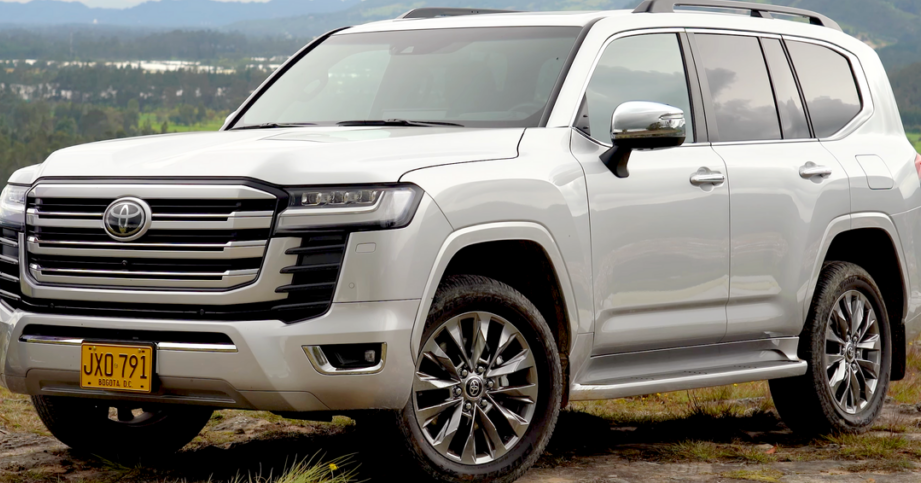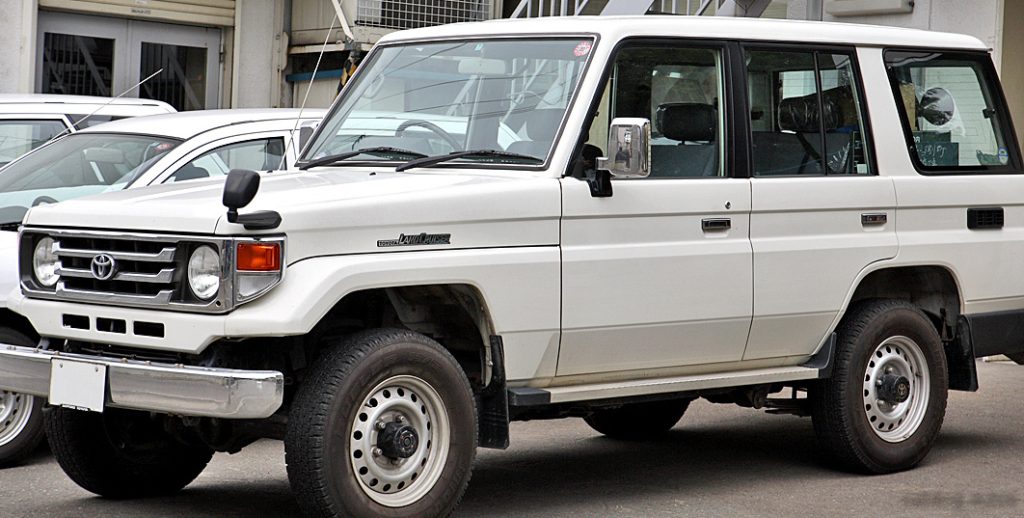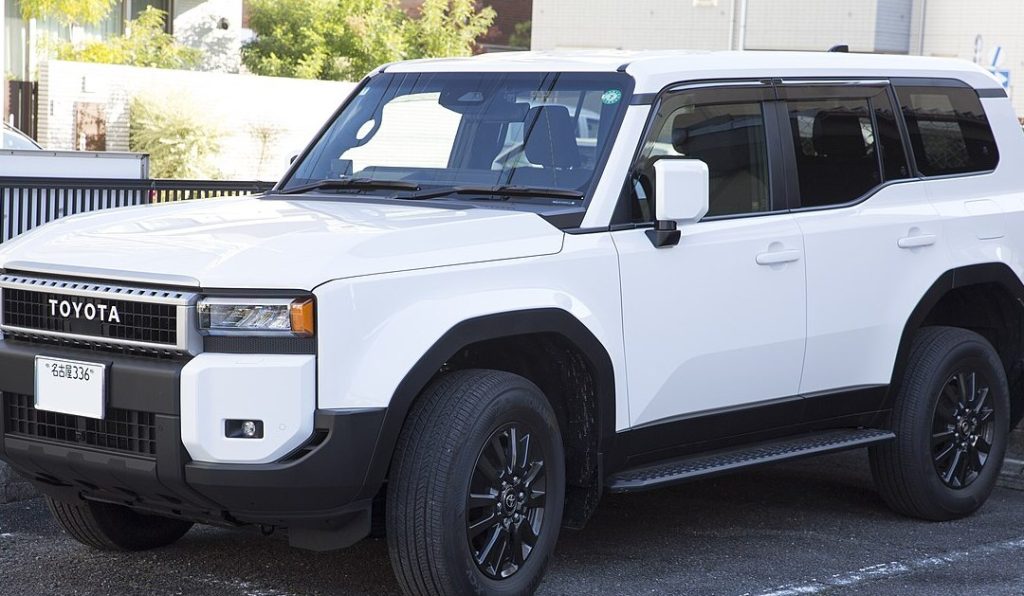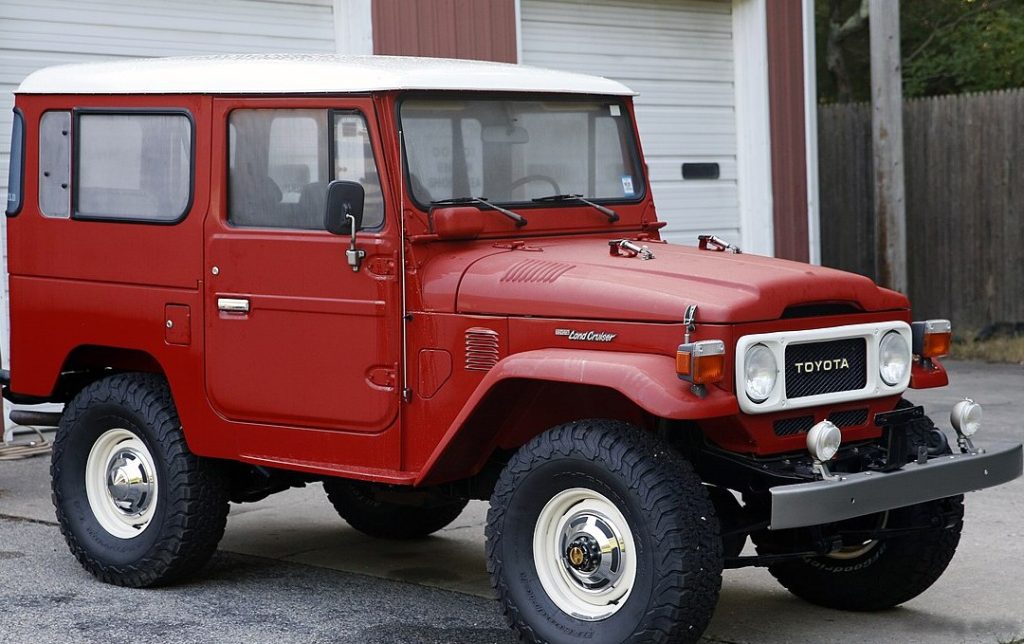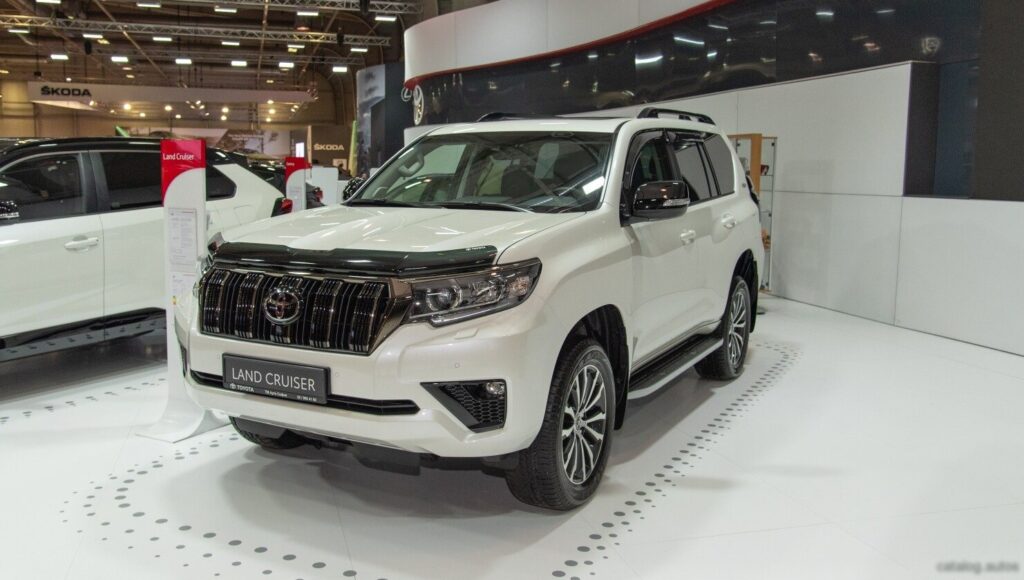
The Toyota Land Cruiser Prado (J150 series, post-facelift introduced in 2017) 5-door model powered by the 2.8 D-4D diesel engine producing 177 horsepower and paired with a 6-speed automatic transmission represents a significant iteration of Toyota’s renowned off-road SUV. Production of this specific configuration ran from 2017 through October 2023, serving as a popular choice in markets outside of North America where the Prado was directly sold. This variant occupied a middle ground within the J150 Prado lineup, offering a balance between fuel efficiency, capability, and price, positioned below the more powerful gasoline engines and above base-level diesel trims.
Powertrain & Engine Architecture
The heart of this Prado variant is the 1GD-FTV engine, a 2.8-liter inline-four cylinder diesel. This engine is a member of Toyota’s GD series of diesel engines, known for their durability and relatively refined operation. The 1GD-FTV utilizes a common rail direct injection system, delivering fuel at extremely high pressure for optimized combustion. A turbocharger with intercooling is employed to boost power output and improve torque across a wider RPM range. The engine boasts a compression ratio of 15.6:1, contributing to its efficiency. The valvetrain is a Double Overhead Camshaft (DOHC) design with four valves per cylinder, enhancing breathing and overall performance. Engine oil capacity is 7.7 liters (8.14 US quarts / 6.78 UK quarts), and the engine meets Euro 6 emission standards, incorporating a diesel particulate filter (DPF) to reduce harmful emissions.
The 6-speed automatic transmission used in conjunction with the 1GD-FTV is a conventional torque converter automatic, designed for smooth shifting and reliability. While not offering the lightning-fast shifts of some dual-clutch transmissions, it provides a comfortable driving experience, particularly suited for off-road conditions and towing. The transmission is electronically controlled, adapting shift points based on driving conditions and throttle input.
Engine Specifications
Key engine specifications include a bore of 92mm and a stroke of 103.6mm. Maximum power output is 177 horsepower (132 kW) at 3400 rpm, while peak torque of 450 Nm (331.9 lb-ft) is delivered between 1600 and 2400 rpm. This broad torque curve is a defining characteristic of the 1GD-FTV, providing ample pulling power at low engine speeds.
Driving Characteristics
The 177 hp/450 Nm combination in the Prado 2.8 D-4D Automatic delivers a capable, if not overtly sporty, driving experience. Acceleration from 0-100 km/h (0-62 mph) takes approximately 12.7 seconds, and 0-60 mph is achieved in around 12.1 seconds. While these figures are not particularly quick, the Prado is not designed for outright speed. Instead, the focus is on providing strong low-end torque for off-road climbing and towing. The automatic transmission contributes to a relaxed driving style, with smooth gear changes and a willingness to hold lower gears when needed. Compared to the more powerful gasoline variants, the 2.8 D-4D offers significantly better fuel economy, but sacrifices some outright performance. Compared to manual transmission versions of the same engine, the automatic provides added convenience, but may result in a slight reduction in fuel efficiency due to the inherent losses in a torque converter transmission.
Equipment & Trim Levels
The 2.8 D-4D Automatic Prado typically came well-equipped, though specific features varied depending on the market and optional packages selected. Standard equipment generally included air conditioning, power windows and locks, a touchscreen infotainment system with Bluetooth connectivity, and a rearview camera. Higher trim levels added features such as leather upholstery, heated and ventilated front seats, a sunroof, and advanced safety systems like lane departure alert and adaptive cruise control. Interior upholstery was often a durable cloth in base models, upgrading to leather in higher trims. Dashboard configurations were generally consistent across the range, featuring a functional and robust design. Optional extras commonly included a premium audio system, navigation, and a rear entertainment system.
Chassis & Braking
The Prado J150 utilizes a body-on-frame construction, providing excellent durability and off-road capability. The front suspension consists of a double wishbone setup, while the rear employs a dependent, multi-link spring with telescopic shock absorbers. This suspension configuration is designed to absorb bumps and provide a comfortable ride both on and off-road. Braking duties are handled by ventilated discs on all four wheels, providing ample stopping power. An Anti-lock Braking System (ABS) is standard. Steering is rack and pinion with electric power assistance. Tire sizes varied depending on the trim level, commonly ranging from 265/65 R17 to 265/55 R19, mounted on 7.5J alloy wheels.
Market Reception & Comparison
The Prado 2.8 D-4D Automatic was generally well-received by automotive critics as a practical and capable SUV. Its fuel economy of 7.4 l/100 km (31.8 US mpg / 38.2 UK mpg) was a significant selling point, particularly in regions with high fuel prices. Reliability was also a key strength, with the 1GD-FTV engine proving to be durable and long-lasting. Compared to the gasoline-powered Prados, the diesel offered superior fuel efficiency and torque, making it a better choice for towing and off-road adventures. However, the gasoline engines provided quicker acceleration and a more refined driving experience. Compared to competitors like the Mitsubishi Pajero and Land Rover Discovery, the Prado offered a compelling combination of reliability, capability, and value.
Technical Specifications
| Brand | Toyota |
| Model | Land Cruiser Prado |
| Generation | Land Cruiser Prado (J150, facelift 2017) 5-door |
| Type | 2.8 D-4D (177 Hp) 4WD Automatic |
| Start of production | 2017 |
| End of production | October, 2023 |
| Fuel consumption (combined) | 7.4 l/100 km (31.8 US mpg, 38.2 UK mpg, 13.5 km/l) |
| CO2 emissions | 194 g/km |
| Fuel Type | Diesel |
| Acceleration 0 – 100 km/h | 12.7 sec |
| Acceleration 0 – 62 mph | 12.7 sec |
| Acceleration 0 – 60 mph | 12.1 sec |
| Maximum speed | 175 km/h (108.74 mph) |
| Emission standard | Euro 6 |
| Power | 177 Hp @ 3400 rpm |
| Torque | 450 Nm @ 1600-2400 rpm (331.9 lb.-ft. @ 1600-2400 rpm) |
| Engine layout | Front, Longitudinal |
| Engine Model/Code | 1GD-FTV |
| Engine displacement | 2755 cm3 (168.12 cu. in.) |
| Number of cylinders | 4 |
| Engine configuration | Inline |
| Cylinder Bore | 92 mm (3.62 in.) |
| Piston Stroke | 103.6 mm (4.08 in.) |
| Compression ratio | 15.6:1 |
| Number of valves per cylinder | 4 |
| Fuel injection system | Diesel Commonrail |
| Engine aspiration | Turbocharger, Intercooler |
| Valvetrain | DOHC |
| Kerb Weight | 2165 kg (4773.01 lbs.) |
| Max. weight | 2990 kg (6591.82 lbs.) |
| Fuel tank capacity | 87 l (22.98 US gal, 19.14 UK gal) |
| Trunk (boot) space – minimum | 621 l (21.93 cu. ft.) |
| Trunk (boot) space – maximum | 1934 l (68.3 cu. ft.) |
| Transmission | 6 gears, automatic transmission |
Legacy
The Toyota Land Cruiser Prado 2.8 D-4D Automatic (J150 facelift) has proven to be a reliable and durable SUV, maintaining strong resale values in the used car market. The 1GD-FTV engine is known for its longevity, and with proper maintenance, can exceed 200,000 kilometers (124,000 miles) without major issues. The automatic transmission is also generally robust. Common maintenance items include regular oil changes, filter replacements, and periodic DPF regeneration. The Prado’s reputation for off-road capability and dependability continues to make it a popular choice for those seeking a rugged and practical SUV, even as newer models have been introduced.