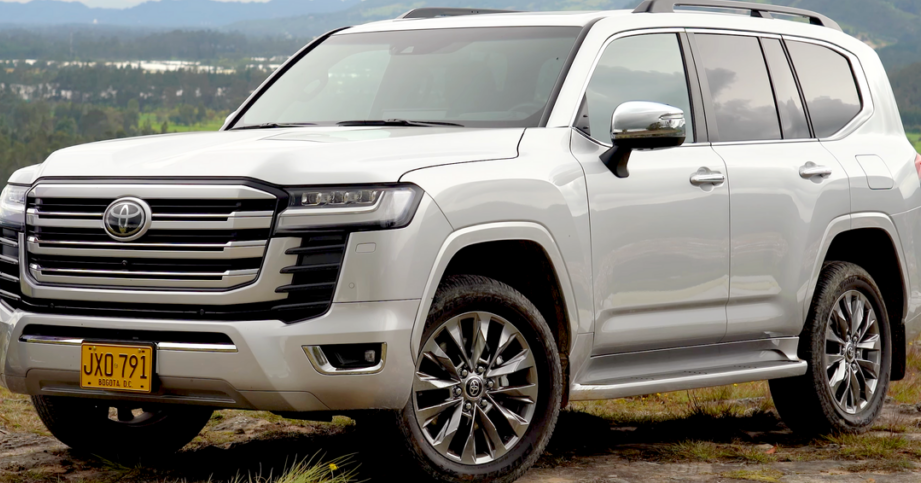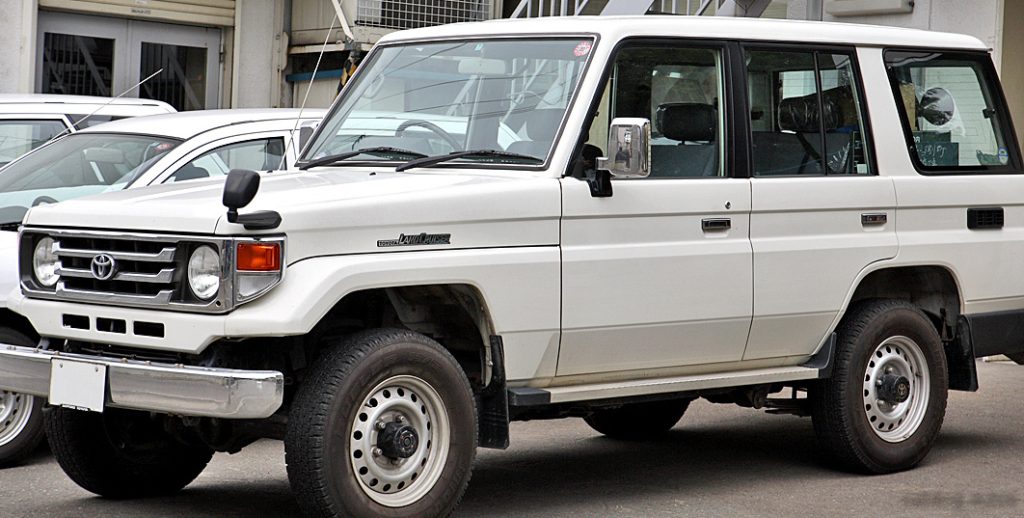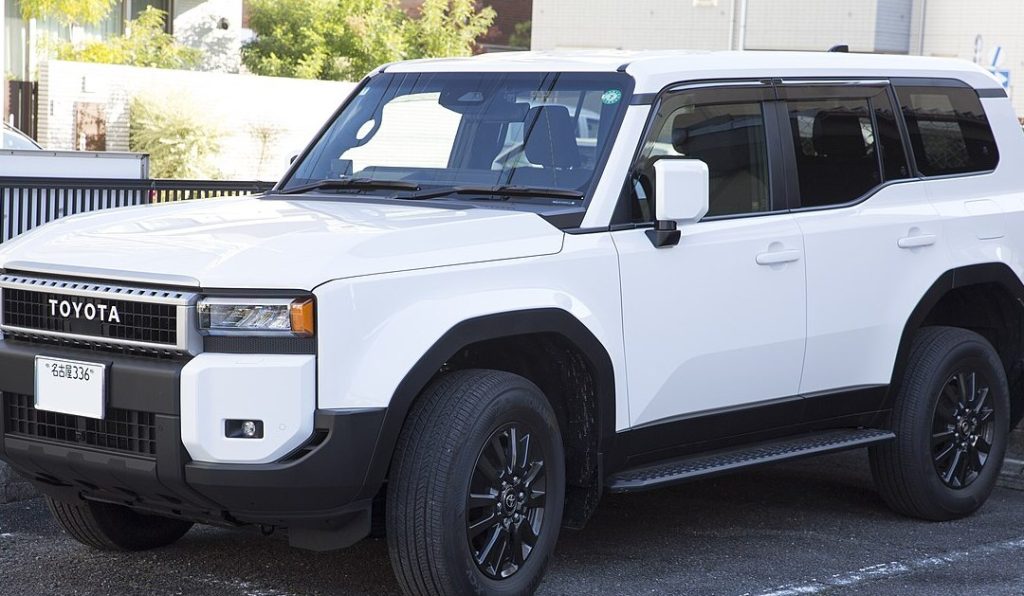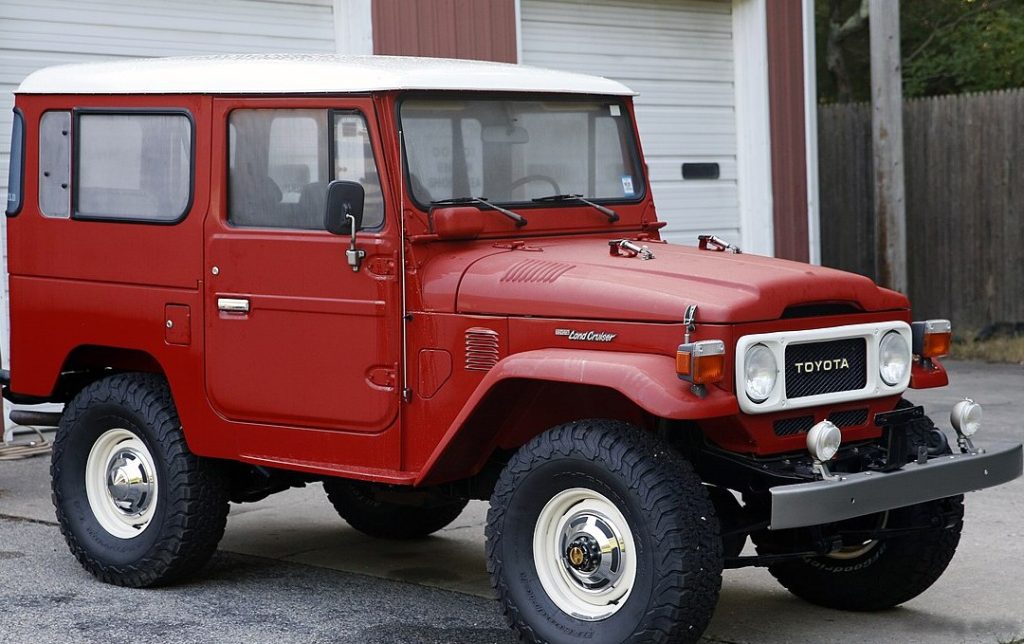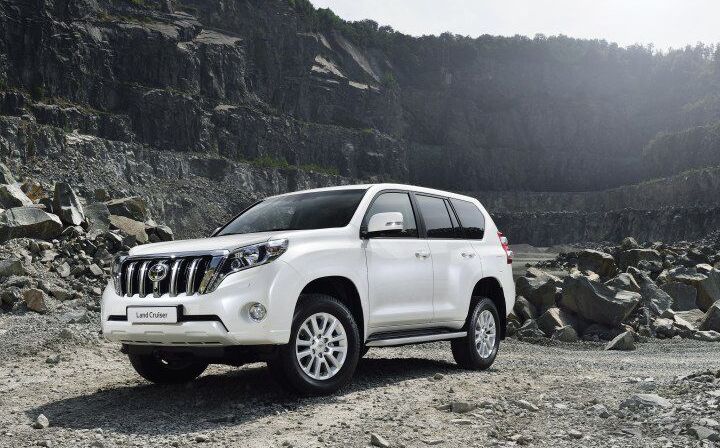
The Toyota Land Cruiser Prado (J150 series, specifically the 2013 facelift) equipped with the 3.0 D-4D diesel engine and a five-speed automatic transmission represents a significant iteration of Toyota’s globally renowned SUV. Produced from 2013 to 2015, this variant was primarily aimed at markets outside of North America, where the Prado enjoys considerable popularity for its blend of off-road capability, on-road comfort, and reliability. It slots into the Prado lineup as a mid-range offering, balancing performance and fuel efficiency with a more accessible price point compared to the higher-output petrol engines or more luxurious trim levels.
Technical Specifications
| Brand | Toyota |
| Model | Land Cruiser Prado |
| Generation | Land Cruiser Prado (J150, facelift 2013) 5-door |
| Type (Engine) | 3.0 D-4D (172 Hp) Automatic |
| Start of production | 2013 |
| End of production | 2015 |
| Powertrain Architecture | Internal Combustion engine |
| Body type | SUV |
| Seats | 5 |
| Doors | 5 |
| Fuel consumption (urban) | 9.7 l/100 km (24.2 US mpg) |
| Fuel consumption (extra urban) | 7.1 l/100 km (33.1 US mpg) |
| Fuel consumption (combined) | 8.1 l/100 km (29 US mpg) |
| Fuel Type | Diesel |
| Maximum speed | 175 km/h (108.74 mph) |
| Emission standard | EURO 5 J |
| Weight-to-power ratio | 17.4 kg/Hp |
| Weight-to-torque ratio | 7.3 kg/Nm |
| Power | 172 Hp @ 3400 rpm |
| Torque | 410 Nm @ 1600-2800 rpm (302.4 lb.-ft. @ 1600-2800 rpm) |
| Engine layout | Front, Transverse |
| Engine Model/Code | 1KD-FTV |
| Engine displacement | 2982 cm3 (181.97 cu. in.) |
| Number of cylinders | 4 |
| Engine configuration | Inline |
| Cylinder Bore | 96 mm (3.78 in.) |
| Piston Stroke | 103 mm (4.06 in.) |
| Compression ratio | 17.9:1 |
| Number of valves per cylinder | 4 |
| Fuel injection system | Diesel Commonrail |
| Engine aspiration | Turbocharger, Intercooler |
| Valvetrain | DOHC |
| Engine oil capacity | 7 l (7.4 US qt | 6.16 UK qt) |
| Coolant capacity | 13.1 l (13.84 US qt | 11.53 UK qt) |
| Kerb Weight | 2990 kg (6591.82 lbs.) |
| Trunk (boot) space (minimum) | 621 l (21.93 cu. ft.) |
| Fuel tank capacity | 87 l (22.98 US gal | 19.14 UK gal) |
| Length | 4780 mm (188.19 in.) |
| Width | 1885 mm (74.21 in.) |
| Height | 1845 mm (72.64 in.) |
| Wheelbase | 2790 mm (109.84 in.) |
| Front track | 1585 mm (62.4 in.) |
| Rear track | 1585 mm (62.4 in.) |
| Minimum turning circle | 11.6 m (38.06 ft.) |
| Drivetrain Architecture | All wheel drive (4×4) |
| Number of gears | 5 |
| Gearbox type | Automatic transmission |
| Front suspension | Double wishbone |
| Rear suspension | Dependent, multi-link spring with telescopic shock absorbers |
| Front brakes | Ventilated discs |
| Rear brakes | Ventilated discs |
| Assisting systems | ABS (Anti-lock braking system) |
| Steering type | Steering rack and pinion |
| Power steering | Electric Steering |
| Tires size | 265/65 R17; 265/60 R18 |
| Wheel rims size | 7.5J x 17; 7.5J x 18 |
INTRODUCTION
The 2013-2015 Toyota Land Cruiser Prado 3.0 D-4D Automatic is a five-door SUV built on Toyota’s J150 platform. The J150 Prado, introduced in 2009, represented a shift towards greater on-road refinement and comfort while retaining the Land Cruiser’s legendary off-road prowess. The 2013 facelift brought updated styling, improved safety features, and refinements to the interior. This particular variant, powered by the 1KD-FTV engine and paired with a five-speed automatic, was a popular choice in markets like Europe, Australia, and parts of Asia, offering a balance between fuel economy, usability, and the Land Cruiser’s reputation for durability.
Powertrain & Engine Architecture
At the heart of this Prado variant lies the 1KD-FTV, a 3.0-liter inline-four diesel engine. This engine is a workhorse, known for its robustness and longevity. It utilizes a common-rail direct injection system, delivering fuel at extremely high pressure for improved combustion efficiency and reduced emissions. The 1KD-FTV is also equipped with a turbocharger and intercooler, boosting power output and torque. The engine produces 172 horsepower at 3400 rpm and a substantial 410 Nm (302 lb-ft) of torque between 1600 and 2800 rpm. The five-speed automatic transmission, while not as sophisticated as more modern gearboxes, is known for its reliability and smooth operation. It’s geared for both on-road cruising and providing sufficient torque for off-road situations. The transmission lacks a manual shift mode, focusing on ease of use.
Driving Characteristics
The 3.0 D-4D Automatic Prado delivers a comfortable and capable driving experience. While not a performance-oriented vehicle, the engine’s torque provides ample power for everyday driving and towing. Acceleration is adequate, but not brisk. The automatic transmission shifts smoothly, although it can sometimes feel hesitant when downshifting. Compared to the more powerful 4.0-liter V6 petrol engine offered in some markets, the 3.0 D-4D prioritizes fuel efficiency. It also offers a more relaxed driving experience, with less engine noise and vibration. Compared to the six-speed manual version of the same engine, the automatic sacrifices some responsiveness for convenience. The gear ratios are optimized for fuel economy and towing capacity, rather than outright acceleration.
Equipment & Trim Levels
The 2013-2015 Prado 3.0 D-4D Automatic typically came well-equipped, though specific features varied depending on the market. Standard equipment generally included air conditioning, power windows and locks, a multi-function steering wheel, and an audio system with CD player and auxiliary input. Higher trim levels added features such as leather upholstery, sunroof, navigation system, and automatic climate control. Safety features included ABS, multiple airbags, and stability control. Optional extras often included a rear-view camera, parking sensors, and upgraded audio systems.
Chassis & Braking
The Prado J150 utilizes a body-on-frame construction, providing excellent durability and off-road capability. The front suspension consists of double wishbones, while the rear features a dependent multi-link spring setup with telescopic shock absorbers. This suspension configuration provides a comfortable ride on paved roads while maintaining good articulation for off-road use. Braking duties are handled by ventilated discs on all four wheels, providing adequate stopping power. The Prado’s relatively high weight (approximately 2990 kg or 6592 lbs) necessitates a robust braking system.
Market Reception & Comparison
The Prado 3.0 D-4D Automatic was generally well-received by automotive critics. It was praised for its comfortable ride, spacious interior, and reliable powertrain. Fuel economy was also a strong point, particularly compared to the larger petrol-powered Land Cruisers. Compared to competitors like the Mitsubishi Pajero and Nissan Patrol, the Prado offered a more refined interior and a reputation for superior reliability. However, some critics noted that the automatic transmission could feel sluggish at times, and the interior design was somewhat conservative. The 3.0 D-4D offered a compelling alternative to the more expensive and less fuel-efficient V6 petrol models.
Legacy
The 1KD-FTV engine, in particular, has earned a reputation for exceptional reliability and longevity. With proper maintenance, these engines can easily exceed 200,000 miles (320,000 kilometers). The Prado J150 series, as a whole, is known for its durability and ability to withstand harsh conditions. In the used car market, these vehicles hold their value well, particularly those that have been well-maintained. The 3.0 D-4D Automatic variant remains a popular choice for buyers seeking a capable, reliable, and comfortable SUV, especially in regions where diesel engines are favored. Common maintenance items include regular oil changes, filter replacements, and inspection of the turbocharger and fuel injection system.