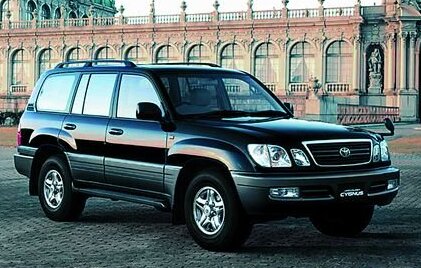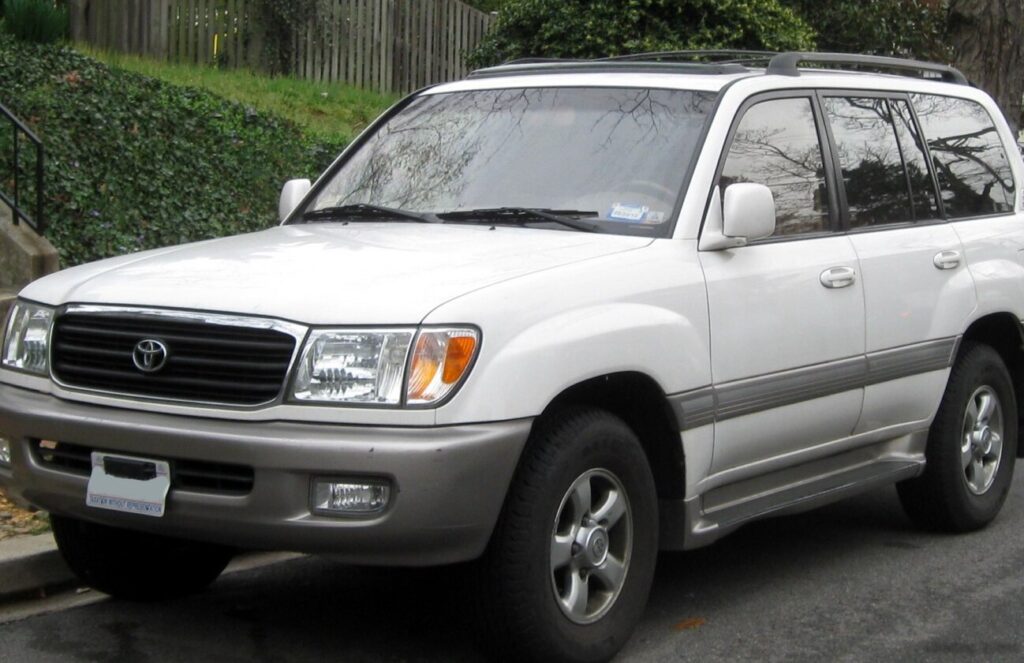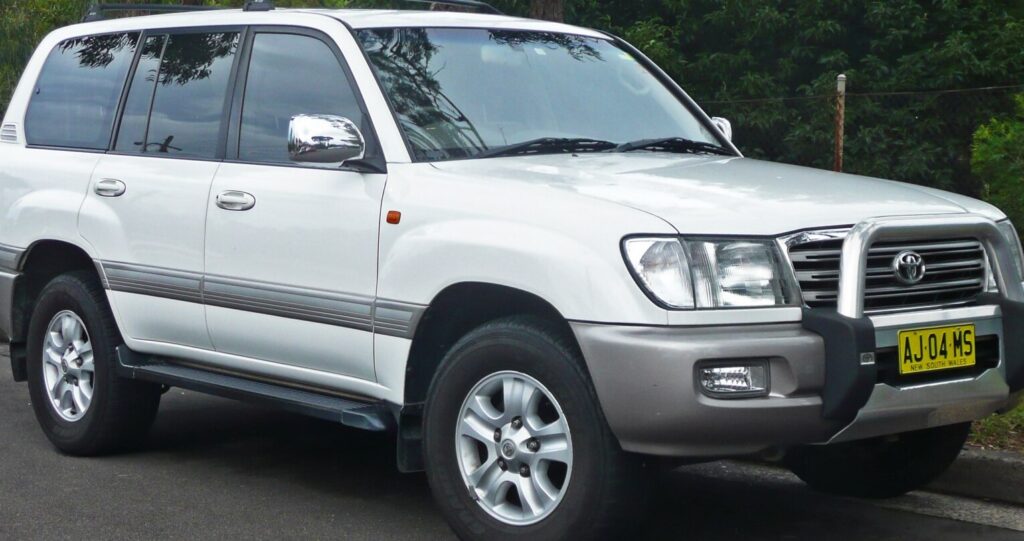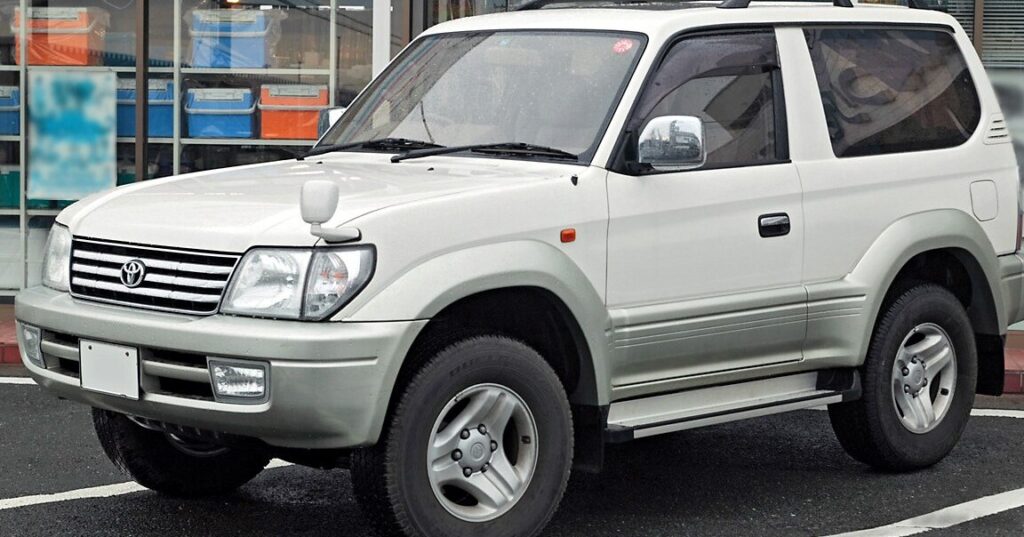
The Toyota Land Cruiser Prado J90, specifically the 3-door model produced between 2000 and 2002, represents a significant iteration of Toyota’s renowned off-road vehicle. This variant, equipped with the 3.4-liter V6 24V engine producing 185 horsepower and paired with a 4-speed automatic transmission (ECT – Electronically Controlled Transmission), occupied a middle ground within the J90 Prado lineup. It offered a balance between capability, comfort, and affordability, appealing to buyers seeking a versatile SUV for both on- and off-road adventures. The J90 series, built on the 120 platform, aimed to modernize the Land Cruiser Prado while retaining its legendary durability and off-road prowess. This 3-door configuration was particularly popular in markets where maneuverability and a more compact footprint were valued.
Powertrain & Engine Architecture
The heart of this Prado variant is the 5VZ-FE 3.4-liter V6 engine. This engine, a member of Toyota’s VZ series, is known for its robust construction and reliability. It features a 60-degree V-angle, four valves per cylinder (DOHC – Double Overhead Camshaft), and multi-port fuel injection. The 5VZ-FE produces 185 hp at 4800 rpm and 294 Nm (216.84 lb-ft) of torque at 3600 rpm. The engine’s longitudinal mounting within the chassis contributes to a balanced weight distribution, enhancing handling characteristics.
The automatic transmission used in this Prado is a 4-speed ECT unit. This transmission is electronically controlled, allowing for smoother shifts and optimized gear selection based on driving conditions. While not as sophisticated as modern transmissions with more gears, the 4-speed ECT provided adequate performance for the Prado’s intended use. The transmission’s gear ratios were tuned to provide a balance between acceleration and fuel efficiency, prioritizing low-end torque for off-road situations. The ECT system also included a ‘hold’ function, allowing the driver to prevent upshifts during challenging terrain.
Engine Specifications
Key engine specifications include a compression ratio of 9.6:1, a bore of 93.5 mm (3.68 in), and a stroke of 82 mm (3.23 in), resulting in a displacement of 3378 cm3 (206.14 cu. in). The engine requires 5.2 liters (5.49 US qt, 4.58 UK qt) of engine oil and 8 liters (8.45 US qt, 7.04 UK qt) of coolant. The 5VZ-FE is known for its relatively simple design, contributing to its longevity and ease of maintenance.
Driving Characteristics
The 185 hp and 294 Nm of torque delivered by the 3.4L V6, when coupled with the 4-speed automatic, resulted in a driving experience that prioritized usability over outright speed. Acceleration was adequate for highway merging and passing, but not particularly brisk. The automatic transmission, while smooth, could sometimes feel hesitant during quick downshifts. However, the engine’s strong low-end torque made it well-suited for off-road driving, providing ample power for navigating challenging terrain.
Compared to the manual transmission versions of the same engine, the automatic Prado experienced a slight reduction in fuel economy and a marginally slower 0-60 mph time. It also differed significantly from the diesel-powered Prado variants (typically 3.0L turbodiesels), which offered superior fuel economy and low-end torque but lacked the V6’s smooth power delivery. The 3-door configuration, combined with the automatic transmission, made this Prado a comfortable and convenient vehicle for everyday use, particularly for those who preferred the ease of an automatic gearbox.
Equipment & Trim Levels
The 2000-2002 Toyota Land Cruiser Prado J90 3-door 3.4 V6 Automatic typically came equipped with a range of standard features. These included air conditioning, power windows and locks, a basic audio system, and cloth upholstery. Safety features such as ABS (Anti-lock Braking System) were also standard. The interior design was functional and durable, prioritizing practicality over luxury.
Optional extras varied depending on the market but often included features such as a sunroof, upgraded audio systems, leather upholstery, and alloy wheels. Some models also offered features like cruise control and a rear limited-slip differential. The trim level often dictated the availability of these options, with higher trims offering more standard features and a greater selection of optional extras. The 3-door configuration generally meant a slightly more spartan interior compared to the 5-door models, with less emphasis on rear passenger comfort.
Chassis & Braking
The Prado J90 featured a robust chassis designed to withstand the rigors of off-road driving. The front suspension utilized a coil spring, double wishbone setup with a transverse stabilizer bar, providing a comfortable ride and good handling. The rear suspension employed a rigid axle with coil springs, offering excellent articulation for off-road capability.
Braking duties were handled by ventilated discs on all four wheels, providing ample stopping power. The ABS system helped to maintain control during emergency braking situations. The steering system was a rack and pinion setup with hydraulic power steering, offering precise and responsive steering feel. The Prado J90 rode on 215/80 R16 tires, providing a good balance between on-road comfort and off-road traction. Ground clearance was a respectable 230 mm (9.06 in), allowing the Prado to navigate moderately challenging terrain.
Market Reception & Comparison
The 3.4L V6 Automatic Prado was generally well-received by automotive critics. It was praised for its reliability, off-road capability, and comfortable ride. However, some critics noted that the engine could feel underpowered when fully loaded or driving uphill. Fuel economy was also considered average for its class. Compared to other trims in the Prado lineup, the 3.4L V6 Automatic offered a good balance between performance and affordability. It was more powerful and refined than the base model, but less expensive and more fuel-efficient than the higher-end trims.
In terms of reliability, the 5VZ-FE engine is renowned for its durability. With proper maintenance, it can easily exceed 200,000 miles. The 4-speed automatic transmission is also generally reliable, although it may require servicing at higher mileage. Overall, this Prado variant offered a compelling package for buyers seeking a capable and dependable SUV.
Technical Specifications
| Brand | Toyota |
| Model | Land Cruiser Prado |
| Generation | Land Cruiser Prado (J90, facelift 2000) 3-door |
| Type | 3.4 V6 24V (185 Hp) 4WD ECT |
| Start of production | 2000 |
| End of production | 2002 |
| Engine | 5VZ-FE |
| Displacement | 3378 cm3 (206.14 cu. in.) |
| Power | 185 Hp @ 4800 rpm |
| Torque | 294 Nm @ 3600 rpm (216.84 lb.-ft. @ 3600 rpm) |
| Fuel Type | Petrol (Gasoline) |
| Transmission | 4-speed automatic (ECT) |
| Drive | All wheel drive (4×4) |
| Kerb Weight | 1800 kg (3968.32 lbs.) |
| Max. Weight | 2075 kg (4574.59 lbs.) |
| Fuel Tank Capacity | 90 l (23.78 US gal, 19.8 UK gal) |
| Length | 4255 mm (167.52 in.) |
| Width | 1820 mm (71.65 in.) |
| Height | 1880 mm (74.02 in.) |
| Wheelbase | 2370 mm (93.31 in.) |
| Ground Clearance | 230 mm (9.06 in.) |
Legacy
The Toyota Land Cruiser Prado J90 3-door 3.4 V6 Automatic has maintained a strong reputation for reliability and durability in the used car market. The 5VZ-FE engine is highly regarded for its longevity, and well-maintained examples continue to provide dependable service. While not as technologically advanced as newer SUVs, the J90 Prado remains a popular choice for those seeking a capable and rugged off-road vehicle. Its relatively simple design makes it easier and less expensive to maintain compared to more complex modern vehicles. Today, these Prados are often sought after by enthusiasts and overlanding adventurers who appreciate their robust construction and proven track record. The 3-door configuration, combined with the automatic transmission, offers a unique blend of practicality and convenience, making it a desirable option for those who value both on- and off-road capability.