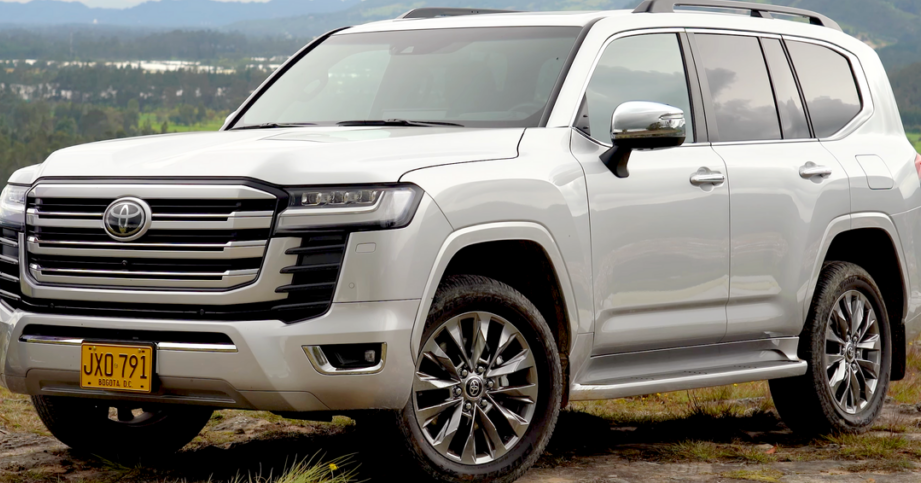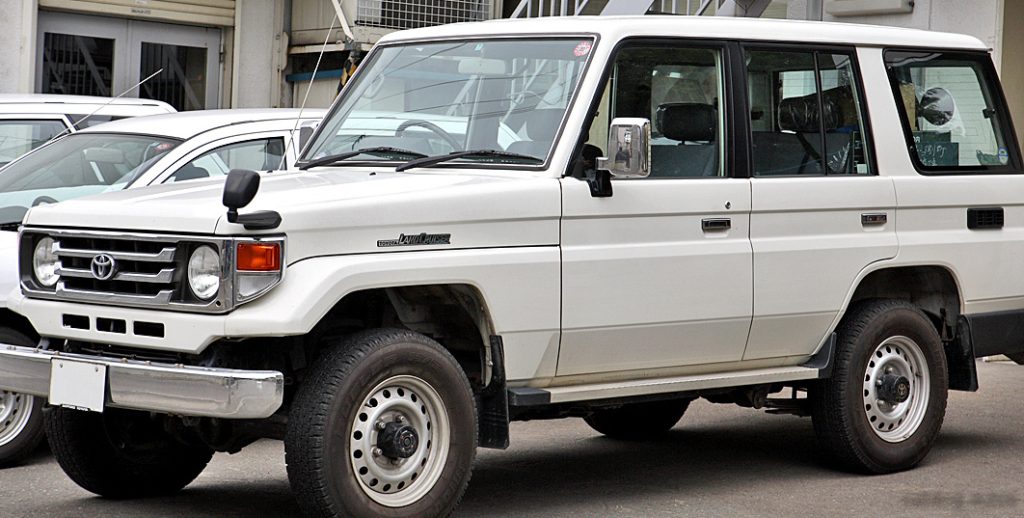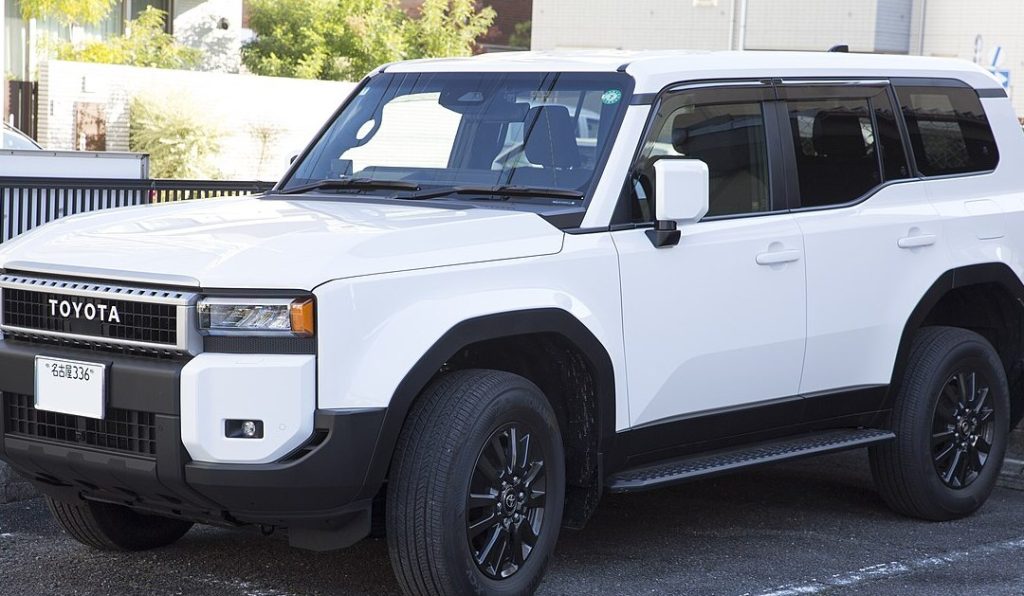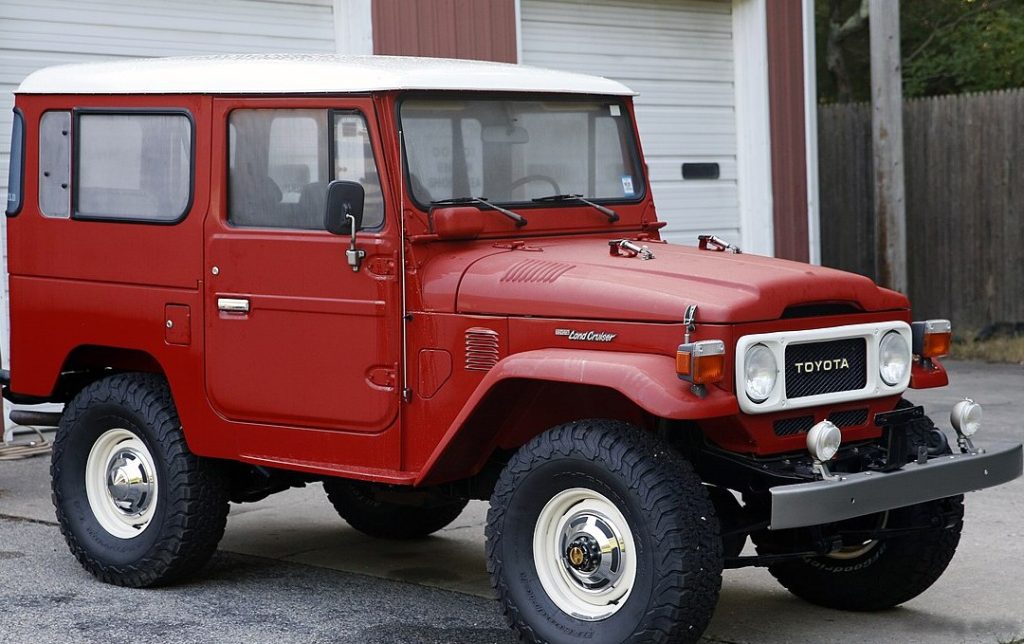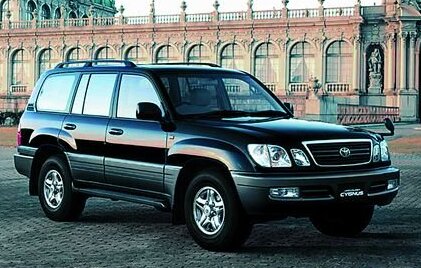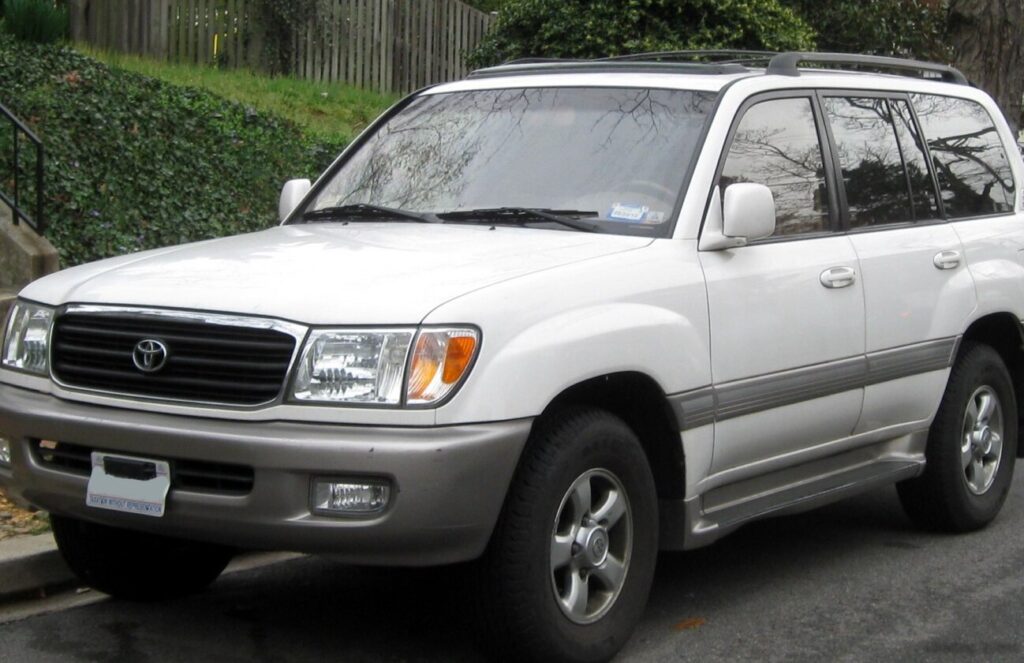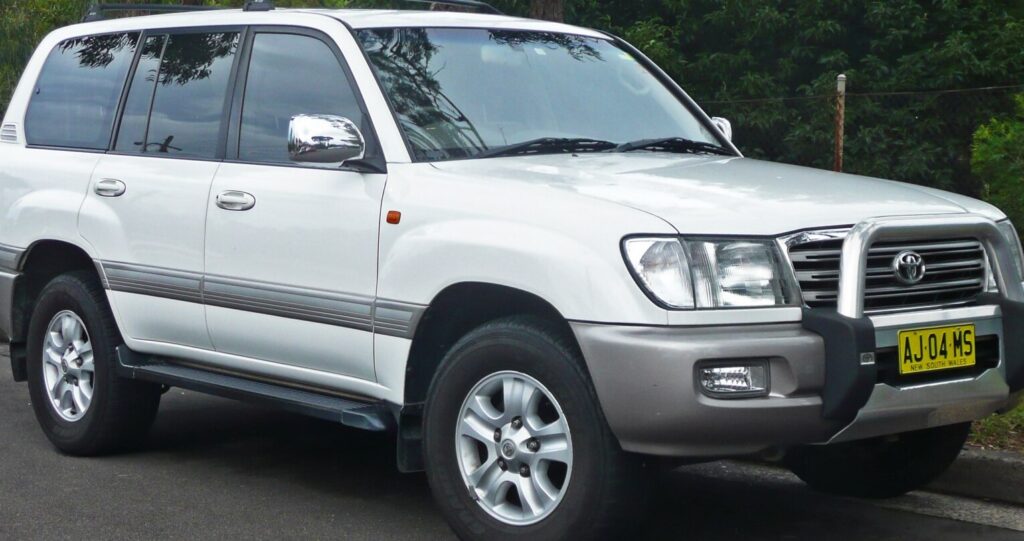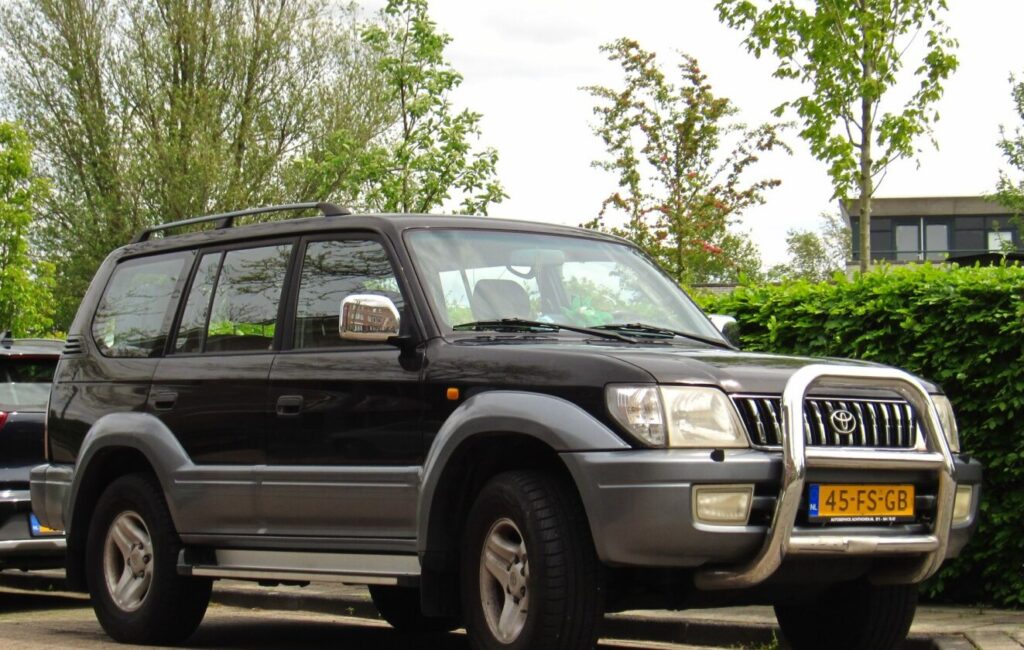
The Toyota Land Cruiser Prado J90, specifically the facelifted version produced from 2000 to 2002, represented a significant evolution in Toyota’s long-running Land Cruiser lineage. This generation Prado aimed to blend traditional off-road capability with increased on-road comfort and refinement. The 5-door configuration, coupled with the 3.0 D-4D (163 hp) 4WD powertrain, was a popular choice in many international markets, offering a balance between fuel efficiency, performance, and practicality. The J90 series, built on the 120 platform, was a departure from the more utilitarian previous generations, targeting a broader customer base seeking a robust yet comfortable SUV.
The 3.0 D-4D (163 Hp) Prado: Positioning and Overview
The 3.0 D-4D 163 hp variant occupied a middle ground within the J90 Prado lineup. It wasn’t the entry-level model – that distinction typically belonged to the 2.4-liter gasoline engine in some markets – nor was it the top-of-the-range offering, which featured larger displacement gasoline or diesel engines. Instead, it was positioned as a sensible, all-around choice for buyers prioritizing fuel economy and torque for towing and off-road excursions, without necessarily demanding the highest possible performance. This trim level appealed to families and individuals needing a capable vehicle for both daily driving and adventure travel. The facelift in 2000 brought cosmetic updates, including revised headlights, taillights, and interior trim, enhancing the Prado’s overall appeal.
Powertrain & Engine Architecture
At the heart of this Prado variant lies the 1KD-FTV 3.0-liter inline-four diesel engine. This engine is a key component of Toyota’s D-4D (Direct-injection 4-stroke Diesel) series, known for its robust construction and relatively efficient operation. The 1KD-FTV boasts a displacement of 2982 cm³ (181.97 cubic inches) and utilizes a common rail direct injection system, delivering fuel at extremely high pressure for optimized combustion. This system, coupled with a turbocharger and intercooler, allows the engine to produce 163 horsepower at 3400 rpm and a substantial 343 Nm (252.98 lb-ft) of torque at 1600 rpm. The engine features a double overhead camshaft (DOHC) valvetrain with four valves per cylinder, contributing to its breathing efficiency. The compression ratio is a high 18.4:1, typical for diesel engines, maximizing thermal efficiency. The engine is longitudinally mounted in the chassis.
The Prado J90 3.0 D-4D was primarily offered with a 5-speed manual transmission. However, a 4-speed automatic transmission was also available, and it’s this combination that is the focus of this article. The automatic transmission was designed to provide smooth shifting and ease of use, particularly in challenging off-road conditions or congested urban environments. While not known for being particularly sporty, the automatic transmission offered a comfortable driving experience and allowed the driver to focus on navigating terrain rather than constantly shifting gears.
Driving Characteristics
The 3.0 D-4D Prado with the automatic transmission delivers a driving experience characterized by strong low-end torque and relaxed cruising. Acceleration from 0-100 km/h (0-62 mph) takes approximately 12.5 seconds, which is not particularly quick by modern standards, but adequate for a vehicle of this size and weight. The automatic transmission’s gear ratios are optimized for towing and off-road performance, rather than outright speed. The engine’s peak torque is available from a low 1600 rpm, providing ample pulling power for navigating steep inclines or hauling loads. On the highway, the Prado feels stable and comfortable, with the automatic transmission holding lower gears for effortless overtaking. Compared to the manual transmission version, the automatic sacrifices some responsiveness, but gains in convenience. Compared to higher-output Prado variants (like those with the 1HZ or 1HD-FTV engines), the 3.0 D-4D offers less overall power, but significantly better fuel economy.
Equipment & Trim Levels
The standard equipment level of the 3.0 D-4D Prado varied depending on the specific market. However, common features included air conditioning, power windows, power door locks, and a basic audio system. Higher trim levels offered upgrades such as leather upholstery, woodgrain interior trim, a sunroof, and more advanced audio systems. Many Prados were equipped with optional extras like a rear differential lock, a winch, and upgraded suspension components for serious off-road use. The interior layout typically featured seating for seven or eight passengers, depending on the configuration. The dashboard design was functional and straightforward, prioritizing usability over flashy aesthetics. Safety features generally included ABS (Anti-lock Braking System) and airbags, although the specific number and type of airbags varied by market.
Chassis & Braking
The Prado J90 utilizes a body-on-frame construction, providing excellent durability and off-road capability. The front suspension consists of a coil spring, double wishbone setup with a transverse stabilizer bar, while the rear suspension employs a rigid axle with coil springs. This suspension configuration provides a good balance between ride comfort and off-road articulation. The braking system features ventilated discs on all four wheels, providing adequate stopping power for a vehicle of this weight. The steering system is a rack and pinion type with hydraulic power assistance, offering precise and responsive steering control. The Prado 3.0 D-4D typically rides on 215/80 R16 S tires, providing a good compromise between on-road comfort and off-road traction.
Market Reception & Comparison
The Toyota Land Cruiser Prado J90 3.0 D-4D was generally well-received by automotive critics and consumers alike. It was praised for its reliability, durability, and off-road capability. The 3.0 D-4D engine was considered a good balance between power and fuel economy, making it a practical choice for everyday use. However, some critics noted that the automatic transmission could feel sluggish at times, and the interior was not as luxurious as some of its competitors. In terms of fuel economy, the 3.0 D-4D typically achieved around 11.7 l/100 km (20.1 US mpg) in urban driving and 8.2 l/100 km (28.7 US mpg) on the highway. Compared to the larger gasoline engines, the 3.0 D-4D offered significantly better fuel efficiency. Compared to other diesel-powered SUVs of the time, the Prado was considered to be a highly reliable and capable vehicle.
Technical Specifications
| Engine Model/Code | 1KD-FTV |
| Engine Displacement | 2982 cm³ (181.97 cu. in.) |
| Number of Cylinders | 4, Inline |
| Power | 163 Hp @ 3400 rpm |
| Torque | 343 Nm @ 1600 rpm (252.98 lb.-ft. @ 1600 rpm) |
| Fuel Injection System | Diesel Commonrail |
| Compression Ratio | 18.4:1 |
| Engine Oil Capacity | 7.5 l (7.93 US qt | 6.6 UK qt) |
| Coolant Capacity | 10 l (10.57 US qt | 8.8 UK qt) |
| Kerb Weight | 1935 kg (4265.94 lbs.) |
| Max. Weight | 2810 kg (6194.99 lbs.) |
| Fuel Tank Capacity | 90 l (23.78 US gal | 19.8 UK gal) |
| Length | 4690 mm (184.65 in.) |
| Width | 1820 mm (71.65 in.) |
| Height | 1880 mm (74.02 in.) |
| Wheelbase | 2675 mm (105.31 in.) |
| Transmission | 4-speed Automatic |
| Drive Type | All Wheel Drive (4×4) |
| Acceleration 0-100 km/h | 12.5 sec |
| Maximum Speed | 165 km/h (102.53 mph) |
Legacy
The 1KD-FTV engine, found in the Prado 3.0 D-4D, has proven to be remarkably durable and reliable over the long term. Properly maintained examples continue to operate reliably with high mileage. The Prado J90, in general, has earned a reputation for longevity and off-road prowess. In the used car market, these vehicles remain popular, particularly among those seeking a robust and capable SUV for adventure travel or demanding work conditions. While newer SUVs offer more advanced features and technology, the Prado J90 3.0 D-4D continues to represent a solid and dependable choice for buyers prioritizing practicality, reliability, and off-road capability. The automatic transmission, while not the most refined, has also proven to be relatively durable, provided it has received regular fluid changes.