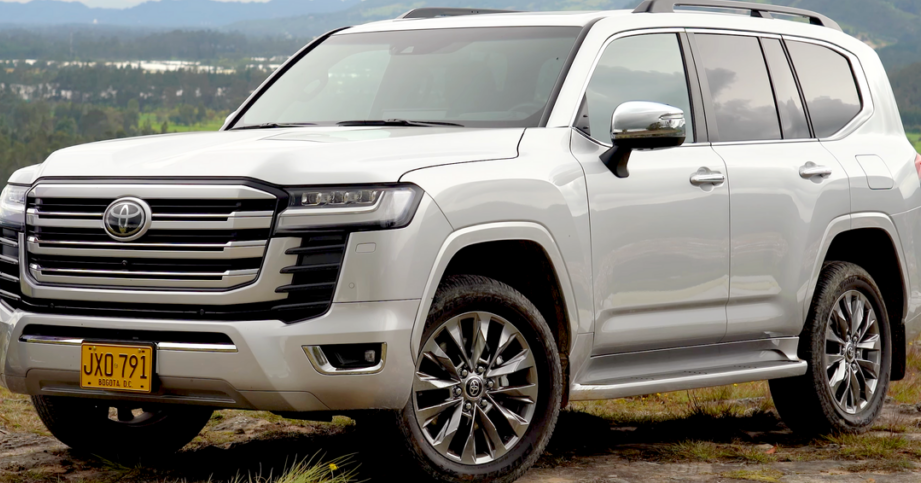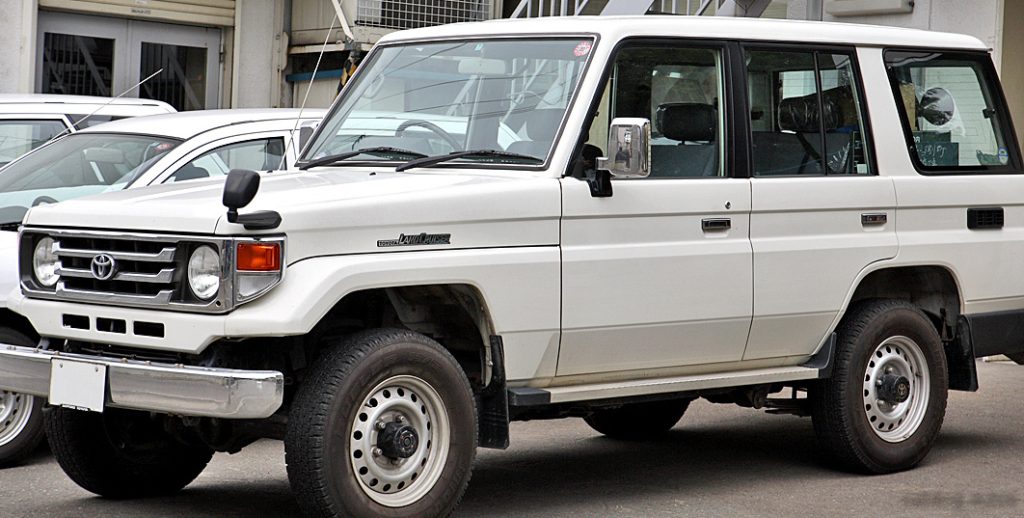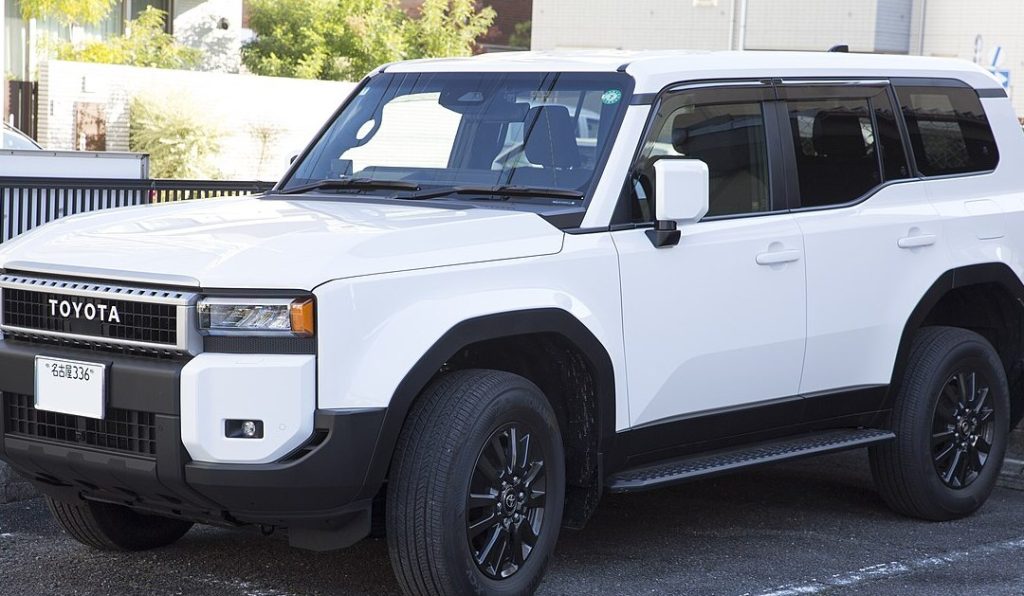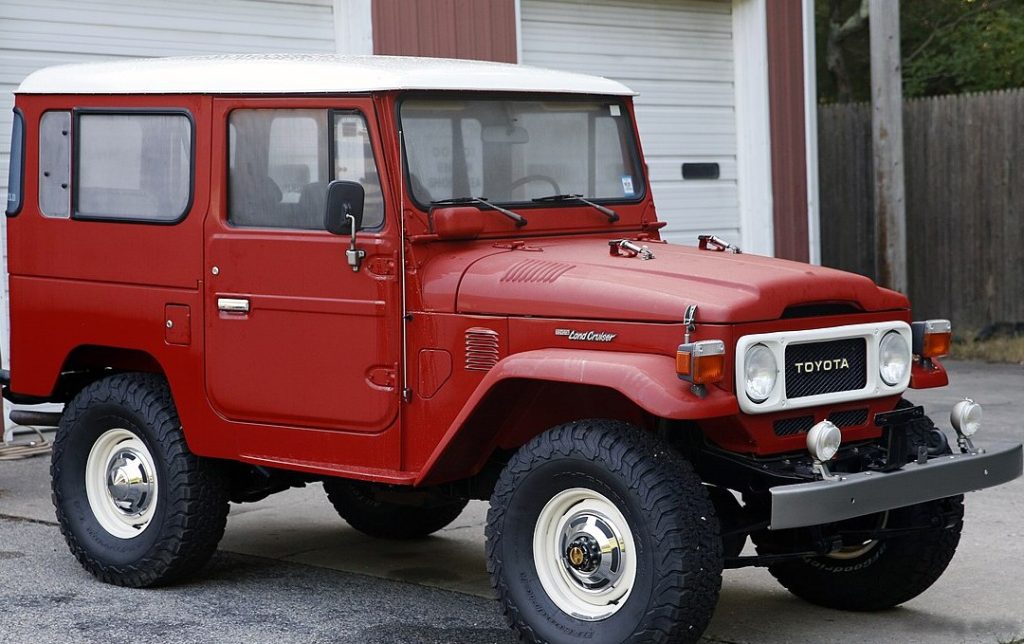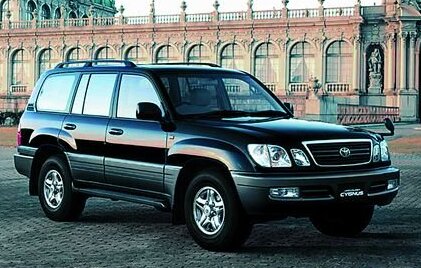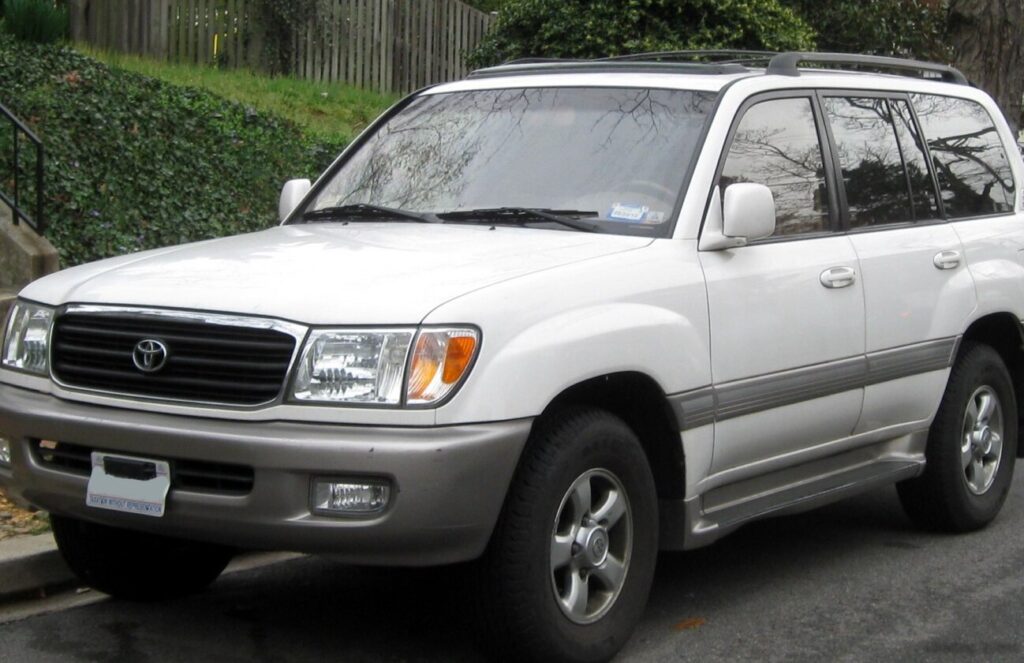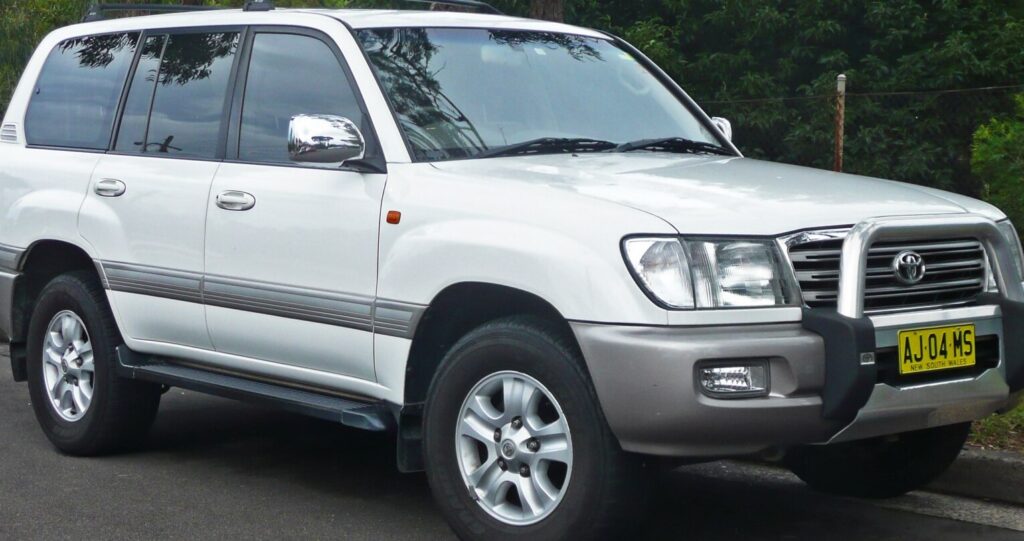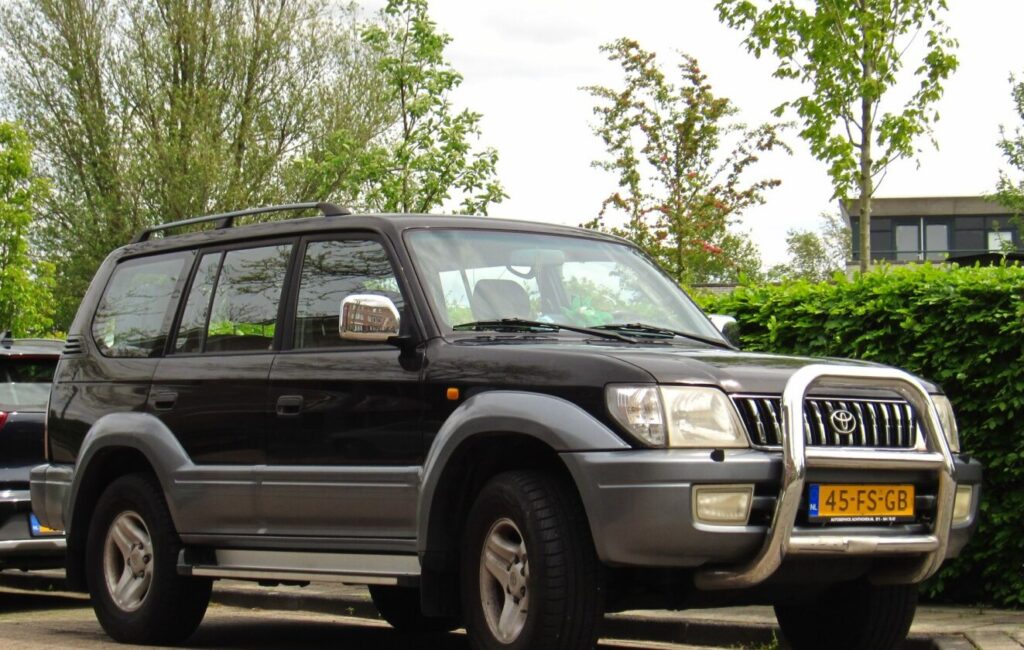
The Toyota Land Cruiser Prado (J90 series), particularly the facelifted version produced from 2000 to 2002, represented a significant evolution in Toyota’s long-standing tradition of robust, capable, and comfortable off-road vehicles. This generation Prado aimed to bridge the gap between the ruggedness of older Land Cruisers and the increasing demands for on-road refinement. The 5-door model equipped with the 3.4-liter V6 24V (185 hp) engine and a four-speed automatic transmission with Electronic Controlled Transmission (ECT) was a popular configuration, positioned as a mid-range offering within the J90 lineup. It catered to buyers seeking a balance of off-road capability, family practicality, and a more accessible price point compared to the higher-trim models.
The 3.4L V6 Automatic Prado: Positioning and Overview
The J90 Prado facelift, introduced in 2000, brought cosmetic and mechanical updates to the already well-received second-generation Prado. The 3.4L V6 automatic variant occupied a crucial space in the model range. Below it sat the 2.4L inline-four engine, primarily aimed at budget-conscious buyers and markets with lower taxation brackets for smaller engines. Above it were the more powerful 3.4L V6 with a manual transmission, and in some markets, diesel variants like the 3.0L turbo diesel. The automatic transmission appealed to a broader audience, particularly in North America and Australia, where automatic transmissions were (and remain) highly preferred. This trim level was designed for families and individuals who needed a versatile vehicle capable of handling both daily commutes and weekend adventures.
Powertrain & Engine Architecture
The heart of this Prado variant is the 5VZ-FE 3.4-liter V6 engine. This engine is a naturally aspirated, 24-valve (four valves per cylinder) powerplant with a 9.6:1 compression ratio. It utilizes a cast iron block and aluminum cylinder heads, a common configuration for Toyota engines of this era, balancing durability with weight reduction. The 5VZ-FE employs a multi-port fuel injection system, delivering fuel directly to each intake port for optimized combustion. The valvetrain is a Double Overhead Camshaft (DOHC) design, contributing to improved breathing and higher engine speeds.
The engine produces 185 horsepower at 4800 rpm and 294 Nm (216.84 lb-ft) of torque at 3600 rpm. The automatic transmission is a four-speed electronically controlled unit (ECT). This transmission was chosen for its smoothness and ease of use, particularly in off-road situations where precise throttle control is essential. While not as technologically advanced as some contemporary transmissions, the four-speed ECT proved to be reliable and well-suited to the engine’s characteristics. The transmission’s gear ratios were optimized for a balance of acceleration and fuel economy, though the Prado’s substantial weight inevitably impacted both.
Driving Characteristics
The 3.4L V6 automatic Prado delivers a comfortable and capable driving experience. Acceleration is adequate, but not particularly brisk, due to the vehicle’s weight (approximately 1900-1940 kg or 4188.78 – 4276.97 lbs). The automatic transmission shifts smoothly, but can feel somewhat hesitant when downshifting for overtaking maneuvers. The engine’s torque peak at 3600 rpm provides sufficient pulling power for most driving situations, including towing and navigating challenging terrain. Compared to the manual transmission version of the same engine, the automatic Prado sacrifices some responsiveness, but gains in ease of use. The diesel variants, while offering better fuel economy and low-end torque, generally lacked the refinement and quiet operation of the V6.
Off-road, the Prado excels. The full-time four-wheel-drive system, combined with the engine’s torque and the automatic transmission’s ability to maintain momentum, allows it to tackle a wide range of obstacles. The ECT transmission also features a ‘hold’ function, which prevents upshifts, providing maximum engine braking and control on steep descents.
Equipment & Trim Levels
The 3.4L V6 automatic Prado typically came standard with features such as air conditioning, power windows and locks, a basic audio system, and cloth upholstery. Higher trim levels, often denoted by additional packages or designations, added features like leather seats, a sunroof, upgraded audio systems, and woodgrain interior trim. The interior layout was functional and spacious, with seating for up to eight passengers depending on the configuration. The rear seats could be folded flat to increase cargo capacity. Optional extras included a rear differential lock, a winch, and various off-road accessories.
Chassis & Braking
The Prado J90 utilizes a body-on-frame construction, providing a robust and durable platform for off-road use. The front suspension consists of a coil spring, double wishbone setup with a transverse stabilizer bar. The rear suspension employs a rigid axle with coil springs. This configuration provides a good balance of ride comfort and off-road articulation. Braking duties are handled by ventilated disc brakes on all four wheels, providing adequate stopping power for the vehicle’s weight. An Anti-lock Braking System (ABS) was standard, enhancing safety and control during emergency braking situations. Steering is rack and pinion with hydraulic power assistance, offering precise and responsive handling.
Market Reception & Comparison
The 3.4L V6 automatic Prado was generally well-received by automotive critics and consumers alike. It was praised for its reliability, comfort, and off-road capability. However, some critics noted its relatively high price compared to competitors and its somewhat lackluster acceleration. Fuel economy was also a concern, averaging around 16-18 mpg in mixed driving conditions. Compared to the 2.4L models, the V6 offered a significant performance upgrade, justifying the higher price for many buyers. Against the diesel variants, the V6 provided a more refined and quieter driving experience, although at the expense of fuel efficiency. In terms of reliability, the 5VZ-FE engine is known for its longevity and durability, making the 3.4L Prado a popular choice in the used car market.
Technical Specifications
| Engine Model/Code | 5VZ-FE |
| Engine Displacement | 3378 cm3 (206.14 cu. in.) |
| Number of Cylinders | 6 |
| Engine Configuration | V-engine |
| Cylinder Bore | 93.5 mm (3.68 in.) |
| Piston Stroke | 82 mm (3.23 in.) |
| Compression Ratio | 9.6:1 |
| Number of Valves per Cylinder | 4 |
| Fuel Injection System | Multi-port manifold injection |
| Engine Aspiration | Naturally aspirated |
| Power | 185 Hp @ 4800 rpm |
| Torque | 294 Nm @ 3600 rpm (216.84 lb.-ft. @ 3600 rpm) |
| Kerb Weight | 1900-1940 kg (4188.78 – 4276.97 lbs.) |
| Max. Weight | 2380 kg (5247 lbs.) |
| Fuel Tank Capacity | 90 l (23.78 US gal | 19.8 UK gal) |
| Transmission | 4 gears, automatic transmission ECT |
| Tire Size | 215/80 R16 |
| Length | 4690 mm (184.65 in.) |
| Width | 1820 mm (71.65 in.) |
| Height | 1880 mm (74.02 in.) |
Legacy
The Toyota Land Cruiser Prado J90, and specifically the 3.4L V6 automatic variant, has earned a reputation as a reliable and capable SUV. Today, these vehicles are sought after in the used car market, particularly those that have been well-maintained. The 5VZ-FE engine is known for its longevity, often exceeding 200,000 miles with proper care. While maintenance costs can be higher than for more modern vehicles, the Prado’s robust construction and readily available parts ensure that it remains a viable option for those seeking a durable and versatile SUV. Its blend of off-road capability, on-road comfort, and Toyota’s legendary reliability have cemented its place as a classic in the Land Cruiser lineage.