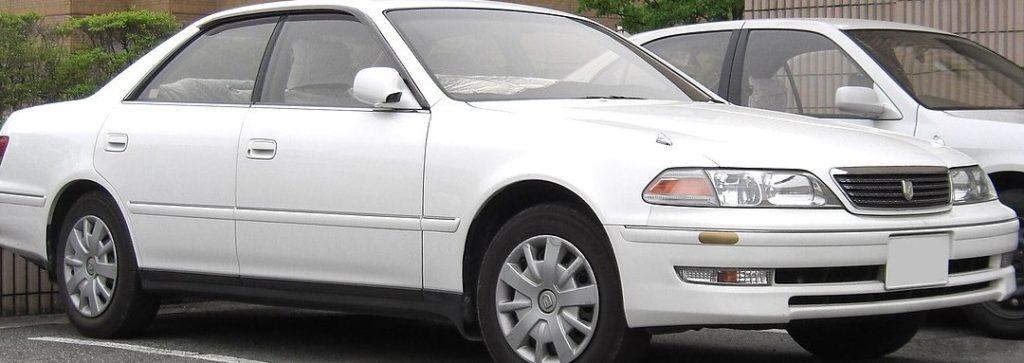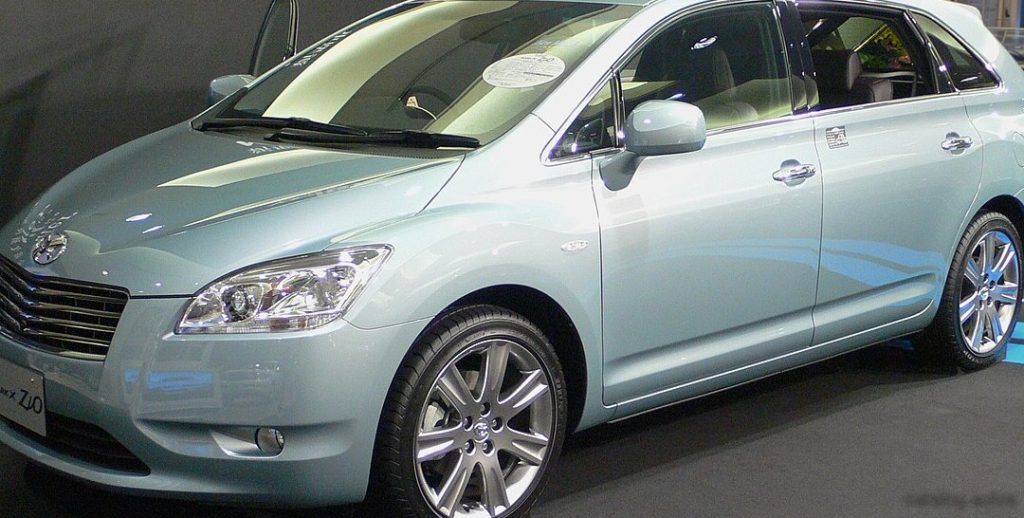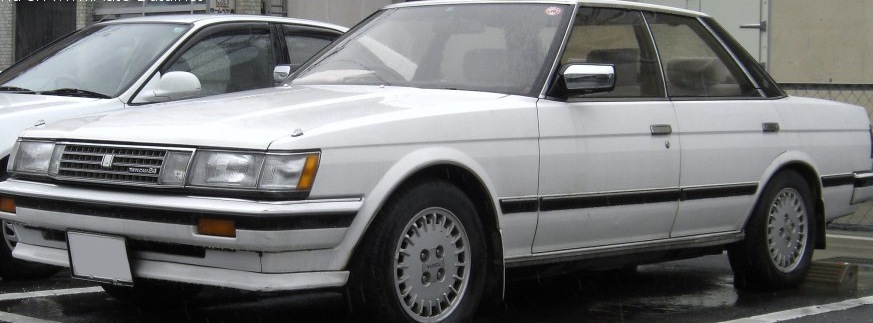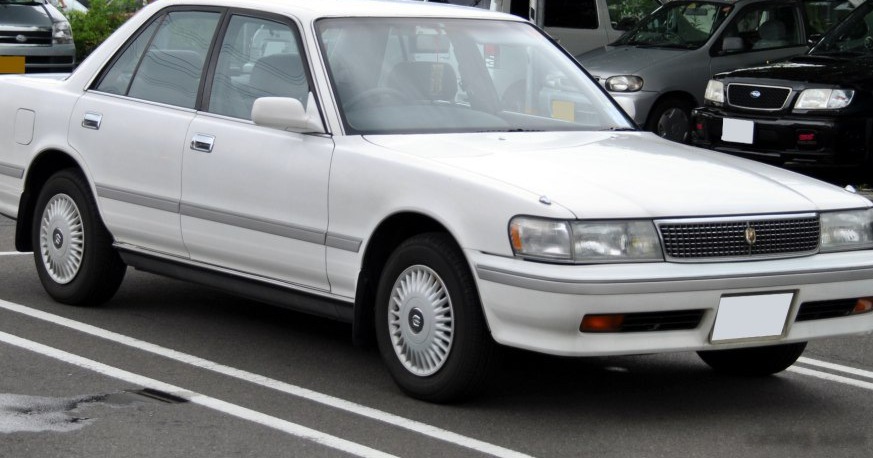
The Toyota Mark II GX81 2.4 D, produced between 1988 and 1992, represents a specific variant within the broader eighth generation (X80 series) of Toyota’s Mark II lineage. This model, powered by the 2L diesel engine producing 85 horsepower, occupied the entry-level position within the GX81 range, focusing on fuel efficiency and durability rather than outright performance. It catered to buyers seeking a comfortable, reliable sedan for everyday use, particularly in markets where diesel engines were favored for their economy. The GX81 generation Mark II aimed to blend luxury and practicality, and the 2.4 D trim offered a more accessible price point compared to the gasoline-powered options.
The 2L-T Diesel Engine in the GX81 Mark II
Powertrain and Engine Architecture
The heart of the GX81 2.4 D is the Toyota 2L diesel engine. This is a 2.4-liter (2,446 cc) inline-four cylinder engine, naturally aspirated and utilizing indirect injection. The 2L engine is known for its robust construction and longevity, characteristics highly valued in the target market. It features a cast iron block and head, contributing to its durability. The engine employs a Bosch rotary injection pump, delivering fuel to the cylinders through pre-combustion chambers. This indirect injection system, while less efficient than direct injection, offered quieter operation and reduced emissions for its time. The engine’s valvetrain consists of a single overhead camshaft (SOHC) operating two valves per cylinder. The 2L engine produces 85 horsepower (63 kW) at 3,600 rpm and 132 lb-ft (179 Nm) of torque at 2,400 rpm. The engine code ‘2L’ is crucial for identifying parts and service information. Unlike some later diesel engines, the 2L does not feature a turbocharger or intercooler, contributing to its simpler design and lower maintenance requirements. The engine was typically paired with either a 5-speed manual transmission or a 4-speed automatic transmission, the latter being the more common configuration for this trim level.
Driving Characteristics
The GX81 2.4 D, particularly when equipped with the 4-speed automatic transmission, prioritized fuel economy and smooth operation over spirited acceleration. Acceleration from 0 to 60 mph was relatively slow, estimated to be around 13-15 seconds. The automatic transmission featured relatively widely spaced gear ratios, designed to keep the engine operating within its optimal torque band for efficient cruising. The transmission wasn’t known for quick shifts, but rather for its reliability and smooth engagement. The 2L engine’s torque characteristics meant that it felt more responsive at lower engine speeds, making it suitable for city driving and highway cruising. Compared to the gasoline-powered Mark II variants (such as the 2.0L or 2.8L engines), the 2.4 D offered significantly less horsepower but comparable, and often superior, low-end torque. The manual transmission version offered slightly improved acceleration and driver control, but the automatic was favored by the majority of buyers seeking a comfortable and convenient driving experience.
Equipment and Trim Levels
The GX81 2.4 D represented the base trim level within the Mark II range. Standard equipment typically included cloth upholstery, manual windows and door locks, and a basic audio system. Air conditioning was often an optional extra, as were power windows and central locking. The dashboard layout was functional and straightforward, prioritizing ease of use over elaborate styling. Interior trim was generally conservative, utilizing durable materials designed to withstand everyday wear and tear. The steering wheel was typically made of urethane. Optional extras included upgraded audio systems, alloy wheels (though steel wheels with hubcaps were standard), and a sunroof. The 2.4 D trim did not typically offer the more luxurious features found in higher-spec Mark II models, such as leather upholstery, woodgrain trim, or advanced electronic features.
Chassis and Braking
The GX81 Mark II featured a traditional body-on-frame construction, providing a robust and durable platform. The front suspension utilized a MacPherson strut setup, while the rear suspension employed a four-link coil spring arrangement. The 2.4 D trim typically featured slightly softer suspension settings compared to higher-performance models, prioritizing ride comfort. Braking was typically accomplished with disc brakes on the front wheels and drum brakes on the rear wheels. The braking system was adequate for the vehicle’s weight and performance, but lacked the stopping power of the larger disc brake setups found on higher-spec models. Stabilizer bars were fitted to both the front and rear axles, helping to reduce body roll during cornering. The steering system was a recirculating ball type, providing a relatively heavy but precise steering feel.
Market Reception and Comparison
The GX81 2.4 D was well-received in markets where diesel engines were popular, particularly in regions with high fuel costs or where long-distance driving was common. Critics praised the engine’s fuel efficiency and durability, but noted its lack of outright performance. Compared to the gasoline-powered Mark II variants, the 2.4 D offered significantly better fuel economy, typically achieving around 30-35 mpg (combined cycle). However, it lagged behind in terms of acceleration and overall driving excitement. The 2.4 D was often compared to other mid-size diesel sedans of the era, such as the Nissan Bluebird Diesel and the Mazda 929 Diesel. The Toyota offered a reputation for reliability and a comfortable ride, giving it a competitive edge in the market. Maintenance costs for the 2.4 D were generally lower than those for the gasoline-powered models, due to the engine’s simpler design and robust construction.
Technical Specifications
| Engine Code | 2L |
| Engine Type | Inline-Four Diesel |
| Displacement | 2,446 cc (149.2 cu in) |
| Bore x Stroke | 90 mm x 90 mm (3.54 in x 3.54 in) |
| Compression Ratio | 23:1 |
| Maximum Power | 85 hp (63 kW) @ 3,600 rpm |
| Maximum Torque | 132 lb-ft (179 Nm) @ 2,400 rpm |
| Fuel System | Bosch Rotary Injection Pump (Indirect Injection) |
| Valve Configuration | SOHC, 2 valves per cylinder |
| Transmission | 4-speed Automatic (typically) or 5-speed Manual |
| Fuel Capacity | 70 liters (18.5 US gallons) |
| Curb Weight | 1,380 – 1,450 kg (3,042 – 3,197 lbs) |
| Engine Oil Capacity | 5.1 liters (5.39 US quarts / 4.49 UK quarts) |
Legacy
The GX81 2.4 D, while not the most sought-after variant of the Mark II, has proven to be remarkably durable and reliable over the long term. Many examples are still on the road today, testament to the quality of Toyota’s engineering and the robustness of the 2L diesel engine. In the used car market, these models are often valued for their affordability and fuel efficiency. The 2L engine is known for its ability to withstand high mileage with proper maintenance. However, potential buyers should be aware of the age-related issues common to older diesel engines, such as injector wear and potential for rust. Parts availability is generally good, as the 2L engine was used in a variety of Toyota vehicles. The GX81 2.4 D represents a practical and dependable choice for those seeking a classic Japanese sedan with a focus on fuel economy and longevity. It remains a popular choice for enthusiasts and everyday drivers alike, particularly in regions where diesel engines continue to be favored.