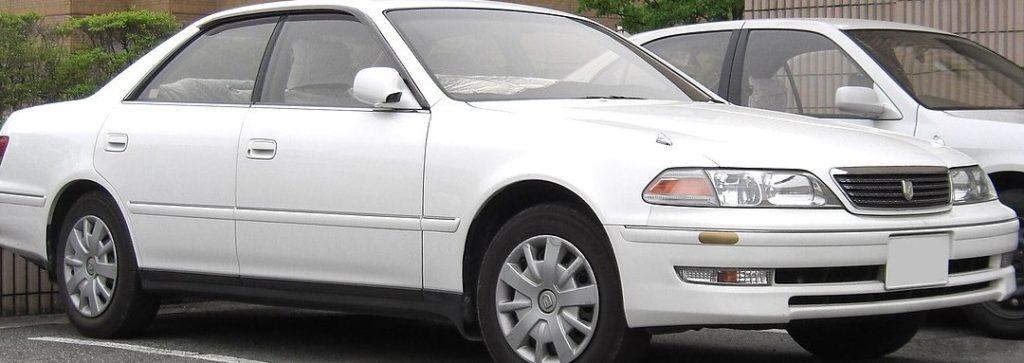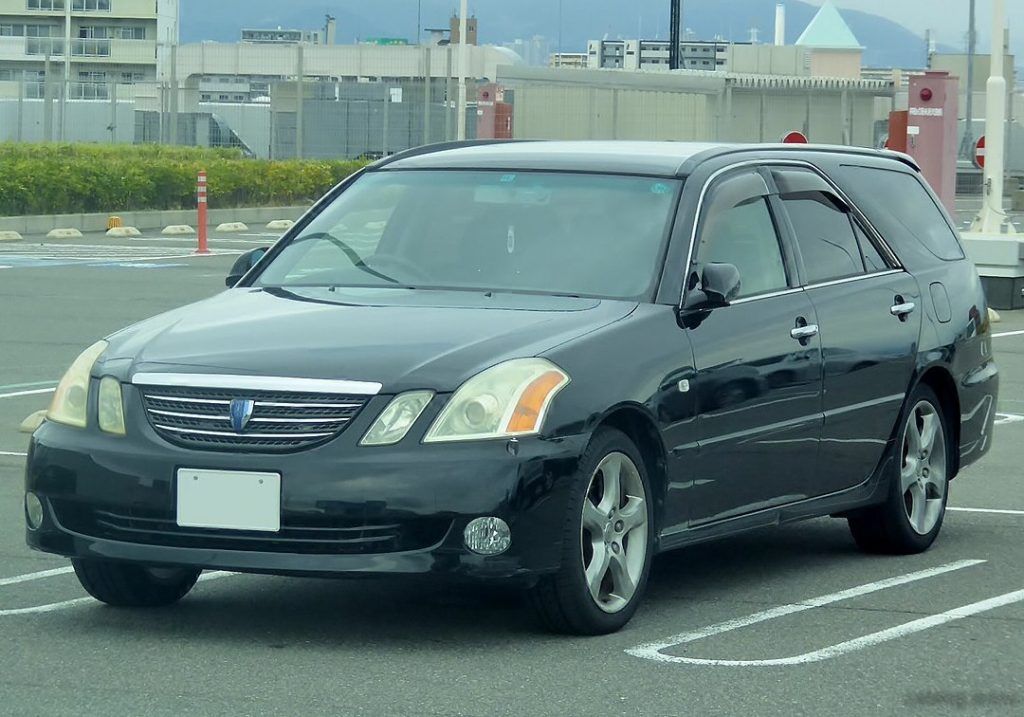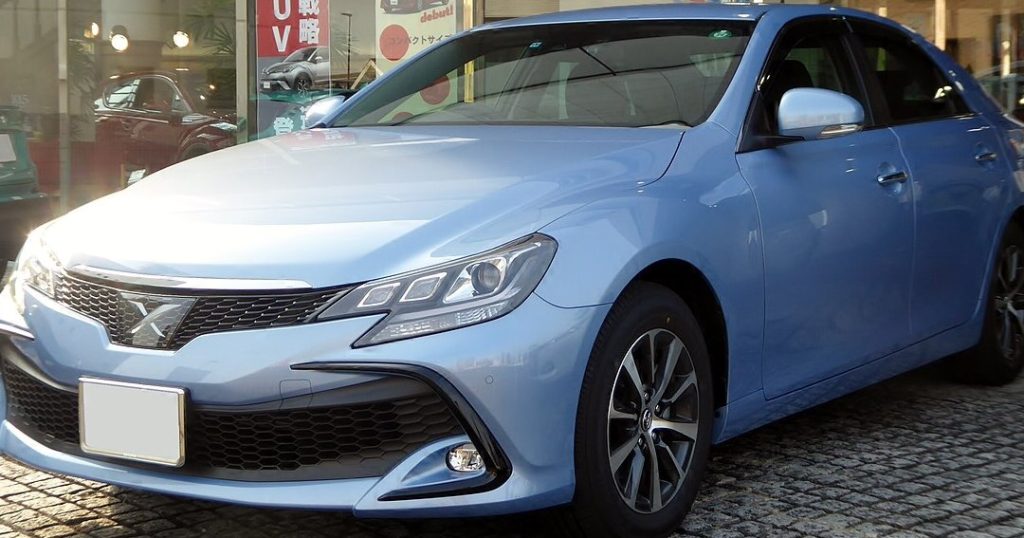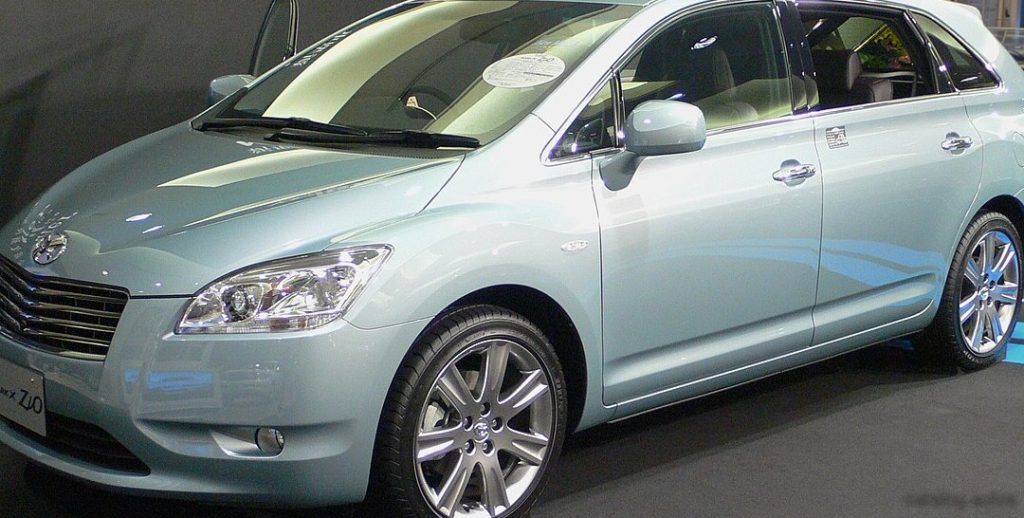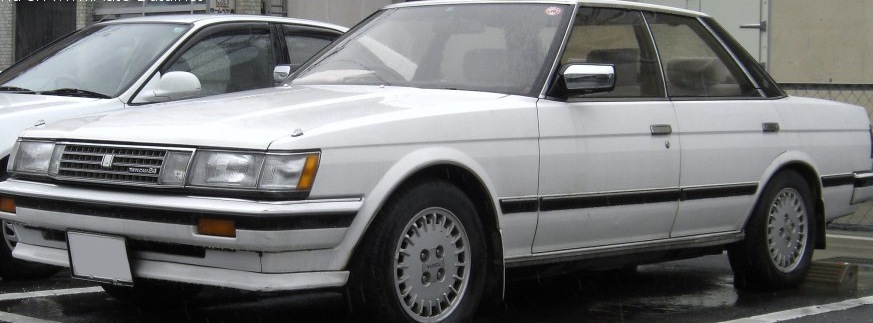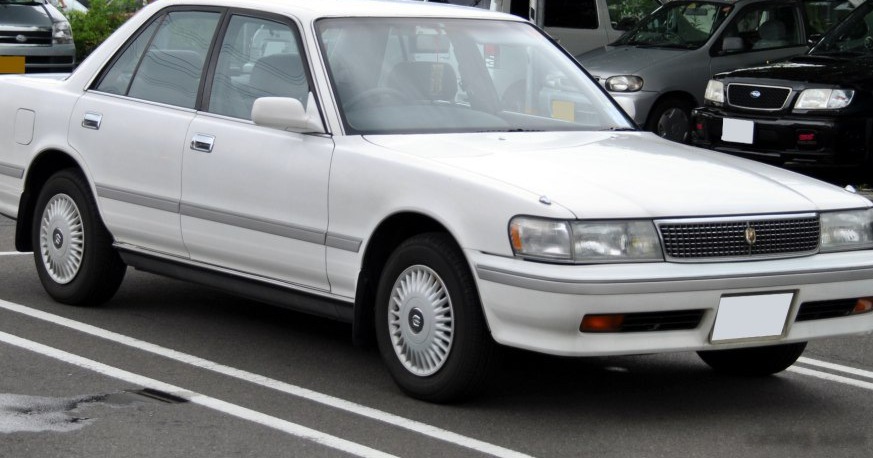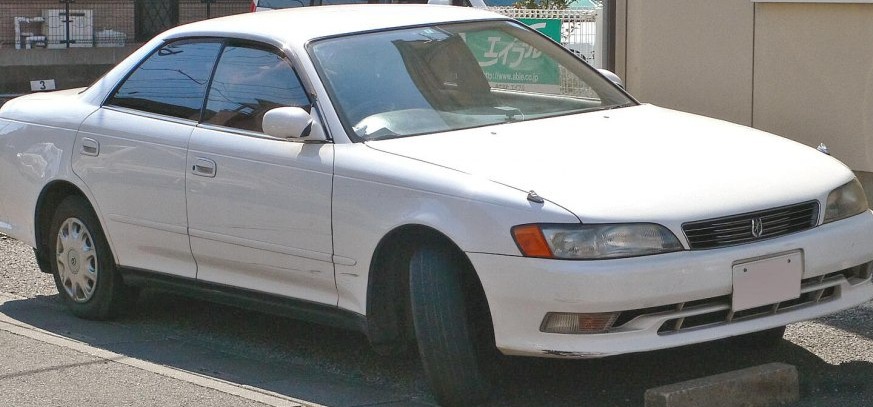
The Toyota Mark II GX90 1.8 i 16V, produced between 1992 and 1996, represented a key entry point into the popular Mark II sedan lineup. Positioned as a more affordable and fuel-efficient alternative to the higher-performance 2.0L and 2.4L variants, the 1.8L model catered to buyers prioritizing comfort, reliability, and reasonable running costs. This generation Mark II (GX90) was built on the JZX90 chassis, part of the broader Toyota ‘X’ platform family, known for its rear-wheel-drive configuration and focus on driver engagement. The 1.8L variant offered a balance between practicality and a relatively sporty driving experience, making it a common sight on Japanese roads during its production run.
Powertrain & Engine Architecture
The heart of the Mark II 1.8 i 16V was the 4S-FE inline-four cylinder engine. This 1.8-liter (1839 cc / 112.22 cu. in.) engine featured a cast iron block and an aluminum cylinder head, a common configuration for Toyota engines of the era. The ‘FE’ designation signified Toyota’s fuel-efficient engine series. The 4S-FE employed multi-port fuel injection, delivering fuel directly to each intake port for optimized combustion. It utilized a double overhead camshaft (DOHC) valvetrain with four valves per cylinder, contributing to its respectable power output for its displacement. Bore and stroke measured 82.5 mm (3.25 in) and 86 mm (3.39 in) respectively, with a compression ratio of 9.5:1. Engine oil capacity was 3.3 liters (3.49 US qt / 2.9 UK qt).
The 1.8L engine was almost exclusively paired with a four-speed automatic transmission. This transmission was designed for smooth shifting and ease of use, aligning with the target demographic of the vehicle. While a five-speed manual transmission was available on some Mark II models, it was rarely, if ever, offered with the 1.8L engine. The automatic transmission featured electronically controlled torque converter lock-up for improved fuel efficiency at highway speeds.
Performance Characteristics
The 4S-FE engine in the Mark II 1.8 i 16V produced 120 horsepower (hp) at 6000 rpm and 162 Nm (119.49 lb-ft) of torque at 4600 rpm. This resulted in a power-to-weight ratio of approximately 96 hp per tonne and a torque-to-weight ratio of 129.6 Nm per tonne. While not a performance-oriented setup, the engine provided adequate power for everyday driving. Acceleration from 0 to 60 mph was estimated to be around 11-12 seconds, depending on vehicle load and condition. The automatic transmission’s gear ratios were tuned for comfortable cruising and reasonable acceleration. First gear was relatively short for quick off-the-line response, while higher gears were geared for fuel efficiency. Compared to the 2.0L (3S-FE) and 2.4L (2JZ-GE) Mark II variants, the 1.8L offered significantly less power and acceleration, but it excelled in fuel economy.
Equipment & Trim Levels
The Mark II 1.8 i 16V typically came equipped with a reasonable level of standard features. Base models generally included power steering, air conditioning, and a basic audio system. Interior upholstery was typically cloth, with options for upgraded materials available. Dashboard configuration was straightforward and functional, prioritizing ease of use. Common optional extras included power windows, power locks, a sunroof, and upgraded audio systems. Higher trim levels, such as the Super Extra, added features like alloy wheels, upgraded interior trim, and more sophisticated audio systems. The 1.8L model often served as a base for these upgrades, allowing buyers to customize their vehicle to their preferences.
Chassis & Braking
The Mark II GX90 featured a rear-wheel-drive layout, contributing to its balanced handling characteristics. The front suspension utilized a multi-link setup with coil springs and stabilizer bar, while the rear suspension employed a semi-trailing arm configuration, also with coil springs. This suspension setup provided a comfortable ride while maintaining reasonable handling performance. Braking duties were handled by ventilated discs on the front wheels and solid discs on the rear. Hydraulic power steering was standard, providing light and responsive steering feel. The standard tire size was 185/70 R14 S. The chassis was designed to accommodate the lower weight of the 1.8L engine, resulting in a slightly different spring rate and stabilizer bar thickness compared to the higher-powered models.
Market Reception & Comparison
The Toyota Mark II 1.8 i 16V was generally well-received by critics as a practical and reliable family sedan. It was praised for its fuel efficiency, comfortable ride, and spacious interior. However, its relatively modest power output was often noted, particularly when compared to the more powerful Mark II variants. Fuel economy was rated at 6.7 l/100 km (35.1 US mpg / 42.2 UK mpg / 14.9 km/l), making it one of the most fuel-efficient models in the Mark II lineup. In terms of reliability, the 4S-FE engine proved to be exceptionally durable and long-lasting, with many examples exceeding 200,000 kilometers (124,000 miles) with minimal maintenance. Compared to the 2.0L and 2.4L models, the 1.8L offered a lower purchase price and lower running costs, making it an attractive option for budget-conscious buyers.
Technical Specifications
| Body Type | Sedan, 4 Doors, 5 Seats |
| Engine Type | Petrol (Gasoline) |
| Fuel Economy (Combined) | 6.7 l/100 km (35.1 US mpg, 42.2 UK mpg, 14.9 km/l) |
| Power Output | 120 Hp @ 6000 rpm |
| Torque Output | 162 Nm @ 4600 rpm (119.49 lb-ft @ 4600 rpm) |
| Engine Displacement | 1.8 l (1839 cm3 / 112.22 cu. in.) |
| Number of Cylinders | 4, Inline |
| Valvetrain | DOHC |
| Fuel Injection | Multi-port manifold injection |
| Kerb Weight | 1250 kg (2755.78 lbs) |
| Max. Weight | 1525 kg (3362.05 lbs) |
| Fuel Tank Capacity | 70 l (18.49 US gal / 15.4 UK gal) |
| Length | 4750 mm (187.01 in) |
| Width | 1750 mm (68.9 in) |
| Height | 1390 mm (54.72 in) |
| Wheelbase | 2730 mm (107.48 in) |
| Gearbox | 4 gears, automatic transmission |
| Drive Wheels | Rear wheel drive |
Legacy
The Toyota Mark II GX90 1.8 i 16V has maintained a reputation for reliability and durability in the used car market. The 4S-FE engine is known for its longevity and relatively low maintenance costs. While not as sought after as the higher-performance variants, the 1.8L model remains a popular choice for buyers seeking a comfortable, reliable, and fuel-efficient rear-wheel-drive sedan. Parts availability is generally good, and the vehicle’s simple mechanical design makes it relatively easy to maintain. Today, well-maintained examples of the Mark II 1.8 i 16V are considered classic Japanese cars, appreciated for their build quality and timeless design. The combination of the robust 4S-FE engine and the reliable automatic transmission continues to provide years of service for those who appreciate a well-engineered and dependable vehicle.