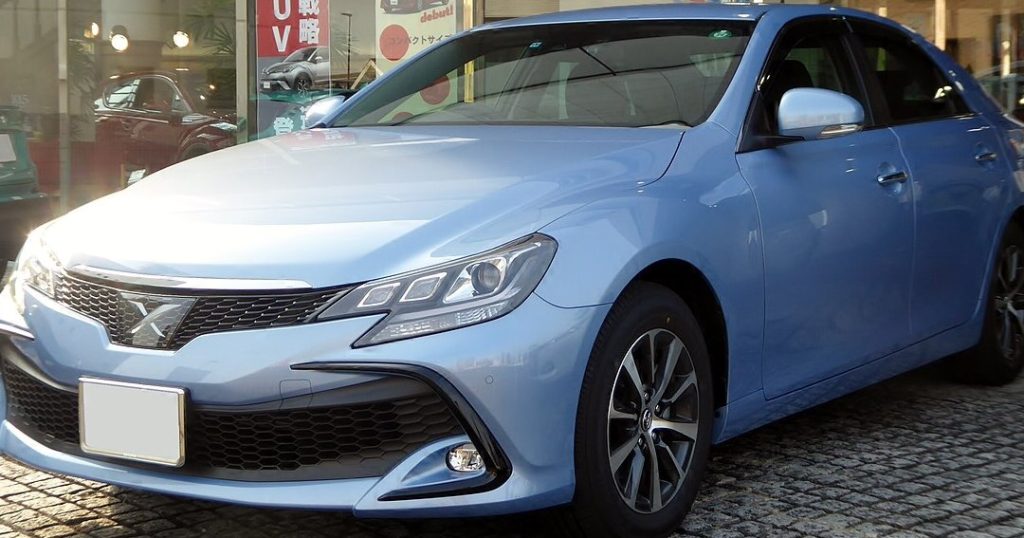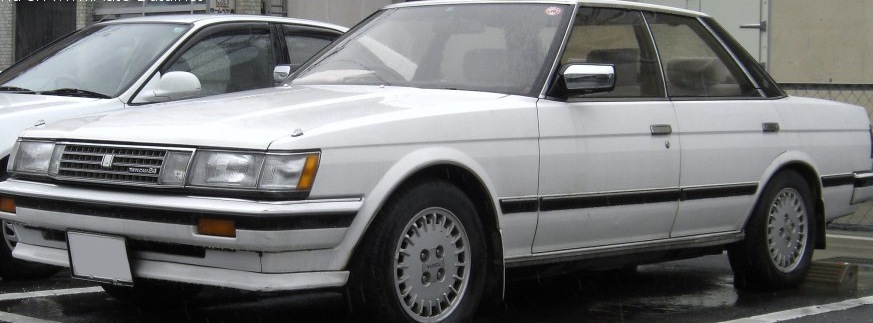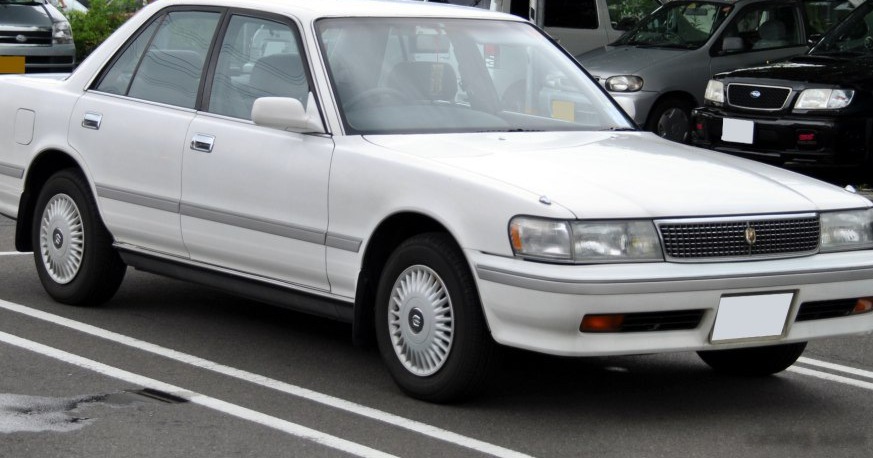
The Toyota Mark II GX90 3.0 i 24V, produced between 1992 and 1996, represents a significant iteration of Toyota’s long-running Mark II lineage. This model, part of the GX90 generation (1992-1996), occupied a premium position within the Mark II lineup, offering a blend of performance, comfort, and sophisticated styling. It was marketed as a comfortable and sporty sedan, appealing to buyers seeking a step up from more mainstream offerings. The GX90 generation as a whole aimed to modernize the Mark II, offering increased refinement and a more contemporary design compared to its predecessors.
The 3.0 i 24V: Positioning and Overview
The 3.0 i 24V variant was positioned as a higher-end trim level within the GX90 Mark II range. While the Mark II was offered with a variety of engines, including smaller displacement inline-sixes and four-cylinder options, the 3.0-liter engine represented the performance peak for the generation, short of the later introduction of the turbocharged models. It catered to drivers who desired a more spirited driving experience without sacrificing the comfort and luxury expected of a mid-size sedan. Compared to the lower-displacement engines, the 3.0 i 24V offered substantially more power and torque, making it a more capable cruiser and performer. It differed significantly from the more economical four-cylinder models, which prioritized fuel efficiency over outright performance.
Powertrain & Engine Architecture
At the heart of the 3.0 i 24V Mark II lies the 2JZ-GE inline-six engine. This 2,997 cc (182.89 cubic inches) engine is a naturally aspirated, 24-valve DOHC (Dual Overhead Camshaft) powerplant. The engine utilizes a multi-port fuel injection system, delivering precise fuel metering for optimal combustion. Bore and stroke dimensions are 86 mm x 86 mm, resulting in a compression ratio of 10.5:1. The 2JZ-GE is renowned for its smoothness and durability, characteristics that contributed to the Mark II’s reputation for reliability. The engine’s longitudinal front-engine layout contributes to balanced weight distribution, enhancing handling characteristics.
Paired with the 2JZ-GE is a 4-speed automatic transmission. This transmission was chosen to provide a balance of convenience and performance, catering to the target audience who valued ease of use alongside the engine’s capabilities. While a 5-speed manual transmission was available on some Mark II models, it was less common on the 3.0 i 24V, with the automatic being the preferred choice for most buyers. The automatic transmission features electronic control, optimizing shift points for both performance and fuel efficiency.
Driving Characteristics
The 3.0 i 24V Mark II delivers a refined and capable driving experience. The 220 horsepower at 5,800 rpm and 294 Nm (216.84 lb-ft) of torque at 3,800 rpm provide ample power for both city driving and highway cruising. The automatic transmission, while not offering the direct control of a manual, provides smooth and responsive shifts. The power delivery is linear and predictable, making the car easy to drive in a variety of conditions. The weight-to-power ratio of 6.5 kg/hp (154.9 hp/tonne) contributes to a respectable level of acceleration. Compared to the lower-powered Mark II variants, the 3.0 i 24V feels significantly more responsive and capable, particularly when overtaking or merging onto highways. The rear-wheel-drive configuration provides a balanced feel and contributes to the car’s overall driving dynamics.
Equipment & Trim Levels
The 3.0 i 24V Mark II typically came equipped with a generous array of standard features. These included power windows, power locks, power steering, air conditioning, and a high-quality audio system. Interior upholstery was typically cloth or leather, with the latter being an optional upgrade. The dashboard layout was designed for functionality and ease of use, with clearly marked controls and a comprehensive instrument cluster. Optional extras included a sunroof, upgraded audio systems, and various cosmetic enhancements. The trim level often dictated the availability of these options, with higher-spec versions offering a more extensive list of features.
Chassis & Braking
The GX90 Mark II features a robust chassis designed to handle the power of the 3.0-liter engine. The suspension system utilizes a multi-link setup for both the front and rear axles, providing a comfortable ride and good handling characteristics. The front suspension employs several levers and rods, while the rear suspension is similarly sophisticated. Braking duties are handled by ventilated discs at the front and solid discs at the rear, providing adequate stopping power. An Anti-lock Braking System (ABS) was standard equipment, enhancing safety and control during emergency braking situations. The car rides on 205/60 R15 H tires, providing a good balance of grip and ride comfort. Steering is rack and pinion with hydraulic power assistance, offering precise and responsive steering feel.
Market Reception & Comparison
The Toyota Mark II GX90 3.0 i 24V was generally well-received by automotive critics. It was praised for its smooth engine, comfortable ride, and refined interior. While not a dedicated sports sedan, it offered a compelling blend of performance and luxury. Fuel economy was rated at 8.8 l/100 km (26.7 US mpg, 32.1 UK mpg, 11.4 km/l), which was respectable for a vehicle of its size and performance. Compared to other trims in the Mark II lineup, the 3.0 i 24V offered a significant performance advantage, but at a higher price point. Reliability was also a strong point, with the 2JZ-GE engine being known for its durability. In comparison to competitors like the Nissan Laurel or Honda Inspire, the Mark II offered a slightly more sporty driving experience and a reputation for long-term reliability.
Technical Specifications
| Body Type | Sedan, 4 Doors, 5 Seats |
| Fuel Economy (Combined) | 8.8 l/100 km (26.7 US mpg, 32.1 UK mpg, 11.4 km/l) |
| Engine Type | Petrol (Gasoline) |
| Weight-to-Power Ratio | 6.5 kg/Hp, 154.9 Hp/tonne |
| Weight-to-Torque Ratio | 4.8 kg/Nm, 207 Nm/tonne |
| Power | 220 Hp @ 5800 rpm |
| Power per Liter | 73.4 Hp/l |
| Torque | 294 Nm @ 3800 rpm (216.84 lb.-ft. @ 3800 rpm) |
| Engine Layout | Front, Longitudinal |
| Engine Displacement | 2997 cm3 (182.89 cu. in.) |
| Number of Cylinders | 6 |
| Engine Configuration | Inline |
| Cylinder Bore | 86 mm (3.39 in.) |
| Piston Stroke | 86 mm (3.39 in.) |
| Compression Ratio | 10.5:1 |
| Number of Valves per Cylinder | 4 |
| Fuel Injection System | Multi-port manifold injection |
| Engine Aspiration | Naturally aspirated |
| Valvetrain | DOHC |
| Kerb Weight | 1420 kg (3130.56 lbs.) |
| Max. Weight | 1695 kg (3736.84 lbs.) |
| Max Load | 275 kg (606.27 lbs.) |
| Fuel Tank Capacity | 70 l (18.49 US gal | 15.4 UK gal) |
| Length | 4750 mm (187.01 in.) |
| Width | 1750 mm (68.9 in.) |
| Height | 1390 mm (54.72 in.) |
| Wheelbase | 2730 mm (107.48 in.) |
| Front Track | 1485 mm (58.46 in.) |
| Rear Track | 1495 mm (58.86 in.) |
| Drivetrain | Rear wheel drive |
| Number of Gears & Gearbox Type | 4 gears, automatic transmission |
| Front Brakes | Ventilated discs |
| Rear Brakes | Disc |
| Assisting Systems | ABS (Anti-lock braking system) |
| Steering Type | Steering rack and pinion |
| Power Steering | Hydraulic Steering |
| Tires Size | 205/60 R15 H |
Legacy
The Toyota Mark II GX90 3.0 i 24V, and the 2JZ-GE engine in particular, has developed a strong following among enthusiasts. The engine is known for its robustness and potential for modification. While the GX90 generation is now considered a classic, well-maintained examples are still sought after by collectors and drivers who appreciate its blend of comfort, performance, and reliability. In the used car market, these vehicles typically command a premium compared to lower-spec Mark II variants. The 2JZ-GE remains a popular choice for engine swaps and modifications, testament to its enduring appeal and engineering excellence. The 3.0 i 24V represents a high point in the Mark II’s history, offering a compelling package that continues to resonate with enthusiasts today.