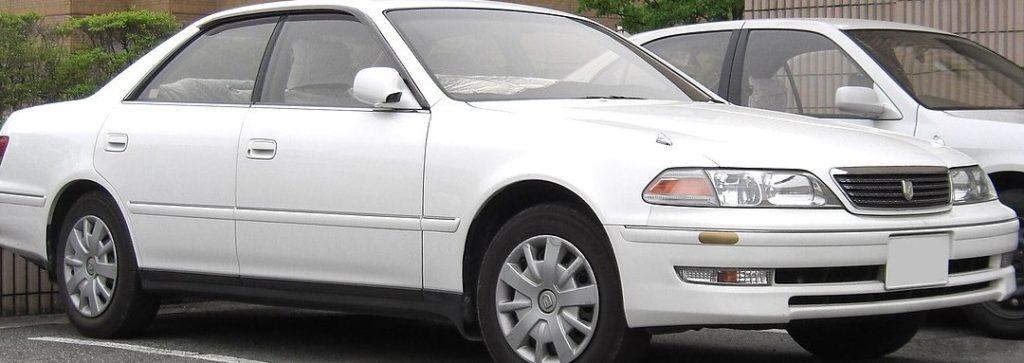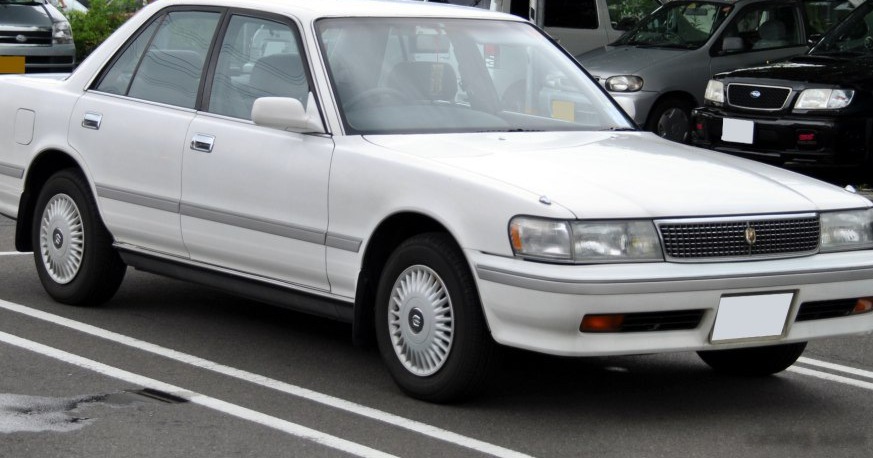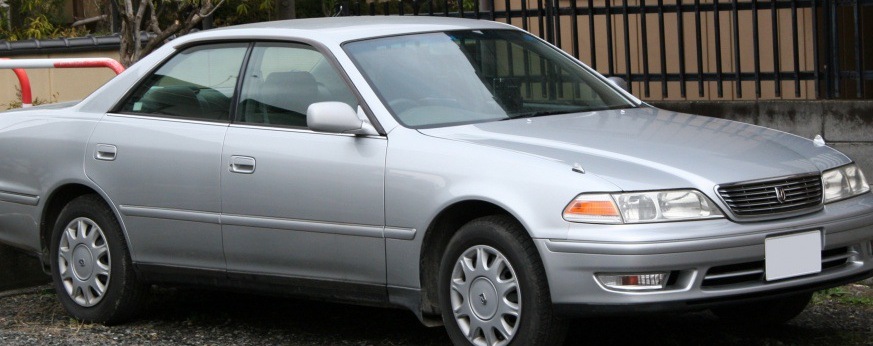
The Toyota Mark II JZX100 2.0i 24V, producing 140 horsepower, was a mid-range offering within the broader JZX100 Mark II lineup produced between 1996 and 2001. Positioned as a comfortable and relatively affordable option, it catered to buyers seeking a blend of practicality, refinement, and respectable performance. The JZX100 generation represented a significant evolution for the Mark II, building upon its established reputation as a stylish and well-equipped Japanese domestic market (JDM) sedan. It was built on Toyota’s robust rear-wheel-drive platform, offering a driving experience distinct from the increasingly prevalent front-wheel-drive competitors.
Powertrain & Engine Architecture
The heart of the JZX100 2.0i 24V is the 1JZ-GE inline-six cylinder engine. This 1988cc (121.32 cubic inches) naturally aspirated engine utilizes a double overhead camshaft (DOHC) valvetrain with four valves per cylinder, contributing to its smooth power delivery and relatively high specific output. The engine code, 1JZ-GE, signifies its position within Toyota’s JZ engine family, known for its durability and tuning potential. Fuel delivery is managed by a multi-port fuel injection system, ensuring precise fuel metering for optimal combustion efficiency and emissions control. The compression ratio is set at 9.6:1, a balance between performance and reliability. Unlike the turbocharged 1JZ-GTE found in higher-performance Mark II variants, the 1JZ-GE relies solely on displacement and efficient engine design for its power output.
Transmission Details
While a four-speed automatic transmission was available, the 2.0i 24V was most commonly paired with a five-speed manual transmission. This manual gearbox provided drivers with greater control over the engine’s powerband and contributed to a more engaging driving experience. The automatic transmission, when equipped, offered smooth shifts but at the expense of some performance and fuel economy. The transmission’s gear ratios were tuned to provide a balance between acceleration and cruising efficiency, prioritizing comfortable daily driving over outright speed.
Driving Characteristics
The JZX100 2.0i 24V delivers a refined and predictable driving experience. With 140 hp at 5600 rpm and 181 Nm (133.5 lb-ft) of torque at 4400 rpm, acceleration is adequate for everyday driving, though it doesn’t possess the briskness of the turbocharged models. The inline-six engine provides a smooth and linear power delivery, making it easy to modulate throttle inputs. The rear-wheel-drive configuration contributes to balanced handling, offering a more connected feel to the driver compared to front-wheel-drive alternatives. The manual transmission allows for precise gear selection, maximizing engine performance, while the automatic provides convenience in urban environments. Compared to the more powerful 1JZ-GTE turbo variants, the 2.0i 24V feels less urgent, but its predictable nature makes it a more approachable and forgiving vehicle for less experienced drivers.
Equipment & Trim Levels
The JZX100 2.0i 24V typically came equipped with a respectable level of standard features, reflecting its position as a mid-range offering. Interior appointments generally included cloth upholstery, power windows, power locks, and a basic audio system. Air conditioning was standard. Higher trim levels, often denoted by suffixes like “Grande” or “Super Grande,” added features such as woodgrain interior trim, upgraded audio systems, and optional leather upholstery. Optional extras could include a sunroof, alloy wheels, and advanced climate control systems. The dashboard layout was functional and driver-focused, with clearly labeled controls and a straightforward instrument cluster. The overall interior ambiance prioritized comfort and practicality over outright luxury.
Chassis & Braking
The JZX100 2.0i 24V utilizes a robust chassis featuring independent wishbone suspension at both the front and rear. This suspension setup provides a comfortable ride while maintaining good handling characteristics. The front suspension incorporates coil springs and shock absorbers, while the rear suspension utilizes a similar configuration. Braking duties are handled by ventilated discs at the front and solid discs at the rear. Anti-lock braking system (ABS) was standard, enhancing safety by preventing wheel lockup during hard braking. The steering system employs a hydraulic power steering rack and pinion, providing responsive and precise steering feel. The vehicle rides on 195/65 R15 tires, offering a good balance between ride comfort and grip.
Market Reception & Comparison
The JZX100 2.0i 24V was generally well-received by Japanese automotive critics as a practical and reliable sedan. While not as exciting as the turbocharged variants, it was praised for its smooth engine, comfortable ride, and well-appointed interior. Fuel economy was considered reasonable for a vehicle of its size and class, with urban consumption around 14 l/100 km (16.8 US mpg) and extra-urban consumption around 8 l/100 km (29.4 US mpg). Compared to the 1JZ-GTE-powered models, the 2.0i 24V offered lower running costs due to its simpler engine design and reduced maintenance requirements. It also appealed to a broader audience who prioritized comfort and reliability over outright performance. Against competitors like the Nissan Cefiro and Honda Inspire, the Mark II 2.0i 24V offered a compelling combination of style, features, and driving dynamics.
Technical Specifications
| Brand | Toyota |
| Model | Mark II |
| Generation | Mark II (JZX100) |
| Type (Engine) | 2.0i 24V (140 Hp) |
| Start of production | 1996 |
| End of production | 2001 |
| Powertrain Architecture | Internal Combustion engine |
| Body type | Sedan |
| Seats | 5 |
| Doors | 4 |
| Fuel consumption (urban) | 14 l/100 km (16.8 US mpg) |
| Fuel consumption (extra urban) | 8 l/100 km (29.4 US mpg) |
| Fuel Type | Petrol (Gasoline) |
| Maximum speed | 190 km/h (118.06 mph) |
| Power | 140 Hp @ 5600 rpm |
| Torque | 181 Nm @ 4400 rpm (133.5 lb.-ft. @ 4400 rpm) |
| Engine layout | Front, Longitudinal |
| Engine displacement | 1988 cm3 (121.32 cu. in.) |
| Number of cylinders | 6 |
| Engine configuration | Inline |
| Cylinder Bore | 75 mm (2.95 in.) |
| Piston Stroke | 75 mm (2.95 in.) |
| Compression ratio | 9.6:1 |
| Number of valves per cylinder | 4 |
| Fuel injection system | Multi-port manifold injection |
| Engine aspiration | Naturally aspirated |
| Valvetrain | DOHC |
| Kerb Weight | 1320 kg (2910.1 lbs.) |
| Fuel tank capacity | 70 l (18.49 US gal | 15.4 UK gal) |
| Length | 4760 mm (187.4 in.) |
| Width | 1760 mm (69.29 in.) |
| Height | 1400 mm (55.12 in.) |
| Wheelbase | 2730 mm (107.48 in.) |
| Front track | 1485 mm (58.46 in.) |
| Rear track | 1495 mm (58.86 in.) |
| Drivetrain | Rear wheel drive |
| Number of gears | 5 (manual) |
| Gearbox type | Manual transmission |
| Front suspension | Wishbone |
| Rear suspension | Wishbone |
| Front brakes | Ventilated discs |
| Rear brakes | Disc |
| Assisting systems | ABS (Anti-lock braking system) |
| Steering type | Steering rack and pinion |
| Power steering | Hydraulic |
| Tires size | 195/65 R15 |
Legacy
The JZX100 2.0i 24V, while often overshadowed by its turbocharged siblings, remains a respected and reliable vehicle in the used car market. The 1JZ-GE engine is known for its longevity and relatively simple maintenance requirements. Parts availability is generally good, and the engine is capable of handling moderate modifications. Today, these Mark IIs are sought after by enthusiasts who appreciate their classic styling, rear-wheel-drive configuration, and the inherent robustness of Toyota engineering. While not a high-performance machine, the 2.0i 24V offers a comfortable and dependable driving experience, making it a viable option for those seeking a well-built and stylish Japanese sedan.