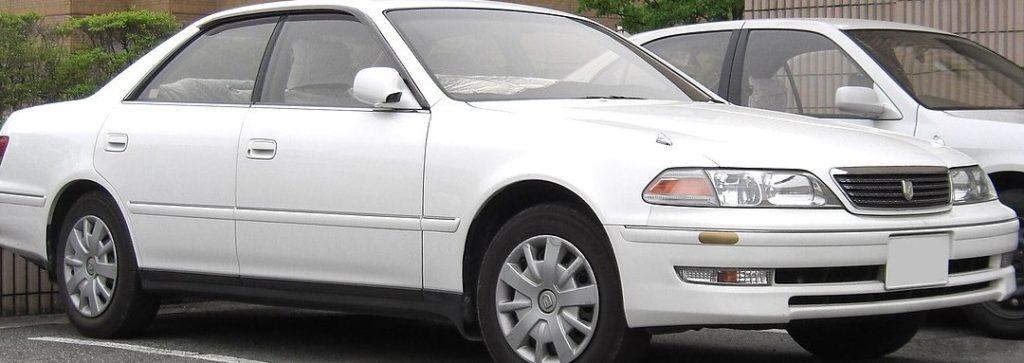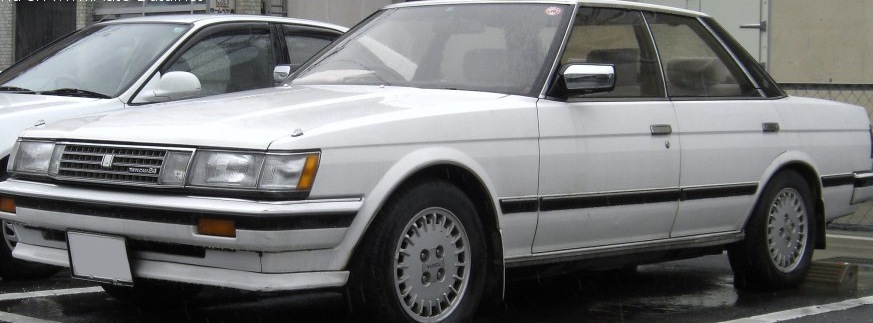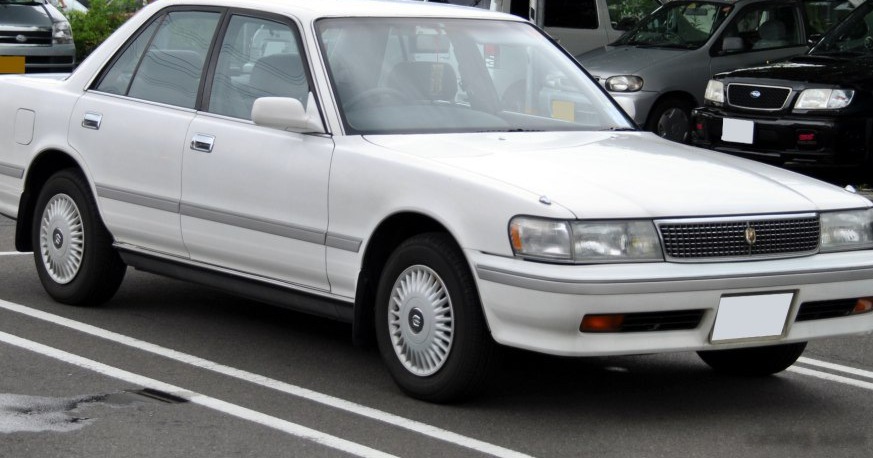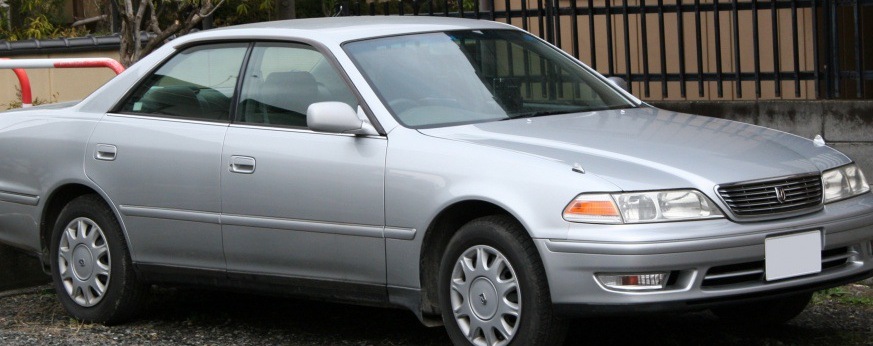
The Toyota Mark II JZX100 2.0i 24V, produced between 1998 and 2001, represents a significant iteration of Toyota’s long-running Mark II lineage. This particular variant occupied a middle ground within the JZX100 range, offering a balance between performance and affordability. Positioned above the base models but below the more potent turbocharged variants and the 2.5-liter engine options, the 2.0i 24V catered to buyers seeking a comfortable, reliable, and reasonably sporty sedan. The JZX100 generation, built on the Toyota 1HX0 platform (also shared with the Chaser and Cresta), was known for its rear-wheel-drive configuration and focus on driving dynamics, a characteristic that set it apart from many contemporary front-wheel-drive sedans.
Powertrain & Engine Architecture
The heart of the JZX100 2.0i 24V is the 1J-GE inline-six cylinder engine. This 1988cc (121.32 cubic inches) naturally aspirated engine utilizes a double overhead camshaft (DOHC) valvetrain with four valves per cylinder, contributing to its 24-valve designation. The engine produces 160 horsepower at 6200 rpm and 200 Nm (147.51 lb-ft) of torque at 4400 rpm. The 1J-GE employs multi-port fuel injection, a system that delivers fuel directly to each intake port for improved efficiency and responsiveness. The engine’s bore and stroke are both 75mm (2.95 inches), resulting in a compression ratio of 10:1. While not as technologically advanced as some contemporary engines, the 1J-GE was renowned for its durability and smooth power delivery.
The JZX100 2.0i 24V was primarily offered with a 5-speed manual transmission. However, a 4-speed automatic transmission was also available, and this configuration is the focus of this article. The automatic transmission, while providing convenience, did impact the vehicle’s acceleration and overall driving experience compared to the manual version. The automatic’s gear ratios were tuned for comfortable cruising and fuel efficiency rather than outright performance. The transmission is electronically controlled, offering smoother shifts than older hydraulic systems.
Driving Characteristics
The JZX100 2.0i 24V with the automatic transmission delivers a comfortable and refined driving experience. Acceleration is adequate for everyday driving, but it doesn’t possess the briskness of the turbocharged models or even the manual transmission versions. The automatic transmission’s shift points are generally well-placed, but can feel somewhat hesitant during quick overtaking maneuvers. The rear-wheel-drive layout provides a balanced feel and predictable handling, making it enjoyable to drive on winding roads. The power delivery is linear, with the engine building revs smoothly. The automatic transmission does diminish some of the engine’s potential, resulting in a 0-60 mph time estimated around 9-10 seconds, slower than the manual counterpart. The weight distribution, combined with the well-tuned suspension, contributes to a stable and confident ride.
Equipment & Trim Levels
The JZX100 2.0i 24V typically came equipped with a respectable level of standard features. Interior appointments included cloth upholstery, power windows, power locks, and air conditioning. The dashboard layout was functional and straightforward, prioritizing usability over extravagant design. Optional extras included a sunroof, upgraded audio systems, and leather upholstery. Higher trim levels, often denoted by suffixes like “Grande” or “Super Grande,” added features such as woodgrain interior trim, automatic climate control, and alloy wheels. The base models often featured steel wheels with hubcaps. Safety features included ABS (Anti-lock Braking System) as standard equipment, a significant advancement for the time. The steering wheel was power-assisted, providing ease of maneuverability at low speeds.
Chassis & Braking
The JZX100 2.0i 24V utilizes a robust chassis with independent wishbone suspension at both the front and rear. This suspension setup provides a comfortable ride while maintaining good handling characteristics. The front suspension incorporates coil springs and shock absorbers, while the rear suspension also utilizes coil springs and shock absorbers, along with a stabilizer bar to reduce body roll. Braking duties are handled by ventilated discs at the front and solid discs at the rear. The ABS system helps to prevent wheel lockup during hard braking, enhancing safety and control. The steering system is a rack and pinion type, providing precise and responsive steering feel. The tires are typically 195/65 R15, offering a good balance between comfort and grip.
Market Reception & Comparison
The JZX100 2.0i 24V was generally well-received by automotive critics as a capable and comfortable sedan. It was praised for its smooth engine, refined ride, and predictable handling. However, it was often criticized for lacking the outright performance of the turbocharged models. Compared to the JZX100 2.5 Quad Cam 24V, the 2.0i offered a more affordable entry point into the Mark II range, but at the expense of power and performance. Fuel economy was considered reasonable for its class, with urban consumption around 14 l/100 km (16.8 US mpg) and extra-urban consumption around 8 l/100 km (29.4 US mpg). Reliability was a strong point, with the 1J-GE engine proving to be exceptionally durable when properly maintained. The automatic transmission, while not as sporty as the manual, was generally reliable as well.
Technical Specifications
| Brand | Toyota |
| Model | Mark II |
| Generation | Mark II (JZX100) |
| Type (Engine) | 2.0i 24V (160 Hp) |
| Start of production | 1998 |
| End of production | 2001 |
| Powertrain Architecture | Internal Combustion engine |
| Body type | Sedan |
| Seats | 5 |
| Doors | 4 |
| Fuel consumption (urban) | 14 l/100 km (16.8 US mpg) |
| Fuel consumption (extra urban) | 8 l/100 km (29.4 US mpg) |
| Fuel Type | Petrol (Gasoline) |
| Maximum speed | 190 km/h (118.06 mph) |
| Kerb Weight | 1320 kg (2910.1 lbs) |
| Engine Displacement | 1988 cm3 (121.32 cu. in.) |
| Number of cylinders | 6 |
| Engine configuration | Inline |
| Cylinder Bore | 75 mm (2.95 in.) |
| Piston Stroke | 75 mm (2.95 in.) |
| Compression ratio | 10:1 |
| Number of valves per cylinder | 4 |
| Fuel injection system | Multi-port manifold injection |
| Engine aspiration | Naturally aspirated |
| Valvetrain | DOHC |
| Power | 160 Hp @ 6200 rpm |
| Torque | 200 Nm @ 4400 rpm (147.51 lb.-ft. @ 4400 rpm) |
| Drive wheel | Rear wheel drive |
| Number of gears and type of gearbox | 4 gears, automatic transmission |
| Front suspension | Wishbone |
| Rear suspension | Wishbone |
| Front brakes | Ventilated discs |
| Rear brakes | Disc |
| Tires size | 195/65 R15 |
| Fuel tank capacity | 70 l (18.49 US gal | 15.4 UK gal) |
| Length | 4760 mm (187.4 in.) |
| Width | 1760 mm (69.29 in.) |
| Height | 1400 mm (55.12 in.) |
| Wheelbase | 2730 mm (107.48 in.) |
Legacy
The JZX100 2.0i 24V, particularly with the automatic transmission, has become a popular choice among enthusiasts seeking a classic Japanese sedan. The 1J-GE engine is known for its longevity and relatively simple maintenance requirements. While not as sought after as the turbocharged variants, the 2.0i 24V offers a more affordable entry point into the JZX100 world. In the used car market, these vehicles are generally well-maintained, but potential buyers should be aware of common issues such as age-related wear and tear on suspension components and potential for rust. The automatic transmission, if properly serviced, can provide years of reliable operation. The JZX100 2.0i 24V remains a testament to Toyota’s engineering prowess and a desirable classic for those who appreciate a well-built, rear-wheel-drive sedan.