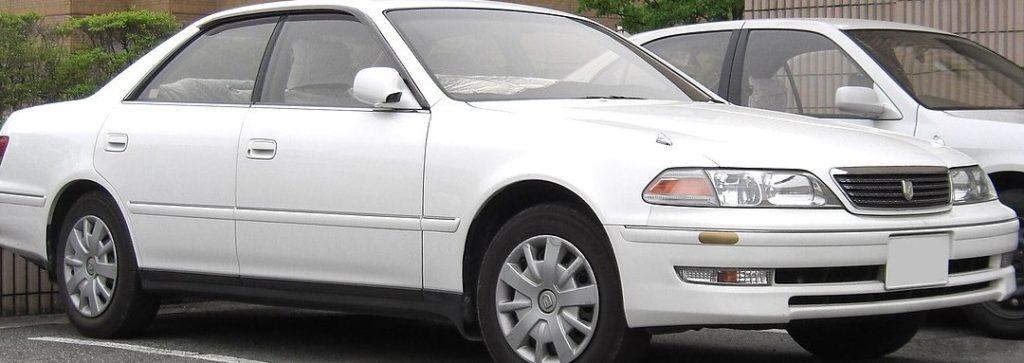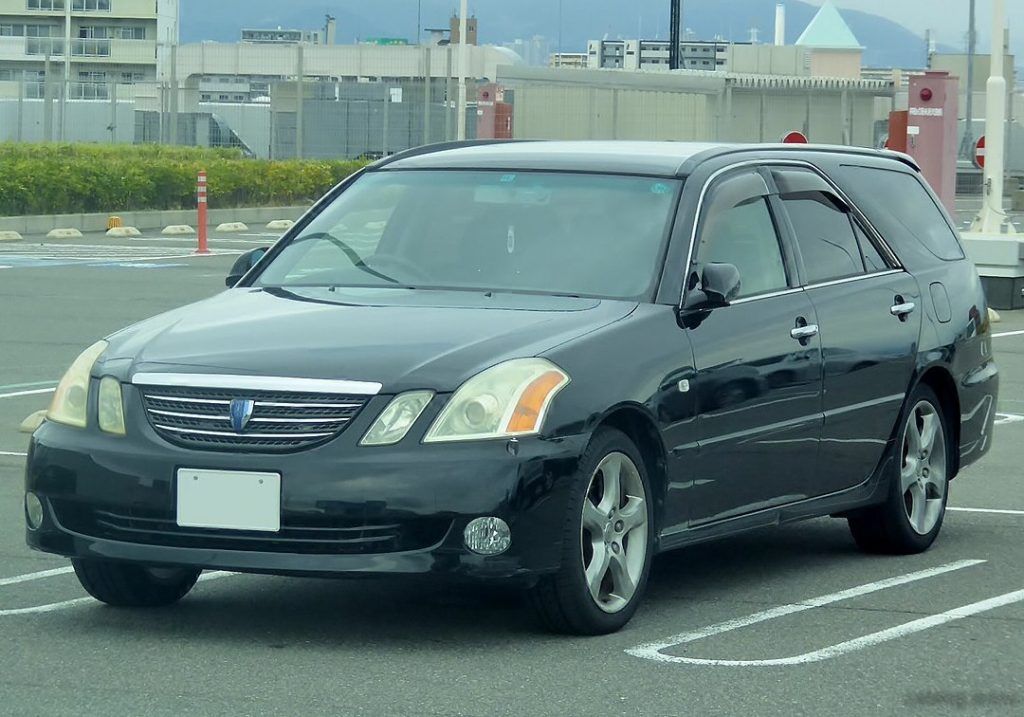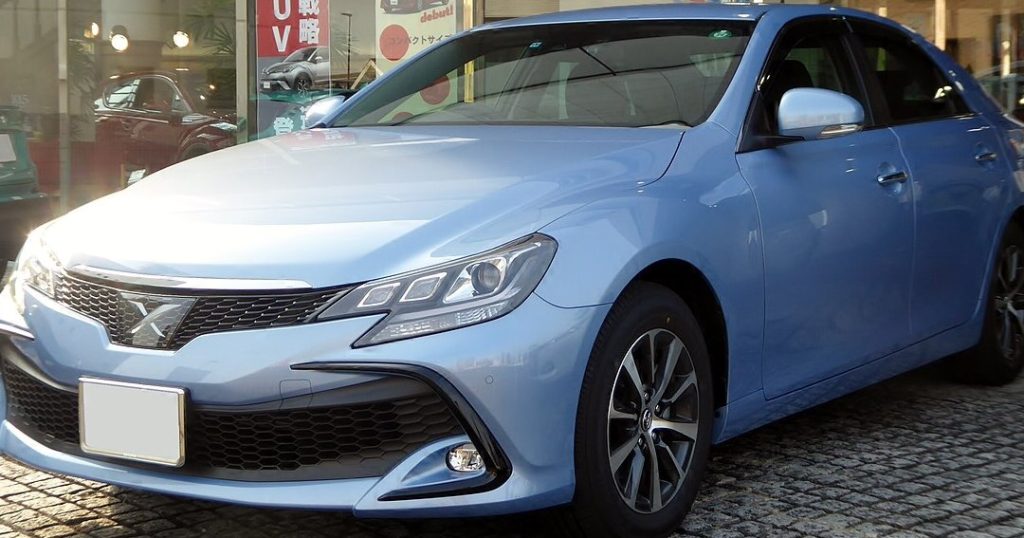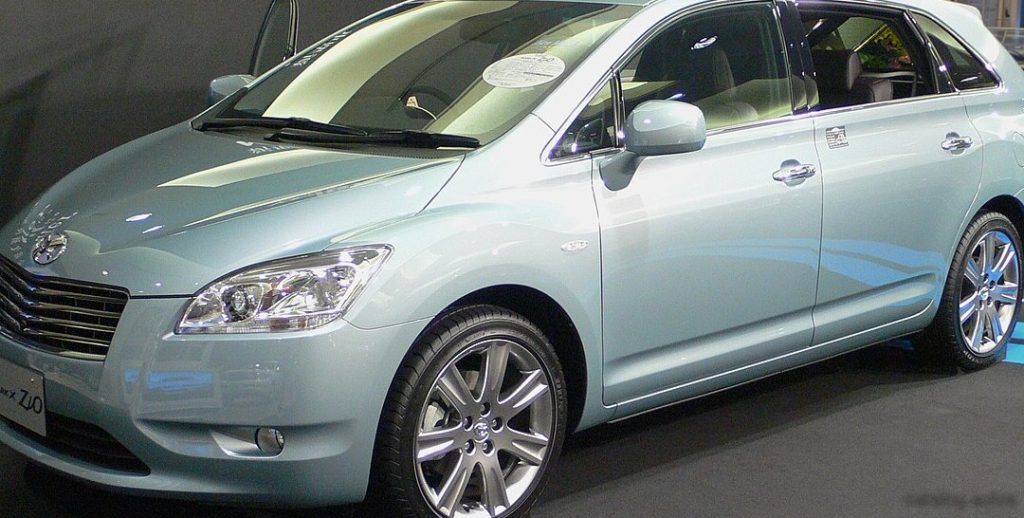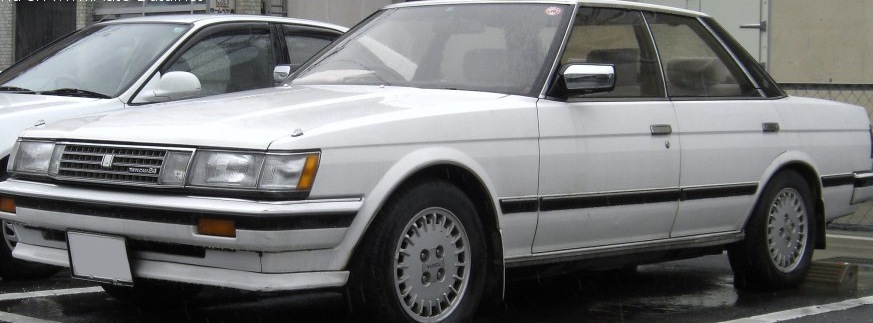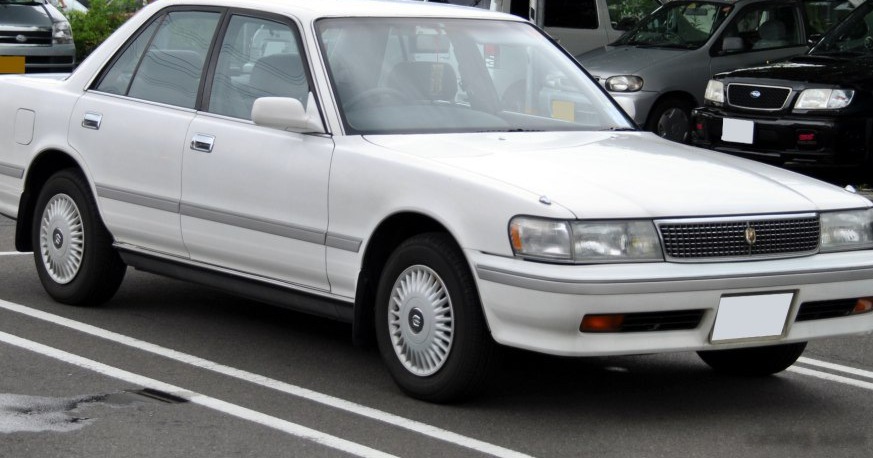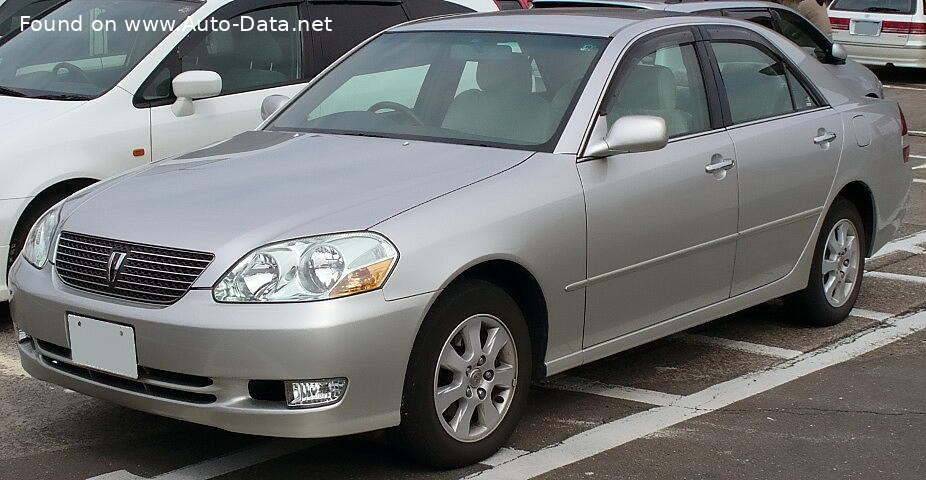
The Toyota Mark II JZX110 2.0 i 24V (160 hp) represents a significant iteration of Toyota’s long-running Mark II lineage, produced between October 2000 and October 2004. This variant occupied a middle ground within the JZX110 range, offering a balance between performance and affordability. It was positioned as a more accessible alternative to the higher-performance models like the 2.5L versions, while providing a more refined experience than the base 2.0L non-24V engine. The JZX110 generation, built on the Toyota J platform, continued the Mark II’s tradition as a comfortable and reliable rear-wheel-drive sedan, popular for both private ownership and as a taxicab in Japan.
Powertrain & Engine Architecture
The heart of the Mark II 2.0 i 24V is the 1G-FE inline-six cylinder engine. This 1988 cc (121.32 cu. in.) engine produces 160 horsepower at 6200 rpm and 200 Nm (147.51 lb.-ft.) of torque at 4400 rpm. The “24V” designation refers to the engine’s four valves per cylinder, contributing to its improved breathing and power output compared to earlier Mark II engines. The 1G-FE utilizes a multi-port fuel injection system, ensuring precise fuel delivery for optimal combustion. The engine features a double overhead camshaft (DOHC) valvetrain, further enhancing its volumetric efficiency. The compression ratio is set at 10:1, a typical value for naturally aspirated engines of this era.
Power is transmitted to the rear wheels via a four-speed automatic transmission. This transmission was chosen to provide a smooth and convenient driving experience, appealing to a broader customer base than the available manual options. While not known for its sportiness, the four-speed automatic was reliable and well-suited to the engine’s torque curve. The transmission’s gear ratios were optimized for both city driving and highway cruising, prioritizing comfort and fuel efficiency over outright acceleration.
Engine Codes and Variations
The 1G-FE engine itself saw minor variations throughout its production run. While the core specifications remained consistent, subtle changes were made to improve emissions and reliability. Identifying the specific sub-version of the 1G-FE can be crucial for sourcing correct replacement parts. The automatic transmission paired with the 1G-FE in the JZX110 was a Toyota-built unit, known for its durability, but requiring regular fluid changes for optimal performance.
Driving Characteristics
The Mark II 2.0 i 24V Automatic delivers a comfortable and predictable driving experience. Acceleration is adequate for everyday driving, with a 0-60 mph time estimated around 9-10 seconds. However, it’s noticeably slower than the more powerful 2.5L variants. The automatic transmission contributes to a smooth power delivery, but can feel somewhat sluggish during quick overtaking maneuvers. The rear-wheel-drive configuration provides a balanced feel, although it lacks the dynamic handling of more modern sports sedans. The suspension is tuned for comfort, absorbing bumps and imperfections in the road effectively. Compared to a manual transmission equipped JZX110, the automatic version sacrifices some driver engagement and responsiveness, but gains in ease of use.
The 1G-FE engine is known for its smooth operation and relatively quiet demeanor. While it doesn’t offer the exhilarating sound of a turbocharged engine, it provides a refined and pleasant driving experience. The four-speed automatic transmission, while not particularly advanced, is reliable and contributes to the car’s overall ease of driving.
Equipment & Trim Levels
The Mark II 2.0 i 24V typically came equipped with a reasonable level of standard features. These included power windows, power locks, air conditioning, and a basic audio system. Interior upholstery was typically cloth, although leather options were available as upgrades. The dashboard layout was functional and straightforward, prioritizing usability over stylistic flair. Optional extras included a sunroof, upgraded audio systems, and alloy wheels. Higher trim levels within the 2.0 i 24V range offered additional features such as automatic climate control and woodgrain interior trim.
The JZX110 Mark II generally offered a comfortable and well-appointed interior, reflecting Toyota’s reputation for quality and reliability. The seats were supportive and provided adequate cushioning for long journeys. The cabin was relatively spacious, offering ample headroom and legroom for both front and rear passengers.
Chassis & Braking
The JZX110 Mark II utilizes a double wishbone suspension setup at both the front and rear. This suspension design provides a good balance between ride comfort and handling. The front suspension incorporates ventilated disc brakes, while the rear brakes are typically solid discs. Anti-lock braking system (ABS) was standard equipment, enhancing safety and control during emergency braking situations. The steering system is a hydraulic power steering rack and pinion, providing precise and responsive steering feel. The car rides on 195/65 R15 tires, offering a good compromise between comfort and grip.
Market Reception & Comparison
The Mark II 2.0 i 24V was generally well-received by critics and consumers alike. It was praised for its reliability, comfort, and fuel efficiency. However, some critics noted that its performance was somewhat underwhelming compared to the more powerful variants. Fuel economy figures were around 14 l/100 km (16.8 US mpg) in urban conditions and 8 l/100 km (29.4 US mpg) on the highway. Compared to the 2.5L models, the 2.0 i 24V offered a more affordable entry point into the Mark II range, but at the expense of performance. Compared to other sedans in its class, the Mark II 2.0 i 24V offered a compelling combination of features, reliability, and value.
Technical Specifications
| Brand | Toyota |
| Model | Mark II |
| Generation | Mark II (JZX110) |
| Type (Engine) | 2.0 i 24V (160 Hp) |
| Start of production | October, 2000 |
| End of production | October, 2004 |
| Powertrain Architecture | Internal Combustion engine |
| Body type | Sedan |
| Seats | 5 |
| Doors | 4 |
| Fuel consumption (urban) | 14 l/100 km (16.8 US mpg) |
| Fuel consumption (extra urban) | 8 l/100 km (29.4 US mpg) |
| Fuel Type | Petrol (Gasoline) |
| Maximum speed | 190 km/h (118.06 mph) |
| Weight-to-power ratio | 8.6 kg/Hp |
| Weight-to-torque ratio | 6.9 kg/Nm |
| Power | 160 Hp @ 6200 rpm |
| Torque | 200 Nm @ 4400 rpm (147.51 lb.-ft. @ 4400 rpm) |
| Engine layout | Front, Longitudinal |
| Engine Model/Code | 1G-FE |
| Engine displacement | 1988 cm3 (121.32 cu. in.) |
| Number of cylinders | 6 |
| Engine configuration | Inline |
| Cylinder Bore | 75 mm (2.95 in.) |
| Piston Stroke | 75 mm (2.95 in.) |
| Compression ratio | 10:1 |
| Number of valves per cylinder | 4 |
| Fuel injection system | Multi-port manifold injection |
| Engine aspiration | Naturally aspirated engine |
| Valvetrain | DOHC |
| Engine oil capacity | 3.8 l (4.02 US qt | 3.34 UK qt) |
| Coolant | 6.5 l (6.87 US qt | 5.72 UK qt) |
| Kerb Weight | 1380 kg (3042.38 lbs.) |
| Max. weight | 1655 kg (3648.65 lbs.) |
| Max load | 275 kg (606.27 lbs.) |
| Fuel tank capacity | 70 l (18.49 US gal | 15.4 UK gal) |
| Length | 4735 mm (186.42 in.) |
| Width | 1760 mm (69.29 in.) |
| Height | 1460 mm (57.48 in.) |
| Wheelbase | 2780 mm (109.45 in.) |
| Front track | 1495 mm (58.86 in.) |
| Rear track | 1475 mm (58.07 in.) |
| Drivetrain Architecture | Rear wheel drive |
| Number of gears and type of gearbox | 4 gears, automatic transmission |
| Front suspension | Double wishbone |
| Rear suspension | Double wishbone |
| Front brakes | Ventilated discs |
| Rear brakes | Disc |
| Assisting systems | ABS (Anti-lock braking system) |
| Steering type | Steering rack and pinion |
| Power steering | Hydraulic Steering |
| Tires size | 195/65 R15 |
Legacy
The Toyota Mark II JZX110 2.0 i 24V Automatic, while not the most sought-after variant, remains a reliable and affordable used car option. The 1G-FE engine is known for its longevity, and with proper maintenance, can easily exceed 200,000 miles. The automatic transmission is also generally durable, although regular fluid changes are essential. Today, these cars are often found in the hands of enthusiasts who appreciate their rear-wheel-drive layout and potential for modification. While not a high-performance machine in stock form, the 2.0 i 24V provides a solid foundation for upgrades, making it a popular choice for those seeking a project car. Its reputation for reliability and affordability ensures that the JZX110 2.0 i 24V will continue to be a presence on roads for years to come.