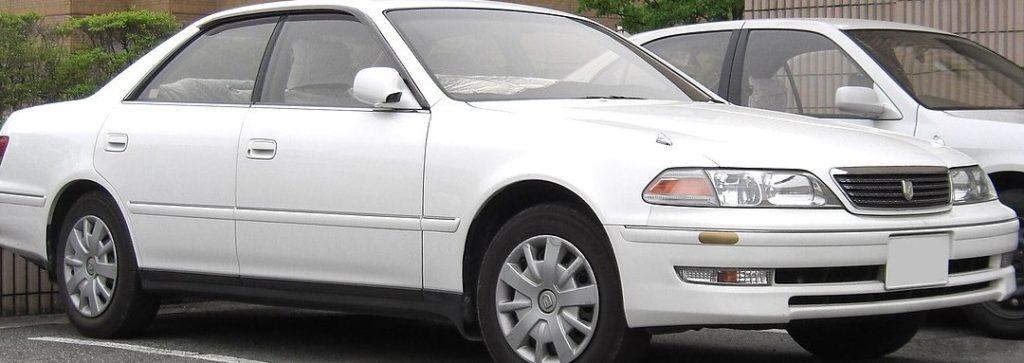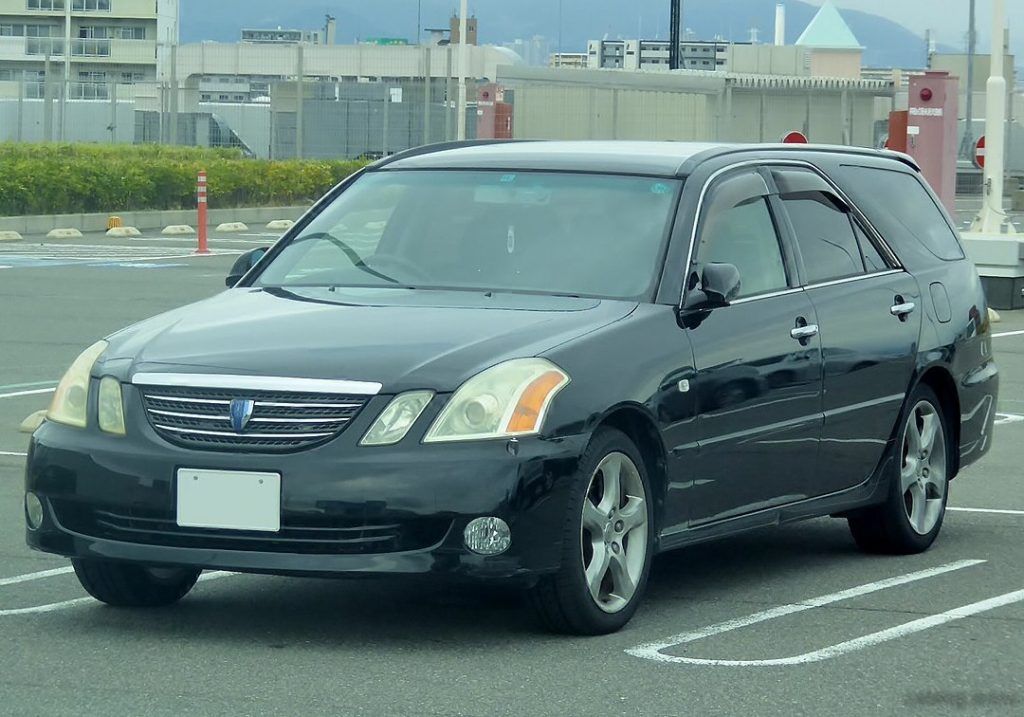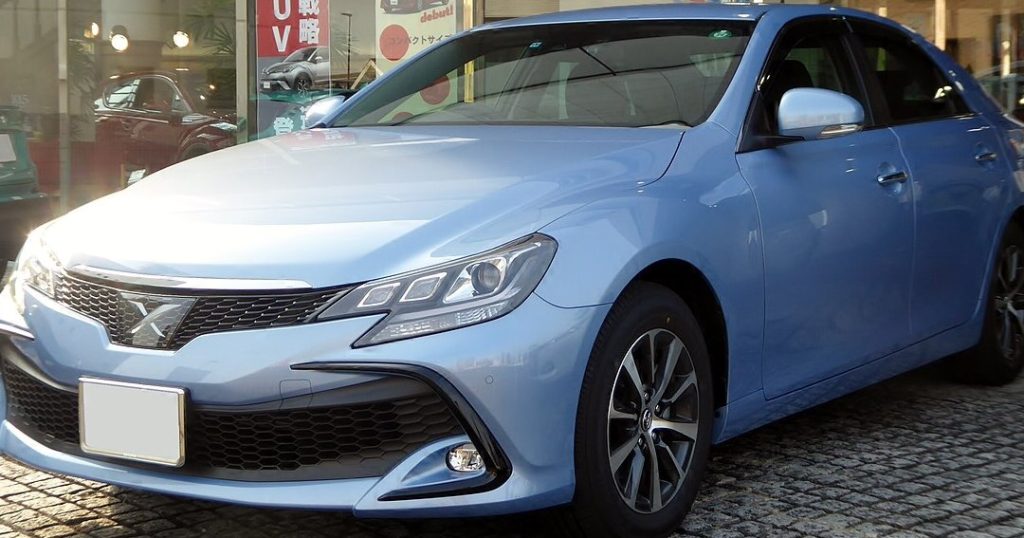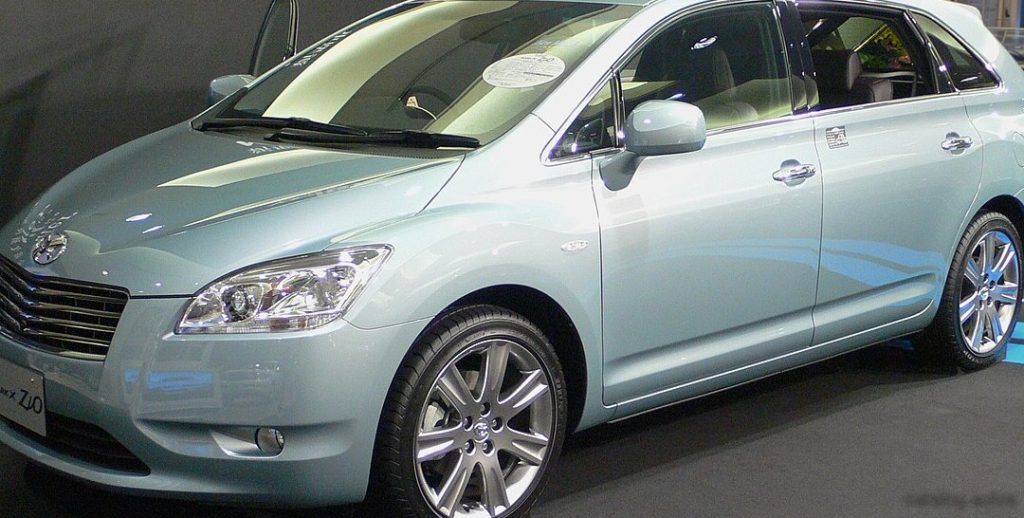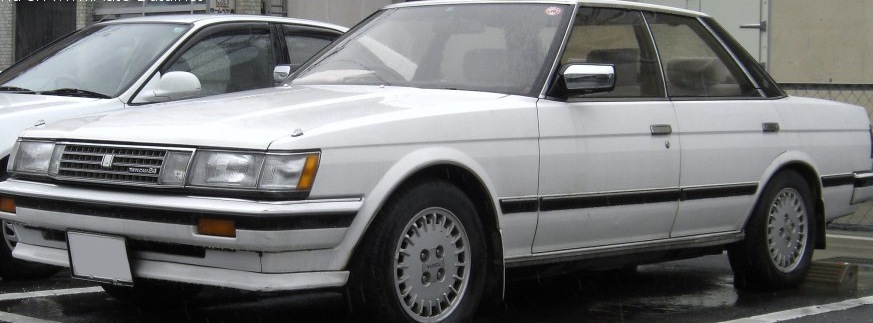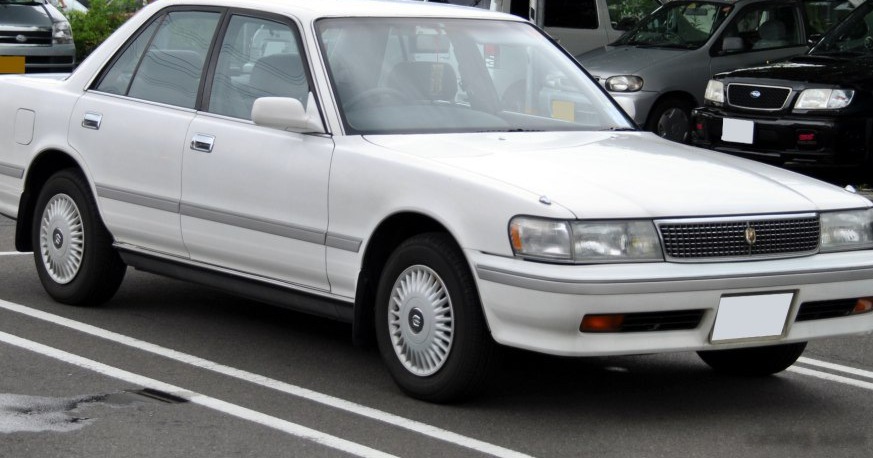
The Toyota Mark II Wagon Qualis 2.2i Automatic, produced between 1997 and 2002, represented a practical and family-oriented offering within the broader Toyota Mark II lineage. Positioned as a spacious station wagon (estate) variant, the Qualis aimed to provide comfortable transportation and utility, particularly appealing to families and those requiring ample cargo space. It was part of the X10/X20 series Mark II, which saw Toyota expand its offerings in the station wagon segment. This 2.2i model, equipped with a 140 horsepower engine and automatic transmission, occupied a mid-range position within the Qualis lineup, offering a balance between performance and fuel efficiency compared to potential lower-powered base models or higher-specification trims.
Powertrain & Engine Architecture
The heart of the Mark II Wagon Qualis 2.2i is the 5S-FE inline-four cylinder engine. This 2.2-liter (2166 cm3 or 132.18 cu. in.) engine is a naturally aspirated powerplant featuring a cast iron block and an aluminum cylinder head. It boasts a bore of 87 mm (3.43 in.) and a stroke of 91 mm (3.58 in.), resulting in a compression ratio of 9.8:1. The engine utilizes a Double Overhead Camshaft (DOHC) valvetrain with four valves per cylinder, contributing to its relatively efficient operation. Fuel delivery is managed by a multi-port fuel injection system, ensuring precise fuel metering for optimal combustion. The 5S-FE engine is known for its durability and relatively straightforward maintenance requirements.
The Qualis 2.2i is paired with a four-speed automatic transmission. This transmission, while not offering the most modern gear ratios, was chosen for its ease of use and suitability for the target demographic. It prioritizes smooth shifts and comfortable driving over outright performance. The transmission is electronically controlled, adapting to driving conditions to optimize gear selection. The drivetrain configuration is front-wheel drive, a common setup for family wagons of this era, contributing to improved fuel economy and reduced mechanical complexity compared to all-wheel-drive systems.
Engine Codes and Variations
The 5S-FE engine was a mainstay in Toyota’s lineup for many years, appearing in various models. While the core engine remained consistent, minor variations existed depending on the specific market and year of production. These variations primarily concerned emissions control equipment and minor adjustments to the fuel injection mapping. The Qualis 2.2i’s 5S-FE was tuned to produce 140 hp at 5800 rpm and 195 Nm (143.82 lb-ft) of torque at 4400 rpm. This output positioned it as a capable, if not particularly sporty, performer for a wagon of its size.
Driving Characteristics
The driving experience in the Mark II Wagon Qualis 2.2i Automatic is characterized by comfort and practicality. The 140 hp engine provides adequate power for everyday driving, including highway cruising and moderate acceleration. However, it’s not designed for rapid acceleration or spirited driving. The four-speed automatic transmission contributes to a smooth, albeit somewhat dated, driving feel. Gear changes are generally unobtrusive, but the limited number of gears can result in the engine feeling strained during aggressive acceleration or when climbing steep hills. The front-wheel-drive configuration provides predictable handling, although it lacks the all-weather capability of an all-wheel-drive system.
Compared to potential lower-powered Qualis variants (if offered), the 2.2i provides a noticeable improvement in performance, making it more suitable for carrying a full load of passengers and cargo. Compared to higher-performance Mark II models, such as those equipped with larger engines or manual transmissions, the 2.2i Automatic prioritizes comfort and ease of use over outright speed and driver engagement. The gear ratios are optimized for fuel efficiency and relaxed cruising rather than maximizing acceleration.
Equipment & Trim Levels
The Mark II Wagon Qualis 2.2i Automatic typically came equipped with a reasonable level of standard features, reflecting its position as a mid-range offering. Standard amenities generally included power windows, power door locks, air conditioning, and a basic audio system. Interior upholstery was typically cloth, with options for upgraded materials available on higher trim levels. The dashboard layout was functional and straightforward, prioritizing ease of use over stylistic flair.
Optional extras available for the Qualis 2.2i Automatic could include alloy wheels, a sunroof, upgraded audio systems with CD players, and rear parking sensors. Higher trim levels might also have featured woodgrain interior trim and more comfortable seating. The Qualis was designed to be a practical family vehicle, and the available options reflected this focus, offering features that enhanced comfort and convenience.
Chassis & Braking
The Mark II Wagon Qualis 2.2i utilizes a conventional suspension setup, featuring MacPherson struts at the front and a torsion beam axle at the rear. This suspension configuration provides a comfortable ride quality, absorbing bumps and irregularities in the road surface effectively. The front track measures 1545 mm (60.83 in.), while the rear track is slightly narrower at 1520 mm (59.84 in.).
Braking duties are handled by ventilated discs at the front and solid discs at the rear. The braking system is assisted by an Anti-lock Braking System (ABS), enhancing safety by preventing wheel lockup during hard braking. The ABS system helps maintain steering control during emergency stops. The braking performance is adequate for the vehicle’s weight and intended use, providing sufficient stopping power for everyday driving conditions.
Market Reception & Comparison
The Toyota Mark II Wagon Qualis 2.2i Automatic was generally well-received in the Japanese domestic market and in export markets where it was sold. Critics praised its spacious interior, comfortable ride, and reliable powertrain. However, some reviewers noted that its styling was somewhat conservative and that its performance was not particularly exciting.
Compared to other station wagons available at the time, the Qualis offered a compelling combination of practicality, reliability, and value. Its fuel economy was competitive with other vehicles in its class, and its maintenance costs were generally reasonable. The 5S-FE engine was known for its longevity, contributing to the Qualis’s reputation for reliability. Compared to other trims within the Qualis lineup, the 2.2i Automatic offered a good balance between performance and fuel efficiency, making it a popular choice for families.
Technical Specifications
| Body Type | Station Wagon (Estate) |
| Engine Type | Inline-4, Petrol (Gasoline) |
| Engine Displacement | 2166 cm3 (132.18 cu. in.) |
| Engine Code | 5S-FE |
| Power | 140 hp @ 5800 rpm |
| Torque | 195 Nm (143.82 lb-ft) @ 4400 rpm |
| Compression Ratio | 9.8:1 |
| Fuel Injection | Multi-port Fuel Injection |
| Valvetrain | DOHC, 4 valves per cylinder |
| Transmission | 4-speed Automatic |
| Drivetrain | Front-Wheel Drive |
| Front Brakes | Ventilated Discs |
| Rear Brakes | Discs |
| ABS | Standard |
| Length | 4775 mm (187.99 in.) |
| Width | 1785 mm (70.28 in.) |
| Height | 1470 mm (57.87 in.) |
| Wheelbase | 2670 mm (105.12 in.) |
Legacy
The Toyota Mark II Wagon Qualis 2.2i Automatic, while no longer in production, remains a relatively common sight on used car markets, particularly in regions where it was originally sold. The 5S-FE engine is renowned for its durability and can often be found with high mileage and still running reliably. Maintenance is generally straightforward, and parts availability is good, making it an affordable and practical option for those seeking a spacious and dependable station wagon.
However, potential buyers should be aware of the age of these vehicles and the potential for wear and tear on components such as the suspension, brakes, and automatic transmission. Regular maintenance and careful inspection are essential to ensure continued reliability. The Qualis 2.2i Automatic represents a solid example of Japanese automotive engineering from the late 1990s and early 2000s, offering a blend of practicality, reliability, and affordability that continues to appeal to buyers today.