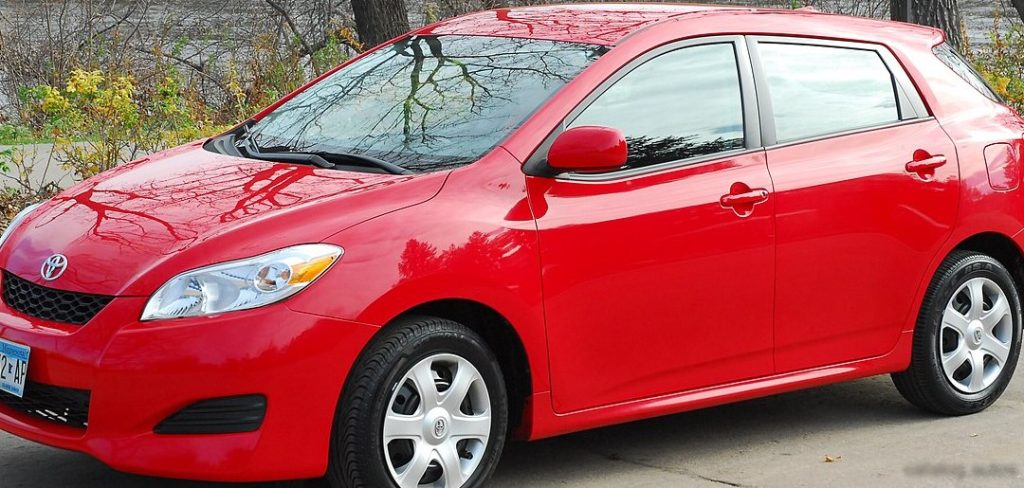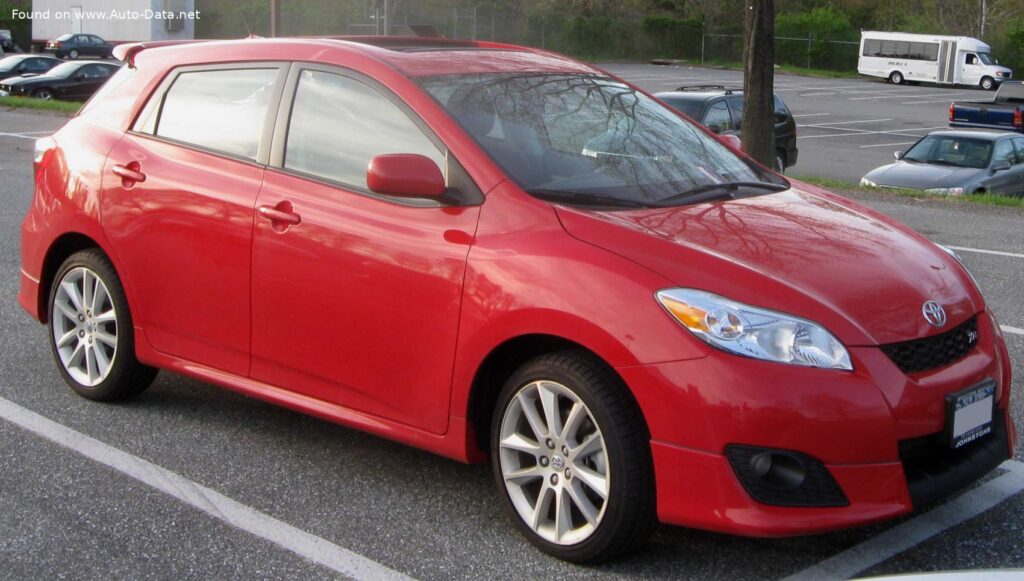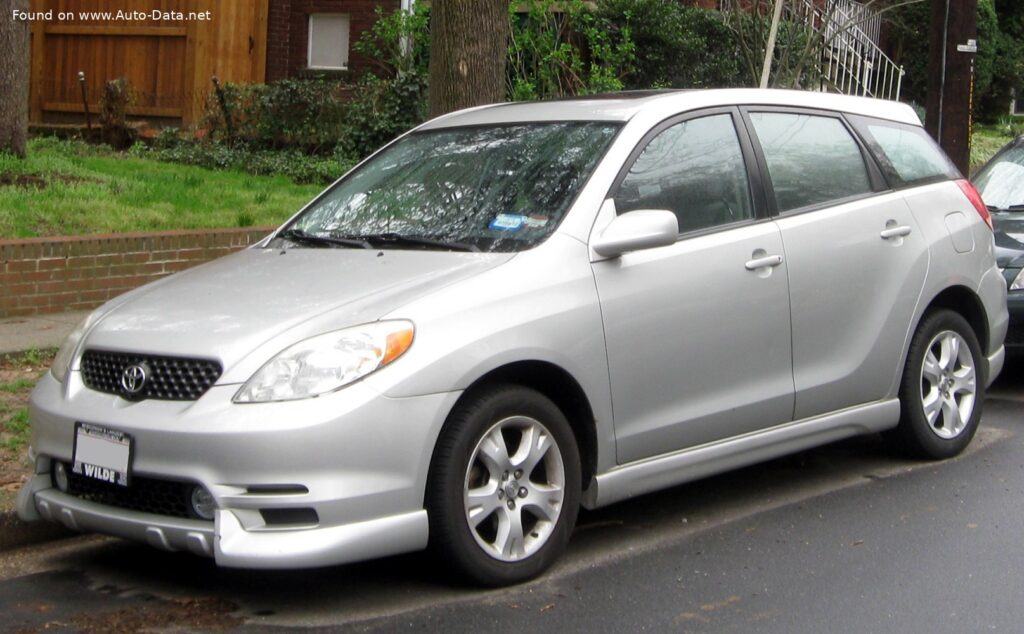
The Toyota Matrix, specifically the E130 generation produced between 2002 and 2007, represented Toyota’s entry into the compact crossover market. Positioned as a practical and versatile alternative to traditional station wagons and smaller SUVs, the Matrix blended the functionality of a hatchback with the increased ride height and available all-wheel drive of a sport utility vehicle. The 1.8i 16V AWD variant, powered by the 1ZZ-FE engine producing 124 horsepower, served as a mid-range offering within the Matrix lineup, appealing to buyers seeking a balance between fuel efficiency, capability, and affordability. It sat below the higher-performance trims and above the base engine options.
1.8i 16V AWD: Powertrain & Engine Architecture
The heart of the 1.8i 16V AWD Matrix is the 1ZZ-FE inline four-cylinder engine. This 1.8-liter (1794 cc) engine is a naturally aspirated powerplant featuring a cast iron block and an aluminum cylinder head. It utilizes a double overhead camshaft (DOHC) valvetrain with four valves per cylinder – a 16-valve configuration – contributing to its relatively efficient operation. The 1ZZ-FE employs multi-port fuel injection, delivering fuel directly into the intake ports just before the intake valves. This system, common for its time, provided a good balance between fuel economy and performance. The engine’s compression ratio is 10:1.
The 1.8i 16V AWD Matrix was typically paired with a five-speed manual transmission, however, a four-speed automatic transmission was also available, and is the focus of this article. This automatic transmission, a common Toyota unit of the era, was designed for smooth operation and reliability. It features electronically controlled torque converter lock-up for improved fuel efficiency at highway speeds. The gear ratios were optimized for everyday driving, prioritizing acceleration from a standstill and comfortable cruising rather than outright performance. The automatic transmission’s shift points were calibrated to work in conjunction with the engine’s torque curve, providing adequate power delivery for most driving situations.
Engine Specifications (1ZZ-FE)
- Displacement: 1.8 liters (1794 cc / 109.48 cu. in.)
- Configuration: Inline-4
- Valvetrain: DOHC, 16 valves
- Fuel Injection: Multi-port
- Compression Ratio: 10:1
- Maximum Power: 124 hp @ 6000 rpm
- Maximum Torque: 161 Nm (118.75 lb-ft) @ 4200 rpm
Driving Characteristics
The 1.8L engine and automatic transmission combination in the Matrix AWD delivered a comfortable, if not particularly sporty, driving experience. Acceleration was adequate for merging onto highways and navigating city streets, but it wasn’t designed for rapid acceleration. The automatic transmission, while smooth, could sometimes feel hesitant during quick overtaking maneuvers. The all-wheel drive system provided enhanced traction in inclement weather conditions, making it a popular choice in regions with snow or rain. The AWD system operates primarily as a front-wheel drive, engaging the rear wheels when wheel slip is detected. This on-demand system contributes to improved stability and control without the fuel economy penalty of a full-time AWD setup.
Compared to the higher-output Matrix trims, the 1.8i 16V AWD offered a more relaxed driving experience. The higher trims, often equipped with larger engines, provided significantly more power and quicker acceleration. However, the 1.8L engine’s fuel efficiency was a key advantage, making it a more economical choice for daily commuting. The manual transmission version of the 1.8L offered a more engaging driving experience, allowing drivers to better control the engine’s powerband, but the automatic was favored by those prioritizing convenience.
Equipment & Trim Levels
The 1.8i 16V AWD Matrix typically came standard with features such as air conditioning, power windows and locks, and an AM/FM stereo with a CD player. Safety features included dual front airbags, side airbags, and anti-lock brakes (ABS). Higher trim levels, such as the XR, added features like alloy wheels, a sunroof, upgraded audio systems, and keyless entry. Interior upholstery was typically cloth, with options for upgraded materials available on higher trims. The dashboard layout was functional and straightforward, prioritizing ease of use over stylistic flair. Optional extras included a navigation system, a premium sound system, and heated front seats.
Chassis & Braking
The Matrix E130 utilized a front independent suspension with MacPherson struts and a rear independent double wishbone suspension. This suspension setup provided a comfortable ride quality and decent handling characteristics. The AWD models featured a slightly stiffer suspension tuning compared to the front-wheel drive versions to accommodate the added weight and complexity of the all-wheel drive system. Braking duties were handled by ventilated discs on the front wheels and solid discs on the rear wheels. The ABS system helped to prevent wheel lockup during hard braking, enhancing safety and control. The steering system was a hydraulic power rack and pinion, providing responsive and precise steering feel.
Market Reception & Comparison
The Toyota Matrix 1.8i 16V AWD was generally well-received by automotive critics for its practicality, versatility, and fuel efficiency. It was praised for its spacious interior, ample cargo capacity, and available all-wheel drive. However, some critics noted that the 1.8L engine could feel underpowered, especially when fully loaded or driving uphill. Compared to other compact crossovers of the time, such as the Honda CR-V and the Subaru Forester, the Matrix offered a more car-like driving experience and a lower price point. In terms of fuel economy, the 1.8i 16V AWD Matrix achieved approximately 27 mpg in the city and 32 mpg on the highway, making it a relatively efficient option in its class. Reliability was also a strong point, with the 1ZZ-FE engine and Toyota’s automatic transmission proving to be durable and long-lasting.
Technical Specifications
| Body Type | Hatchback, 5 Doors, 5 Seats |
| Engine Type | Inline-4, Petrol (Gasoline) |
| Engine Displacement | 1.8 l (1794 cm3 / 109.48 cu. in.) |
| Maximum Power | 124 Hp @ 6000 rpm |
| Maximum Torque | 161 Nm (118.75 lb-ft) @ 4200 rpm |
| Fuel Consumption (Urban) | 8.7 l/100 km (27 US mpg, 32.5 UK mpg, 11.5 km/l) |
| Fuel Consumption (Extra Urban) | 7.4 l/100 km (31.8 US mpg, 38.2 UK mpg, 13.5 km/l) |
| Maximum Speed | 178 km/h (110.6 mph) |
| Kerb Weight | 1215 kg (2678.62 lbs) |
| Trunk Space (Minimum) | 617 l (21.79 cu. ft.) |
| Trunk Space (Maximum) | 1507 l (53.22 cu. ft.) |
| Fuel Tank Capacity | 45 l (11.89 US gal, 9.9 UK gal) |
| Transmission | 4-speed Automatic |
| Drive Type | All Wheel Drive (4×4) |
| Length | 4350 mm (171.26 in) |
| Width | 1775 mm (69.88 in) |
| Height | 1540 mm (60.63 in) |
Legacy
The Toyota Matrix 1.8i 16V AWD, while not the most powerful or luxurious vehicle in its class, has proven to be a reliable and durable choice for many owners. The 1ZZ-FE engine, when properly maintained, is known for its longevity, and the Toyota automatic transmission is generally considered to be robust. In the used car market, these Matrix models are often sought after for their affordability, practicality, and reputation for reliability. Common maintenance items include regular oil changes, timing belt replacement (typically around 90,000 miles), and inspection of the cooling system. While some owners have reported issues with the electronic power steering system, these problems are relatively rare. Overall, the 1.8i 16V AWD Matrix remains a viable option for buyers seeking a dependable and versatile compact crossover at a reasonable price.