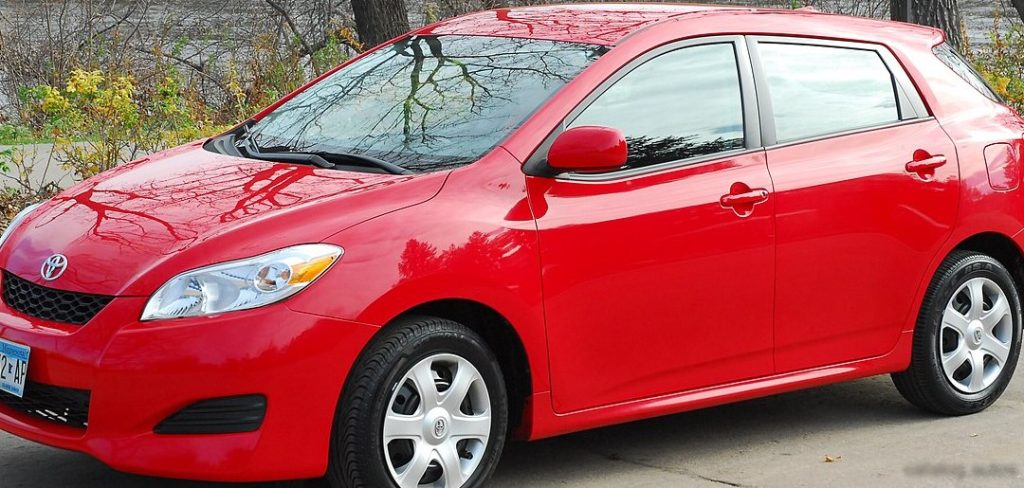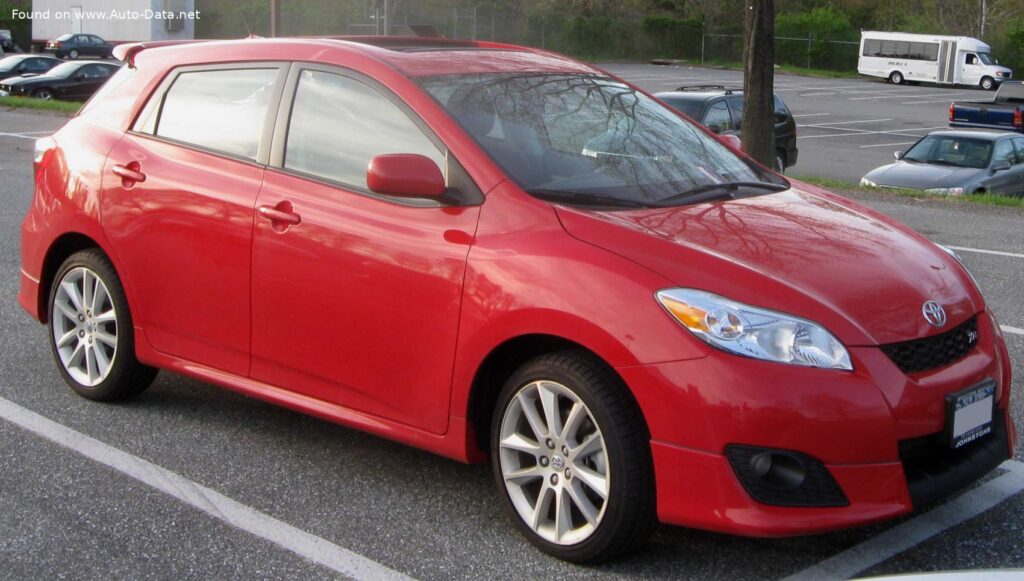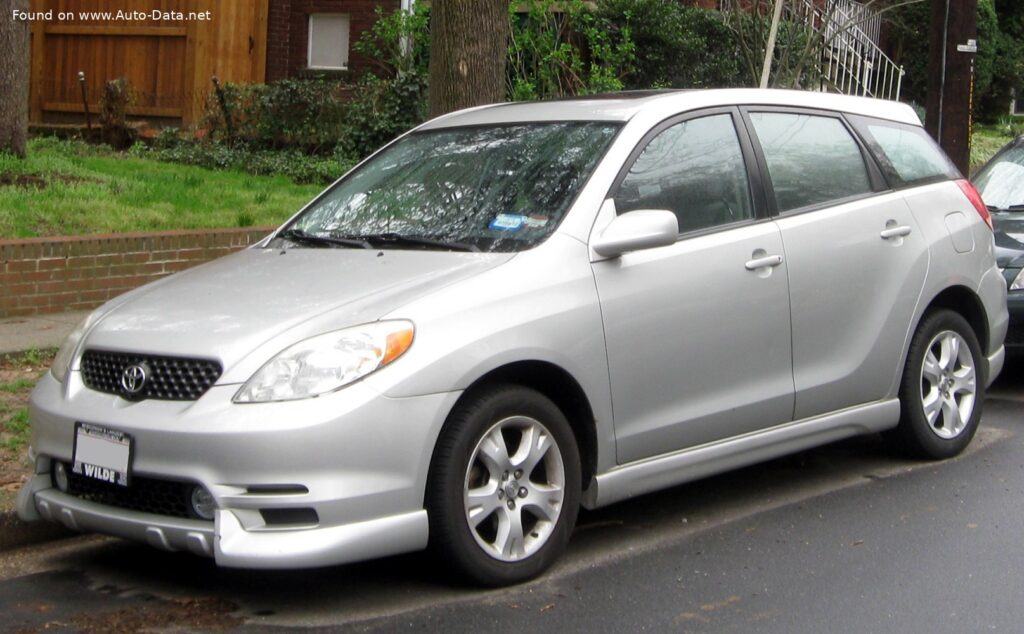
The Toyota Matrix, specifically the 1.8i 16V AWD Automatic variant, was produced from 2002 to 2007 as part of the E130 generation. This model represented a key offering within Toyota’s compact hatchback lineup, positioned as a versatile and practical vehicle aimed at buyers seeking a blend of fuel efficiency, all-weather capability, and interior space. The Matrix, and its nearly identical twin the Pontiac Vibe, were designed to appeal to a younger demographic than the more conservatively styled Corolla, offering a more adventurous and wagon-like profile. The 1.8L engine with an automatic transmission and all-wheel drive configuration was a popular choice, representing a balance between affordability and functionality within the Matrix range.
1.8i 16V Powertrain & Engine Architecture
The heart of the 2002-2007 Toyota Matrix 1.8i 16V AWD Automatic is the 1ZZ-FE inline-four cylinder engine. This 1.8-liter (1794 cc) engine utilizes a naturally aspirated configuration and a double overhead camshaft (DOHC) valvetrain with four valves per cylinder. This design contributes to its relatively smooth operation and respectable power output for its displacement. The engine employs multi-port fuel injection, delivering fuel directly into the intake ports for optimized combustion. The 1ZZ-FE engine is known for its generally reliable nature, although it is susceptible to oil consumption issues in some cases, particularly as mileage increases.
The automatic transmission paired with this engine is a four-speed unit. While not as sophisticated as some contemporary transmissions, it provides smooth and adequate shifting for everyday driving. The gear ratios are tuned for a balance of acceleration and fuel economy. First gear is geared for initial acceleration, while the higher gears are designed for efficient cruising. The all-wheel-drive system is a viscous coupling system, meaning it’s primarily front-wheel drive but automatically engages the rear wheels when it detects a loss of traction at the front. This provides enhanced stability in slippery conditions like snow or rain.
Engine Specifications
The 1ZZ-FE engine in this configuration produces 124 horsepower at 6000 rpm and 161 Nm (118.75 lb-ft) of torque at 4200 rpm. This translates to a power-to-weight ratio of approximately 9.8 kg/hp. The engine’s compression ratio is 10:1, a common figure for naturally aspirated gasoline engines of this era. Engine oil capacity is 3.7 liters (3.91 US quarts), and the cooling system requires 6.5 liters (6.87 US quarts) of coolant.
Driving Characteristics
The driving experience in the 1.8L AWD Automatic Matrix is characterized by its smooth and predictable nature. Acceleration is adequate for merging onto highways and navigating city streets, but it’s not particularly sporty. The four-speed automatic transmission, while reliable, lacks the responsiveness of more modern transmissions with a greater number of gears. The all-wheel-drive system provides a noticeable improvement in traction, particularly in inclement weather. This makes the Matrix a confident handler in slippery conditions, offering a secure feeling for drivers in regions with frequent rain or snow. Compared to the manual transmission version of the same engine, the automatic sacrifices some responsiveness and fuel economy, but gains in ease of use. It also differs significantly from the higher-performance Matrix XRS, which featured a 180-horsepower engine and a sport-tuned suspension.
Equipment & Trim Levels
The 1.8i 16V AWD Automatic Matrix typically came standard with features such as air conditioning, power windows and locks, and an AM/FM stereo with a CD player. Safety features included anti-lock brakes (ABS) and front airbags. Interior upholstery was typically cloth, with a relatively simple and durable design. Higher trim levels, such as the XR, offered additional features like alloy wheels, a sunroof, upgraded audio systems, and keyless entry. Optional extras available for this trim included a premium audio package, side airbags, and a rear cargo organizer. The interior dashboard configuration was functional and straightforward, prioritizing usability over aesthetic flair.
Chassis & Braking
The Matrix 1.8i 16V AWD Automatic utilizes a front strut and rear double wishbone suspension system. This setup provides a comfortable ride quality, absorbing bumps and irregularities in the road surface effectively. The front suspension incorporates a stabilizer bar to reduce body roll during cornering. The braking system consists of ventilated discs at the front and solid discs at the rear. The ABS system helps to prevent wheel lockup during hard braking, enhancing stability and control. Steering is rack and pinion with hydraulic power assist, providing a responsive and relatively precise steering feel. The vehicle is equipped with 205/55 R16 tires mounted on 16-inch steel or alloy wheels.
Market Reception & Comparison
The Toyota Matrix 1.8i 16V AWD Automatic was generally well-received by automotive critics for its practicality, versatility, and fuel efficiency. It was praised for its spacious interior, comfortable ride, and all-weather capability. However, some critics noted that the engine lacked significant power and the automatic transmission could feel sluggish at times. Compared to other trims in the Matrix lineup, the 1.8L Automatic offered a more affordable entry point, making it accessible to a wider range of buyers. Fuel economy was a strong point, with EPA estimates of around 27 mpg city and 32 mpg highway. Reliability was also a key selling point, as Toyota had a strong reputation for building durable and dependable vehicles. In comparison to competitors like the Honda Civic and Mazda3, the Matrix offered a unique blend of hatchback practicality and all-wheel-drive capability.
Technical Specifications
| Brand | Toyota |
| Model | Matrix |
| Generation | Matrix (E130) |
| Type | 1.8i 16V (124 Hp) AWD Automatic |
| Start of production | 2002 |
| End of production | 2007 |
| Engine Model/Code | 1ZZ-FE |
| Engine displacement | 1794 cm3 (109.48 cu. in.) |
| Number of cylinders | 4 |
| Engine configuration | Inline |
| Power | 124 Hp @ 6000 rpm |
| Torque | 161 Nm @ 4200 rpm (118.75 lb.-ft. @ 4200 rpm) |
| Fuel Type | Petrol (Gasoline) |
| Fuel consumption (urban) | 8.7 l/100 km (27 US mpg) |
| Fuel consumption (extra urban) | 7.4 l/100 km (31.8 US mpg) |
| Maximum speed | 178 km/h (110.6 mph) |
| Kerb Weight | 1215 kg (2678.62 lbs.) |
| Trunk (boot) space – minimum | 617 l (21.79 cu. ft.) |
| Trunk (boot) space – maximum | 1507 l (53.22 cu. ft.) |
| Fuel tank capacity | 45 l (11.89 US gal) |
| Transmission | 4 gears, automatic transmission |
| Drive wheel | All wheel drive (4×4) |
Legacy
The Toyota Matrix 1.8i 16V AWD Automatic has proven to be a relatively reliable vehicle in the used car market. The 1ZZ-FE engine, while prone to oil consumption in some cases, is generally durable and can withstand high mileage with proper maintenance. The four-speed automatic transmission is also known for its dependability. However, potential buyers should be aware of the possibility of oil leaks and the need for regular maintenance to prevent issues. Today, these Matrix models are often found as affordable and practical transportation options, particularly in regions where all-wheel drive is valued. Their reputation for reliability and fuel efficiency continues to make them a popular choice among budget-conscious buyers seeking a versatile and dependable vehicle.