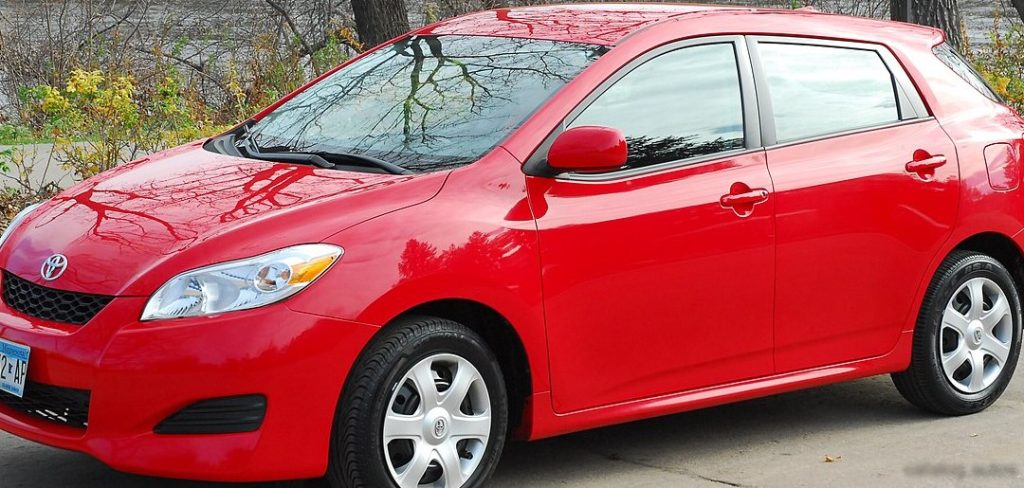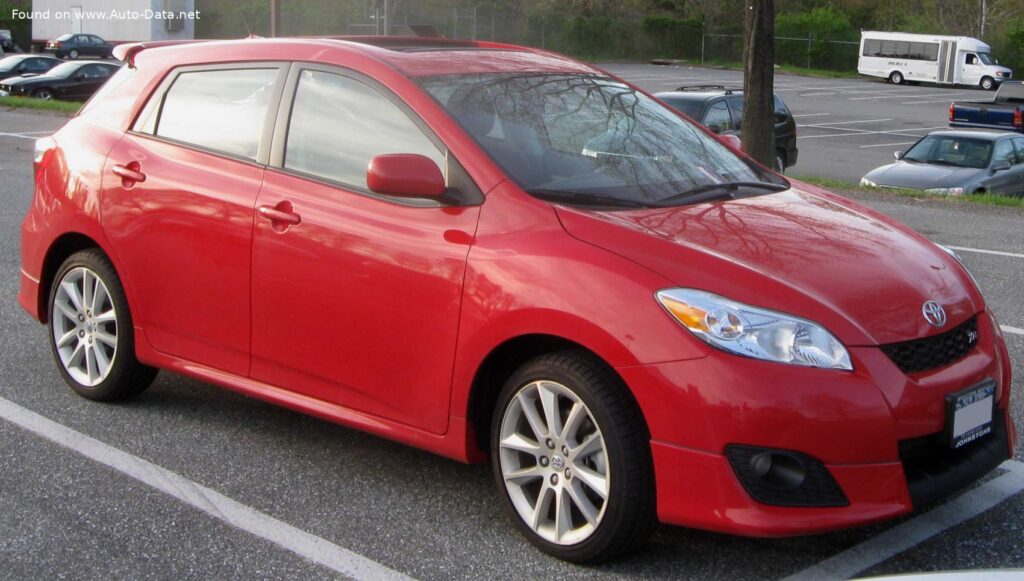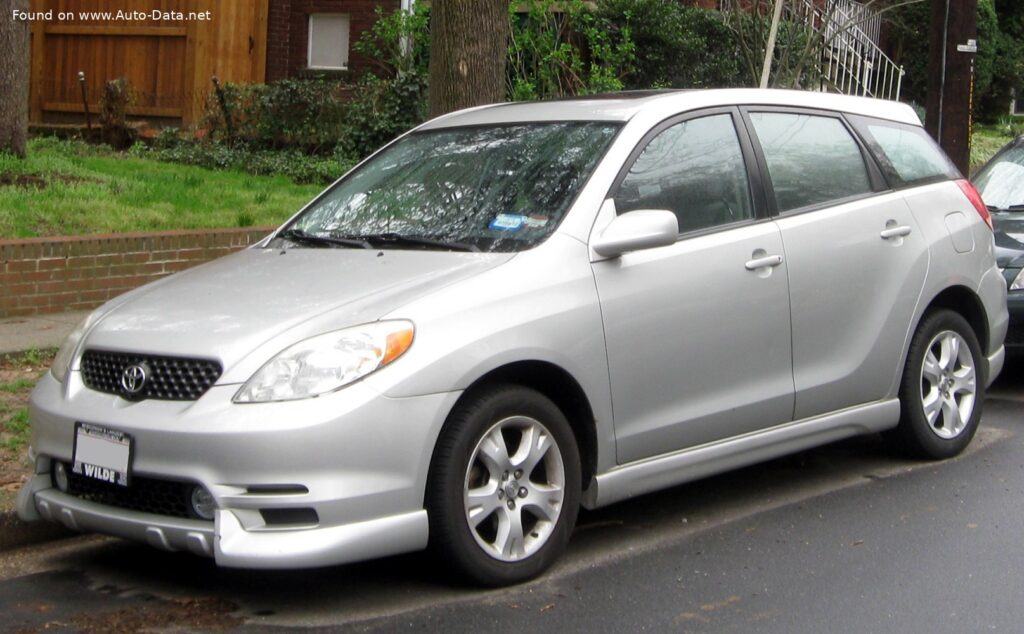
The Toyota Matrix, specifically the E130 generation produced between 2002 and 2007, represented Toyota’s entry into the compact hatchback/wagon market, aiming to blend the practicality of a station wagon with the sporty styling of a hatchback. Within the E130 lineup, the 1.8i 16V variant, producing 132 horsepower, served as a core model, positioned as a balance between affordability and acceptable performance. It was offered alongside other engine options, including a 1.8L engine with fewer valves and a more powerful 2.4L four-cylinder, catering to a wider range of consumer preferences. The Matrix shared its platform (MC platform, also known as the 1HX0 in some contexts) with the Pontiac Vibe, a result of the GM-Toyota joint venture, NUMMI.
Powertrain & Engine Architecture
The heart of the 1.8i 16V Matrix is the 1ZZ-FE engine, a 1.794-liter (109.48 cubic inches) inline four-cylinder gasoline engine. This engine is characterized by its all-aluminum construction, contributing to a relatively lightweight design. The “16V” designation indicates the engine features four valves per cylinder (dual overhead camshafts – DOHC), enhancing volumetric efficiency and contributing to its power output. Fuel delivery is managed by a multi-port fuel injection system, precisely metering fuel into each intake port for optimized combustion.
The 1ZZ-FE engine is a naturally aspirated engine, meaning it does not utilize forced induction (turbocharging or supercharging). Its compression ratio is 10:1, a common figure for engines of this era designed to balance performance and fuel efficiency. Bore and stroke dimensions are 79 mm (3.11 inches) and 91.5 mm (3.6 inches) respectively. The engine’s oil capacity is 3.7 liters (3.91 US quarts / 3.26 UK quarts), and it requires coolant totaling 6.5 liters (6.87 US quarts / 5.72 UK quarts).
While a five-speed manual transmission was available, this article focuses on the variant paired with a four-speed automatic transmission. This automatic transmission, a common unit in Toyota vehicles of the period, is electronically controlled and designed for smooth shifting and ease of use. It features typical torque converter technology and is geared towards providing comfortable, everyday driving rather than outright performance. The automatic transmission’s gear ratios are tuned to prioritize fuel economy and drivability, with a relatively conservative final drive ratio.
Engine Codes and Variations
The 1ZZ-FE engine was a widely used powerplant in various Toyota models during the early 2000s. While the core design remained consistent, minor variations existed depending on the specific vehicle and market. These variations primarily concerned engine management calibrations and emissions control equipment. The 1ZZ-FE is known for its generally reliable nature, although it is susceptible to oil consumption issues in some instances, particularly as the engine ages.
Driving Characteristics
The 1.8i 16V Matrix with the four-speed automatic transmission delivers a comfortable and predictable driving experience. Acceleration is adequate for everyday driving situations, with 0-60 mph times estimated around 9-10 seconds. However, it’s noticeably slower than the 2.4L Matrix or the manual transmission versions of the 1.8L. The automatic transmission’s shift points are programmed for fuel efficiency, which can sometimes result in the engine feeling slightly strained during aggressive acceleration.
The four-speed automatic, while reliable, lacks the responsiveness and efficiency of more modern transmissions with a greater number of gears. The gear ratios are spaced to provide reasonable acceleration from a standstill, but passing maneuvers at highway speeds require careful planning. The engine produces peak torque of 171 Nm (126.12 lb-ft) at 4200 rpm, meaning the driver needs to maintain engine speed to access its power. Compared to the manual transmission version, the automatic sacrifices some responsiveness for ease of use, making it a popular choice for drivers prioritizing convenience.
Equipment & Trim Levels
The 1.8i 16V Matrix typically came standard with features such as air conditioning, power windows and locks, and an AM/FM stereo with a CD player. Safety features included dual front airbags and ABS (Anti-lock Braking System). Interior upholstery was typically cloth, with a relatively simple and functional dashboard layout. Higher trim levels, such as the XR, offered additional features like alloy wheels, a sunroof, upgraded audio systems, and optional side airbags. The base model focused on providing essential features at an affordable price point, while the higher trims added convenience and aesthetic enhancements.
Optional extras available for the 1.8i 16V Matrix included a premium audio system with more speakers, a power sunroof, and keyless entry. Some models also offered a factory-installed tow package for light towing duties. The Matrix’s interior was designed with practicality in mind, offering ample storage space and a comfortable seating position for both front and rear passengers.
Chassis & Braking
The E130 Matrix utilizes a front-wheel-drive layout with a MacPherson strut front suspension and a coil spring rear suspension. This suspension setup provides a comfortable ride quality, absorbing bumps and irregularities in the road surface effectively. The front suspension incorporates a stabilizer bar to reduce body roll during cornering. The rear suspension is simpler, focusing on providing a stable and predictable ride.
Braking duties are handled by ventilated discs at the front and drum brakes at the rear. The ABS system helps to prevent wheel lockup during hard braking, enhancing stability and control. The steering system is a rack-and-pinion setup with hydraulic power steering, providing responsive and precise steering feel. The standard tire size is 205/55 R16, offering a good balance between grip and ride comfort.
Market Reception & Comparison
The 1.8i 16V Matrix was generally well-received by automotive critics as a practical and versatile vehicle. It was praised for its spacious interior, comfortable ride, and fuel efficiency. However, some critics noted that the engine lacked the power and refinement of some of its competitors. Compared to the 2.4L Matrix, the 1.8L offered lower running costs but sacrificed performance. Fuel economy figures were around 10.5 l/100 km (22.4 US mpg / 26.9 UK mpg) in urban driving and 6.5 l/100 km (36.2 US mpg / 43.5 UK mpg) on the highway.
The 1.8L automatic variant was particularly popular with buyers seeking a comfortable and easy-to-drive vehicle for commuting and everyday use. It offered a good balance between price, fuel economy, and practicality, making it a compelling option in the compact hatchback segment.
Technical Specifications
| Brand | Toyota |
| Model | Matrix |
| Generation | Matrix (E130) |
| Type (Engine) | 1.8i 16V (132 Hp) |
| Start of production | 2002 |
| End of production | 2007 |
| Powertrain Architecture | Internal Combustion engine |
| Body type | Hatchback |
| Seats | 5 |
| Doors | 5 |
| Fuel consumption (urban) | 10.5 l/100 km (22.4 US mpg) |
| Fuel consumption (extra urban) | 6.5 l/100 km (36.2 US mpg) |
| Fuel Type | Petrol (Gasoline) |
| Maximum speed | 200 km/h (124.27 mph) |
| Weight-to-power ratio | 9.2 kg/Hp |
| Power | 132 Hp @ 6000 rpm |
| Torque | 171 Nm @ 4200 rpm (126.12 lb.-ft. @ 4200 rpm) |
| Engine layout | Front, Transverse |
| Engine Model/Code | 1ZZ-FE |
| Engine displacement | 1794 cm3 (109.48 cu. in.) |
| Number of cylinders | 4 |
| Cylinder Bore | 79 mm (3.11 in.) |
| Piston Stroke | 91.5 mm (3.6 in.) |
| Compression ratio | 10:1 |
| Fuel injection system | Multi-port manifold injection |
| Engine oil capacity | 3.7 l (3.91 US qt | 3.26 UK qt) |
| Coolant capacity | 6.5 l (6.87 US qt | 5.72 UK qt) |
| Kerb Weight | 1215 kg (2678.62 lbs.) |
| Fuel tank capacity | 50 l (13.21 US gal | 11 UK gal) |
| Length | 4350 mm (171.26 in.) |
| Width | 1775 mm (69.88 in.) |
| Height | 1540 mm (60.63 in.) |
| Wheelbase | 2600 mm (102.36 in.) |
| Number of gears | 4 (Automatic) |
Legacy
The 1.8i 16V Matrix with the four-speed automatic transmission has proven to be a relatively reliable vehicle in the used car market. The 1ZZ-FE engine, while prone to some oil consumption issues, is generally durable and can withstand high mileage with proper maintenance. The automatic transmission is also known for its reliability. Today, these Matrix models are often found as affordable and practical transportation options, particularly for first-time car buyers or those seeking a dependable and fuel-efficient vehicle. Their simple design and readily available parts contribute to their continued viability as used cars. While not a performance icon, the 1.8i 16V Matrix remains a testament to Toyota’s commitment to building reliable and practical vehicles.