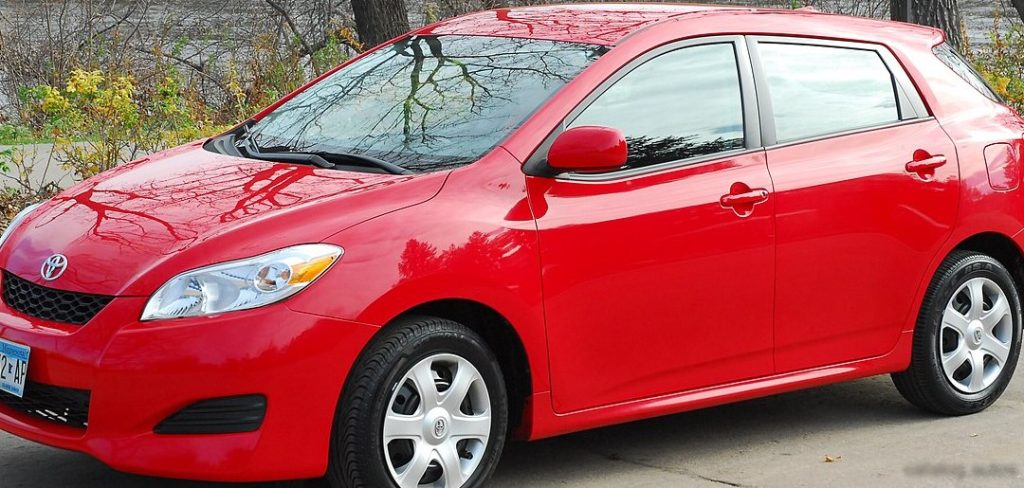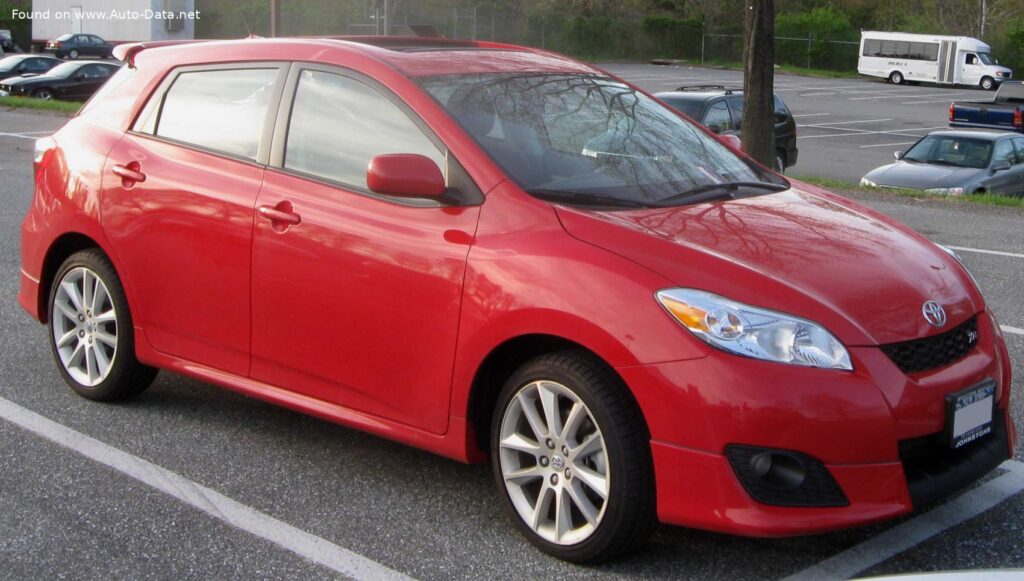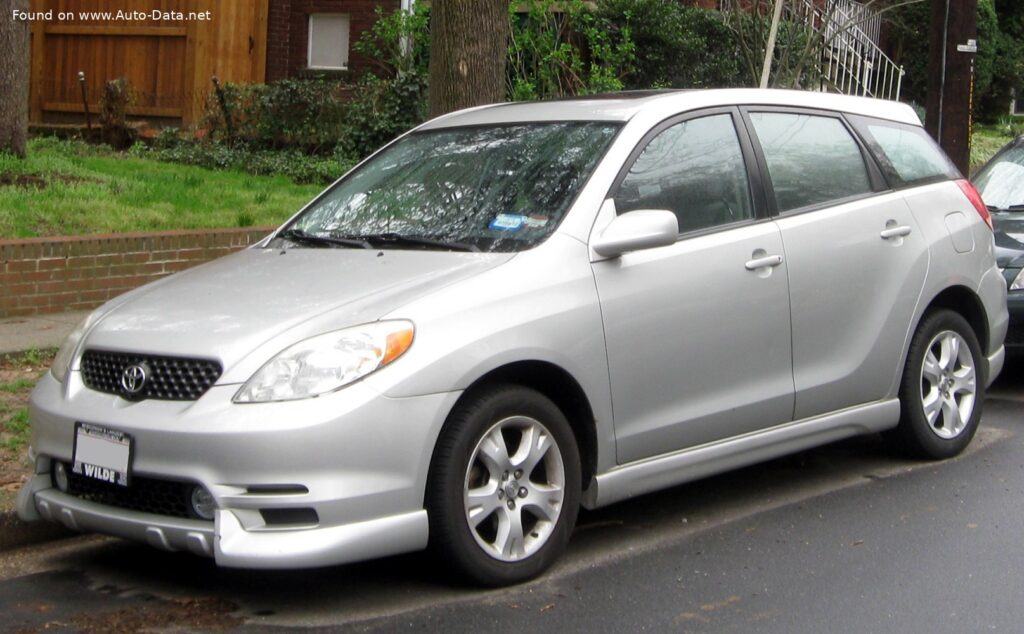
The Toyota Matrix, specifically the E130 generation produced between 2002 and 2007, represented Toyota’s entry into the compact hatchback/wagon market, aiming to blend the practicality of a station wagon with the sporty styling of a hatchback. Within the E130 lineup, the 1.8i 16V variant, producing 183 horsepower, occupied a mid-range position, offering a balance between performance and affordability. It sat above the base 1.8-liter engine and below the all-wheel-drive models, appealing to buyers seeking a more engaging driving experience than the base model but without the added cost of AWD. The Matrix shared its platform (MC platform) with the Pontiac Vibe, a result of the GM-Toyota joint venture, NUMMI.
1.8i 16V Powertrain & Engine Architecture
The heart of the 1.8i 16V Matrix is the 2ZZ-GE engine, a 1.8-liter (1796 cc) inline-four cylinder gasoline engine. This engine is notable for its high-revving nature and use of Toyota’s VVT-i (Variable Valve Timing-intelligence) system on both the intake and exhaust camshafts. This dual VVT-i system optimizes valve timing for improved performance and fuel efficiency across the engine’s operating range. The engine utilizes a multi-port fuel injection system, delivering fuel directly to each cylinder. The 2ZZ-GE boasts a compression ratio of 11.5:1, contributing to its higher output. The engine’s architecture features a double overhead camshaft (DOHC) valvetrain with 16 valves (four per cylinder).
While a six-speed manual transmission was standard on this trim, an optional four-speed automatic transmission was available. The automatic transmission was designed to provide smooth shifts and enhance the vehicle’s ease of use, particularly in urban driving conditions. The automatic transmission’s gear ratios were tuned to balance acceleration and fuel economy, though it generally resulted in slightly slower acceleration times compared to the manual version. The transmission is a conventional hydraulic automatic, lacking the more modern features found in later transmissions.
Engine Specifications (2ZZ-GE)
The 2ZZ-GE engine is known for its robust construction and relatively straightforward maintenance. However, it is important to note that the engine is sensitive to oil quality and requires regular maintenance to prevent issues such as oil sludge buildup. The engine’s high-revving nature also means that it benefits from frequent oil changes.
Driving Characteristics
The 1.8i 16V Matrix offered a noticeably more spirited driving experience than the base 1.8-liter model. The 183 horsepower and 176 Nm (129.81 lb-ft) of torque provided adequate acceleration for everyday driving, with a 0-60 mph time estimated around 7.5-8.0 seconds. The engine’s peak power output at 7600 rpm encouraged drivers to utilize the higher end of the rev range, resulting in a more engaging and sporty feel. The six-speed manual transmission allowed for precise gear selection and maximized the engine’s potential, while the four-speed automatic, while convenient, did slightly diminish the overall performance.
The Matrix’s front-wheel-drive configuration provided predictable handling, and the suspension was tuned to offer a comfortable ride without sacrificing too much handling agility. Compared to the all-wheel-drive versions, the 1.8i 16V felt lighter and more nimble in corners. However, it lacked the added traction and stability offered by the AWD system, particularly in inclement weather conditions.
Equipment & Trim Levels
The 1.8i 16V Matrix typically came standard with features such as air conditioning, power windows and locks, a CD player, and an anti-lock braking system (ABS). Interior upholstery was typically cloth, with options for upgraded materials available. The dashboard layout was functional and straightforward, with easy-to-read gauges and controls. Optional extras included a sunroof, upgraded audio system, and alloy wheels. Higher trim levels, often denoted by packages like “Sport” or “Premium,” added features such as a rear spoiler, fog lights, and leather-wrapped steering wheel.
Chassis & Braking
The E130 Matrix utilized a MacPherson strut front suspension and a coil spring rear suspension. This setup provided a good balance between ride comfort and handling. The front suspension featured a stabilizer bar to reduce body roll during cornering. The braking system consisted of ventilated discs on the front wheels and solid discs on the rear wheels. ABS was standard, providing enhanced braking control in emergency situations. The steering system was a hydraulic power steering rack and pinion, offering responsive and precise steering feel. Tire size was typically 205/55 R16.
Market Reception & Comparison
The Toyota Matrix 1.8i 16V was generally well-received by automotive critics. It was praised for its sporty handling, spacious interior, and versatile cargo area. The 183-horsepower engine was considered adequate for the vehicle’s size and weight, and the available six-speed manual transmission was a popular choice among enthusiasts. However, some critics noted that the interior materials were somewhat basic and that the ride could be a bit firm on rough roads.
Compared to other trims in the Matrix lineup, the 1.8i 16V offered a better performance-to-price ratio than the base model, while being more affordable than the all-wheel-drive versions. In terms of fuel economy, the 1.8i 16V achieved approximately 19.6 US mpg in the city and 33.6 US mpg on the highway, which was competitive for its class. Reliability was generally excellent, as expected from a Toyota product, with few major issues reported.
Technical Specifications
| Brand | Toyota |
| Model | Matrix |
| Generation | Matrix (E130) |
| Type (Engine) | 1.8i 16V (183 Hp) |
| Start of production | 2002 |
| End of production | 2007 |
| Powertrain Architecture | Internal Combustion engine |
| Body type | Hatchback |
| Seats | 5 |
| Doors | 5 |
| Fuel consumption (urban) | 12 l/100 km (19.6 US mpg) |
| Fuel consumption (extra urban) | 7 l/100 km (33.6 US mpg) |
| Fuel Type | Petrol (Gasoline) |
| Maximum speed | 220 km/h (136.7 mph) |
| Weight-to-power ratio | 6.9 kg/Hp |
| Weight-to-torque ratio | 7.2 kg/Nm |
| Power | 183 Hp @ 7600 rpm |
| Torque | 176 Nm @ 6800 rpm (129.81 lb.-ft. @ 6800 rpm) |
| Engine layout | Front, Transverse |
| Engine Model/Code | 2ZZ-GE |
| Engine displacement | 1796 cm3 (109.6 cu. in.) |
| Number of cylinders | 4 |
| Engine configuration | Inline |
| Cylinder Bore | 82 mm (3.23 in.) |
| Piston Stroke | 85 mm (3.35 in.) |
| Compression ratio | 11.5:1 |
| Number of valves per cylinder | 4 |
| Fuel injection system | Multi-port manifold injection |
| Engine aspiration | Naturally aspirated |
| Valvetrain | DOHC |
| Engine oil capacity | 4.4 l (4.65 US qt | 3.87 UK qt) |
| Coolant capacity | 6.7 l (7.08 US qt | 5.9 UK qt) |
| Kerb Weight | 1270 kg (2799.87 lbs.) |
| Trunk (boot) space – minimum | 617 l (21.79 cu. ft.) |
| Trunk (boot) space – maximum | 1507 l (53.22 cu. ft.) |
| Fuel tank capacity | 50 l (13.21 US gal | 11 UK gal) |
| Length | 4350 mm (171.26 in.) |
| Width | 1775 mm (69.88 in.) |
| Height | 1540 mm (60.63 in.) |
| Wheelbase | 2600 mm (102.36 in.) |
| Front track | 1515 mm (59.65 in.) |
| Rear track | 1495 mm (58.86 in.) |
| Minimum turning circle | 9.8 m (32.15 ft.) |
| Drivetrain | Front wheel drive |
| Number of gears | 6 (manual) / 4 (automatic) |
| Front suspension | Spring Strut |
| Rear suspension | Coil spring |
| Front brakes | Ventilated discs |
| Rear brakes | Disc |
| Tires size | 205/55 R16 |
Legacy
The Toyota Matrix 1.8i 16V, and the 2ZZ-GE engine in particular, has proven to be a relatively reliable powertrain. While not without its quirks (such as potential oil sludge buildup if maintenance is neglected), the engine is generally considered durable and capable of high mileage with proper care. In the used car market, these Matrix models are often sought after for their practicality, reliability, and relatively sporty driving experience. They represent a good value for buyers looking for a compact hatchback with a bit more personality than some of its competitors. The 2ZZ-GE engine’s reputation for being tunable also makes these models appealing to enthusiasts looking for a platform for modification.