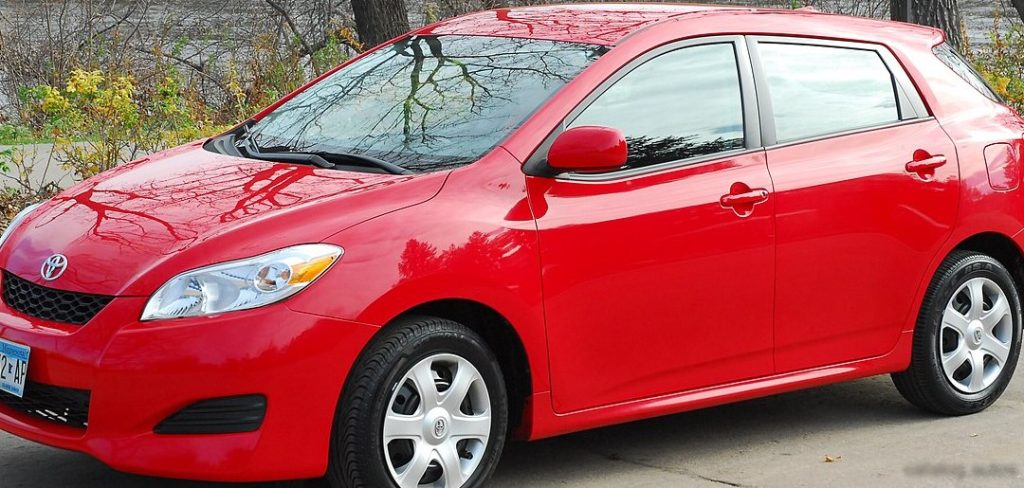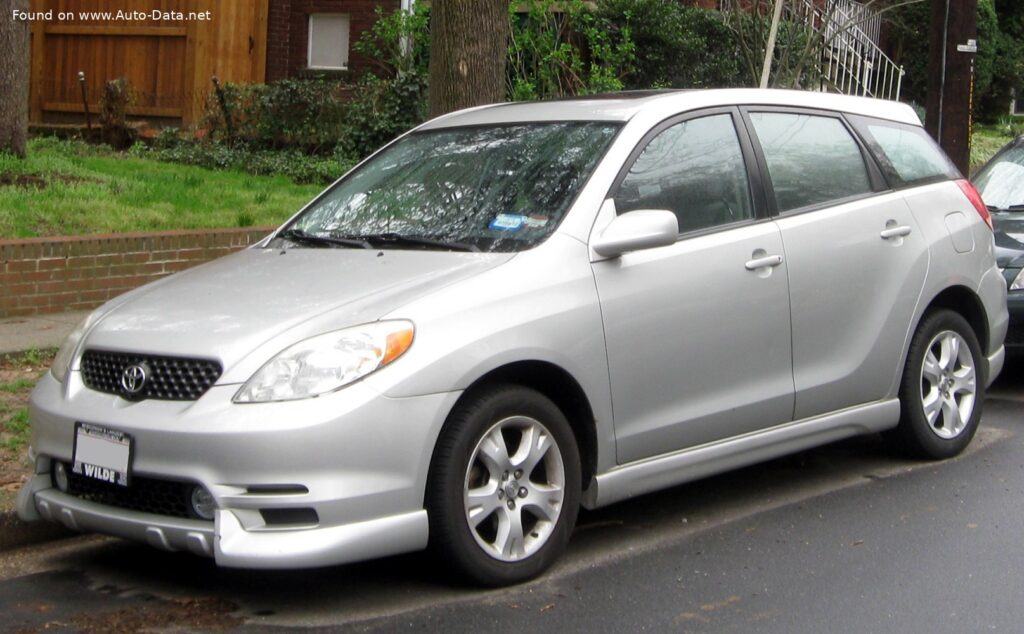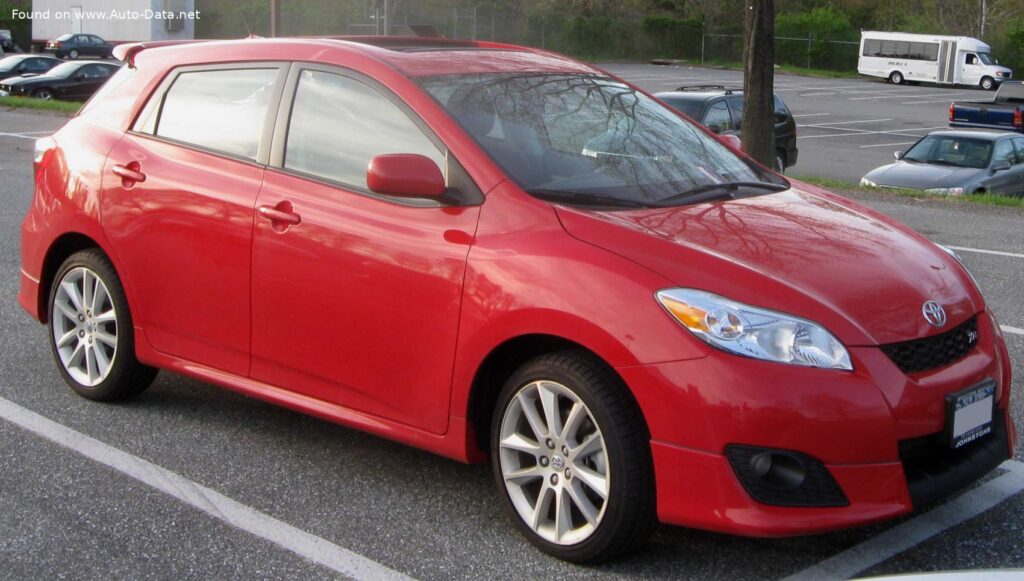
The Toyota Matrix 1.8L (132 hp) Automatic, produced between 2009 and 2013, represents a key variant within the second generation (E140) of the Matrix. Positioned as a mid-range offering, this model aimed to balance affordability with practicality and a comfortable driving experience. The E140 Matrix, built on the Toyota MC platform (shared with the Corolla E140/E150), was designed to appeal to buyers seeking a versatile, compact hatchback with a focus on interior space and utility. This specific 1.8L automatic configuration was a popular choice, particularly for those prioritizing ease of use over outright performance.
Powertrain & Engine Architecture
At the heart of the Matrix 1.8L Automatic lies the 2ZR-FE inline-four cylinder engine. This 1.8-liter (1798 cm3 or 109.72 cu. in.) engine is a naturally aspirated powerplant featuring a double overhead camshaft (DOHC) valvetrain with four valves per cylinder. The engine’s bore and stroke measure 80.5 mm (3.17 in) and 88.3 mm (3.48 in) respectively, resulting in a compression ratio of 10:1. Fuel delivery is managed by a multi-port fuel injection system, a common setup for Toyota engines of this era. The 2ZR-FE is known for its relatively simple design and robust construction, contributing to its generally good reliability record.
The engine is mated to a four-speed automatic transmission. While not the most modern transmission available at the time, this unit was chosen for its smoothness and dependability. The transmission’s gear ratios are tuned for fuel efficiency and comfortable cruising, rather than aggressive acceleration. The automatic transmission features typical overdrive capabilities to further enhance fuel economy at highway speeds. The drivetrain is front-wheel drive, standard for the Matrix.
Engine Specifications
The 2ZR-FE engine in this configuration produces 132 horsepower at 6000 rpm and 174 Nm (128.34 lb-ft) of torque at 4200 rpm. This translates to a power-to-weight ratio of approximately 98.1 hp per tonne and a torque-to-weight ratio of 129.4 Nm per tonne. The engine oil capacity is 4.7 liters (4.97 US qt | 4.14 UK qt), and the coolant capacity is 5.5 liters (5.81 US qt | 4.84 UK qt).
Driving Characteristics
The driving experience in the Matrix 1.8L Automatic is characterized by its smoothness and ease of operation. Acceleration is adequate for everyday driving, but it’s not particularly sporty. The four-speed automatic transmission, while reliable, lacks the responsiveness and efficiency of more modern transmissions with a greater number of gears. The power delivery is linear, with the engine providing sufficient torque for merging onto highways and passing slower vehicles. However, drivers seeking a more engaging driving experience might find the performance somewhat underwhelming compared to the available manual transmission or the higher-output engine options.
The automatic transmission’s shift points are programmed to prioritize fuel economy, which can sometimes result in the engine feeling slightly strained during uphill climbs or when carrying a full load. Overall, the Matrix 1.8L Automatic is best suited for drivers who value comfort and convenience over outright performance.
Equipment & Trim Levels
The 1.8L Automatic Matrix typically came standard with a reasonable level of equipment. Standard features generally included air conditioning, power windows and locks, a basic audio system (often with CD player and auxiliary input), and anti-lock brakes (ABS). Interior upholstery was typically cloth, with a durable and practical design. The dashboard layout was functional and straightforward, prioritizing ease of use.
Optional extras varied depending on the year and region, but commonly included features like alloy wheels, a sunroof, upgraded audio systems (potentially with Bluetooth connectivity), and keyless entry. Higher trim levels, often denoted by specific package names, added features such as premium cloth or leather upholstery, automatic climate control, and more advanced audio systems. The Matrix was designed to be a customizable vehicle, allowing buyers to tailor the equipment level to their specific needs and budget.
Chassis & Braking
The Matrix 1.8L Automatic utilizes an independent McPherson strut suspension in the front, providing a comfortable ride and decent handling characteristics. The rear suspension employs a torsion beam setup, which is a cost-effective and space-efficient solution. A transverse stabilizer bar is included both front and rear to reduce body roll during cornering. The braking system consists of ventilated discs in the front (274.32 mm) and solid discs in the rear (259.08 mm). The inclusion of ABS further enhances braking performance and safety.
The vehicle’s curb weight of 1345 kg (2965.22 lbs) influences its handling and braking performance. The relatively modest weight, combined with the suspension setup, results in a stable and predictable driving experience. The electric power steering provides light and easy steering effort, making it convenient for maneuvering in urban environments.
Market Reception & Comparison
The Toyota Matrix 1.8L Automatic was generally well-received by critics and consumers alike. It was praised for its practicality, spacious interior, and comfortable ride. However, some reviewers noted that the engine lacked the power and refinement of some of its competitors. Compared to the higher-output engine options within the Matrix lineup (such as the 2.4L), the 1.8L Automatic offered lower performance but better fuel economy.
Fuel consumption figures are rated at 9.4 l/100 km (25 US mpg / 30.1 UK mpg) in urban conditions and 7.6 l/100 km (30.9 US mpg / 37.2 UK mpg) in extra-urban driving. In terms of reliability, the 2ZR-FE engine and the four-speed automatic transmission are generally considered to be dependable, although regular maintenance is crucial for long-term durability. Compared to other compact hatchbacks of the era, the Matrix offered a compelling combination of features, practicality, and Toyota’s reputation for reliability.
Technical Specifications
| Body Type | Hatchback, 5 Doors, 5 Seats |
| Engine Type | Inline-4, Naturally Aspirated |
| Engine Displacement | 1.8 l (1798 cm3 / 109.72 cu. in.) |
| Horsepower | 132 hp @ 6000 rpm |
| Torque | 174 Nm (128.34 lb-ft) @ 4200 rpm |
| Fuel Type | Petrol (Gasoline) |
| Transmission | 4-speed Automatic |
| Drivetrain | Front Wheel Drive |
| Curb Weight | 1345 kg (2965.22 lbs) |
| Fuel Tank Capacity | 50 l (13.21 US gal | 11 UK gal) |
| Trunk Space (min/max) | 561 l / 1741 l (19.81 cu. ft. / 61.48 cu. ft.) |
| Length | 4366 mm (171.89 in) |
| Width | 1765 mm (69.49 in) |
| Height | 1549 mm (60.98 in) |
| Wheelbase | 2601 mm (102.4 in) |
Legacy
The Toyota Matrix 1.8L Automatic has proven to be a durable and reliable vehicle, maintaining a solid reputation in the used car market. The 2ZR-FE engine, when properly maintained, is known to withstand high mileage. Common maintenance items include regular oil changes, timing belt replacement (typically around 90,000 miles), and inspection of the cooling system. While the four-speed automatic transmission is generally reliable, it’s important to ensure that it receives regular fluid changes. Today, these Matrix models represent an affordable and practical option for buyers seeking a dependable compact hatchback. Their spacious interiors, good fuel economy, and Toyota’s reputation for reliability continue to make them a popular choice among budget-conscious consumers.