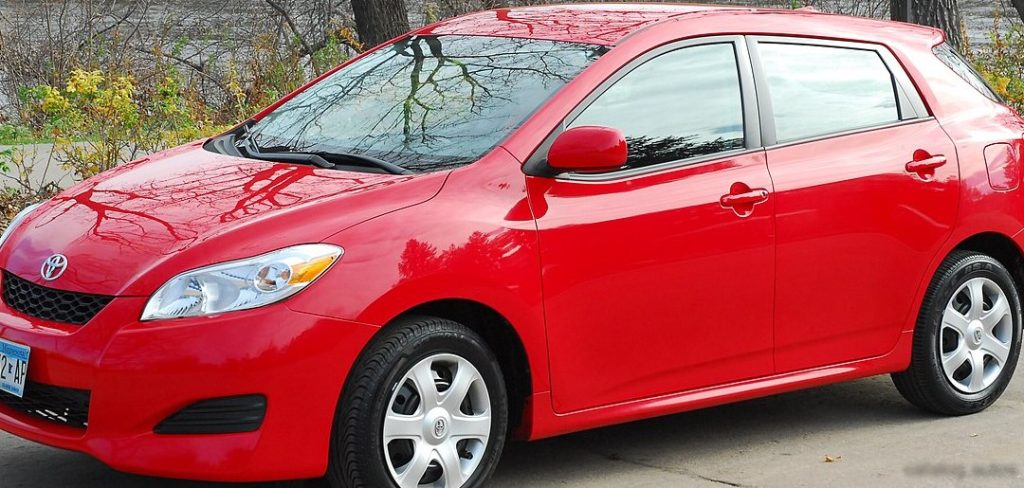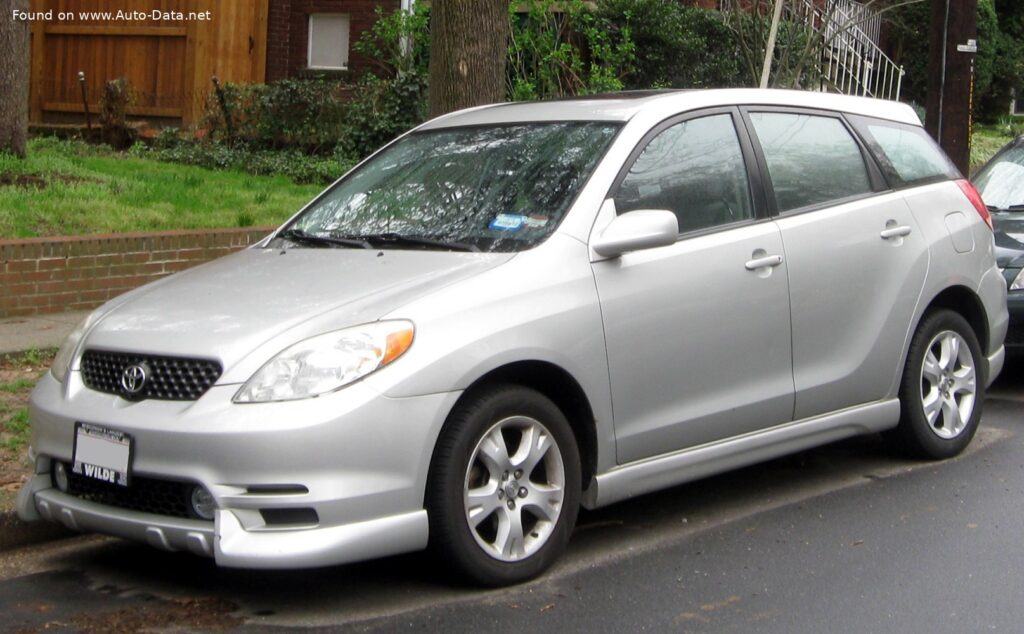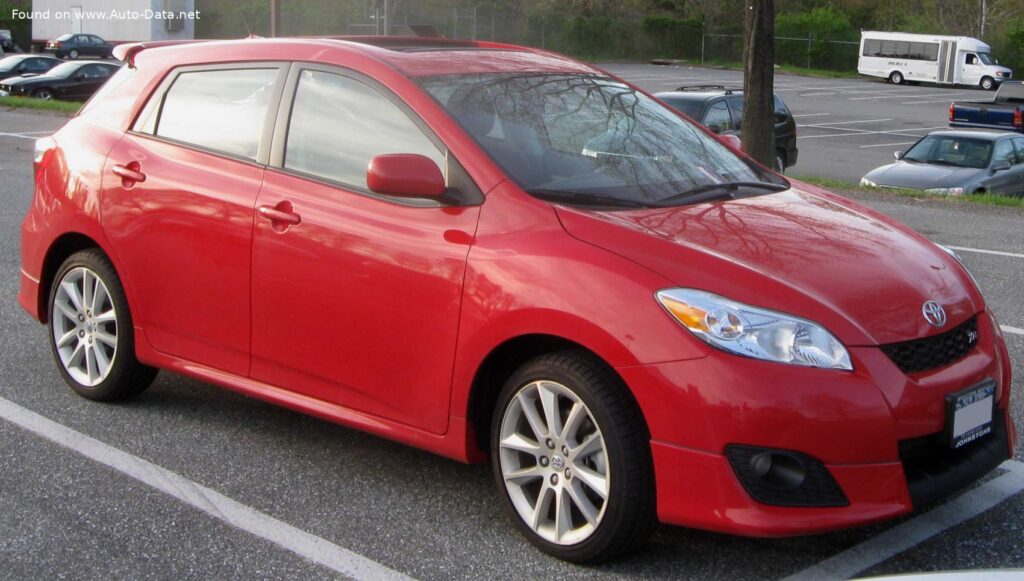
The Toyota Matrix, specifically the 2.4-liter (160 hp) variant produced between 2008 and 2014 (part of the E140 generation), represented a mid-range offering within the Matrix lineup. Positioned above the base 1.8-liter engine, it aimed to provide a balance of fuel efficiency and performance for buyers seeking a versatile, compact hatchback. The Matrix, sharing its platform with the Pontiac Vibe, was marketed as a practical and sporty alternative to traditional sedans and SUVs, appealing to a demographic valuing functionality and reliability. This generation of Matrix models benefited from Toyota’s reputation for build quality and a relatively spacious interior for its class.
2.4-Liter Powertrain & Engine Architecture
The heart of the 2008-2014 Toyota Matrix 2.4 was the 2AZ-FE inline-four cylinder engine. This 2.4-liter (2362 cm3 or 144.14 cu. in.) engine produced 160 horsepower at 5600 rpm and 225 Nm (165.95 lb-ft) of torque at 4000 rpm. The engine featured a cast iron block and an aluminum cylinder head, contributing to its durability and relatively lightweight construction. It employed multi-port fuel injection, delivering fuel directly into the intake ports, and utilized a double overhead camshaft (DOHC) valvetrain with Variable Valve Timing-intelligence (VVT-i). VVT-i optimized valve timing based on engine speed and load, improving both performance and fuel efficiency.
While a five-speed manual transmission was available, the 2.4-liter engine was frequently paired with a four-speed automatic transmission. This automatic transmission, though reliable, was a point of criticism for some reviewers who found it to be somewhat dated compared to transmissions offered by competitors, lacking the smoothness and efficiency of newer designs. The gear ratios were designed to prioritize fuel economy and comfortable cruising rather than outright acceleration. The transmission’s shift points were generally conservative, aiming to keep the engine within its optimal torque band for everyday driving.
Engine Specifications
Key engine specifications included a compression ratio of 9.6:1 and four valves per cylinder. The engine oil capacity was 3.8 liters (4.02 US qt | 3.34 UK qt), and the recommended oil specification varied depending on the region and year of manufacture. The cooling system held 5.7 liters (6.02 US qt | 5.02 UK qt) of coolant.
Driving Characteristics
The 2.4-liter Matrix offered a noticeable improvement in performance over the base 1.8-liter model. Acceleration was adequate for merging onto highways and passing slower traffic, though it wasn’t considered particularly sporty. The engine delivered a relatively linear power curve, with usable torque available across a broad range of engine speeds. The four-speed automatic transmission, while generally smooth, could sometimes feel sluggish during quick acceleration maneuvers. Compared to the manual transmission version, the automatic resulted in a slight decrease in fuel economy and a less engaging driving experience.
The Matrix 2.4’s handling was generally considered competent, but not exceptional. The suspension was tuned for comfort, providing a relatively smooth ride over most road surfaces. However, this comfort came at the expense of some body roll during cornering. The steering was light and precise, making it easy to maneuver in tight spaces.
Equipment & Trim Levels
The 2.4-liter Matrix typically came standard with features such as air conditioning, power windows and locks, and an AM/FM stereo with a CD player. Higher trim levels, such as the XR, added features like alloy wheels, a sunroof, upgraded audio systems, and keyless entry. Interior upholstery was typically cloth, with optional leather available on some trims. The dashboard layout was functional and straightforward, with easy-to-read gauges and well-placed controls. Optional extras included a navigation system, a backup camera, and a premium sound system.
Chassis & Braking
The Matrix 2.4 utilized an independent McPherson strut suspension in the front and a torsion beam suspension in the rear. This setup provided a good balance of ride comfort and handling. The front brakes were ventilated discs measuring 295 mm, while the rear brakes were solid discs measuring 277 mm. All four wheels were equipped with anti-lock braking system (ABS) as standard. The steering system was a rack and pinion type with electric power steering, providing light and responsive steering feel. The standard tire size was 205/55 R16 89H, mounted on 16-inch steel or alloy wheels.
Market Reception & Comparison
The Toyota Matrix 2.4 received generally positive reviews from automotive critics. It was praised for its practicality, reliability, and fuel efficiency. However, some reviewers criticized the dated four-speed automatic transmission and the somewhat bland interior styling. Compared to other vehicles in its class, such as the Honda Civic and Mazda3, the Matrix offered a more spacious interior and a more comfortable ride, but lacked the sporty handling characteristics of some competitors. Fuel economy was rated at approximately 13.5 l/100 km (17.4 US mpg) in urban driving and 10.1 l/100 km (23.3 US mpg) in extra-urban driving. The 2.4-liter engine offered a noticeable improvement in fuel economy compared to the base 1.8-liter engine, while providing significantly more power.
Technical Specifications
| Body Type | Hatchback, 5 Doors, 5 Seats |
| Engine Type | Inline-4, Petrol (Gasoline) |
| Engine Displacement | 2.4 l (2362 cm3 / 144.14 cu. in.) |
| Engine Code | 2AZ-FE |
| Power | 160 Hp @ 5600 rpm |
| Torque | 225 Nm (165.95 lb.-ft.) @ 4000 rpm |
| Compression Ratio | 9.6:1 |
| Fuel Injection | Multi-port Manifold Injection |
| Valvetrain | DOHC, VVT-i |
| Transmission | 4-speed Automatic (also available with 5-speed Manual) |
| Drive Type | Front Wheel Drive |
| Kerb Weight | 1348 kg (2971.83 lbs.) |
| Fuel Tank Capacity | 50 l (13.21 US gal | 11 UK gal) |
| Trunk Space (min/max) | 560 – 1398 l (19.78 – 49.37 cu. ft.) |
| Dimensions (L x W x H) | 4394 mm x 1765 mm x 1549 mm (172.99 in x 69.49 in x 60.98 in) |
Legacy
The Toyota Matrix 2.4, particularly those well-maintained, have proven to be remarkably reliable vehicles. The 2AZ-FE engine is known for its longevity and relatively low maintenance costs. Common issues are typically related to age and mileage, such as oil leaks and worn suspension components. In the used car market, the Matrix 2.4 remains a popular choice for buyers seeking a practical, affordable, and dependable hatchback. Its reputation for reliability and fuel efficiency continues to make it a compelling option, even as newer vehicles with more advanced features become available. The four-speed automatic transmission, while not the most modern, has proven to be durable and generally requires minimal maintenance. Overall, the 2008-2014 Toyota Matrix 2.4 represents a solid and dependable vehicle that continues to offer good value in the used car market.