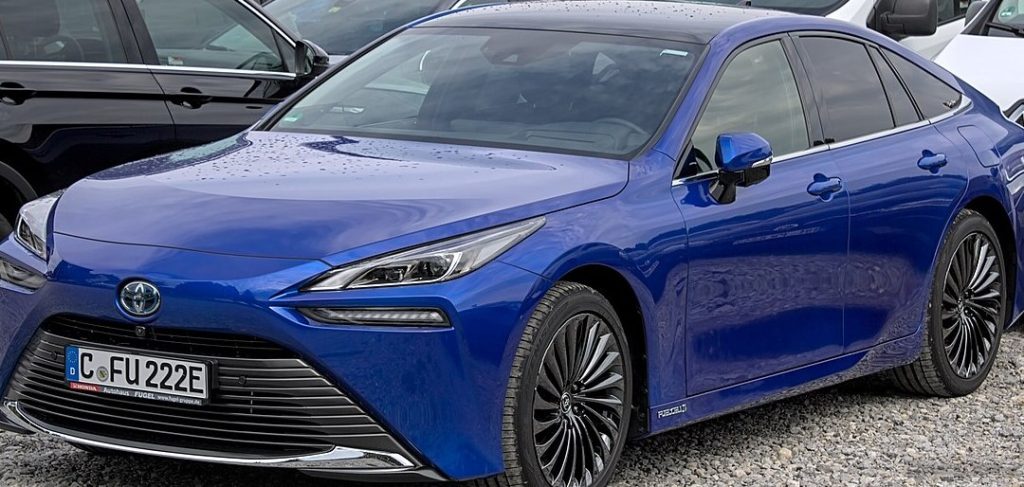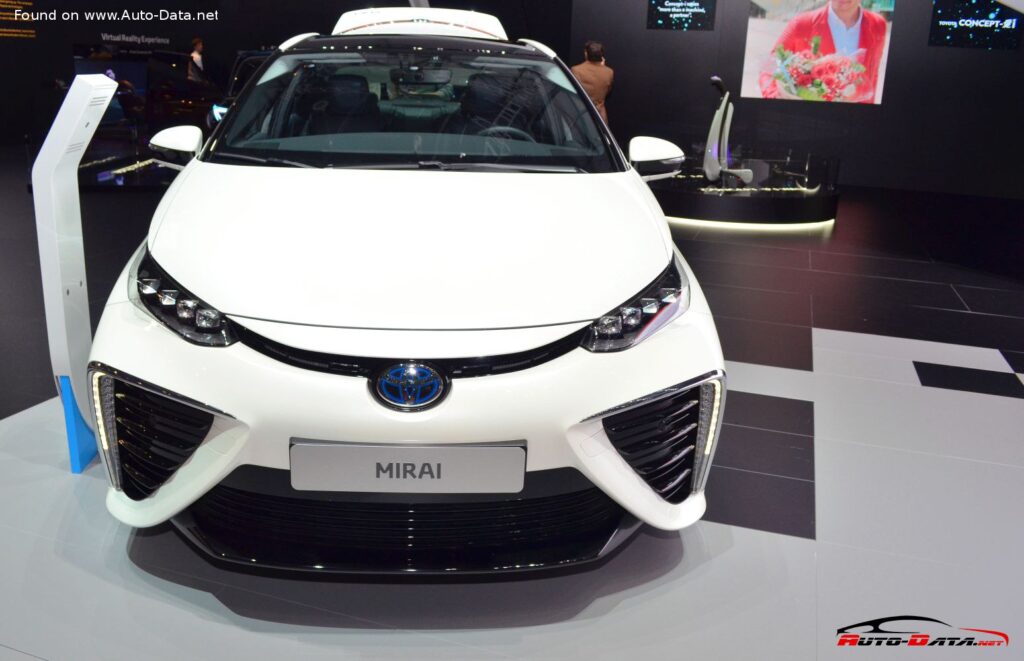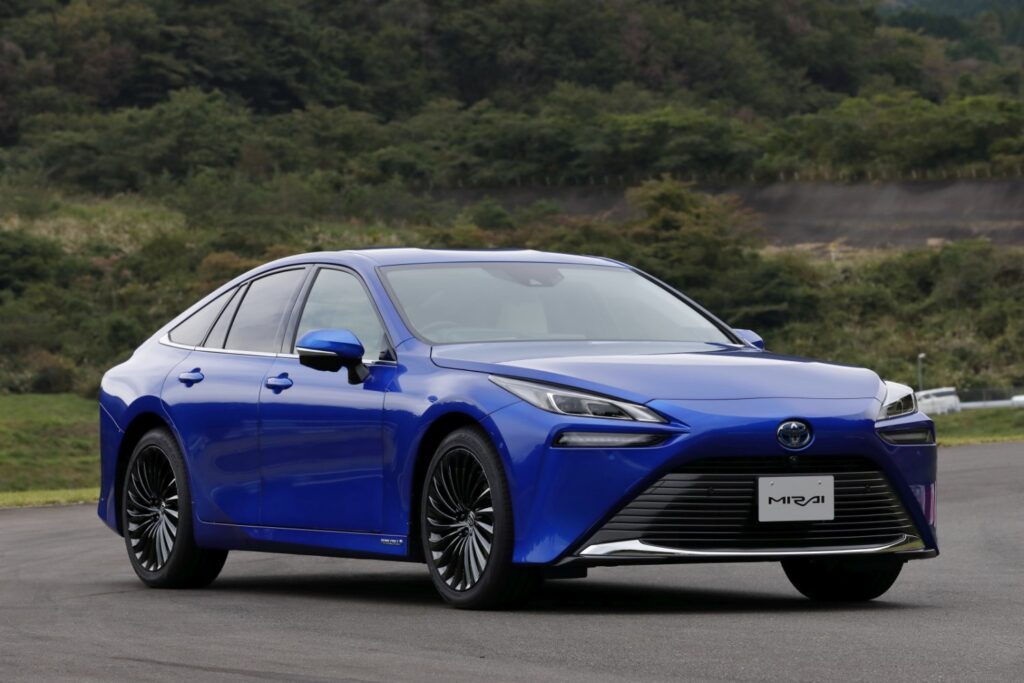
The Toyota Mirai II, launched in late 2020, represents the second generation of Toyota’s hydrogen fuel cell electric vehicle (FCEV). This variant, equipped with a 1.2 kWh battery and a 182 horsepower electric motor, is the primary configuration offered in most markets. It builds upon the foundation laid by the first-generation Mirai, addressing earlier criticisms regarding range, performance, and styling. The Mirai II is positioned as a technologically advanced, zero-emission luxury sedan, aimed at environmentally conscious consumers seeking a premium driving experience. It is built on a dedicated platform, representing Toyota’s commitment to hydrogen as a viable alternative fuel source.
Powertrain & Engine Architecture
The Toyota Mirai II doesn’t utilize a conventional internal combustion engine. Instead, it employs a Fuel Cell System (FCS) to generate electricity. Hydrogen gas stored in high-pressure tanks is combined with oxygen from the air, producing electricity, water, and heat. The electricity powers a single electric motor that drives the rear wheels. The 1.2 kWh lithium-ion battery acts as a buffer, providing supplemental power during acceleration and recapturing energy during regenerative braking. The battery is located under the rear seats and within the trunk space, impacting cargo volume.
The fuel cell stack itself is a significant engineering achievement. It utilizes a polymer electrolyte membrane (PEM) fuel cell, known for its high efficiency and relatively quick start-up time. The system operates at a voltage of 310.8V. The electric motor, delivering 182 hp and 300 Nm (221.27 lb-ft) of torque, is a synchronous permanent magnet motor. This type of motor provides instant torque and contributes to the Mirai II’s smooth and quiet operation. The single-speed automatic transmission is a direct-drive system, simplifying the powertrain and maximizing efficiency.
Fuel Cell System Details
The fuel cell system is a complex assembly comprising the fuel cell stack, hydrogen tanks, air intake system, power control unit, and cooling system. Toyota has significantly improved the durability and cold-weather performance of the fuel cell stack in the Mirai II compared to the first generation. The hydrogen tanks, constructed from carbon fiber reinforced plastic (CFRP), are designed to withstand extremely high pressures (700 bar or approximately 10,000 psi) and are strategically positioned under the floor and rear seats for optimal weight distribution and safety.
Driving Characteristics
The Mirai II offers a refined and comfortable driving experience. The instant torque delivery of the electric motor provides brisk acceleration, with a 0-60 mph time of approximately 8.7 seconds and a 0-100 km/h time of 9.2 seconds. While not a performance car, the Mirai II feels adequately powered for everyday driving situations. The rear-wheel-drive configuration contributes to balanced handling, and the independent multi-link suspension provides a smooth ride. The single-speed automatic transmission offers seamless acceleration, although it lacks the gear changes found in traditional automatic transmissions. The regenerative braking system is effective at capturing energy and extending range, but the pedal feel can be somewhat artificial.
Compared to the first-generation Mirai, the II offers improved responsiveness and a more engaging driving experience. The increased hydrogen tank capacity and optimized fuel cell system contribute to a longer driving range, approximately 300 miles (483 km) on a full tank of hydrogen. However, the availability of hydrogen refueling stations remains a significant limitation for many potential buyers.
Equipment & Trim Levels
The Mirai II is offered in a relatively limited number of trim levels, focusing on providing a high level of standard equipment. Standard features typically include Toyota Safety Sense 2.5+, which encompasses a suite of advanced driver-assistance systems such as pre-collision system with pedestrian detection, lane departure alert with steering assist, full-speed range dynamic radar cruise control, and automatic high beams. Interior amenities include premium synthetic leather upholstery, heated and ventilated front seats, a 12.3-inch touchscreen infotainment system with navigation, and a premium JBL audio system.
Optional extras generally include a panoramic glass roof, a rear-seat entertainment system, and a selection of exterior color options. The dashboard layout is modern and minimalist, with a focus on intuitive controls and a high-quality feel. The interior space is comparable to that of a mid-size sedan, although the battery pack and hydrogen tanks slightly reduce trunk capacity.
Chassis & Braking
The Mirai II utilizes a robust chassis designed to accommodate the weight of the fuel cell system and hydrogen tanks. The front suspension consists of an independent multi-link setup with a transverse stabilizer bar, while the rear suspension also employs an independent multi-link configuration with a stabilizer bar. This suspension design provides a comfortable ride and stable handling. The braking system features ventilated discs on all four wheels, providing ample stopping power. The anti-lock braking system (ABS) is standard, enhancing safety and control during emergency braking situations. The electric power steering system offers precise and responsive steering feel.
The vehicle’s curb weight ranges from 1900 to 1950 kg (4188.78 – 4299.01 lbs), depending on the specific equipment and options. The drag coefficient of 0.29 contributes to the Mirai II’s aerodynamic efficiency and helps to maximize range.
Market Reception & Comparison
The Toyota Mirai II has received generally positive reviews from automotive critics, who praise its technological innovation, refined driving experience, and zero-emission credentials. However, the limited availability of hydrogen refueling infrastructure remains a significant barrier to widespread adoption. Compared to other fuel cell vehicles, such as the Hyundai Nexo, the Mirai II offers a more stylish design and a more engaging driving experience. In terms of fuel economy, the Mirai II achieves the equivalent of approximately 76 MPGe (miles per gallon equivalent), making it highly efficient. Reliability is expected to be high, given Toyota’s reputation for building durable and dependable vehicles. However, the long-term durability of the fuel cell stack remains a key area of focus for ongoing research and development.
Technical Specifications
| Body Type | Sedan, 4 Doors, 5 Seats |
| Engine Type | FCEV (Fuel Cell Electric Vehicle) |
| Fuel Type | Hydrogen |
| System Power | 182 Hp |
| System Torque | 300 Nm (221.27 lb.-ft.) |
| Battery Capacity | 1.2 kWh |
| Battery Voltage | 310.8 V |
| Battery Technology | Lithium-ion (Li-Ion) |
| Battery Weight | 45 kg (99.21 lbs.) |
| Acceleration 0-60 mph | 8.7 sec |
| Acceleration 0-100 km/h | 9.2 sec |
| Maximum Speed | 175 km/h (108.74 mph) |
| Curb Weight | 1900-1950 kg (4188.78 – 4299.01 lbs.) |
| Gross Weight | 2415 kg (5324.16 lbs.) |
| Fuel Tank Capacity | 5.6 kg |
| Length | 4975 mm (195.87 in.) |
| Width | 1885 mm (74.21 in.) |
| Height | 1480 mm (58.27 in.) |
| Wheelbase | 2920 mm (114.96 in.) |
| Gearbox | 1-speed automatic transmission |
Legacy
The Toyota Mirai II represents a significant step forward in the development of hydrogen fuel cell technology. While the widespread adoption of hydrogen vehicles faces challenges related to infrastructure and cost, the Mirai II demonstrates Toyota’s commitment to exploring alternative fuel sources and reducing carbon emissions. The powertrain, while complex, has shown promising durability in early testing. On the used car market, the Mirai II is expected to hold its value relatively well, particularly among environmentally conscious buyers. The long-term reliability of the fuel cell stack will be a key factor in determining its overall legacy. As hydrogen refueling infrastructure expands and the cost of fuel cell technology decreases, the Mirai II and its successors have the potential to play a significant role in the future of sustainable transportation.