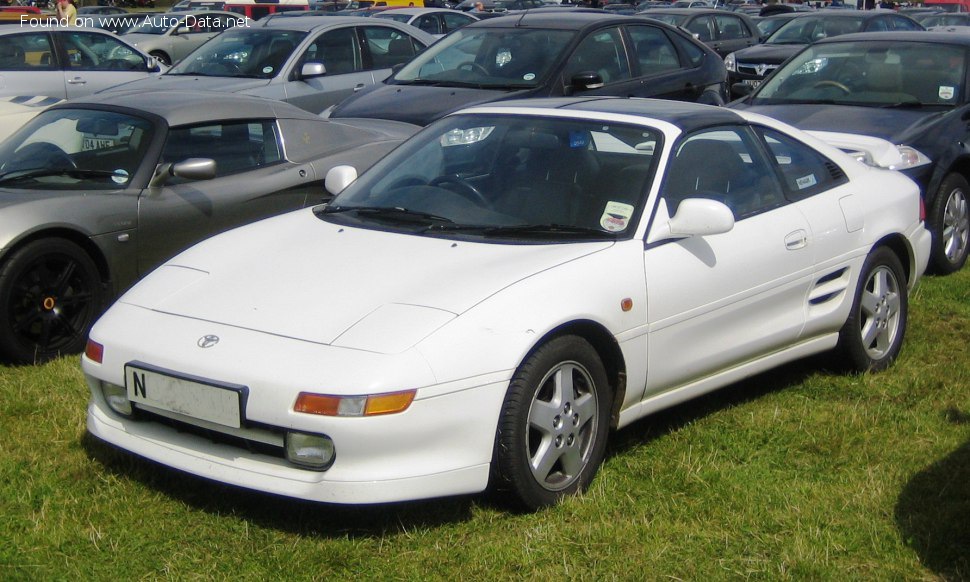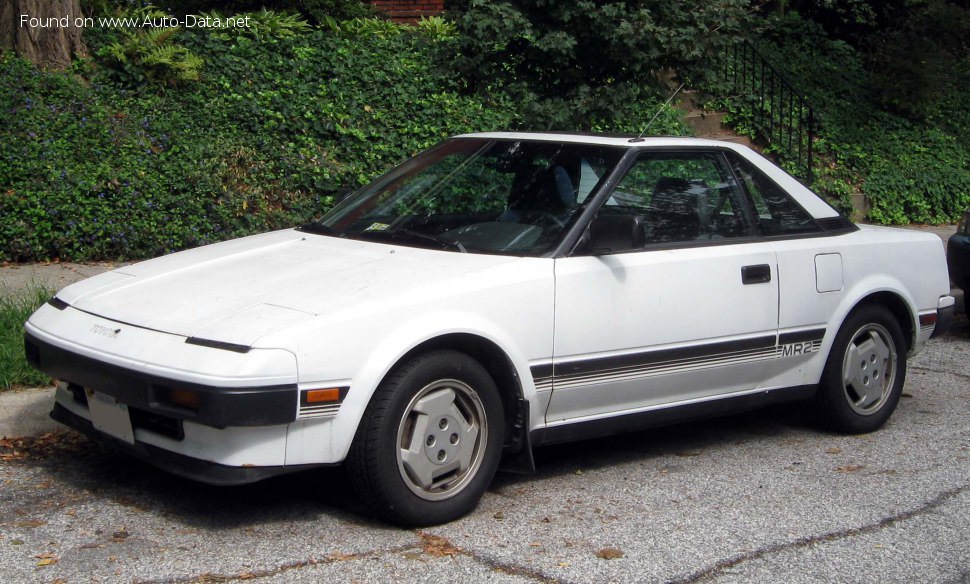
The Toyota MR2 (AW11) 1.6 16V, produced between 1984 and 1989, represents the first generation of Toyota’s mid-engine, rear-wheel drive sports car. Positioned as an affordable and accessible sports coupe, the 1.6-liter 16-valve variant served as the entry point into the MR2 lineup, offering a balance of performance and economy. It was designed to compete with similar vehicles like the Porsche 944 and Lotus Esprit, but at a significantly lower price point. The AW11 chassis code designates this first generation, and it was built on a dedicated rear-wheel drive platform, a departure from Toyota’s predominantly front-wheel drive offerings at the time.
Powertrain & Engine Architecture
The heart of the MR2 1.6 16V is the 4A-GE engine, a 1.6-liter (1587 cc) inline-four cylinder gasoline engine. This engine is notable for its double overhead camshaft (DOHC) valvetrain, which contributes to its relatively high power output for its displacement. The 4A-GE utilizes multi-port fuel injection, a significant advancement for the time, improving fuel efficiency and throttle response. The engine produces 124 horsepower at 6600 rpm and 142 Nm (104.73 lb-ft) of torque at 5000 rpm. The compression ratio is 10:1. Engine oil capacity is 3.3 liters (3.49 US quarts or 2.9 UK quarts).
The AW11 was exclusively offered with a 5-speed manual transmission. While an automatic transmission was available in some MR2 models, it was not paired with the 1.6 16V engine. This was a deliberate choice by Toyota to maintain the sporty character of the base model. The transmission features a conventional gear layout, optimized for both acceleration and highway cruising. The rear-wheel drive configuration, combined with the mid-engine layout, provides excellent balance and handling characteristics.
Engine Codes and Variations
The 4A-GE engine came in several variations throughout its production run. Early versions (often referred to as “Blue Top” due to the valve cover color) featured slightly different intake manifold designs and ECU calibrations. Later versions (“Red Top”) incorporated minor improvements to enhance performance and reliability. The AW11 primarily used the earlier “Blue Top” variant, though some later models may have received the “Red Top” upgrade.
Driving Characteristics
The MR2 1.6 16V offers a distinctly engaging driving experience. The mid-engine layout results in a low center of gravity, minimizing body roll and enhancing cornering stability. While not exceptionally powerful by modern standards, the 124 hp engine provides sufficient power for spirited driving on winding roads. Acceleration from 0 to 60 mph is achieved in approximately 7.7 seconds, and the car has a top speed of 200 km/h (124.27 mph). The 5-speed manual transmission allows for precise gear selection, enabling the driver to maximize the engine’s power band.
Compared to the later 2.0-liter (3S-GE) MR2 variants, the 1.6 16V feels less potent in terms of outright acceleration. However, the lighter weight of the 1.6-liter engine contributes to a more nimble and responsive feel. The 1.6 also offers better fuel economy than the larger displacement engines. The absence of power steering in some base models can make low-speed maneuvering more challenging, but it also provides a more direct and connected feel to the road.
Equipment & Trim Levels
The MR2 1.6 16V was generally offered with a relatively basic level of equipment, reflecting its position as the entry-level model. Standard features typically included cloth upholstery, a basic stereo system, and manual windows and locks. Air conditioning was often an optional extra. The dashboard layout is functional and driver-focused, with clearly marked gauges and controls. Interior space is limited, as expected in a small, two-seat sports coupe.
Optional extras included upgraded stereo systems, power windows, power locks, and a sunroof. Some models were also available with leather upholstery, though this was less common on the base 1.6-liter variant. The exterior styling is characterized by its wedge-shaped profile, pop-up headlights, and integrated rear spoiler. Wheel options typically included 14-inch alloy wheels.
Chassis & Braking
The MR2 AW11 features an independent suspension system at both the front and rear. The front suspension utilizes McPherson struts, while the rear suspension also employs a McPherson strut design, albeit with a more complex geometry to optimize handling. The car’s relatively light weight contributes to its agile handling characteristics.
Braking duties are handled by ventilated discs at the front and solid discs at the rear. The braking system is adequate for normal driving conditions, but the relatively small brake rotors can limit stopping power during aggressive driving. Power steering was not standard on all models, with some versions featuring manual steering. Tire size is typically 185/60 R14 for both front and rear wheels, mounted on 5.5J x 14 inch rims.
Market Reception & Comparison
The MR2 1.6 16V was generally well-received by automotive critics, who praised its handling, affordability, and unique mid-engine layout. It was seen as a compelling alternative to more expensive sports cars. However, some critics noted the engine’s lack of outright power and the limited interior space. Fuel economy was considered good for a sports car of its era, with figures of 8.1 l/100 km (29 US mpg) in urban conditions and 6 l/100 km (39.2 US mpg) on the highway.
Compared to the 2.0-liter MR2 variants, the 1.6 16V offered a more accessible price point and slightly better fuel economy. However, the 2.0-liter models provided significantly more power and performance. The 1.6 16V was also often compared to other affordable sports cars of the time, such as the Mazda RX-7 and Nissan 240SX. Reliability was generally good, although the 4A-GE engine can be prone to oil consumption if not properly maintained.
Technical Specifications
| Brand | Toyota |
| Model | MR2 |
| Generation | MR2 (_W1_) |
| Type (Engine) | 1.6 16V (AW11) (124 Hp) |
| Start of production | 1984 |
| End of production | 1989 |
| Powertrain Architecture | Internal Combustion engine |
| Body type | Coupe |
| Seats | 2 |
| Doors | 2 |
| Fuel consumption (urban) | 8.1 l/100 km (29 US mpg) |
| Fuel consumption (extra urban) | 6 l/100 km (39.2 US mpg) |
| Fuel Type | Petrol (Gasoline) |
| Acceleration 0 – 100 km/h | 8.1 sec |
| Acceleration 0 – 62 mph | 8.1 sec |
| Acceleration 0 – 60 mph | 7.7 sec |
| Maximum speed | 200 km/h (124.27 mph) |
| Weight-to-power ratio | 8.1 kg/Hp |
| Weight-to-torque ratio | 7.1 kg/Nm |
| Power | 124 Hp @ 6600 rpm |
| Torque | 142 Nm @ 5000 rpm (104.73 lb.-ft. @ 5000 rpm) |
| Engine layout | Rear, Transverse |
| Engine displacement | 1587 cm3 (96.84 cu. in.) |
| Number of cylinders | 4 |
| Engine configuration | Inline |
| Cylinder Bore | 81 mm (3.19 in.) |
| Piston Stroke | 77 mm (3.03 in.) |
| Compression ratio | 10:1 |
| Number of valves per cylinder | 4 |
| Fuel injection system | Multi-port manifold injection |
| Engine aspiration | Naturally aspirated |
| Engine oil capacity | 3.3 l (3.49 US qt | 2.9 UK qt) |
| Kerb Weight | 1003 kg (2211.24 lbs.) |
| Max. weight | 1260 kg (2777.82 lbs.) |
| Max load | 257 kg (566.59 lbs.) |
| Fuel tank capacity | 41 l (10.83 US gal | 9.02 UK gal) |
| Length | 3925 mm (154.53 in.) |
| Width | 1665 mm (65.55 in.) |
| Height | 1250 mm (49.21 in.) |
| Wheelbase | 2320 mm (91.34 in.) |
| Front track | 1440 mm (56.69 in.) |
| Rear track | 1440 mm (56.69 in.) |
| Number of gears | 5 |
| Type of gearbox | Manual transmission |
Legacy
The MR2 1.6 16V remains a popular choice among enthusiasts today, prized for its engaging driving dynamics and affordability. While the 4A-GE engine is generally reliable, regular maintenance is crucial to prevent oil consumption and ensure long-term durability. Parts availability is generally good, although some specific components may be difficult to find. The AW11 MR2 has developed a strong following in the tuner community, with many owners modifying their cars for improved performance and handling. The car’s unique mid-engine layout and rear-wheel drive configuration continue to appeal to drivers seeking a pure and engaging driving experience. Well-maintained examples command a reasonable price on the used car market, reflecting the car’s enduring appeal and historical significance.