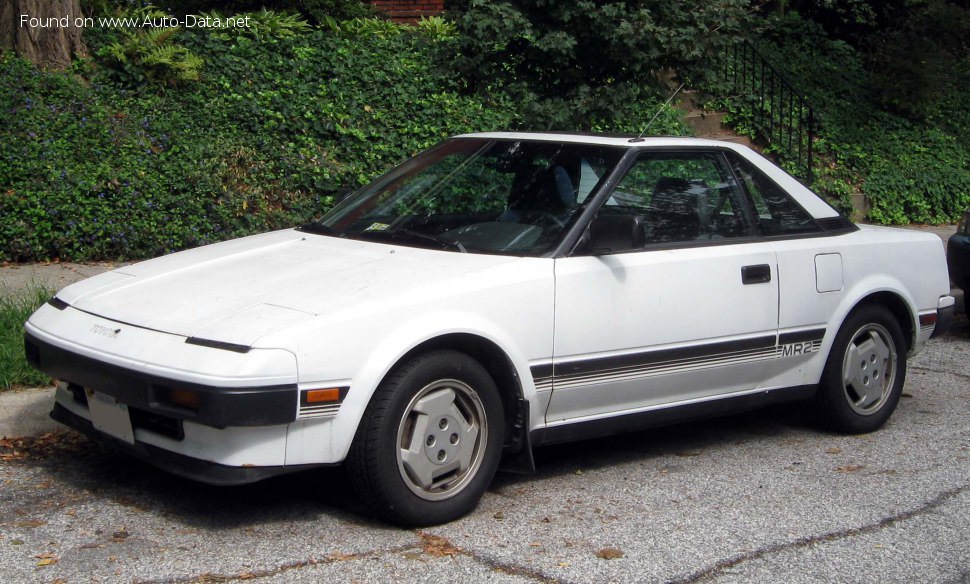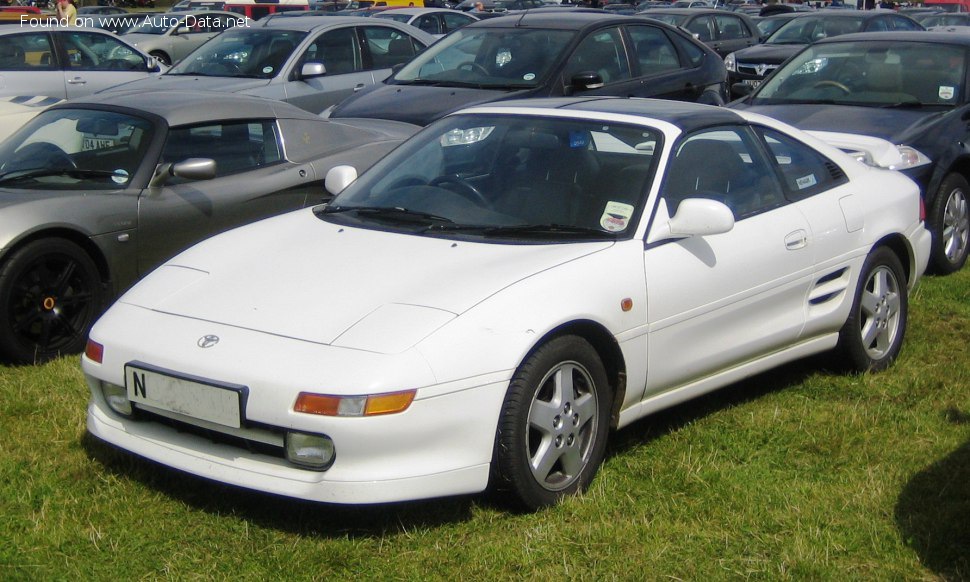
The Toyota MR2 (SW20) 2.0 16V, produced between 1989 and 1999, represents the second generation of Toyota’s mid-engine, rear-wheel-drive sports car. This iteration, built on the W2 platform, significantly evolved from the first-generation AW11 MR2, offering increased performance, refinement, and a more mature design. The 2.0-liter 16V model, producing 156 horsepower, occupied a key position in the SW20 lineup, serving as the performance-oriented variant bridging the gap between the base 1.6-liter models and the later, more powerful turbocharged versions. It was marketed towards enthusiasts seeking a pure driving experience with a focus on handling and balance.
Powertrain & Engine Architecture
The heart of the SW20 2.0 16V is the 3S-GE engine, a naturally aspirated 2.0-liter inline-four cylinder powerplant. This engine, internally designated as the 3S-GE, featured a cast iron block and an aluminum cylinder head, contributing to a relatively lightweight construction. The ‘GE’ designation signified Toyota’s high-performance engine series. The engine boasts a displacement of 1998 cc (121.93 cubic inches) with a bore and stroke of 86mm x 86mm, resulting in a square configuration. It employed a 10:1 compression ratio and a multi-port fuel injection system, delivering precise fuel metering for optimal combustion. The valvetrain utilizes a single overhead camshaft (OHC) operating four valves per cylinder (16V), enhancing volumetric efficiency and contributing to the engine’s responsive nature.
The SW20 2.0 16V was exclusively offered with a 5-speed manual transmission. This transmission was chosen to complement the engine’s performance characteristics and provide drivers with full control over the power delivery. The gearbox featured close ratios designed to keep the engine within its optimal power band during spirited driving. The rear-wheel-drive configuration, coupled with the mid-engine layout, resulted in exceptional balance and handling characteristics. The differential was of the open type, prioritizing affordability and simplicity over limited-slip functionality.
Engine Codes & Variations
While the core 3S-GE engine remained consistent throughout the SW20 2.0 16V production run, minor variations existed depending on the specific market. These differences primarily related to emissions control equipment and slight adjustments to the engine management system. The engine consistently delivered 156 hp at 6600 rpm and 186 Nm (137.19 lb-ft) of torque at 4800 rpm. The power-to-liter ratio was a respectable 78.1 hp/liter.
Driving Characteristics
The SW20 2.0 16V offered a distinctly engaging driving experience. The mid-engine layout and rear-wheel drive configuration provided exceptional balance and handling. The car felt nimble and responsive, particularly in corners. The 5-speed manual transmission allowed drivers to fully exploit the engine’s powerband, offering precise gear changes and a direct connection to the drivetrain. Acceleration from 0-60 mph was achieved in approximately 7.5 to 7.9 seconds, and the car could reach a top speed of 220 km/h (136.7 mph). While not brutally fast by modern standards, the SW20 2.0 16V delivered a thrilling driving experience due to its balanced chassis and responsive engine.
Compared to the base 1.6-liter models, the 2.0 16V offered a noticeable improvement in acceleration and overall performance. The larger engine provided more torque throughout the rev range, making it more enjoyable for everyday driving and more capable on winding roads. Compared to the later turbocharged versions, the 2.0 16V lacked the raw power of forced induction, but it offered a more linear power delivery and a more predictable handling balance. The absence of turbo lag made it easier to control and more forgiving for less experienced drivers.
Equipment & Trim Levels
The SW20 2.0 16V was generally well-equipped for a sports car of its era. Standard features typically included power steering, ventilated disc brakes on the front wheels, and disc brakes on the rear. Interior appointments included comfortable sport seats, a leather-wrapped steering wheel, and a basic audio system. Air conditioning was often standard, though its availability could vary depending on the market. The dashboard layout was driver-focused, with clearly visible gauges and easy-to-reach controls.
Optional extras included a sunroof (often a T-top configuration), upgraded audio systems, and alloy wheels. Some models also offered power windows and door locks as optional equipment. The interior upholstery was typically cloth, but leather options were available on some trims. The overall interior design was functional and sporty, prioritizing driving enjoyment over luxury.
Chassis & Braking
The SW20 chassis was a monocoque construction, utilizing a combination of steel and aluminum to achieve a balance of strength and lightweight. The front suspension employed a double wishbone design, providing excellent handling and ride comfort. The rear suspension utilized a strut design, optimized for space efficiency and handling stability. The front brakes were ventilated discs, providing ample stopping power, while the rear brakes were solid discs. Anti-lock braking system (ABS) was standard, enhancing safety and control during hard braking.
The car’s relatively low weight (approximately 1155 kg or 2546.34 lbs) contributed significantly to its agile handling. The front and rear track widths were 1470 mm (57.87 in) and 1450 mm (57.09 in) respectively, providing a stable and planted stance. Tire size was typically 205/60 R14, offering a good balance of grip and ride comfort.
Market Reception & Comparison
The SW20 2.0 16V was generally well-received by automotive critics. It was praised for its balanced handling, responsive engine, and engaging driving experience. Critics noted that it offered a pure sports car experience, prioritizing driver involvement over outright speed. Fuel economy was reasonable for a sports car of its era, with combined fuel consumption of 7.8 l/100 km (30.2 US mpg, 36.2 UK mpg, 12.8 km/l). Reliability was generally good, although some owners reported issues with the engine’s timing belt and water pump.
Compared to other sports cars of the late 1980s and early 1990s, the SW20 2.0 16V offered a unique combination of performance, handling, and affordability. It competed with cars like the Mazda MX-5 Miata and the Nissan 240SX, but offered a different driving experience due to its mid-engine layout and rear-wheel drive configuration.
Technical Specifications
| Brand | Toyota |
| Model | MR2 |
| Generation | MR2 (W2) |
| Type | 2.0 16V (SW20) (156 Hp) |
| Start of production | 1989 |
| End of production | 1999 |
| Engine Displacement | 1998 cm3 (121.93 cu. in.) |
| Number of Cylinders | 4 |
| Engine Configuration | Inline |
| Cylinder Bore | 86 mm (3.39 in.) |
| Piston Stroke | 86 mm (3.39 in.) |
| Compression Ratio | 10:1 |
| Fuel Injection System | Multi-port manifold injection |
| Power | 156 Hp @ 6600 rpm |
| Torque | 186 Nm (137.19 lb.-ft.) @ 4800 rpm |
| Acceleration 0-100 km/h | 7.9 sec |
| Acceleration 0-60 mph | 7.5 sec |
| Maximum Speed | 220 km/h (136.7 mph) |
| Fuel Consumption (Urban) | 10.3 l/100 km (22.8 US mpg) |
| Fuel Consumption (Extra Urban) | 6 l/100 km (39.2 US mpg) |
| Fuel Consumption (Combined) | 7.8 l/100 km (30.2 US mpg) |
| Max. Weight | 1155 kg (2546.34 lbs.) |
| Trunk Space (Minimum) | 220 l (7.77 cu. ft.) |
| Fuel Tank Capacity | 55 l (14.53 US gal) |
| Length | 4140 mm (162.99 in.) |
| Width | 1695 mm (66.73 in.) |
| Height | 1240 mm (48.82 in.) |
| Wheelbase | 2400 mm (94.49 in.) |
Legacy
The SW20 2.0 16V remains a popular choice among enthusiasts today. Its balanced handling, responsive engine, and relatively affordable price make it an attractive option for those seeking a classic sports car experience. The 3S-GE engine is known for its durability and reliability, although regular maintenance, particularly timing belt replacement, is crucial. Parts availability is generally good, although some specific components may be becoming increasingly difficult to find. The SW20 2.0 16V has established a strong following in the automotive community, and well-maintained examples continue to command respectable prices in the used car market.