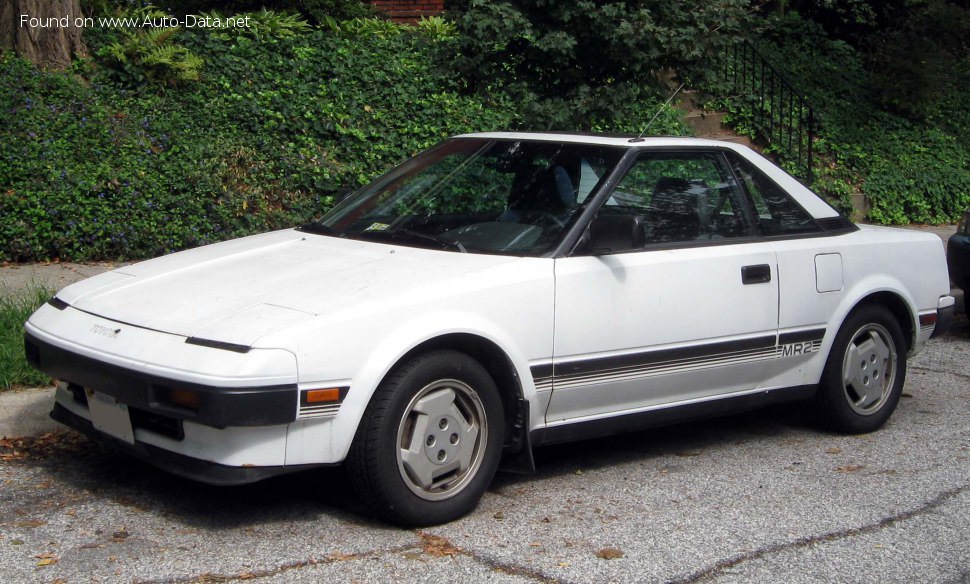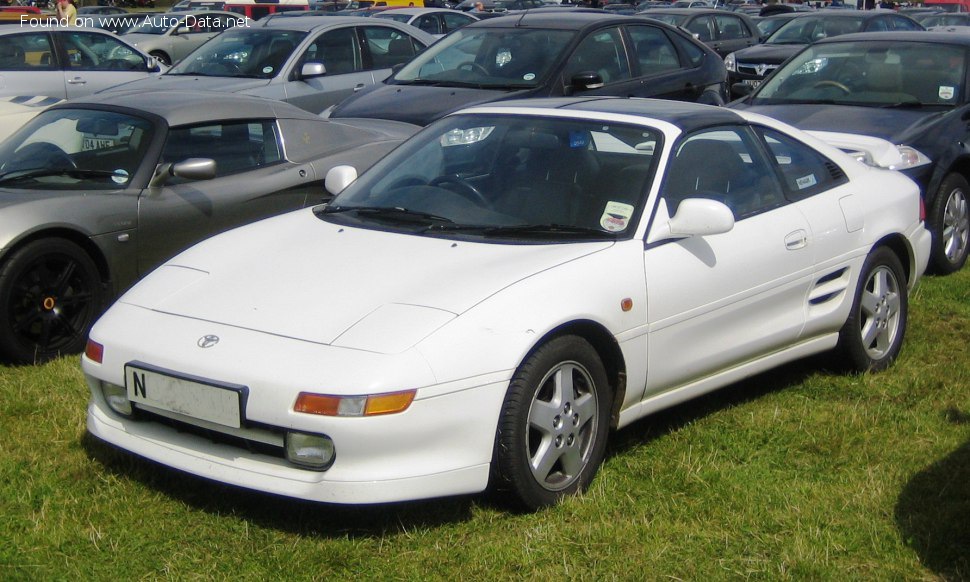
The Toyota MR2 (SW20) 2.0 16V Automatic, produced between 1989 and 1999, represents a significant iteration of Toyota’s mid-engine, rear-wheel-drive sports car. Part of the second-generation MR2 (W2) series, this variant occupied a middle ground in the lineup, offering a balance between performance and accessibility. While the base models featured a smaller engine, and the turbocharged variants provided significantly more power, the 2.0-liter 16V Automatic aimed for a broader audience seeking a sporty driving experience with the convenience of an automatic transmission. The SW20 chassis, known for its nimble handling, was a key component of Toyota’s efforts to establish a foothold in the competitive sports car market.
Powertrain & Engine Architecture
The heart of the MR2 2.0 16V Automatic is the 3S-GE engine, a naturally aspirated 2.0-liter inline-four cylinder powerplant. This engine, designated with engine code 3S-GE, produced 156 horsepower at 6,600 rpm and 186 Nm (137.19 lb-ft) of torque at 4,800 rpm. The engine featured multi-port fuel injection, a crucial element in optimizing fuel delivery and enhancing performance. The cylinder bore and piston stroke were both 86mm, resulting in a displacement of 1998 cm³ (121.93 cu. in.). The compression ratio was set at 10:1. The valvetrain employed a single overhead camshaft (OHC) design, operating four valves per cylinder. This configuration contributed to the engine’s relatively high specific output of 78.1 hp per liter.
Paired with the 3S-GE engine was a four-speed automatic transmission. This transmission, while offering ease of use, differed significantly from the five-speed manual transmission available in other MR2 trims. The automatic transmission was chosen to broaden the car’s appeal, making it more accessible to drivers who preferred the convenience of automatic shifting. The transmission’s gear ratios were tuned to provide a balance between acceleration and fuel efficiency, though it generally resulted in slightly slower acceleration times compared to the manual versions.
Engine Management and Fuel System
The 3S-GE engine utilized an electronic fuel injection (EFI) system, managed by an early generation engine control unit (ECU). This system precisely controlled fuel delivery based on various sensor inputs, optimizing combustion efficiency and reducing emissions. The multi-port injection system delivered fuel directly into each intake port, improving atomization and enhancing engine response. The engine also featured a distributorless ignition system (DIS), further contributing to improved reliability and performance.
Driving Characteristics
The MR2 2.0 16V Automatic offered a distinct driving experience compared to its manual counterparts and the more powerful turbocharged models. While the automatic transmission provided smooth and effortless gear changes, it did introduce a slight performance penalty. Acceleration from 0 to 60 mph was typically around 7.5 to 7.9 seconds, slightly slower than the manual version. Top speed was electronically limited to 220 km/h (136.7 mph). The automatic transmission’s gear ratios were optimized for everyday driving, prioritizing fuel economy and comfort over outright performance.
Despite the automatic transmission, the MR2 retained its inherent handling characteristics. The mid-engine layout provided excellent balance and responsiveness, making the car enjoyable to drive on winding roads. However, the automatic transmission did reduce the driver’s control over gear selection, potentially limiting the ability to fully exploit the engine’s power during spirited driving. Compared to the turbocharged MR2, the 2.0-liter naturally aspirated version offered a more linear power delivery, making it more predictable and easier to control for less experienced drivers.
Equipment & Trim Levels
The MR2 2.0 16V Automatic typically came equipped with a range of standard features designed to enhance comfort and convenience. These included power windows, power locks, and a basic audio system. Interior upholstery was typically cloth, although leather options were available as upgrades. The dashboard layout was functional and driver-focused, with clearly marked gauges and controls. Optional extras included air conditioning, a sunroof (often a T-top configuration), and upgraded audio systems. The trim level generally fell in the mid-range of the MR2 lineup, offering a good balance of features and affordability. The Targa top was a defining feature of the SW20, providing an open-air driving experience.
Chassis & Braking
The MR2 SW20 chassis was a monocoque construction, designed to be lightweight and rigid. The suspension system consisted of wishbone suspension at the front and a spring strut arrangement at the rear. This setup provided a good balance between ride comfort and handling precision. The front brakes were ventilated discs, offering excellent stopping power, while the rear brakes were solid discs. Anti-lock braking system (ABS) was standard, enhancing safety and control during emergency braking situations. The steering system was a rack and pinion type with hydraulic power assistance, providing precise and responsive steering feel. The vehicle rode on 205/60 R14 tires mounted on 14-inch wheels.
Market Reception & Comparison
The MR2 2.0 16V Automatic received generally positive reviews from automotive critics. It was praised for its nimble handling, responsive engine, and comfortable interior. However, some critics noted that the automatic transmission detracted from the overall driving experience, particularly for enthusiasts seeking maximum performance. Fuel economy was respectable, with combined fuel consumption averaging around 7.8 l/100 km (30.2 US mpg). In terms of reliability, the 3S-GE engine was generally considered to be robust and dependable, although regular maintenance was essential. Compared to the turbocharged MR2, the 2.0-liter automatic version was more affordable and easier to maintain, making it a popular choice for drivers seeking a sporty but practical vehicle.
Compared to competitors like the Mazda MX-5 Miata, the MR2 offered a more powerful engine and a more sophisticated chassis. However, the Miata was generally considered to be more focused on pure driving enjoyment, while the MR2 aimed for a broader appeal.
Technical Specifications
| Brand | Toyota |
| Model | MR2 |
| Generation | MR2 (_W2_) |
| Type | 2.0 16V (SW20) (156 Hp) Automatic |
| Start of production | 1989 |
| End of production | 1999 |
| Engine Type | Internal Combustion engine |
| Body type | Targa |
| Seats | 2 |
| Doors | 2 |
| Fuel consumption (urban) | 10.3 l/100 km (22.8 US mpg) |
| Fuel consumption (extra urban) | 6 l/100 km (39.2 US mpg) |
| Fuel consumption (combined) | 7.8 l/100 km (30.2 US mpg) |
| Fuel Type | Petrol (Gasoline) |
| Acceleration 0-100 km/h | 7.9 sec |
| Acceleration 0-60 mph | 7.5 sec |
| Maximum speed | 220 km/h (136.7 mph) |
| Power | 156 Hp @ 6600 rpm |
| Torque | 186 Nm @ 4800 rpm (137.19 lb.-ft. @ 4800 rpm) |
| Engine layout | Rear, Transverse |
| Engine displacement | 1998 cm3 (121.93 cu. in.) |
| Number of cylinders | 4 |
| Engine configuration | Inline |
| Cylinder Bore | 86 mm (3.39 in.) |
| Piston Stroke | 86 mm (3.39 in.) |
| Compression ratio | 10:1 |
| Number of valves per cylinder | 4 |
| Fuel injection system | Multi-port manifold injection |
| Engine aspiration | Naturally aspirated |
| Valvetrain | OHC |
| Max. weight | 1155 kg (2546.34 lbs.) |
| Trunk (boot) space | 220 l (7.77 cu. ft.) |
| Fuel tank capacity | 55 l (14.53 US gal | 12.1 UK gal) |
| Length | 4140 mm (162.99 in.) |
| Width | 1695 mm (66.73 in.) |
| Height | 1240 mm (48.82 in.) |
| Wheelbase | 2400 mm (94.49 in.) |
| Front track | 1470 mm (57.87 in.) |
| Rear track | 1450 mm (57.09 in.) |
| Drivetrain | Rear wheel drive |
| Number of gears | 4 |
| Gearbox type | Automatic transmission |
| Front suspension | Wishbone |
| Rear suspension | Spring Strut |
| Front brakes | Ventilated discs |
| Rear brakes | Disc |
Legacy
The MR2 2.0 16V Automatic, while not as highly sought after as the turbocharged variants, remains a popular choice among enthusiasts seeking an affordable and enjoyable sports car. The 3S-GE engine is known for its durability and relatively simple maintenance requirements. However, like all older vehicles, regular maintenance is crucial to ensure long-term reliability. Today, well-maintained examples of the MR2 2.0 16V Automatic can be found on the used car market, offering a unique blend of performance, handling, and affordability. The car’s mid-engine layout and rear-wheel-drive configuration continue to appeal to driving enthusiasts, ensuring its place as a classic sports car of the 1990s.