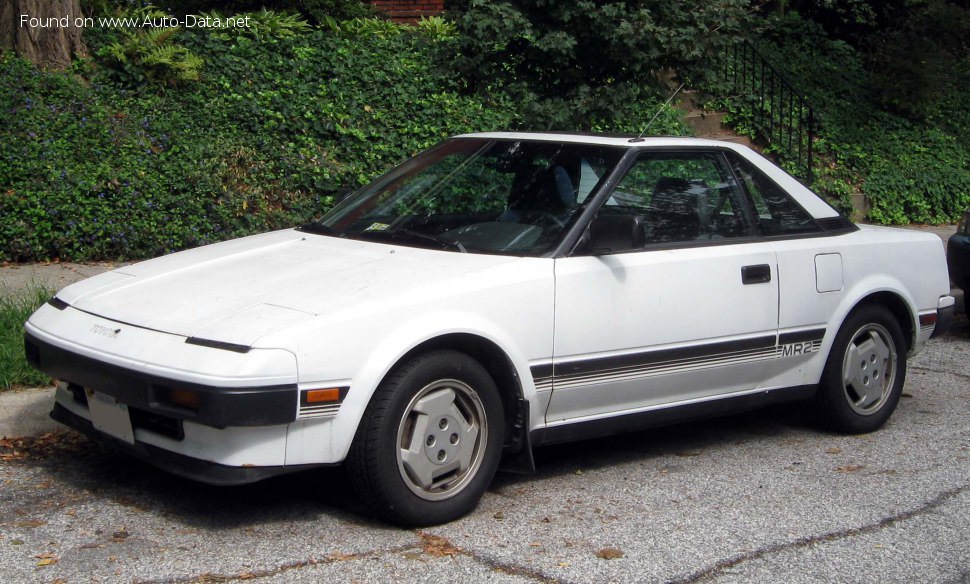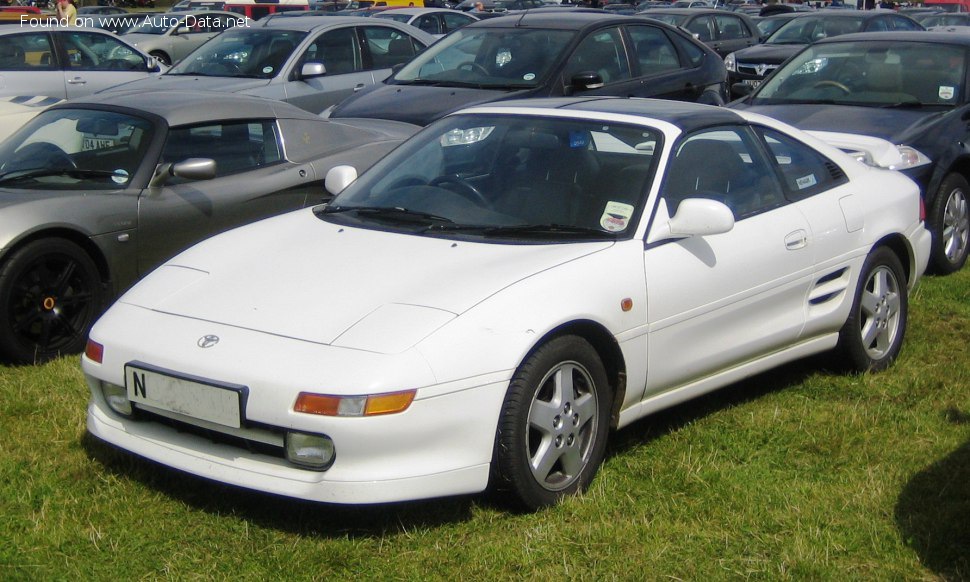
The Toyota MR2 (W2) 2.2 i 16V, produced between 1989 and 1995, represents the second generation of Toyota’s mid-engine, rear-wheel-drive sports car. This variant, equipped with the 3S-GE engine producing 132 horsepower, occupied a middle ground in the W2 lineup, positioned above the base 1.6-liter models and below the more potent supercharged versions. The W2 MR2, built on the Toyota 80 series platform, aimed to deliver a pure sports car experience with a focus on handling and driver engagement, appealing to enthusiasts seeking an affordable and nimble alternative to more expensive rivals.
Powertrain & Engine Architecture
The heart of the MR2 2.2 i 16V is the 3S-GE inline-four cylinder engine, displacing 2.2 liters (2164 cc). This naturally aspirated engine utilizes a multi-port fuel injection system, delivering a balanced combination of performance and fuel efficiency. The engine features a double overhead camshaft (DOHC) valvetrain with four valves per cylinder, contributing to its respectable power output. The 3S-GE engine in this configuration produced 132 hp at 5400 rpm and 190 Nm (140.14 lb-ft) of torque at 4400 rpm. The engine’s transverse mounting within the rear chassis contributed to the car’s balanced weight distribution.
The MR2 2.2 i 16V was primarily offered with a 5-speed manual transmission. This transmission was chosen to complement the sporty nature of the vehicle, providing drivers with precise control over gear selection. The gear ratios were tuned to maximize acceleration and maintain optimal engine speed during spirited driving. While an automatic transmission was available in some markets, it was less common and generally considered to detract from the driving experience due to its slower shift times and less direct connection to the engine.
Engine Details
- Engine Code: 3S-GE
- Displacement: 2.2 L (2164 cc / 132.06 cu in)
- Configuration: Inline-4
- Valvetrain: DOHC, 16 valves
- Fuel Injection: Multi-port
- Compression Ratio: 9.5:1
Driving Characteristics
The MR2 2.2 i 16V offered a distinct driving experience characterized by its mid-engine layout and rear-wheel drive. This configuration resulted in excellent balance and predictable handling, making it a rewarding car to drive on winding roads. The 132 hp engine provided adequate power for spirited driving, although it wasn’t as quick as the supercharged variants. Acceleration from 0 to 60 mph was achieved in approximately 9 seconds, with a top speed of 124.27 mph (200 km/h). The 5-speed manual transmission allowed drivers to fully exploit the engine’s powerband, while the precise steering and responsive chassis contributed to a connected feel.
Compared to the base 1.6-liter MR2, the 2.2 i 16V offered a noticeable improvement in performance, particularly in terms of torque and mid-range acceleration. However, it lacked the outright punch of the supercharged models. The manual transmission provided a more engaging driving experience than the optional automatic, offering greater control and responsiveness. The car’s relatively light weight (approximately 2524 lbs) further enhanced its agility and handling characteristics.
Equipment & Trim Levels
The MR2 2.2 i 16V typically came equipped with a relatively basic level of standard features, reflecting its positioning as a sports car focused on driving dynamics. Standard equipment generally included power steering, ventilated disc brakes on the front wheels, and disc brakes on the rear. The interior featured cloth upholstery, a basic instrument cluster, and manually adjustable seats. Air conditioning was often an optional extra.
Optional extras available for the MR2 2.2 i 16V included features such as power windows, power locks, a premium sound system, and upgraded interior trim. Some models were also offered with a removable targa top, adding to the open-air driving experience. The availability of specific options varied depending on the market and model year.
Chassis & Braking
The MR2 2.2 i 16V utilized a lightweight chassis construction to minimize weight and maximize handling performance. The suspension system consisted of wishbone suspension at the front and a spring strut setup at the rear. This configuration provided a good balance between ride comfort and handling precision. The car’s relatively short wheelbase (94.49 in) contributed to its nimble handling characteristics.
The braking system featured ventilated discs on the front wheels and solid discs on the rear. An Anti-lock Braking System (ABS) was often included as standard equipment, enhancing braking performance and stability, particularly in adverse conditions. The car’s tires were typically 195/60 R14, providing a good compromise between grip and ride comfort.
Market Reception & Comparison
The MR2 2.2 i 16V was generally well-received by automotive critics, who praised its handling, balance, and engaging driving experience. However, some critics noted that the 132 hp engine could feel underpowered compared to some of its rivals. Fuel economy was considered to be reasonable, with figures of around 19.6 US mpg in urban driving and 33.6 US mpg on the highway. Reliability was generally good, although some owners reported issues with the engine’s oil consumption over time.
Compared to other trims in the MR2 lineup, the 2.2 i 16V offered a good balance between performance and affordability. The base 1.6-liter models were less powerful but more fuel-efficient, while the supercharged versions offered significantly more performance but came at a higher price. The 2.2 i 16V appealed to drivers who wanted a sporty and engaging car without breaking the bank.
Technical Specifications
| Brand | Toyota |
| Model | MR 2 |
| Generation | MR 2 (W2) |
| Type (Engine) | 2.2 i 16V (132 Hp) |
| Start of production | 1989 year |
| End of production | 1995 year |
| Fuel consumption (urban) | 12 l/100 km (19.6 US mpg) |
| Fuel consumption (extra urban) | 7 l/100 km (33.6 US mpg) |
| Fuel Type | Petrol (Gasoline) |
| Acceleration 0 – 100 km/h | 9.5 sec |
| Acceleration 0 – 62 mph | 9.5 sec |
| Acceleration 0 – 60 mph | 9 sec |
| Maximum speed | 200 km/h (124.27 mph) |
| Power | 132 Hp @ 5400 rpm |
| Torque | 190 Nm @ 4400 rpm (140.14 lb.-ft. @ 4400 rpm) |
| Engine layout | Rear, Transverse |
| Engine displacement | 2164 cm3 (132.06 cu. in.) |
| Number of cylinders | 4 |
| Engine configuration | Inline |
| Cylinder Bore | 87 mm (3.43 in.) |
| Piston Stroke | 91 mm (3.58 in.) |
| Compression ratio | 9.5:1 |
| Number of valves per cylinder | 4 |
| Fuel injection system | Multi-port manifold injection |
| Engine aspiration | Naturally aspirated |
| Valvetrain | DOHC |
| Max. weight | 1145 kg (2524.29 lbs.) |
| Trunk (boot) space – minimum | 220 l (7.77 cu. ft.) |
| Fuel tank capacity | 55 l (14.53 US gal | 12.1 UK gal) |
| Length | 4140 mm (162.99 in.) |
| Width | 1695 mm (66.73 in.) |
| Height | 1240 mm (48.82 in.) |
| Wheelbase | 2400 mm (94.49 in.) |
| Front track | 1470 mm (57.87 in.) |
| Rear (Back) track | 1450 mm (57.09 in.) |
| Drivetrain Architecture | Rear wheel drive |
| Number of gears and type of gearbox | 5 gears, manual transmission |
| Front suspension | Wishbone |
| Rear suspension | Spring Strut |
| Front brakes | Ventilated discs |
| Rear brakes | Disc |
| Assisting systems | ABS (Anti-lock braking system) |
| Steering type | Steering rack and pinion |
| Power steering | Hydraulic Steering |
| Tires size | 195/60 R14 |
Legacy
The MR2 2.2 i 16V remains a popular choice among enthusiasts today, prized for its engaging driving dynamics and relatively affordable price. The 3S-GE engine, while not without its quirks, is generally considered to be a reliable unit when properly maintained. Common issues include oil consumption and potential for head gasket leaks. The car’s mid-engine layout and rear-wheel drive configuration continue to appeal to drivers seeking a pure sports car experience. Parts availability is generally good, although some specific components may be becoming increasingly difficult to find. The MR2 2.2 i 16V has secured a place as a classic Japanese sports car, appreciated for its unique character and driving enjoyment.