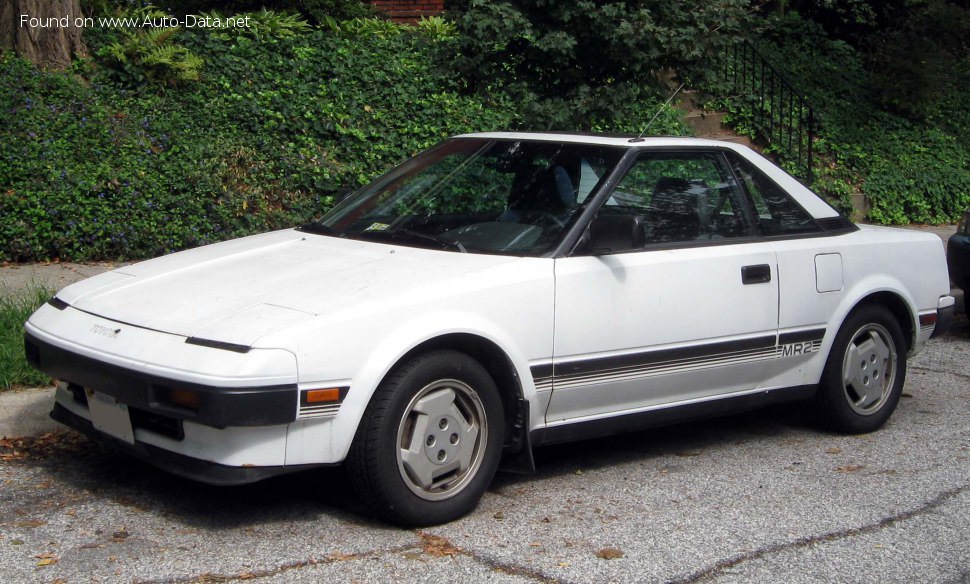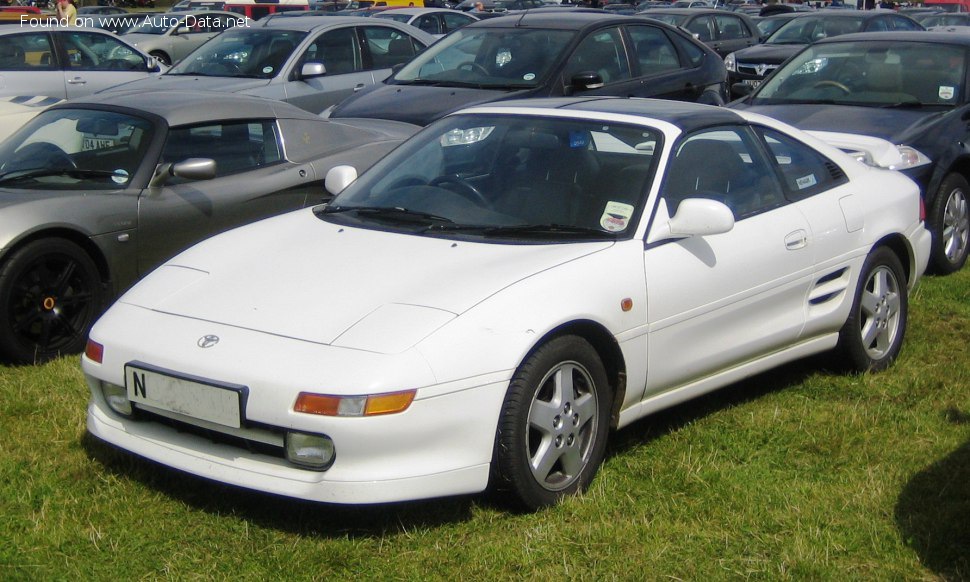
The Toyota MR2 (W2) 2.2i 16V, produced between 1995 and 1999, represents the final iteration of the second-generation MR2 platform. This model, part of the SW20 chassis series, aimed to offer a more refined and accessible sports car experience compared to the earlier, more raw turbocharged variants. Positioned as a mid-range offering within the W2 lineup, it bridged the gap between the base 1.8L models and the higher-performance turbocharged 2.0L and 2.2L versions. The 2.2i 16V was primarily targeted at enthusiasts seeking a balanced blend of performance, handling, and everyday usability in a distinctive, lightweight, rear-wheel-drive package.
Powertrain & Engine Architecture
The heart of the MR2 2.2i 16V is the 5S-FE inline-four cylinder engine, displacing 2.2 liters (2166 cc or 132.18 cubic inches). This engine is a naturally aspirated design, featuring multi-port fuel injection and a double overhead camshaft (DOHC) valvetrain with four valves per cylinder. The 5S-FE produces 136 horsepower at 5400 rpm and 196 Nm (144.56 lb-ft) of torque at 4000 rpm. The compression ratio is 9.7:1. Bore and stroke dimensions are 87.1 mm (3.43 in) and 90.9 mm (3.58 in) respectively. The engine’s design prioritized smooth power delivery and reliability over outright peak performance, making it well-suited for daily driving.
Unlike the turbocharged MR2 variants, the 2.2i 16V was exclusively offered with a 5-speed manual transmission. This transmission was chosen to complement the engine’s characteristics and provide a more engaging driving experience. The gearbox features a traditional H-pattern shift layout. The final drive ratio was tuned to balance acceleration and fuel efficiency. The drivetrain is a rear-wheel drive configuration, contributing to the car’s balanced handling characteristics.
Fuel Injection and Valvetrain Details
The 5S-FE engine utilizes a multi-port fuel injection system, delivering fuel directly to each intake port. This system, coupled with the DOHC valvetrain, optimizes combustion efficiency and contributes to the engine’s relatively smooth power delivery. The DOHC configuration allows for precise control of valve timing, enhancing both low-end torque and high-end horsepower. The engine’s intake manifold design was optimized for airflow, further improving performance.
Driving Characteristics
The MR2 2.2i 16V offers a distinctly engaging driving experience. While not as brutally fast as the turbocharged models, the 2.2-liter engine provides ample power for spirited driving on both winding roads and open highways. The 5-speed manual transmission allows for precise gear selection, enabling the driver to maintain optimal engine speed for various driving conditions. The car’s lightweight construction (1206 kg or 2658.77 lbs) and rear-wheel-drive layout contribute to its nimble handling and balanced cornering ability.
Compared to the 1.8L MR2, the 2.2i 16V offers a noticeable improvement in acceleration and overall performance. The increased displacement and higher torque output provide more readily available power throughout the rev range. Compared to the turbocharged variants, the 2.2i 16V delivers a more linear power curve, making it easier to control and predict. The absence of turbo lag also contributes to a more responsive driving experience. The gear ratios were selected to provide a good balance between acceleration and cruising comfort.
Equipment & Trim Levels
The MR2 2.2i 16V was generally well-equipped for a sports car of its era. Standard features typically included power windows, power locks, and air conditioning. The interior featured sport seats upholstered in cloth or optional leather. The dashboard layout was driver-focused, with clearly visible gauges and easy-to-reach controls.
Optional extras included a premium sound system, a sunroof, and upgraded wheels. Some models also featured a limited-slip differential, which further enhanced handling performance. The availability of optional equipment varied depending on the specific market and year of production. The interior trim was generally functional and sporty, prioritizing driving enjoyment over luxury.
Chassis & Braking
The MR2 2.2i 16V utilizes a lightweight chassis construction, contributing to its nimble handling. The front suspension features a wishbone design, while the rear suspension employs a spring strut setup. This suspension configuration provides a good balance between ride comfort and handling precision. The car is equipped with ventilated disc brakes on all four wheels, providing ample stopping power. An Anti-lock Braking System (ABS) was standard, enhancing safety and control during hard braking. The steering system is a rack and pinion type with hydraulic power assistance, offering precise and responsive steering feel. Tire sizes were typically 195/55 R15 or 225/50 R15.
Market Reception & Comparison
The MR2 2.2i 16V was generally well-received by automotive critics. It was praised for its balanced handling, responsive engine, and overall fun-to-drive character. Critics noted that it offered a more accessible and user-friendly sports car experience compared to the more demanding turbocharged models. Fuel economy was rated at 9.5 l/100 km (24.8 US mpg, 29.7 UK mpg, 10.5 km/l).
Compared to the 1.8L MR2, the 2.2i 16V offered a significant performance upgrade, making it a more appealing option for enthusiasts. Compared to the turbocharged models, it provided a more predictable and manageable driving experience, albeit with slightly less outright power. Reliability was generally good, although like all older vehicles, regular maintenance is essential. The 2.2i 16V offered a compelling value proposition, providing a high level of performance and handling at a relatively affordable price point.
Technical Specifications
| Brand | Toyota |
| Model | MR2 |
| Generation | MR2 (W2) |
| Type (Engine) | 2.2i 16V (136 Hp) |
| Start of production | 1995 |
| End of production | 1999 |
| Powertrain Architecture | Internal Combustion Engine |
| Body type | Targa |
| Seats | 2 |
| Doors | 2 |
| Fuel consumption (combined) | 9.5 l/100 km |
| Fuel consumption (US mpg) | 24.8 US mpg |
| Fuel consumption (UK mpg) | 29.7 UK mpg |
| Fuel Type | Petrol (Gasoline) |
| Weight-to-power ratio | 8.9 kg/Hp |
| Power | 136 Hp @ 5400 rpm |
| Torque | 196 Nm @ 4000 rpm (144.56 lb.-ft. @ 4000 rpm) |
| Engine layout | Rear, Transverse |
| Engine displacement | 2166 cm3 (132.18 cu. in.) |
| Number of cylinders | 4 |
| Engine configuration | Inline |
| Cylinder Bore | 87.1 mm (3.43 in) |
| Piston Stroke | 90.9 mm (3.58 in) |
| Compression ratio | 9.7:1 |
| Number of valves per cylinder | 4 |
| Fuel injection system | Multi-port manifold injection |
| Engine aspiration | Naturally aspirated |
| Valvetrain | DOHC |
| Kerb Weight | 1206 kg (2658.77 lbs) |
| Fuel tank capacity | 54 l (14.27 US gal | 11.88 UK gal) |
| Length | 4171 mm (164.21 in) |
| Width | 1700 mm (66.93 in) |
| Height | 1234 mm (48.58 in) |
| Wheelbase | 2400 mm (94.49 in) |
| Front track | 1470 mm (57.87 in) |
| Rear track | 1450 mm (57.09 in) |
| Drivetrain Architecture | Rear wheel drive |
| Drive wheel | Rear wheel drive |
| Number of gears and type of gearbox | 5 gears, manual transmission |
| Front suspension | Wishbone |
| Rear suspension | Spring Strut |
| Front brakes | Ventilated discs |
| Rear brakes | Ventilated discs |
| Assisting systems | ABS (Anti-lock braking system) |
| Steering type | Steering rack and pinion |
| Power steering | Hydraulic Steering |
| Tires size | 195/55 R15; 225/50 R15 |
Legacy
The MR2 2.2i 16V remains a popular choice among sports car enthusiasts today. Its combination of engaging handling, reliable engine, and distinctive styling has ensured its continued appeal. While not as sought-after as the turbocharged variants, the 2.2i 16V offers a more affordable entry point into MR2 ownership. The 5S-FE engine is known for its durability and relatively low maintenance costs, making it a practical choice for daily driving. However, as with any older vehicle, potential buyers should be aware of the need for regular maintenance and potential repairs. Well-maintained examples of the MR2 2.2i 16V continue to command reasonable prices in the used car market, reflecting their enduring popularity and the unique driving experience they offer.