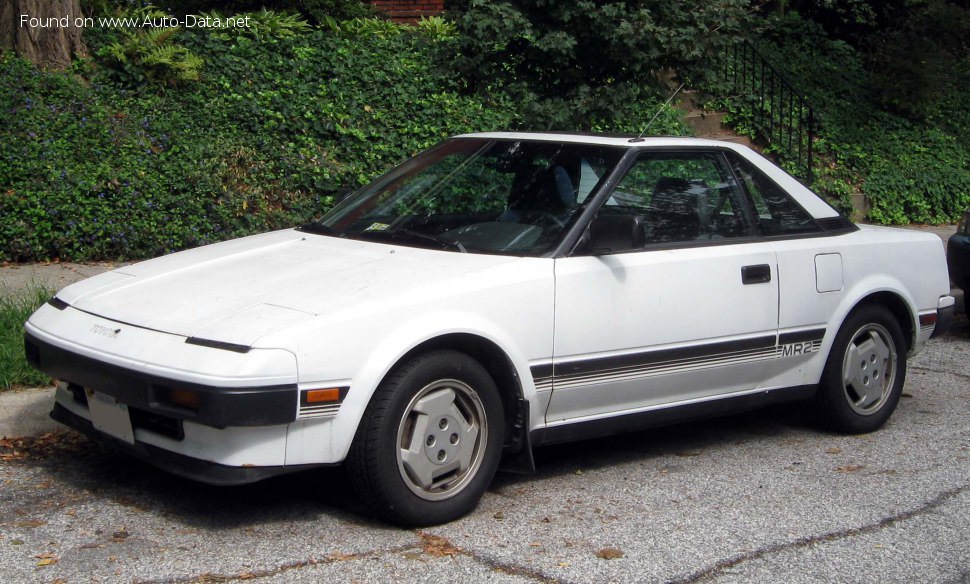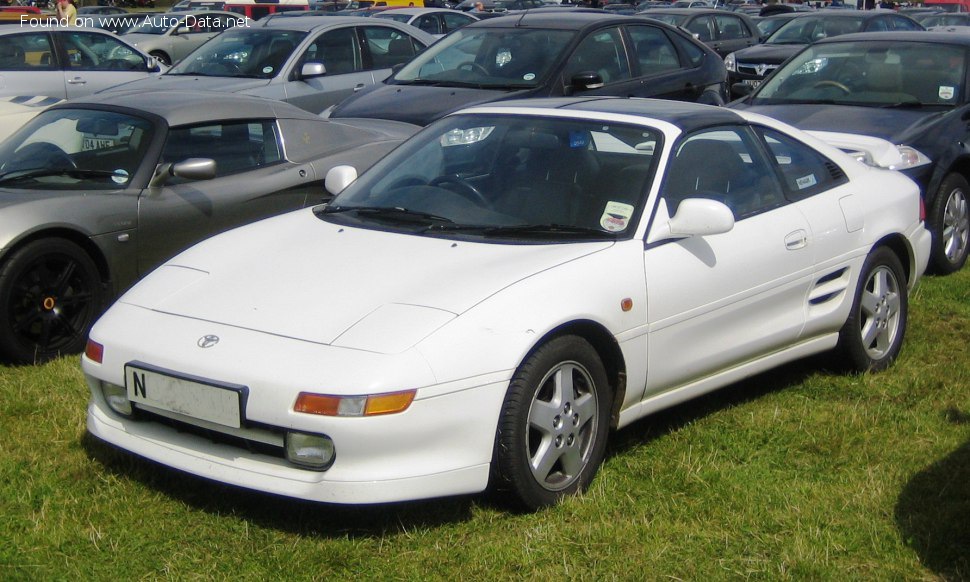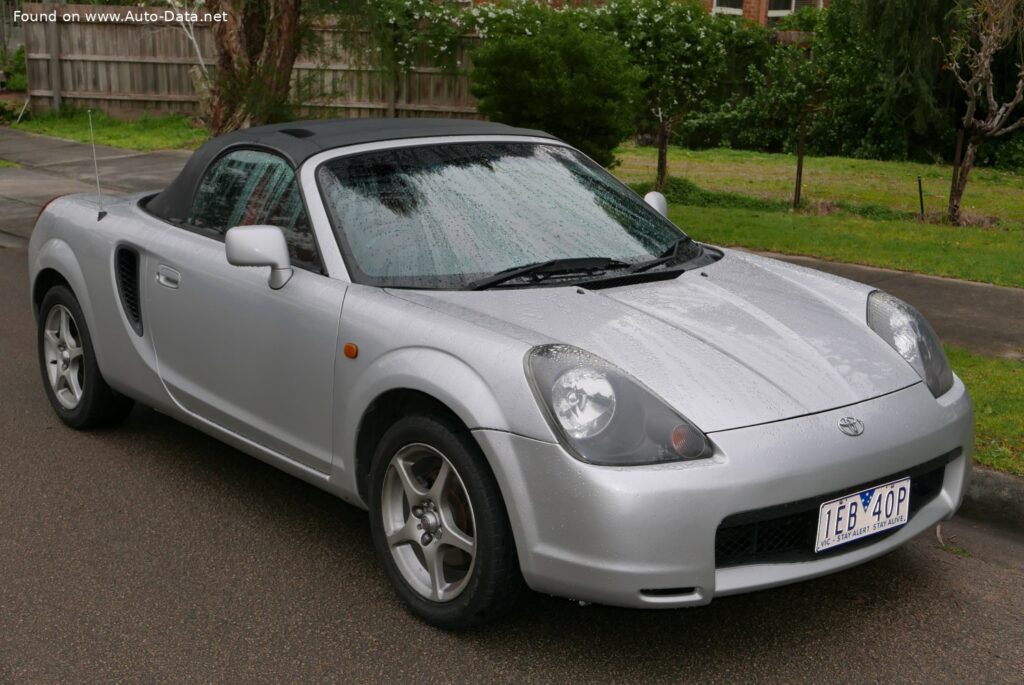
The Toyota MR2 (W3), often affectionately referred to as the MR2 Spyder in North America and the MR-S in Japan, represents the third and final generation of Toyota’s groundbreaking mid-engine, rear-wheel-drive sports car. Launched in October 1999, this iteration marked a significant departure from its predecessors, embracing a pure roadster philosophy focused on lightweight agility and an open-top driving experience. The specific variant, the 1.8 16V VT-i (140 Hp), was a cornerstone of the W3 generation, offering a compelling blend of performance, efficiency, and Toyota’s renowned reliability, making it a popular choice in its primary markets across Europe, Asia, and North America until its production ceased in July 2007. This generation aimed to capture the essence of a true driver’s car, emphasizing a direct connection between the road and the driver, a hallmark of classic lightweight sports cars.
Powertrain & Engine Architecture
At the heart of the Toyota MR2 (W3) 1.8 16V VT-i (140 Hp) lies a naturally aspirated, 1.8-liter (1794 cm3) inline four-cylinder engine, designated as the 1ZZ-FE. This powerplant, equipped with Toyota’s Variable Valve Timing with intelligence (VVT-i) system, was strategically mounted transversely in a mid-engine configuration, directly behind the driver and passenger. This layout is crucial to the MR2’s dynamic character, providing exceptional weight distribution and a low polar moment of inertia, which translates to incredibly nimble handling.
The engine delivers a respectable 140 horsepower at 6400 revolutions per minute (rpm), making for an enthusiastic power delivery, especially given the car’s svelte curb weight. Torque peaks at 126.86 lb.-ft. (172 Nm) at 4400 rpm, providing ample thrust for spirited driving through winding roads. With a compression ratio of 10:1 and a DOHC (Double Overhead Camshaft) valvetrain with 4 valves per cylinder, the engine is both responsive and efficient, utilizing a multi-port manifold injection system for precise fuel delivery. The 1ZZ-FE engine, while known for its reliability, was also notable for its use of a timing chain rather than a belt, reducing maintenance requirements.
The standard transmission paired with the 1ZZ-FE engine was a 5-speed manual. However, a 4-speed automatic transmission was also offered, though less common. This automatic, while providing convenience, did impact the car’s performance and driving experience. It was a conventional torque converter automatic, not a dual-clutch or continuously variable transmission (CVT). The automatic transmission was geared more towards fuel efficiency than outright acceleration.
Driving Characteristics
The 1.8L 140 hp MR2 Spyder with the 5-speed manual transmission offered a genuinely engaging driving experience. The mid-engine layout provided exceptional balance, allowing for quick turn-in and predictable handling. The relatively low curb weight of around 2,300 lbs contributed to a lively feel, making the car feel much faster than its horsepower figure might suggest. The manual transmission had well-defined gates and a relatively short throw, enhancing driver involvement.
However, the 4-speed automatic version presented a different character. While it offered smooth shifts, it noticeably dulled the car’s responsiveness. The automatic’s gear ratios were optimized for fuel economy, resulting in slower acceleration times compared to the manual. The automatic also lacked the engine braking benefits of a manual transmission, reducing driver control during corner entry. The automatic version was often seen as a more comfortable and practical option for daily commuting, but it sacrificed some of the sporty character that defined the MR2 Spyder.
The gear ratios in the manual transmission were relatively close, keeping the engine in its powerband during spirited driving. First gear was geared for quick acceleration, while fifth gear provided comfortable cruising at highway speeds. The automatic transmission, with only four gears, had wider ratios, resulting in less flexibility and a less engaging driving experience.
Equipment & Trim Levels
The MR2 Spyder 1.8 16V VT-i (140 Hp) was generally positioned as the base or entry-level trim within the W3 generation. Standard equipment included power windows, power door locks, and a basic audio system. The interior featured cloth upholstery and a minimalist dashboard design. Air conditioning was typically standard, though some early models may have required it as an option.
Optional extras included a premium audio system with a CD changer, leather upholstery, and alloy wheels. A limited-slip differential (LSD) was also available as an option, significantly improving traction and handling performance, particularly for track use. Some models also featured a removable hardtop, providing increased weather protection and security. The Spyder S trim, available in some markets, added features like upgraded suspension components and a more aggressive body kit.
The interior design prioritized functionality over luxury. The focus was on providing a driver-centric environment with easy-to-reach controls. Storage space was limited, reflecting the car’s focus on performance and lightweight construction. The trunk, split into two compartments due to the mid-engine layout, offered a combined capacity of approximately 3.18 cubic feet.
Chassis & Braking
The MR2 Spyder utilized a lightweight chassis construction, employing high-strength steel and aluminum components to minimize weight. The suspension consisted of independent double wishbones at the front and a coil spring multi-link suspension at the rear. This setup provided a balanced ride quality and excellent handling characteristics.
Braking duties were handled by ventilated disc brakes on all four wheels, providing strong and consistent stopping power. An Anti-lock Braking System (ABS) was standard, enhancing safety during emergency braking situations. The braking system was well-matched to the car’s weight and performance capabilities.
The rear suspension design was particularly noteworthy, as it was optimized to minimize body roll and maximize traction. The use of a coil spring setup provided a comfortable ride without sacrificing handling precision. The front suspension geometry was tuned to provide precise steering response and predictable cornering behavior.
Market Reception & Comparison
Critics generally praised the Toyota MR2 Spyder for its exceptional handling, mid-engine layout, and Toyota’s reputation for reliability. However, some reviewers noted that the engine lacked the outright power of some competitors, such as the Porsche Boxster. The automatic transmission was often criticized for its lack of responsiveness and its impact on the car’s driving experience.
Compared to the Mazda Miata, the MR2 Spyder offered a more sophisticated driving experience thanks to its mid-engine layout. However, the Miata was often praised for its simpler design and more affordable price point. The MR2 Spyder also faced competition from other affordable sports cars, such as the Honda S2000 and the BMW Z3.
In terms of fuel economy, the MR2 Spyder 1.8L achieved approximately 22 mpg in the city and 34 mpg on the highway, making it a relatively efficient sports car for its era. Reliability was a strong point, with the 1ZZ-FE engine proving to be durable and long-lasting. However, some owners reported issues with the oil consumption of the engine, particularly in older models.
Technical Specifications: Toyota MR2 (W3) 1.8 16V VT-i (140 Hp)
| Category | Specification |
| General Information | |
| Brand | Toyota |
| Model | MR2 |
| Generation | MR2 (W3) |
| Type (Engine) | 1.8 16V VT-i (140 Hp) |
| Start of Production | October, 1999 |
| End of Production | July, 2007 |
| Powertrain Architecture | Internal Combustion engine |
| Body type | Cabriolet |
| Seats | 2 |
| Doors | 2 |
| Performance Specifications | |
| Fuel consumption (urban) | 10.5 l/100 km (22.4 US mpg) |
| Fuel consumption (extra urban) | 6.9 l/100 km (34.1 US mpg) |
| Fuel Type | Petrol (Gasoline) |
| Acceleration 0 – 60 mph | 7.5 sec |
| Acceleration 0 – 100 km/h | 7.9 sec |
| Maximum speed | 130.49 mph (210 km/h) |
| Weight-to-power ratio | 7.5 kg/Hp, 133.3 Hp/tonne |
| Engine Specifications | |
| Power | 140 Hp @ 6400 rpm |
| Torque | 126.86 lb.-ft. (172 Nm) @ 4400 rpm |
| Engine layout | Rear, Transverse |
| Engine displacement | 1.8 l (1794 cm3, 109.48 cu. in.) |
| Number of cylinders | 4 |
| Engine configuration | Inline |
| Compression ratio | 10:1 |
| Fuel injection system | Multi-port manifold injection |
| Valvetrain | DOHC |
| Dimensions | |
| Length | 152.95 in. (3885 mm) |
| Width | 66.73 in. (1695 mm) |
| Height | 48.82 in. (1240 mm) |
| Wheelbase | 96.46 in. (2450 mm) |
Legacy
The Toyota MR2 (W3) 1.8 16V VT-i (140 Hp) has established itself as a desirable modern classic. Its mid-engine layout, lightweight construction, and Toyota’s reputation for reliability have made it a popular choice among enthusiasts. While the automatic transmission version is less sought after, the manual transmission models command higher prices in the used car market.
The 1ZZ-FE engine, while known for its occasional oil consumption issues, has proven to be generally durable and long-lasting. Regular maintenance, including oil changes and timing chain inspections, is crucial for ensuring its longevity. The MR2 Spyder’s relatively simple design and readily available parts make it a relatively easy car to maintain and repair.
Today, the MR2 Spyder remains a compelling option for those seeking an affordable, engaging, and reliable sports car. Its unique driving dynamics and timeless design continue to attract a loyal following, ensuring its place in automotive history as a true driver’s car.