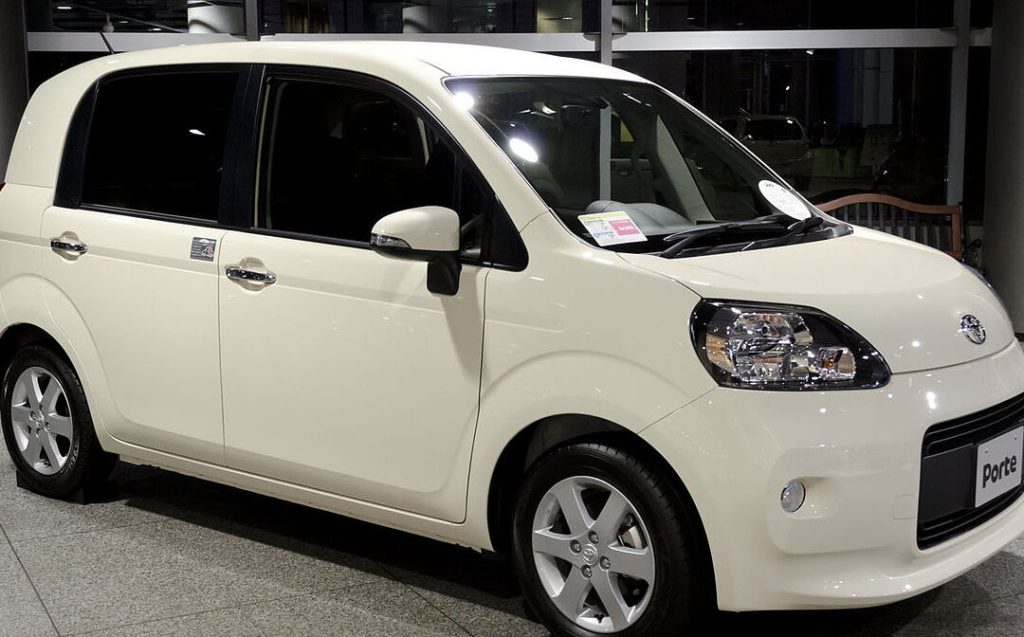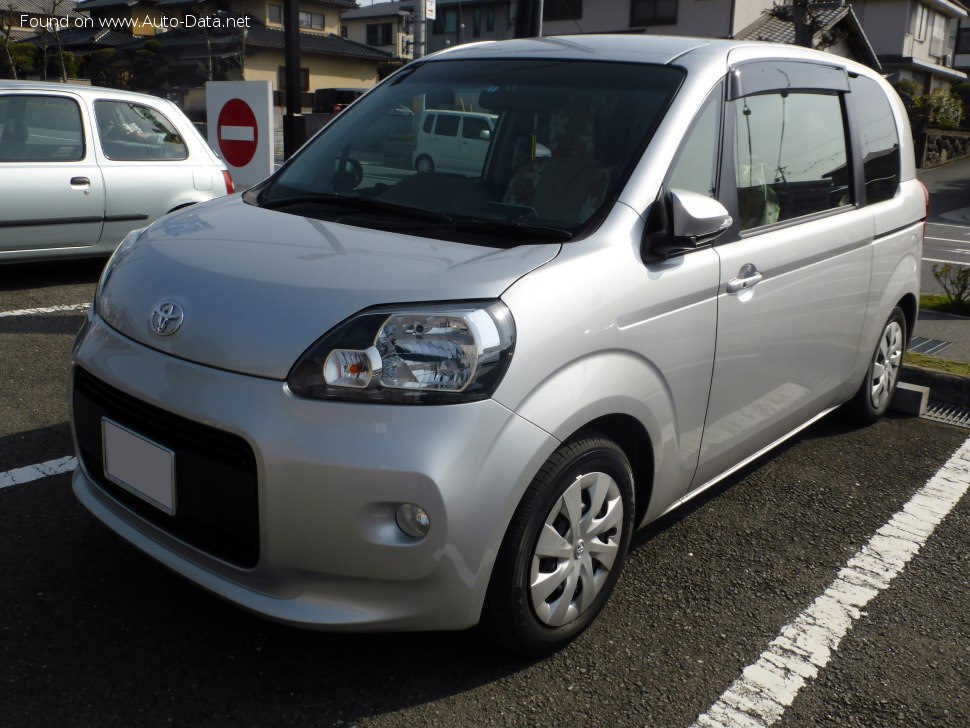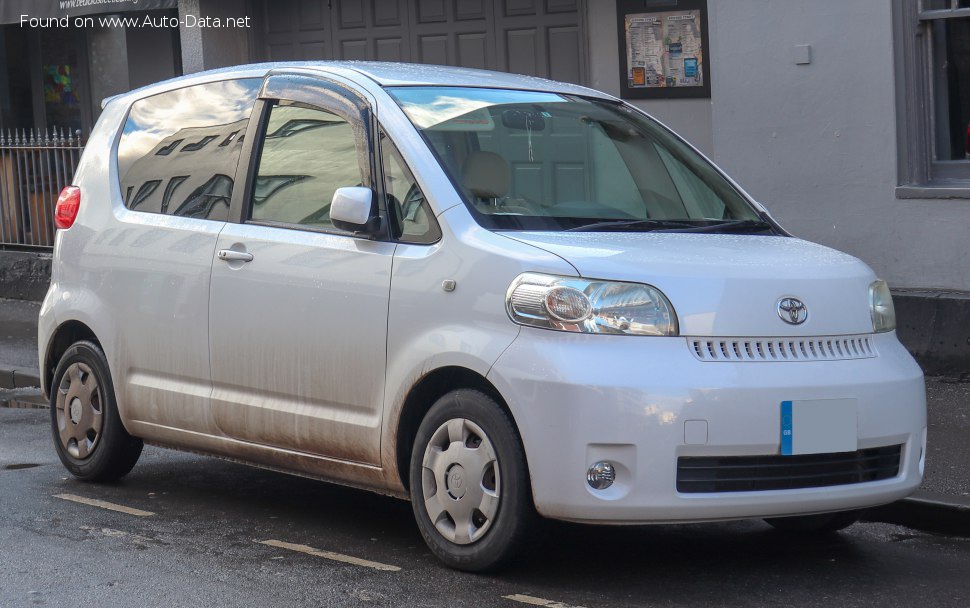
The Toyota Porte, known as the Toyota Ractis in Japan and Australia, is a compact multi-purpose vehicle (MPV) produced by Toyota from 2004 to 2012. The first generation, known as the Porte I, was designed to maximize interior space within a small footprint, appealing to urban drivers and small families. While not officially sold in the United States, the Porte represents Toyota’s commitment to innovative packaging and efficient engine technology, particularly within the Asian market. It filled a niche between a traditional hatchback and a small minivan, offering increased versatility compared to conventional hatchbacks of the time. The 1.3i variant, powered by the 2NZ-FE engine, was a popular choice for its balance of fuel economy and practicality.
Toyota Porte I 1.3i: A Detailed Overview
The Toyota Porte I 1.3i was conceived as a practical and space-efficient vehicle for navigating congested city streets. Its unique design prioritized interior volume, making it a popular choice for young families and individuals needing flexible cargo space. The vehicle’s boxy shape, while not traditionally stylish, was intentionally designed to maximize headroom and legroom for passengers. The 1.3-liter engine provided adequate power for urban driving, while maintaining good fuel efficiency – a key consideration for buyers in its target markets.
Engine & Performance
The heart of the Toyota Porte I 1.3i is the 2NZ-FE 1.3-liter inline-four cylinder gasoline engine. This naturally aspirated engine produces 88 horsepower at 6000 rpm and 123 Nm (90.72 lb.-ft.) of torque at 4400 rpm. While not a performance-oriented engine, it delivers sufficient power for everyday driving conditions. The engine’s power-to-weight ratio is 67.7 horsepower per liter, reflecting Toyota’s focus on efficiency. Power is delivered to the front wheels via a four-speed automatic transmission. The drivetrain configuration is a standard front-wheel-drive setup, common for vehicles in this class. The engine utilizes a multi-port fuel injection system and a double overhead camshaft (DOHC) valvetrain, contributing to its relatively smooth operation and fuel efficiency. The 2NZ-FE engine is known for its reliability and durability, characteristics typical of Toyota’s engineering philosophy.
Design & Features
The Toyota Porte I is a four-door hatchback with a distinctive, boxy silhouette. This design maximizes interior space, offering comfortable seating for five passengers. The rear doors slide open rather than swinging outwards, a feature designed to improve accessibility in tight parking spaces – a significant advantage in densely populated urban environments. The interior is designed with practicality in mind, featuring durable materials and a functional layout. Safety features for the era included an Anti-lock Braking System (ABS), which was becoming increasingly standard on vehicles in the mid-2000s. The vehicle’s suspension utilizes a standard setup with ventilated discs on the front and drum brakes on the rear. The steering system employs a rack and pinion design, providing responsive handling. The standard tire size is 175/70 R14, offering a balance of comfort and grip. The overall design of the Porte I prioritized functionality and space efficiency over aesthetic flair, catering to the needs of its target demographic.
Technical Specifications
| General Information | |
| Brand | Toyota |
| Model | Porte |
| Generation | Porte I |
| Type (Engine) | 1.3i (88 Hp) |
| Start of production | 2004 |
| End of production | 2012 |
| Powertrain Architecture | Internal Combustion engine |
| Body type | Hatchback |
| Seats | 5 |
| Doors | 4 |
| Performance Specs | |
| Fuel Type | Petrol (Gasoline) |
| Emission standard | Euro 4 |
| Power | 88 Hp @ 6000 rpm |
| Power per litre | 67.7 Hp/l |
| Torque | 123 Nm @ 4400 rpm / 90.72 lb.-ft. @ 4400 rpm |
| Engine Specs | |
| Engine layout | Front, Transverse |
| Engine Model/Code | 2NZ-FE |
| Engine displacement | 1299 cm3 / 79.27 cu. in. |
| Number of cylinders | 4 |
| Engine configuration | Inline |
| Cylinder Bore | 75 mm / 2.95 in. |
| Piston Stroke | 73.5 mm / 2.89 in. |
| Compression ratio | 10.5:1 |
| Number of valves per cylinder | 4 |
| Fuel injection system | Multi-port manifold injection |
| Engine aspiration | Naturally aspirated engine |
| Valvetrain | DOHC |
| Engine oil capacity | 3.7 l / 3.91 US qt | 3.26 UK qt |
| Coolant | 4.4 l / 4.65 US qt | 3.87 UK qt |
| Space, Volume and Weights | |
| Fuel tank capacity | 45 l / 11.89 US gal | 9.9 UK gal |
| Dimensions | |
| Length | 3990 mm / 157.09 in. |
| Width | 1690 mm / 66.54 in. |
| Height | 1720 mm / 67.72 in. |
| Wheelbase | 2600 mm / 102.36 in. |
| Front track | 1470 mm / 57.87 in. |
| Rear (Back) track | 1445 mm / 56.89 in. |
| Drivetrain, Brakes and Suspension Specs | |
| Drivetrain Architecture | The Internal combustion engine (ICE) drives the front wheels of the vehicle. |
| Drive wheel | Front wheel drive |
| Number of gears and type of gearbox | 4 gears, automatic transmission |
| Front brakes | Ventilated discs |
| Rear brakes | Drum |
| Assisting systems | ABS (Anti-lock braking system) |
| Steering type | Steering rack and pinion |
| Tires size | 175/70 R14 |
The Toyota Porte I 1.3i, while not a vehicle widely recognized in the American market, represents a significant example of Toyota’s engineering prowess in creating practical and efficient vehicles for specific regional needs. Its focus on maximizing interior space and fuel economy made it a popular choice in Asia, demonstrating Toyota’s ability to cater to diverse consumer preferences. The vehicle’s reliability and durability further cemented its reputation as a dependable and affordable mode of transportation.