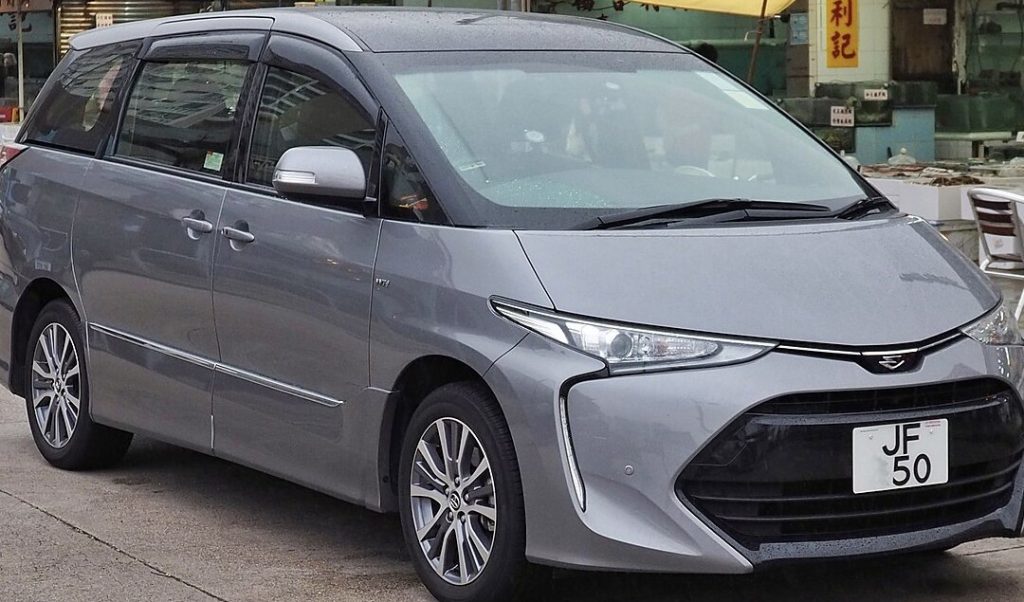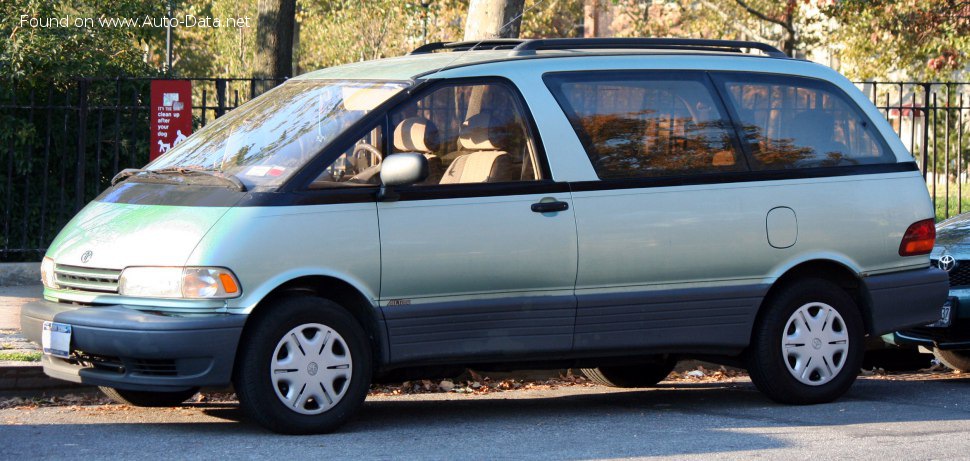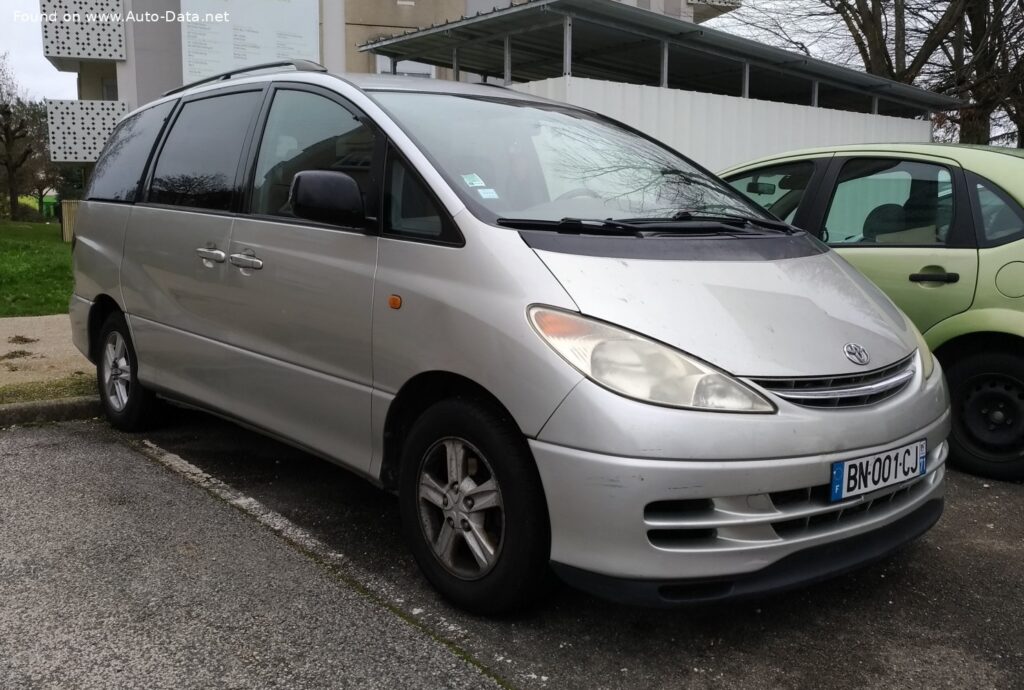
The Toyota Previa, known as the Estima in its native Japan, is a minivan that was produced from 1990 to 2019 across multiple generations. The model detailed here represents the second generation, manufactured between 2000 and 2005, and specifically focuses on the 2.0 D-4D variant powered by a diesel engine producing 116 horsepower. While not officially sold in the United States during this generation, the Previa held a significant position in the European and Asian markets as a spacious, reliable, and technologically advanced people carrier. This generation marked a shift towards more refined styling and improved fuel efficiency compared to its predecessor.
Toyota Previa 2.0 D-4D: An Overview
The second-generation Toyota Previa (marketed as the Estima in Japan) was a substantial redesign of the original, moving away from the mid-engine, rear-wheel-drive layout to a more conventional front-engine, front-wheel-drive configuration. This change was primarily driven by cost considerations and the desire to offer a more spacious interior. The 2.0 D-4D model, equipped with the 1CD-FTV engine, was particularly popular in Europe where diesel engines were favored for their fuel economy and torque. The Previa competed with other large MPVs like the Volkswagen Sharan, Ford Galaxy, and Renault Espace, offering a unique blend of practicality, comfort, and Toyota’s reputation for reliability.
Engine & Performance
The heart of the Previa 2.0 D-4D is a 2.0-liter (1995 cm3) inline-four cylinder diesel engine, designated the 1CD-FTV. This engine utilizes a turbocharger with an intercooler and a common rail direct fuel injection system to produce 116 horsepower at 3600 rpm and 280 Nm (206.52 lb.-ft.) of torque at 2000 rpm. The engine’s design prioritizes fuel efficiency and low-end torque, making it well-suited for long journeys and carrying a full load of passengers. Acceleration from 0 to 100 km/h (0-62 mph) takes 13.6 seconds, while 0 to 60 mph is achieved in approximately 12.9 seconds. The Previa 2.0 D-4D has a top speed of 175 km/h (108.74 mph). The engine’s power-to-weight ratio is 14.7 kg/Hp, and the torque-to-weight ratio is 6.1 kg/Nm.
Design & Features
The second-generation Previa boasts a more aerodynamic and modern exterior design compared to the first generation. Its minivan body style provides ample space for up to eight passengers across three rows of seating. The interior is designed with practicality in mind, featuring versatile seating configurations and a generous amount of storage compartments. Key features include power steering (hydraulic), ventilated front disc brakes, and disc brakes on the rear. Safety features for the era included an Anti-lock Braking System (ABS). The Previa’s spacious interior and flexible seating arrangements made it a popular choice for families and those requiring a versatile vehicle for both passenger and cargo transport. The trunk space ranges from a minimum of 495 liters (17.48 cu. ft.) to a maximum of 2370 liters (83.7 cu. ft.) with the rear seats folded down.
Technical Specifications
| Brand | Toyota |
| Model | Previa |
| Generation | Previa |
| Type (Engine) | 2.0 D-4D (116 Hp) |
| Start of production | January, 2000 |
| End of production | December, 2005 |
| Powertrain Architecture | Internal Combustion engine |
| Body type | Minivan |
| Seats | 8 |
| Doors | 4 |
| Fuel consumption (urban) | 9 l/100 km (26.1 US mpg, 31.4 UK mpg, 11.1 km/l) |
| Fuel consumption (extra urban) | 6.1 l/100 km (38.6 US mpg, 46.3 UK mpg, 16.4 km/l) |
| Fuel consumption (combined) | 7.2 l/100 km (32.7 US mpg, 39.2 UK mpg, 13.9 km/l) |
| Fuel Type | Diesel |
| Acceleration 0 – 100 km/h | 13.6 sec |
| Acceleration 0 – 62 mph | 13.6 sec |
| Acceleration 0 – 60 mph | 12.9 sec |
| Maximum speed | 175 km/h (108.74 mph) |
| Weight-to-power ratio | 14.7 kg/Hp |
| Weight-to-torque ratio | 6.1 kg/Nm |
| Power | 116 Hp @ 3600 rpm |
| Torque | 280 Nm @ 2000 rpm (206.52 lb.-ft. @ 2000 rpm) |
| Engine layout | Front, Transverse |
| Engine Model/Code | 1CD-FTV |
| Engine displacement | 1995 cm3 (121.74 cu. in.) |
| Number of cylinders | 4 |
| Engine configuration | Inline |
| Cylinder Bore | 82.2 mm (3.24 in.) |
| Piston Stroke | 94 mm (3.7 in.) |
| Compression ratio | 18.6:1 |
| Number of valves per cylinder | 4 |
| Fuel injection system | Diesel Commonrail |
| Engine aspiration | Turbocharger, Intercooler |
| Valvetrain | DOHC |
| Engine oil capacity | 5.9 l (6.23 US qt | 5.19 UK qt) |
| Kerb Weight | 1705 kg (3758.88 lbs.) |
| Max. weight | 2405 kg (5302.12 lbs.) |
| Max load | 700 kg (1543.24 lbs.) |
| Trunk (boot) space – minimum | 495 l (17.48 cu. ft.) |
| Trunk (boot) space – maximum | 2370 l (83.7 cu. ft.) |
| Fuel tank capacity | 75 l (19.81 US gal | 16.5 UK gal) |
| Length | 4750 mm (187.01 in.) |
| Width | 1790 mm (70.47 in.) |
| Height | 1770 mm (69.69 in.) |
| Wheelbase | 2900 mm (114.17 in.) |
| Front track | 1545 mm (60.83 in.) |
| Rear (Back) track | 1530 mm (60.24 in.) |
| Drivetrain Architecture | Front wheel drive |
| Number of gears and type of gearbox | 5 gears, manual transmission |
| Front suspension | Wishbone |
| Rear suspension | Coil spring |
| Front brakes | Ventilated discs |
| Rear brakes | Disc |
| Assisting systems | ABS (Anti-lock braking system) |
| Steering type | Steering rack and pinion |
| Power steering | Hydraulic Steering |
| Tires size | 205/65 R15 |
The Toyota Previa 2.0 D-4D represented a practical and efficient option in the European and Asian minivan market. Its combination of spaciousness, reliability, and fuel economy made it a popular choice for families and those seeking a versatile vehicle for a variety of needs. While never officially available in the US, the Previa’s design and engineering showcased Toyota’s commitment to innovation and quality in the MPV segment.