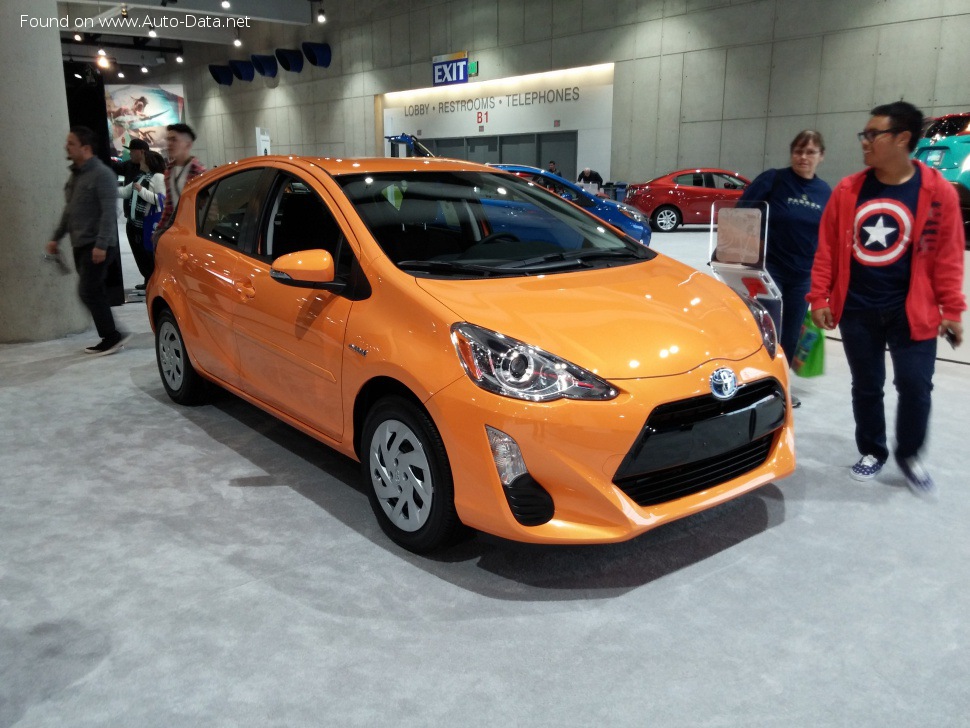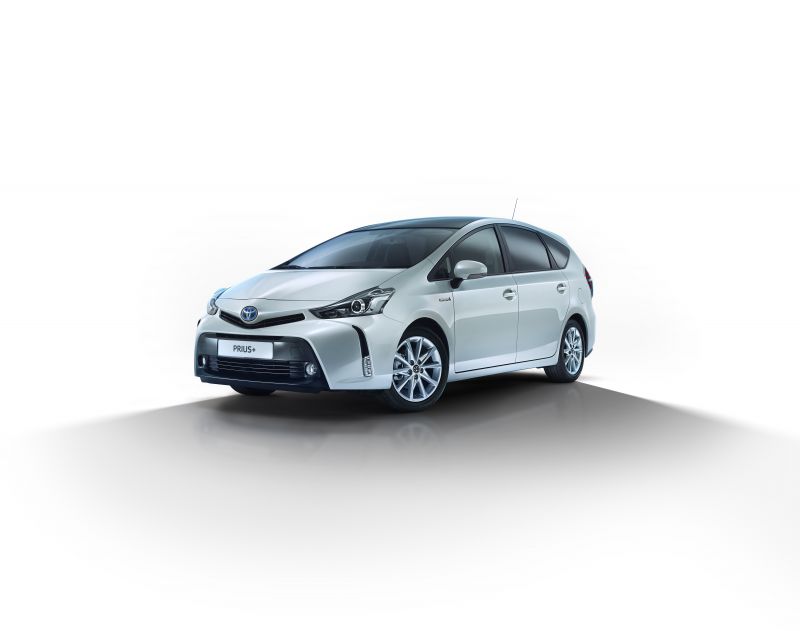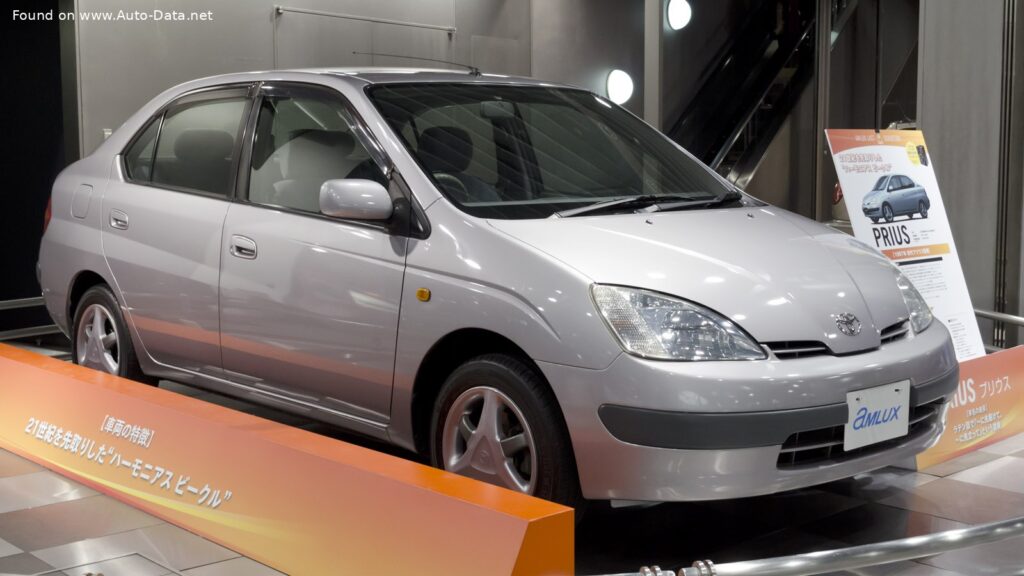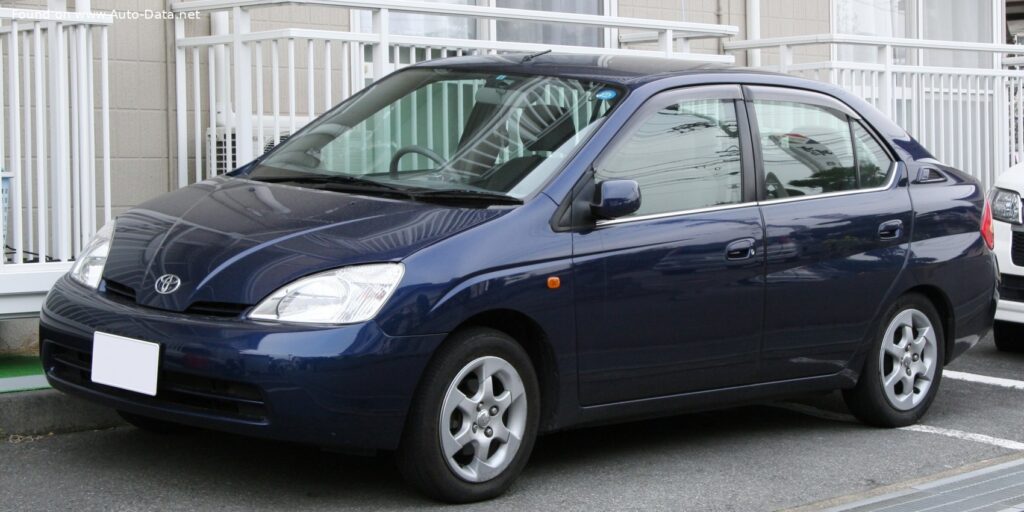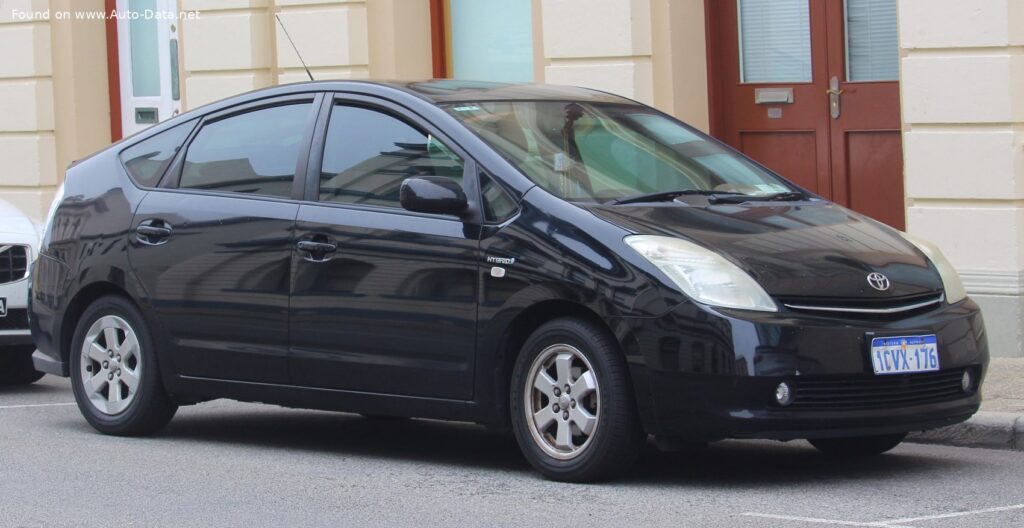
The Toyota Prius II (NHW20) 1.5 VVT-i Hybrid e-CVT, produced from 2003 to 2009, represents a watershed moment in automotive history. This second-generation Prius wasn’t merely an evolution of its predecessor; it was a pivotal vehicle that solidified the viability of hybrid powertrains and propelled the concept of widespread electrification into the mainstream. Positioned as a compact liftback, the NHW20 offered a unique blend of advanced technology, practicality, and exceptional fuel economy, establishing itself as a global success and a benchmark for future hybrid designs. It moved the Prius from a niche vehicle to a recognizable symbol of environmental consciousness.
The Toyota Prius II (NHW20): A Hybrid Pioneer
The original Prius, while groundbreaking, remained a relatively uncommon sight on roads. The NHW20, however, dramatically broadened the appeal of hybrid technology. Toyota successfully addressed many of the concerns surrounding early hybrid vehicles, demonstrating that eco-friendly transportation didn’t necessitate sacrificing practicality, comfort, or driving experience. The NHW20’s success was instrumental in shifting public perception, establishing hybrids as a legitimate and effective solution for reducing fuel consumption and emissions. Its impact extended beyond sales figures; it spurred competitors to develop their own hybrid offerings, accelerating the overall adoption of electrified vehicles.
Evolution of Hybrid Technology
The NHW20 employed a Full Hybrid Electric Vehicle (FHEV) architecture, allowing for a versatile range of operating modes. It could function on pure electric power at low speeds, combine gasoline and electric propulsion for optimal efficiency, or operate solely on the gasoline engine when necessary. This seamless transition between modes, managed by Toyota’s Hybrid Synergy Drive (HSD) system, was a key innovation. The HSD system wasn’t simply adding an electric motor to a conventional car; it was a completely integrated powertrain designed from the ground up to maximize efficiency and minimize environmental impact. This system proved remarkably reliable, contributing significantly to the Prius’s reputation for durability.
Engine & Performance Dynamics
The heart of the Toyota Prius II (NHW20) is a sophisticated powertrain engineered for optimal efficiency and a smooth driving experience. The internal combustion engine (ICE) is a 1.5-liter (1497 cm³ or 91.35 cubic inches) 1NZ-FXE inline four-cylinder engine. This naturally aspirated engine utilizes a Double Overhead Camshaft (DOHC) valvetrain and Toyota’s Variable Valve Timing with intelligence (VVT-i) technology. The 1NZ-FXE produces 78 horsepower at 5000 rpm and 84.82 lb.-ft. of torque at 4000 rpm. A notable characteristic of this engine is its high compression ratio of 13:1, a direct result of its Atkinson cycle operation. The Atkinson cycle prioritizes fuel efficiency by delaying the closing of the intake valves, allowing for more complete combustion, albeit at the expense of peak power output.
This reduction in peak power is effectively compensated for by the electric motor. A powerful synchronous electric motor delivers 68 horsepower between 1200-1540 rpm and an impressive 295.02 lb.-ft. of instant torque available from 0 to 1200 rpm. This substantial low-end torque provides the Prius with brisk acceleration, particularly from a standstill, and enables quiet, emission-free operation during low-speed maneuvers. The electric motor draws its energy from a 201.6-volt Nickel-metal hydride (NiMH) battery pack. NiMH technology was selected for its proven reliability, durability, and cost-effectiveness at the time of the NHW20’s development. The combined output of the ICE and electric motor results in a total system output of 113 horsepower and a robust 352.55 lb.-ft. of system torque.
Power is delivered to the front wheels through Toyota’s electronically controlled Continuously Variable Transmission (e-CVT). Unlike traditional automatic transmissions with fixed gear ratios, the e-CVT seamlessly adjusts the gear ratio to maintain optimal engine efficiency and provide smooth, uninterrupted acceleration. This transmission contributes significantly to the Prius’s remarkably quiet and refined driving experience, eliminating the noticeable gear shifts common in conventional vehicles.
Design & Features
The Toyota Prius II (NHW20) adopted a distinctive liftback body style, prioritizing both aerodynamic efficiency and interior space. Its teardrop shape, with a Kammback rear end, was carefully sculpted to minimize drag, contributing to its exceptional fuel economy. While not conventionally beautiful to all eyes, the design was undeniably functional and instantly recognizable. The NHW20 offered a surprisingly spacious interior for a compact car, with ample headroom and legroom for both front and rear passengers. The rear seats could be folded down to expand cargo capacity, enhancing its practicality.
Safety features, while not as comprehensive as those found in modern vehicles, were a significant improvement over previous generations. Standard equipment included anti-lock brakes (ABS), electronic brakeforce distribution (EBD), and front airbags. Optional features included side airbags and a vehicle stability control (VSC) system. The Prius II also featured regenerative braking, which captured energy during deceleration and converted it back into electricity, further enhancing its efficiency. Interior features included air conditioning, power windows and locks, and a basic audio system. Higher trim levels offered features such as a navigation system and upgraded audio options.
Technical Specifications
| Engine Type | 1.5L 1NZ-FXE Inline-4, Atkinson Cycle |
| Engine Displacement | 1497 cc (91.35 cu in) |
| Maximum Horsepower (ICE) | 78 hp @ 5000 rpm |
| Maximum Torque (ICE) | 84.82 lb-ft @ 4000 rpm |
| Electric Motor Horsepower | 68 hp @ 1200-1540 rpm |
| Electric Motor Torque | 295.02 lb-ft @ 0-1200 rpm |
| Combined System Horsepower | 113 hp |
| Combined System Torque | 352.55 lb-ft |
| Battery Type | 201.6V Nickel-Metal Hydride (NiMH) |
| Transmission | e-CVT (Electronically Controlled Continuously Variable Transmission) |
| Fuel Economy (EPA Estimated) | 60 mpg City / 51 mpg Highway |
| Compression Ratio | 13:1 |
| Vehicle Type | Compact Liftback |
| Production Years | 2003-2009 |