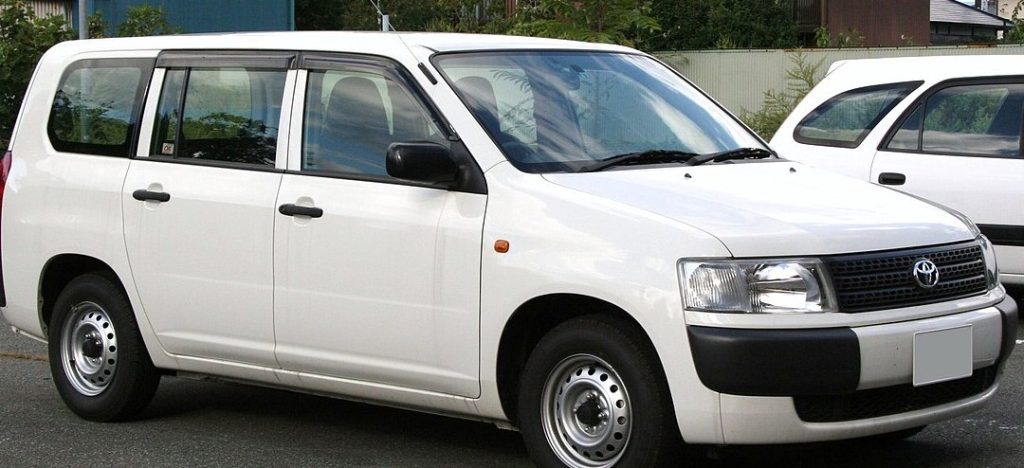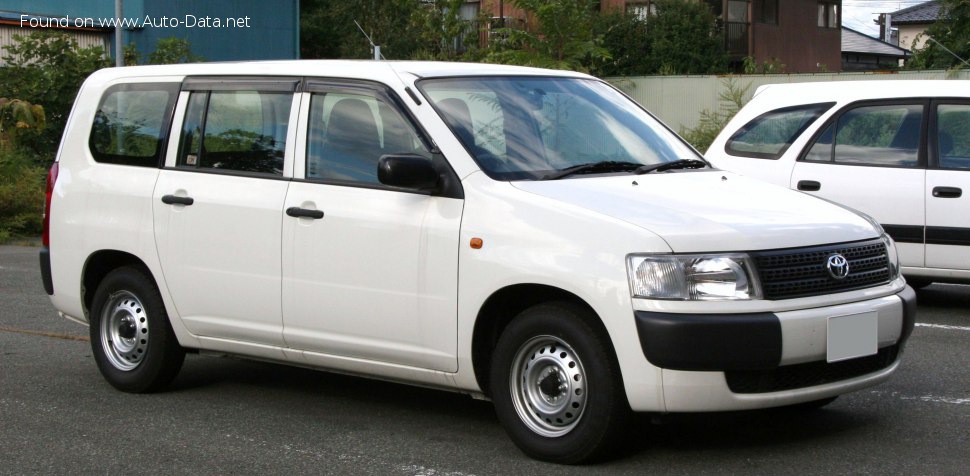
The Toyota Probox 1.5 i (105 Hp) 4WD, originating from its first generation produced between 2002 and 2014, is a prime example of a Japanese light commercial vehicle engineered for practicality and durability. Designed primarily for the Japanese domestic market (JDM), the Probox served businesses and individuals needing a reliable, fuel-efficient vehicle for transporting goods and passengers. While never officially sold in the United States, its core design philosophy – prioritizing function over form, low running costs, and longevity – aligns with the universal demand for dependable work vehicles. This 4WD variant, equipped with a 1.5-liter engine, offered increased capability, making it suitable for diverse weather conditions and terrains.
Toyota Probox 1.5 i (105 Hp) 4WD: A Detailed Overview
The Toyota Probox represents a segment of vehicles often overlooked in the US market – the compact, utilitarian station wagon. In Japan, these vehicles are incredibly popular due to space constraints, high population density, and the need for efficient commercial transport. The Probox filled this need admirably, becoming a common sight on Japanese roads. Its design is a direct response to these specific market demands, focusing on maximizing cargo space and minimizing operational costs.
Engine & Performance
The Toyota Probox 1.5 i (105 Hp) 4WD is powered by Toyota’s 1NZ-FE engine, a 1.5-liter (1497 cm³ or 91.35 cu. in.) inline four-cylinder gasoline engine. This naturally aspirated engine, featuring a Double Overhead Camshaft (DOHC) valvetrain with four valves per cylinder and multi-port fuel injection, is renowned for its reliability and efficiency. It produces 105 horsepower at 6400 rpm, yielding a power output of 70.1 Hp/l. Torque is rated at 127 Nm (93.67 lb.-ft.) at 3200 rpm, providing sufficient pulling power for load-carrying applications. The engine’s 9.4:1 compression ratio is optimized for standard gasoline fuels.
The engine is mounted transversely in the front of the vehicle, a common configuration for maximizing interior space in compact cars. Its robust construction, with a cylinder bore of 74 mm (2.91 in.) and a piston stroke of 87 mm (3.43 in.), contributes to its durability. The engine requires 3.7 liters (3.91 US qt) of engine oil and 4.4 liters (4.65 US qt) of coolant.
A key feature of this Probox variant is its all-wheel-drive (4×4) system. The drivetrain operates primarily in front-wheel drive, with power automatically transferred to the rear wheels via an electrically or mechanically operated clutch when traction is needed. This on-demand system enhances grip in slippery conditions like snow, mud, or unpaved roads without significantly impacting fuel economy during normal driving. The vehicle’s kerb weight of 1030 kg (2270.76 lbs.) results in a weight-to-power ratio of 9.8 kg/Hp (101.9 Hp/tonne) and a weight-to-torque ratio of 8.1 kg/Nm (123.3 Nm/tonne), emphasizing its focus on practicality over performance.
Design & Features
The Toyota Probox’s design is fundamentally utilitarian. As a 5-door, 5-seat station wagon, its exterior styling prioritizes maximizing interior volume and ease of loading. Clean lines and a boxy silhouette contribute to its functional aesthetic. This no-frills approach provides excellent visibility and a compact footprint, making it suitable for urban environments while offering substantial cargo capacity.
The Probox measures 4195 mm (165.16 in.) in length, 1695 mm (66.73 in.) in width, and 1525 mm (60.04 in.) in height. The 2550 mm (100.39 in.) wheelbase contributes to a stable ride and ample interior space. Track widths are 1455 mm (57.28 in.) at the front and 1465 mm (57.68 in.) at the rear, providing a balanced stance. The vehicle is equipped with 175/65 R14 tires, a common size for utility vehicles, balancing ride comfort with durability and affordability.
The interior of the Probox is spartan yet durable, designed to withstand the demands of commercial use. Hard-wearing plastics, easy-to-clean surfaces, and straightforward controls characterize the cabin. While not luxurious, the interior is ergonomically designed for driver comfort during extended use. Practical storage solutions and a flat-folding rear seat mechanism, combined with a large rear hatch, create a cavernous and easily accessible cargo area. The 50-liter (13.21 US gallons) fuel tank provides a reasonable driving range.
Technical Specifications: Toyota Probox 1.5 i (105 Hp) 4WD (2002-2014)
| Category | Specification |
| General Information | |
| Brand | Toyota |
| Model | Probox |
| Generation | Probox (First Generation) |
| Type (Engine) | 1.5 i (105 Hp) 4WD |
| Start of Production | 2002 |
| End of Production | 2014 |
| Powertrain Architecture | Internal Combustion Engine |
| Body type | Station wagon (estate) |
| Seats | 5 |
| Doors | 5 |
| Performance Specs | |
| Fuel Type | Petrol (Gasoline) |
| Weight-to-power ratio | 9.8 kg/Hp (101.9 Hp/tonne) |
| Weight-to-torque ratio | 8.1 kg/Nm (123.3 Nm/tonne) |
| Engine Specs | |
| Power | 105 Hp @ 6400 rpm |
| Power per liter | 70.1 Hp/l |
| Torque | 127 Nm @ 3200 rpm (93.67 lb.-ft. @ 3200 rpm) |
| Engine layout | Front, Transverse |
| Engine Model/Code | 1NZ-FE |
| Engine displacement | 1497 cm³ (1.5 liters / 91.35 cu. in.) |
| Number of cylinders | 4 |
| Engine configuration | Inline |
| Cylinder Bore | 74 mm (2.91 in.) |
| Piston Stroke | 87 mm (3.43 in.) |
| Compression ratio | 9.4:1 |
| Number of valves per cylinder | 4 |
| Fuel injection system | Multi-port manifold injection |
| Engine aspiration | Naturally aspirated engine |
| Valvetrain | DOHC |
| Engine oil capacity | 3.7 l (3.91 US qt) |
| Coolant capacity | 4.4 l (4.65 US qt) |
| Space, Volume and Weights | |
| Kerb Weight | 1030 kg (2270.76 lbs.) |
| Fuel tank capacity | 50 l (13.21 US gal) |
| Dimensions | |
| Length | 4195 mm (165.16 in.) |
| Width | 1695 mm (66.73 in.) |
| Height | 1525 mm (60.04 in.) |
| Wheelbase | 2550 mm (100.39 in.) |
| Front track | 1455 mm (57.28 in.) |
| Rear (Back) track | 1465 mm (57.68 in.) |
| Drivetrain, Brakes and Suspension Specs | |
| Drivetrain Architecture | ICE drives front wheels permanently; rear wheels driven via electrically/mechanically operated clutch if necessary. |
| Drive wheel | All-wheel drive (4×4) |
| Tires size | 175/65 R14 |
The Toyota Probox 1.5 i (105 Hp) 4WD’s legacy lies in its role as a dependable workhorse in the Japanese market and beyond. While it didn’t achieve mainstream success in North America, its enduring appeal in other regions, particularly in developing countries, highlights its fundamental strengths: reliability, practicality, and affordability. Its simple, robust engineering and low running costs have made it a favorite among small businesses and individuals who prioritize functionality over luxury.