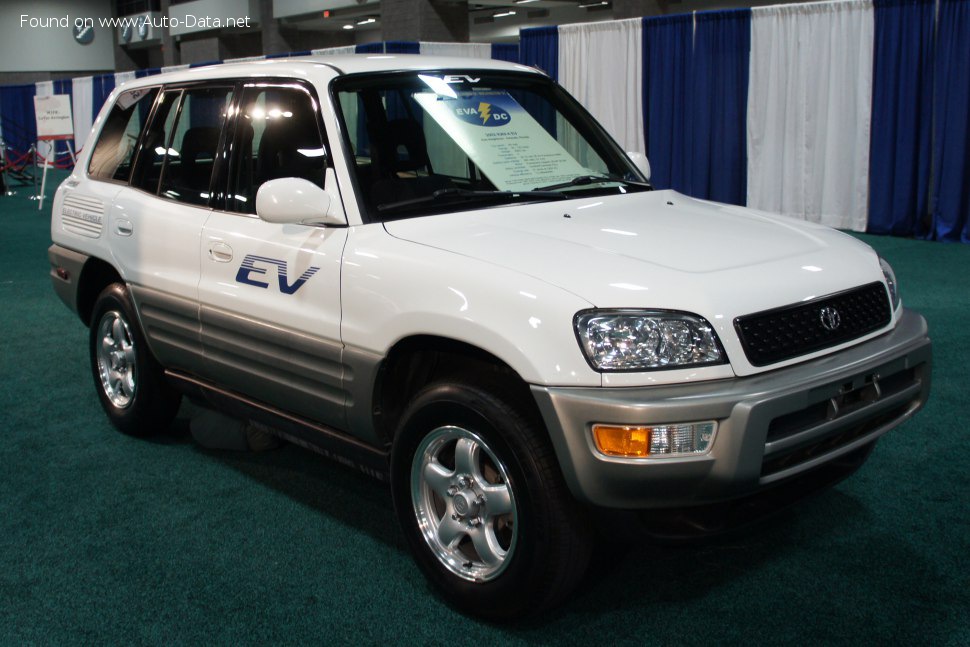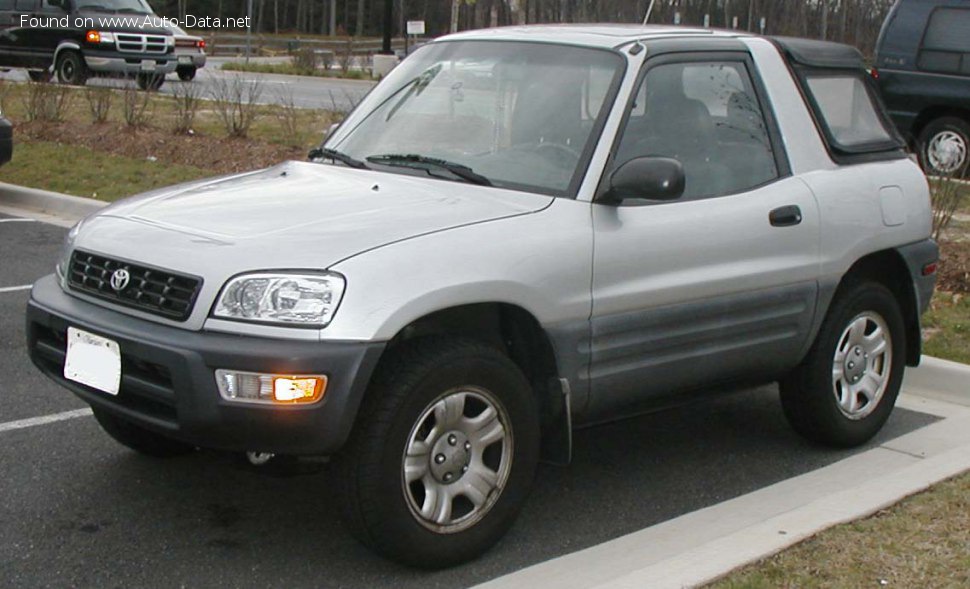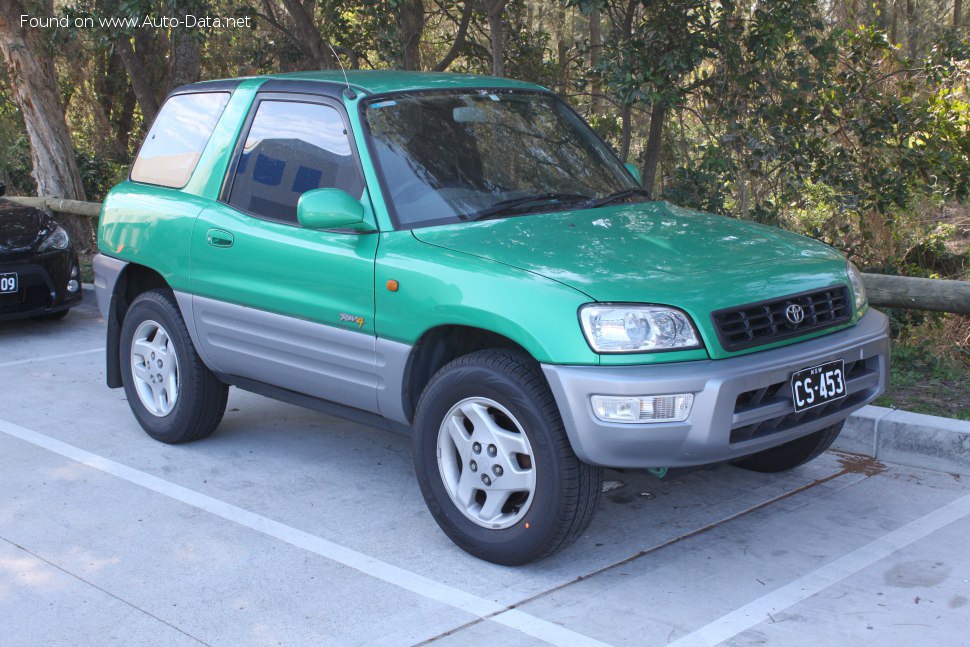
The Toyota RAV4 EV I (BEA11) 3-door represents a pivotal moment in the evolution of electric vehicles, appearing well before the widespread adoption of EVs. Produced between 1997 and 2003, this first-generation battery electric version of Toyota’s popular RAV4 compact SUV was a significant undertaking by the Japanese automaker, largely driven by California’s Zero Emission Vehicle (ZEV) mandate. Unlike many “compliance cars” of the period that were leased and subsequently recalled, a substantial number of RAV4 EVs were sold directly to consumers, cultivating a dedicated following and demonstrating the feasibility of electric propulsion in a practical, everyday vehicle.
The Toyota RAV4 EV I: A Pioneering Electric SUV
Positioned within the compact SUV segment, the RAV4 EV I successfully combined the practicality and broad appeal of the gasoline-powered RAV4 with a fully electric powertrain. This 3-door variant, internally designated BEA11, wasn’t simply a concept car; it was a fully engineered production vehicle, albeit with limited distribution. It functioned as a valuable testing ground for Toyota’s electric vehicle technology, laying the foundation for the company’s future electrification efforts, including its successful hybrid models and subsequent generations of electric vehicles. Its impact on shaping public perception and technological advancements in the emerging EV market is undeniable.
Engine & Performance
The Toyota RAV4 EV I (BEA11) featured an innovative electric powertrain for its time. As a pure Battery Electric Vehicle (BEV), it relied exclusively on electricity for propulsion, drawing power from its onboard battery pack. The electric motor produced 61 horsepower at 2600 rpm, providing sufficient power for city driving and suburban commutes. Torque, a key advantage of electric vehicles, peaked at 121.7 lb-ft (165 Nm) at the same engine speed. This instant torque delivery contributed to a responsive driving experience, particularly during acceleration.
Power was delivered to the front wheels via a single-speed automatic transmission, a common and efficient setup for EVs that eliminates the need for gear changes and complex mechanical components. This simplified drivetrain enhanced smooth operation and reduced maintenance. The RAV4 EV I achieved a maximum speed of 77.67 mph (125 km/h), making it suitable for highway use, although its strengths lay in urban and short-to-medium range applications.
Energy storage was managed by a 25.9 kWh gross battery capacity, a substantial and advanced feature in the late 1990s. The battery technology employed was nickel-metal hydride (NiMH), offering a good balance of energy density and longevity compared to the lead-acid batteries used in some earlier experimental EVs. This battery pack provided an all-electric range of 124.27 miles (200 km) under ideal conditions, a practical range for many drivers’ daily needs and exceeding the capabilities of many contemporary electric vehicles. The vehicle’s curb weight of 3218.75 lbs (1460 kg) resulted in a weight-to-power ratio of 23.9 kg/Hp, or 41.8 Hp per tonne, which was competitive for an EV of its size and purpose.
Design & Features
The Toyota RAV4 EV I (BEA11) largely retained the design cues of its gasoline-powered counterpart, with subtle modifications indicating its electric nature. It was exclusively available as a 3-door SUV, emphasizing its compact and agile character. Measuring 145.47 inches (3695 mm) in length, 66.73 inches (1695 mm) in width, and 63.78 inches (1620 mm) in height, with a wheelbase of 86.61 inches (2200 mm), the RAV4 EV I was designed for maneuverability in urban settings while still offering the elevated driving position and practical cargo space expected of an SUV.
The interior accommodated four passengers. A significant engineering challenge with early EVs was battery packaging, and Toyota cleverly integrated the NiMH battery pack beneath the floor, preserving a relatively unobstructed cabin and cargo area. This design choice lowered the vehicle’s center of gravity, improving handling stability. The exterior featured unique badging and a charging port, differentiating it from the gasoline model.
Standard features included power windows, air conditioning, and a regenerative braking system that recaptured energy during deceleration, slightly extending the vehicle’s range. The vehicle rode on 195/80 R16 tires mounted on 6.5J x 16 wheel rims, providing a comfortable ride and adequate grip. Safety features, while not as sophisticated as those found in modern vehicles, included standard airbags and anti-lock brakes (ABS), reflecting the safety standards of the late 1990s. The conversion from a gasoline platform to an electric one was executed with Toyota’s characteristic attention to detail and reliability, ensuring the RAV4 EV I was not merely an experimental vehicle but a dependable mode of transportation.
Technical Specifications
| Category | Specification |
| General Information | |
| Brand | Toyota |
| Model | RAV4 |
| Generation | RAV4 EV I (BEA11) 3-door |
| Type (Engine) | 25.9 kWh (61 Hp) |
| Production Start | 1997 |
| Production End | 2003 |
| Powertrain Architecture | BEV (Electric Vehicle) |
| Body Type | SUV |
| Seats | 4 |
| Doors | 3 |
| Performance Specifications | |
| Fuel Type | Electricity |
| Maximum Speed | 125 km/h (77.67 mph) |
| Weight-to-Power Ratio | 23.9 kg/Hp (41.8 Hp/tonne) |
| Electric Car & Hybrid Specifications | |
| Gross Battery Capacity | 25.9 kWh |
| All-Electric Range | 200 km (124.27 miles) |
| Electric Motor Power | 61 Hp @ 2600 rpm |
| Electric Motor Torque | 165 Nm (121.7 lb-ft) @ 2600 rpm |
| System Power | 61 Hp |
| Space, Volume, and Weights | |
| Kerb Weight | 1460 kg (3218.75 lbs) |
| Max. Weight | 1720 kg (3791.95 lbs) |
| Max Load | 260 kg (573.2 lbs) |
| Dimensions | |
| Length | 3695 mm (145.47 in) |
| Width | 1695 mm (66.73 in) |
| Height | 1620 mm (63.78 in) |
| Wheelbase | 2200 mm (86.61 in) |
| Drivetrain, Brakes, and Suspension | |
| Drive Wheel | Front-wheel drive |
| Gearbox | 1 gear, automatic transmission |
| Tire Size | 195/80 R16 |
| Wheel Rims Size | 6.5J x 16 |
Legacy and Market Significance
The Toyota RAV4 EV I (BEA11) occupies a unique and respected position in automotive history, particularly within the narrative of electric vehicle development. Its market impact was primarily focused in California, where it was sold in limited numbers to meet the state’s ambitious Zero Emission Vehicle (ZEV) mandate. Unlike some contemporaries, such as the GM EV1 or Honda EV Plus, which were exclusively leased and later recalled, Toyota sold several hundred RAV4 EVs to private customers and fleet operators, establishing a small but dedicated owner base.
Toyota’s decision to sell the vehicles outright was a crucial differentiator. It allowed early adopters to integrate the electric SUV into their lives, demonstrating its long-term viability and dispelling myths about the practicality of EVs. The RAV4 EV I proved that an electric vehicle could be reliable, durable, and capable of fulfilling daily transportation needs without significant compromises in utility, thanks to its SUV body style and robust Toyota engineering.
In terms of competition, the RAV4 EV I operated in a nascent segment with few direct rivals. Its closest competitors were other compliance cars of the era, including the GM EV1, Honda EV Plus, Ford Ranger EV, and Nissan Hypermini. However, the RAV4 EV stood out for its conventional SUV form factor, offering more versatility and a familiar aesthetic compared to the more radical designs of some other early EVs. Its impressive range for the time, coupled with Toyota’s reputation for reliability, gave it a competitive edge.
The historical significance of the RAV4 EV I extends beyond its sales figures. It served as a crucial learning platform for Toyota, providing invaluable data and experience in battery management, electric motor integration, and overall EV architecture. This knowledge directly contributed to the development of the highly successful Toyota Prius hybrid, which launched around the same time and cemented Toyota’s leadership in electrified powertrains. The RAV4 EV I demonstrated that electric power could be integrated into a mainstream vehicle type, paving the way for the second-generation RAV4 EV (co-developed with Tesla) and the subsequent proliferation of electric SUVs in the modern automotive landscape. Its legacy is one of quiet pioneering, a testament to Toyota’s foresight and commitment to exploring alternative propulsion technologies long before they became mainstream. It remains a cherished vehicle among EV enthusiasts, recognized as a true precursor to today’s electric revolution.