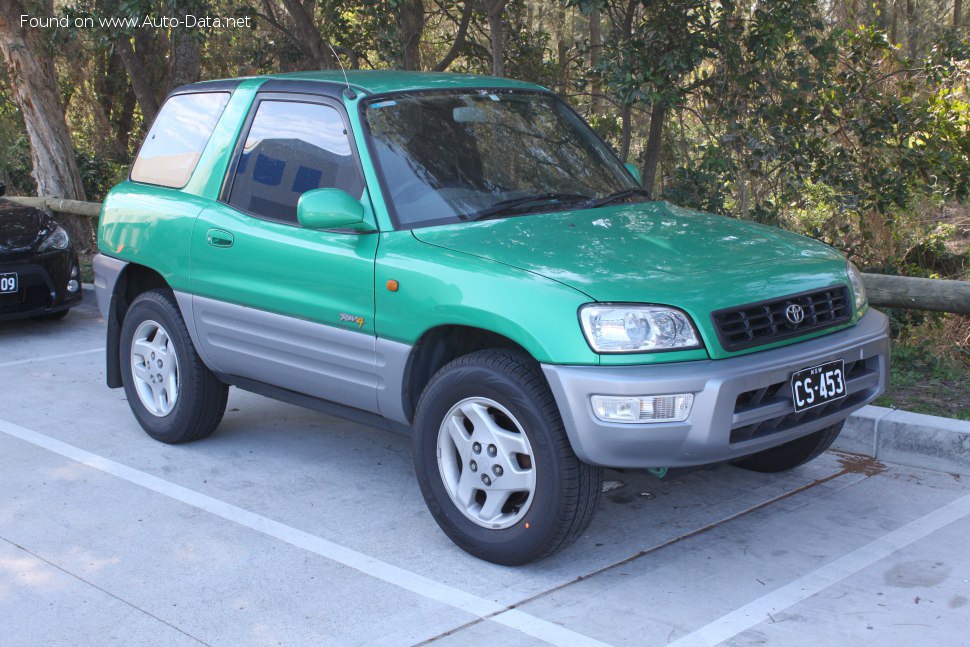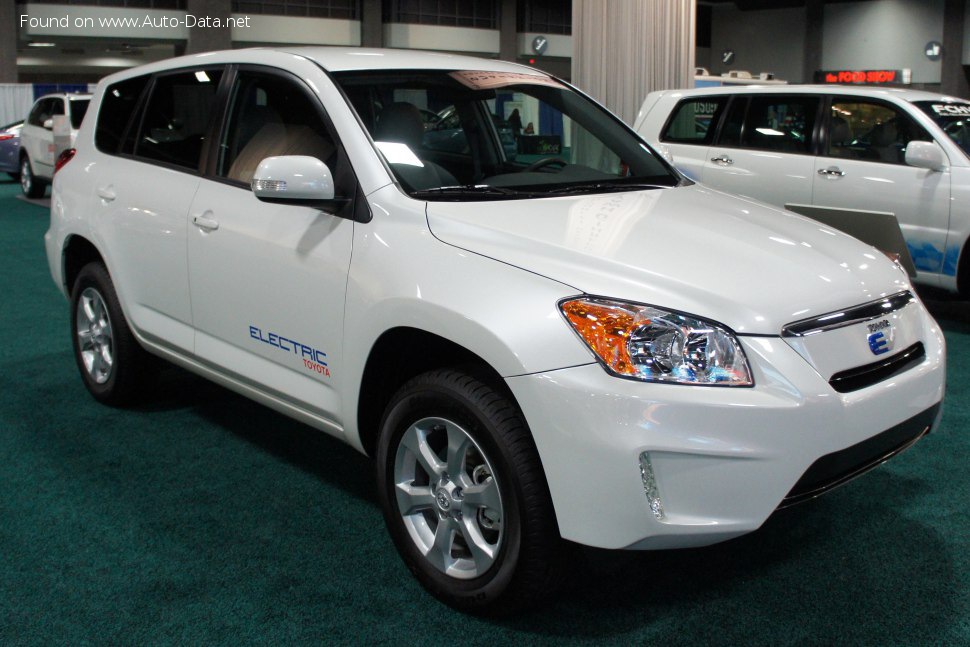
The Toyota RAV4 EV II (QEA38) represents a significant, albeit niche, chapter in the history of electric vehicles, particularly within the sport utility vehicle (SUV) segment. Launched in May 2012 and produced until 2014, this second-generation electric RAV4 was a battery electric vehicle (BEV) that leveraged a unique collaboration between automotive giant Toyota and then-startup electric car manufacturer Tesla Motors. Positioned as a compact SUV, the RAV4 EV II offered a practical, zero-emission alternative to its gasoline-powered counterparts, primarily targeting the Californian market due to strict environmental regulations and consumer demand for advanced green vehicles. It was a testament to Toyota’s willingness to experiment with diverse powertrain technologies and Tesla’s burgeoning expertise in electric vehicle propulsion and battery management systems.
The Toyota RAV4 EV II: A Collaborative Effort
Unlike its first-generation predecessor, which was largely developed in-house by Toyota, the RAV4 EV II was born from a strategic partnership. Toyota sought to accelerate its electric vehicle development by tapping into Tesla’s advanced battery technology and electric powertrain expertise. This collaboration saw Tesla supplying the battery pack, motor, and power electronics, while Toyota provided the vehicle body, chassis, and integrated the system into a production-ready SUV. The agreement allowed Toyota to meet California’s Zero Emission Vehicle (ZEV) mandate and gain valuable insights into the burgeoning EV market without the massive upfront investment of developing a complete EV platform from scratch. The RAV4 EV II was not widely marketed nationally, focusing instead on states with ZEV requirements, making it a relatively uncommon sight even today.
Genesis of the Partnership
The partnership between Toyota and Tesla, formalized in 2010, was mutually beneficial. Toyota invested $50 million in Tesla and gained access to its electric vehicle technology. In return, Tesla benefited from Toyota’s manufacturing expertise and established supply chain. The RAV4 EV II was the most visible outcome of this collaboration, demonstrating the potential for established automakers to leverage the innovation of emerging EV companies. While the partnership eventually dissolved as Tesla matured and pursued its own independent vehicle development, the RAV4 EV II remains a tangible example of its early success.
Engine & Performance
The heart of the RAV4 EV II is its all-electric powertrain, supplied by Tesla. It utilizes a Tesla-designed induction motor producing 154 horsepower and 240 lb-ft of torque. This provides brisk acceleration for a compact SUV, with a 0-60 mph time of around 8.5 seconds. The vehicle is powered by a 41.8 kilowatt-hour (kWh) lithium-ion battery pack, also sourced from Tesla, which is mounted low in the vehicle’s chassis to improve its center of gravity and handling. The battery pack’s configuration and cooling system were critical to the vehicle’s performance and longevity.
The RAV4 EV II boasts an EPA-rated range of 103 miles on a full charge. While this range may seem limited by today’s standards, it was competitive for the time and sufficient for many daily commutes and errands. Charging is accomplished via a J1772 connector, allowing compatibility with a wide range of public and private charging stations. A full charge using a 240-volt Level 2 charger takes approximately 6 hours. The vehicle also features regenerative braking, which captures energy during deceleration and returns it to the battery, further extending its range.
Design & Features
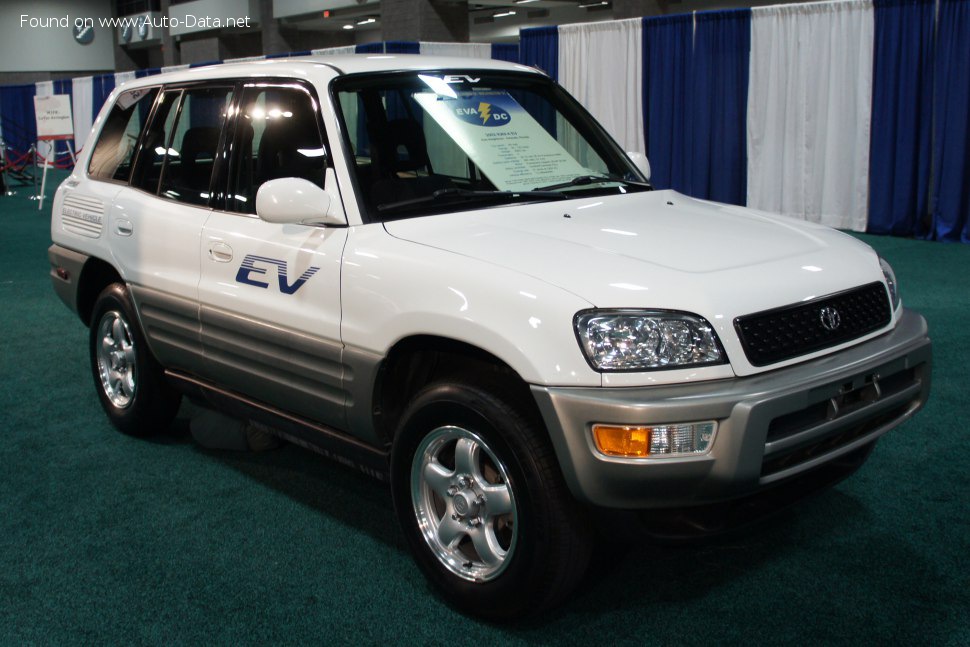
Visually, the RAV4 EV II closely resembles the standard gasoline-powered RAV4 of the same generation, with subtle exterior cues differentiating the electric model. These include unique alloy wheel designs, a distinctive front grille, and EV badging. The interior is largely identical to the conventional RAV4, offering a comfortable and practical cabin with seating for five passengers. However, the instrument cluster features a unique display providing information about battery charge level, energy consumption, and driving range.
The RAV4 EV II comes equipped with a range of standard features, including air conditioning, power windows and locks, a touchscreen infotainment system, and a rearview camera. Safety features include anti-lock brakes, stability control, and multiple airbags. The vehicle’s focus was on providing a familiar SUV experience with the added benefit of zero-emission driving. The lack of a traditional internal combustion engine allowed for a quieter and smoother driving experience. The vehicle’s relatively low center of gravity, due to the battery pack’s placement, also contributed to improved handling and stability.
Technical Specifications
| Vehicle Type | Compact SUV (BEV) |
| Production Years | 2012 – 2014 |
| Manufacturer | Toyota (with Tesla collaboration) |
| Powertrain | All-Electric |
| Motor | Tesla Induction Motor |
| Horsepower | 154 hp |
| Torque | 240 lb-ft |
| Battery Capacity | 41.8 kWh |
| Range (EPA) | 103 miles |
| 0-60 mph | Approximately 8.5 seconds |
| Charging Time (240V) | Approximately 6 hours |
| Drivetrain | Front-Wheel Drive |
| Curb Weight | 4,079 lbs |
| Length | 178.5 inches |
| Width | 72.6 inches |
| Height | 66.1 inches |
The Toyota RAV4 EV II, while a limited-production vehicle, played a crucial role in demonstrating the viability of electric SUVs and accelerating the adoption of electric vehicle technology. Its collaboration with Tesla proved to be a valuable learning experience for Toyota, and the RAV4 EV II remains a unique and historically significant vehicle in the evolution of the automotive industry. Although production was short-lived, the RAV4 EV II paved the way for Toyota’s subsequent electric vehicle offerings and contributed to the growing awareness and acceptance of electric vehicles among consumers.