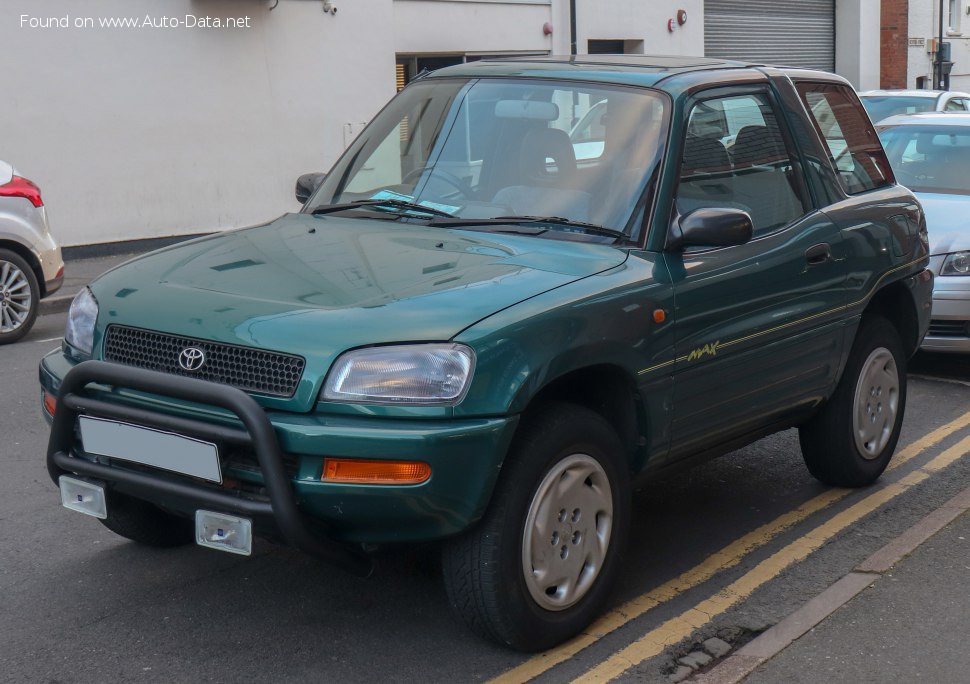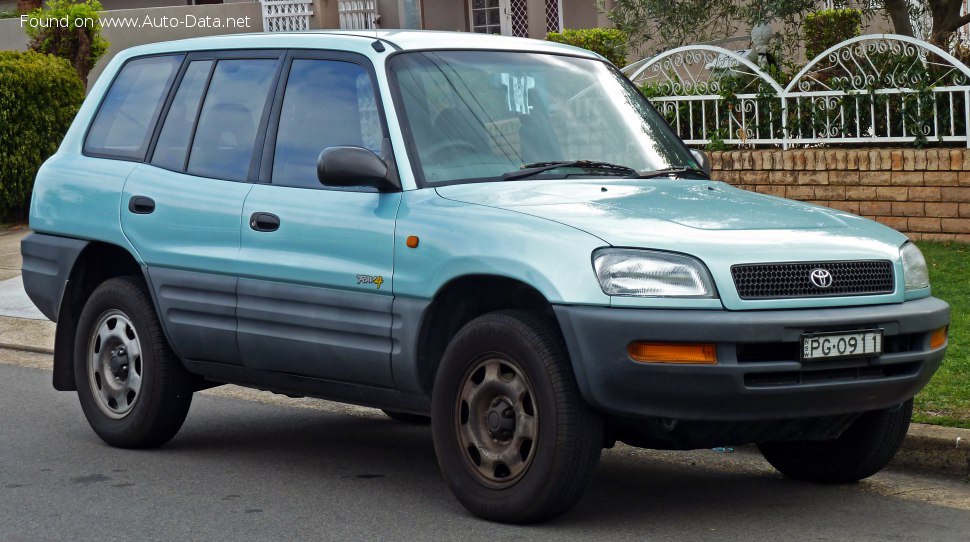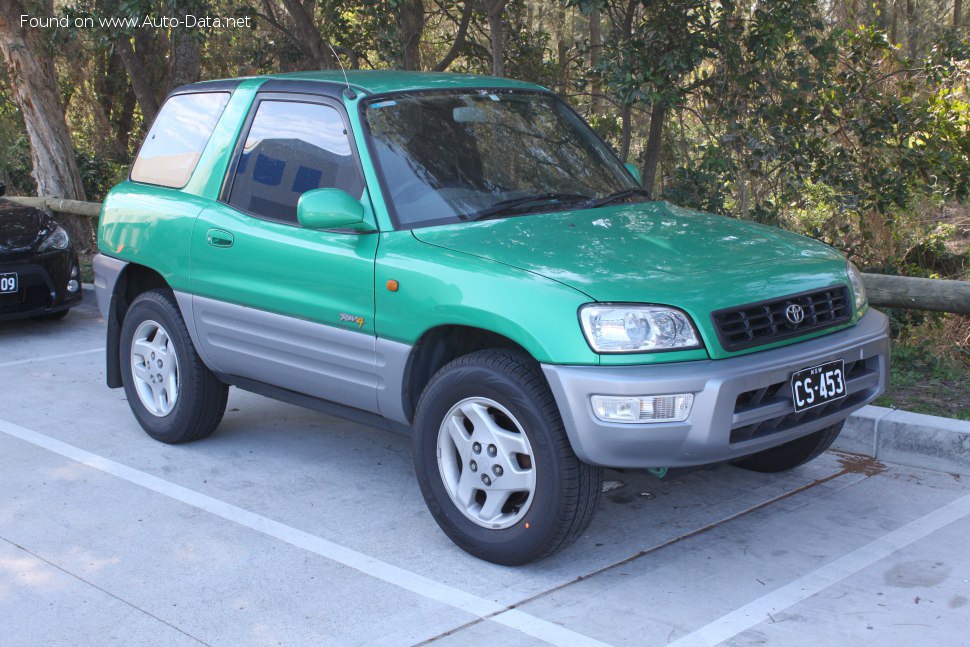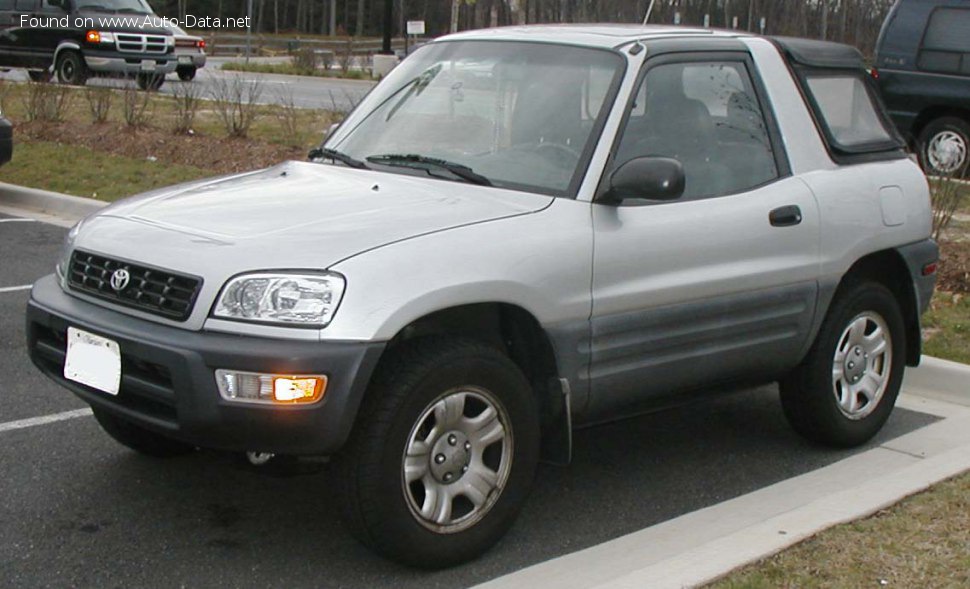
The Toyota RAV4 I Soft top (XA10) represents a pivotal moment in automotive history, marking Toyota’s audacious entry into what would become the fiercely competitive compact SUV segment. Launched in 1994, the first-generation RAV4 (XA10) was a groundbreaking vehicle, effectively inventing the “crossover” concept by blending the practicality and elevated driving position of an SUV with the comfortable ride and nimble handling of a passenger car. The specific variant under discussion, the RAV4 I Soft top (XA10) 2.0 16V (126 Hp) 4WD, produced between 1997 and 2000, further distinguished itself with a unique open-air experience, offering a two-door, four-seat cabriolet SUV body style that catered to a youthful, adventurous demographic. This particular iteration, while sharing the robust underpinnings of its hardtop siblings, carved out a niche for itself as a fun, versatile, and highly capable recreational vehicle, setting a precedent for future lifestyle-oriented SUVs.
The Toyota RAV4 I Soft top (XA10): A Pioneering Crossover
The RAV4 I, designated the XA10 chassis code, was a radical departure from the traditional, truck-based SUVs prevalent at the time. Toyota recognized a growing demand for a vehicle that offered the benefits of an SUV – increased visibility, a sense of security, and available all-wheel drive – without the compromises of a large, cumbersome platform. The soft-top version amplified this ethos, offering a unique and engaging driving experience that resonated with a specific segment of the market. While the RAV4 was initially not a huge seller in the United States, it laid the groundwork for the brand’s future success in the crossover segment, and the soft-top version remains a sought-after collector’s item.
Engine & Performance
Powering the Toyota RAV4 I Soft top (XA10) 2.0 16V 4WD is Toyota’s 3S-FE engine, a 2.0-liter (1998 cc) naturally aspirated inline-four cylinder. This engine, known for its durability and smooth operation, utilizes a Double Overhead Camshaft (DOHC) configuration with four valves per cylinder, optimizing airflow for improved performance. It produces 126 horsepower at 5400 rpm and 131.29 lb.-ft. of torque at 4400 rpm. This output, combined with the vehicle’s relatively light curb weight of 2667.59 pounds, results in a favorable power-to-weight ratio of 9.6 kg per horsepower (or 104.1 horsepower per metric ton). The engine is paired with a five-speed manual transmission, providing drivers with a direct and engaging driving experience. A full-time All-Wheel Drive (4WD) system ensures optimal traction and stability in various driving conditions. The RAV4 achieves a top speed of 105.63 mph (170 km/h) and offers a combined fuel economy of 25 US mpg (9.4 l/100 km), demonstrating a balance between performance and efficiency for its time. A multi-port fuel injection system contributes to both power delivery and fuel economy.
Design & Features
The design of the RAV4 I Soft top is distinctly modern for its era, eschewing the boxy aesthetics of traditional SUVs in favor of a more streamlined and car-like profile. Its compact dimensions – 146.26 inches in length, 66.73 inches in width, and 65.35 inches in height, with an 86.61-inch wheelbase – contribute to its agility and ease of maneuverability in urban environments. The defining feature, of course, is the retractable soft-top, transforming the vehicle into an open-air cruiser. The two-door configuration and four-seat layout emphasize a recreational focus. The chassis utilizes an independent McPherson strut suspension in the front and a double wishbone setup in the rear, providing a comfortable and controlled ride quality, a characteristic more commonly found in passenger cars. Braking is handled by ventilated discs at the front and drum brakes at the rear. Hydraulic rack and pinion steering delivers precise and responsive handling. The vehicle rides on 215/70 R16 tires mounted on 6.0J x 16-inch wheels. Despite its compact size, the RAV4 offers 6.11 cubic feet (173 liters) of trunk space, expandable with the rear seats folded, and a 15.32-gallon (58 liter) fuel tank for a respectable driving range.
Technical Specifications
| Category | Specification |
| General Information | |
| Brand | Toyota |
| Model | RAV4 |
| Generation | RAV4 I Soft top (XA10) |
| Type (Engine) | 2.0 16V (126 Hp) 4WD |
| Start of Production | 1997 |
| End of Production | 2000 |
| Powertrain Architecture | Internal Combustion engine |
| Body Type | Cabriolet, SUV |
| Seats | 4 |
| Doors | 2 |
| Performance Specs | |
| Fuel Consumption (Urban) | 18.8 US mpg (12.5 l/100 km) |
| Fuel Consumption (Extra Urban) | 30.5 US mpg (7.7 l/100 km) |
| Fuel Consumption (Combined) | 25 US mpg (9.4 l/100 km) |
| Fuel Type | Petrol (Gasoline) |
| Maximum Speed | 105.63 mph (170 km/h) |
| Weight-to-Power Ratio | 9.6 kg/Hp, 104.1 Hp/tonne |
| Weight-to-Torque Ratio | 6.8 kg/Nm, 147.1 Nm/tonne |
| Engine Specs | |
| Power | 126 Hp @ 5400 rpm |
| Power per Liter | 63.1 Hp/l |
| Torque | 131.29 lb.-ft. @ 4400 rpm (178 Nm) |
| Engine Layout | Front, Transverse |
| Engine Model/Code | 3S-FE |
| Engine Displacement | 2.0 liters (1998 cm³, 121.93 cu. in.) |
| Number of Cylinders | 4 |
| Engine Configuration | Inline |
| Cylinder Bore | 3.39 in. (86 mm) |
| Piston Stroke | 3.39 in. (86 mm) |
| Compression Ratio | 9.8:1 |
| Valves per Cylinder | 4 |
| Fuel Injection System | Multi-port manifold injection |
| Engine Aspiration | Naturally aspirated engine |
| Valvetrain | DOHC |
| Engine Oil Capacity | 4.33 US qt (4.1 l) |
| Coolant Capacity | 8.45 US qt (8 l) |
| Space, Volume, and Weights | |
| Kerb Weight | 2667.59 lbs. (1210 kg) |
| Trunk (boot) Space – Minimum | 6.11 cu. ft. (173 l) |
| Fuel Tank Capacity | 15.32 US gal (58 l) |
| Permitted Trailer Load with Brakes (12%) | 3306.93 lbs. (1500 kg) |
| Dimensions | |
| Length | 146.26 in. (3715 mm) |
| Width | 66.73 in. (1695 mm) |
| Height | 65.35 in. (1660 mm) |
| Wheelbase | 86.61 in. (2200 mm) |
| Front Track | 57.48 in. (1460 mm) |
| Rear (Back) Track | 57.68 in. (1465 mm) |
| Minimum Turning Circle (Diameter) | 32.81 ft. (10.0 m) |
| Drivetrain, Brakes, and Suspension Specs | |
| Drive Wheel | All-Wheel Drive (4×4) |
| Number of Gears and Type of Gearbox | 5 gears, manual transmission |
| Front Suspension | Independent type McPherson |
| Rear Suspension | Double wishbone |
| Front Brakes | Ventilated discs |
| Rear Brakes | Drum |
| Steering Type | Steering rack and pinion |
| Power Steering | Hydraulic Steering |
| Tires Size | 215/70 R16 |
| Wheel Rims Size | 6.0J x 16 |
Legacy and Market Influence
The Toyota RAV4 I Soft top (XA10), alongside its hardtop siblings, holds a significant place in automotive history as one of the pioneers of the compact SUV segment. Prior to the RAV4, SUVs were largely truck-based, rugged, and often cumbersome. Toyota’s innovative approach, building it on a car platform, created a new category of vehicles that offered the best of both worlds: the commanding view and perceived safety of an SUV combined with the driving dynamics and fuel efficiency of a sedan. The soft-top variant, in particular, solidified the RAV4’s reputation as a “Recreational Activity Vehicle,” living up to its name. While perhaps not as common as the hardtop models, the soft-top was a bold statement, appealing to buyers who prioritized lifestyle and open-air motoring alongside practicality. It competed indirectly with vehicles like the Honda CR-V and Subaru Forester, which also entered the compact SUV market around the same time, but none offered the unique cabriolet experience of the RAV4 Soft top. The first-generation RAV4’s success, globally, paved the way for the explosion of the crossover segment. It demonstrated that consumers desired vehicles that were versatile, comfortable, and efficient, without necessarily needing heavy-duty off-road capabilities. Toyota’s commitment to quality and reliability ensured that the RAV4 quickly gained a reputation for dependability, a hallmark of the brand. The RAV4’s influence is evident in the countless compact SUVs and crossovers that dominate today’s automotive market. The RAV4 I Soft top (XA10) stands as a testament to Toyota’s foresight and willingness to innovate, creating a vehicle that was not only practical but also immensely fun, leaving an indelible mark on the landscape of modern personal transportation. Its legacy is one of pioneering spirit, setting the stage for an entire generation of vehicles designed for the urban adventurer and the weekend explorer alike.