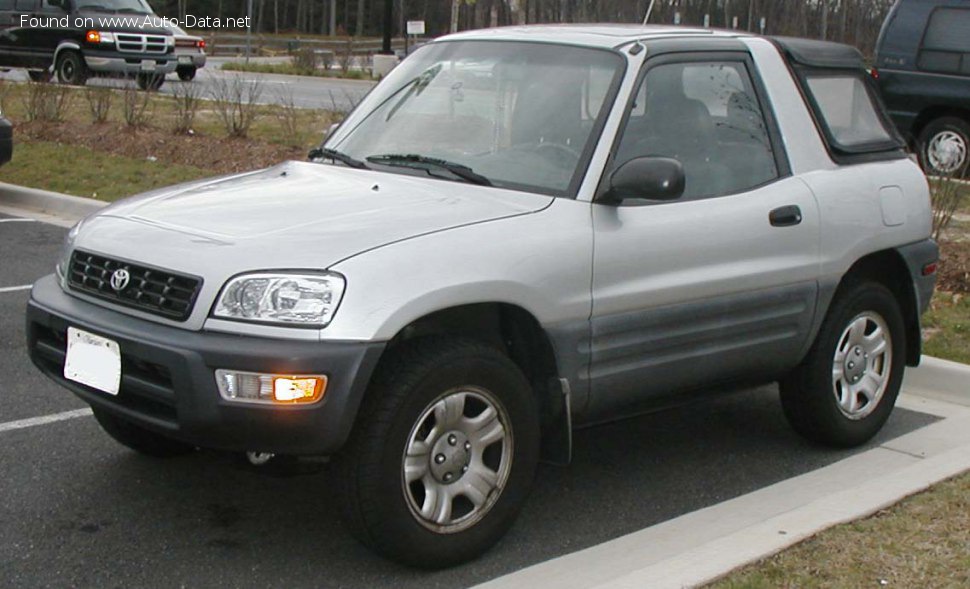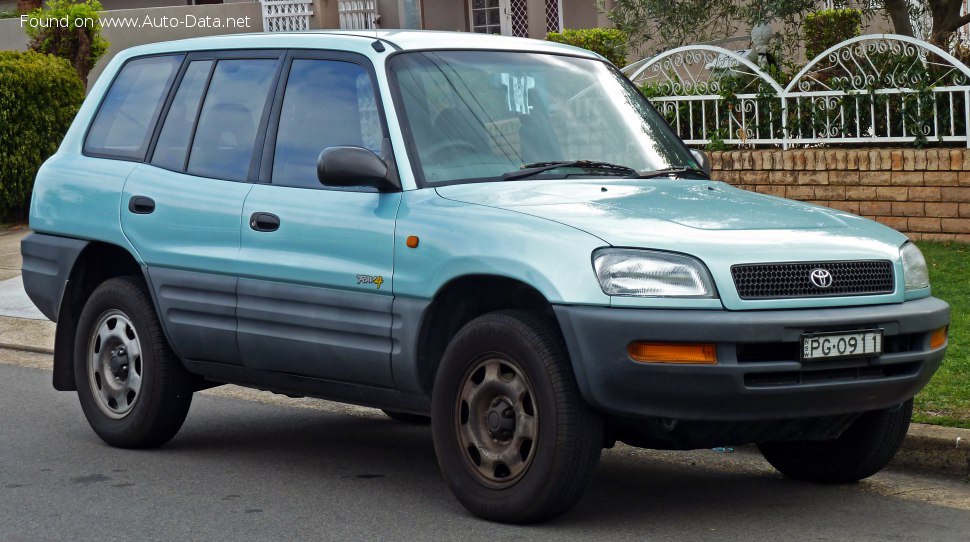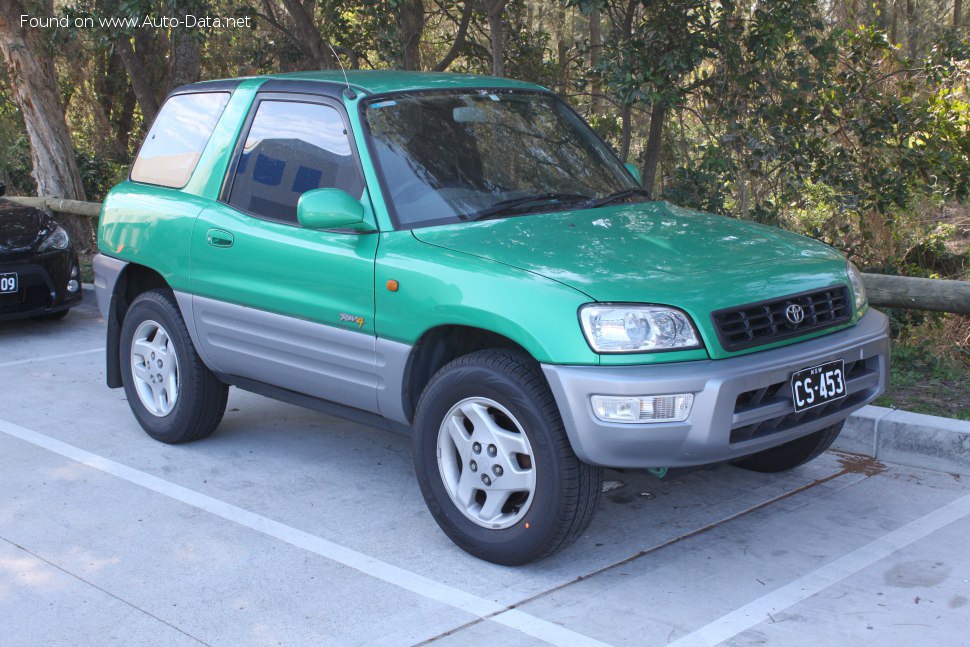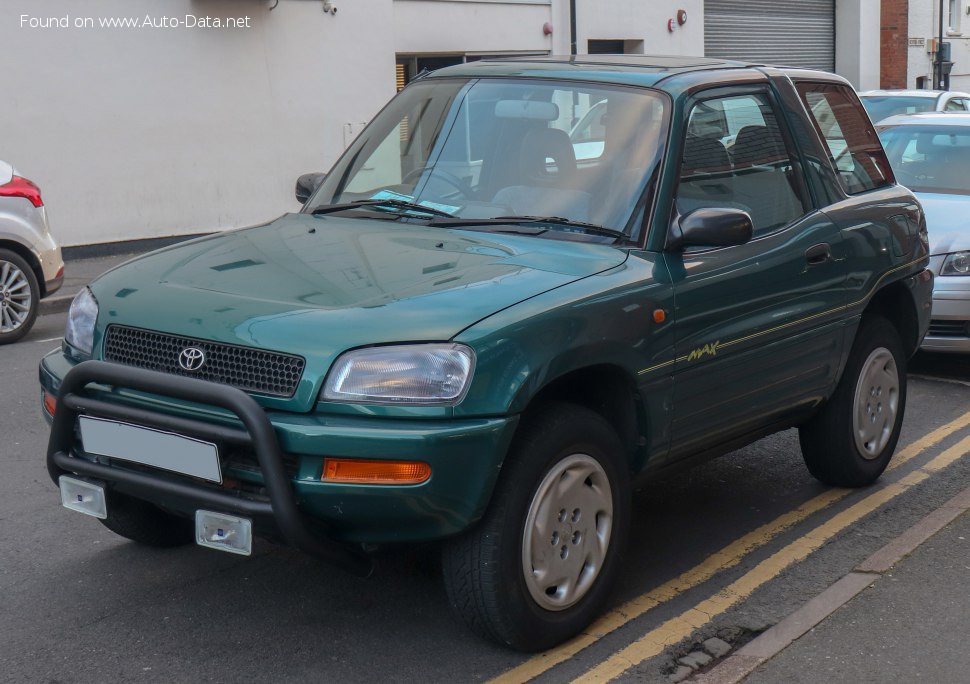
The Toyota RAV4 I (XA10) 3-door 2.0i 16V (129 Hp) 4WD represents a pivotal moment in automotive history, marking the inception of the modern compact sport utility vehicle (SUV) or crossover. Introduced in 1994, the first-generation RAV4 (XA10 series) was a groundbreaking vehicle that blurred the lines between traditional off-roaders and passenger cars. It offered a compelling blend of SUV-like styling, elevated driving position, and available all-wheel drive, combined with the comfortable ride and nimble handling typically associated with smaller sedans. This particular variant, the 3-door 2.0i 16V with 129 horsepower and 4WD, was a popular choice across various markets, including North America, where it was marketed as a “Recreational Activity Vehicle: 4-wheel drive.” Its innovative concept helped to define a new vehicle segment that would eventually dominate global automotive sales.
Engine & Performance of the RAV4 I (XA10)
At the heart of the Toyota RAV4 I (XA10) 3-door 2.0i 16V (129 Hp) 4WD was Toyota’s robust and reliable 3S-FE engine. This 2.0-liter (1998 cm3 or 121.93 cubic inches) inline four-cylinder powerplant was renowned for its durability and smooth operation. Featuring a Double Overhead Camshaft (DOHC) valvetrain with four valves per cylinder, it was designed for efficient combustion and a broad powerband. The engine utilized a multi-port manifold injection system and was naturally aspirated, delivering a respectable 129 horsepower at 5600 rpm. Torque output stood at 129.07 lb.-ft. (175 Nm) at 4600 rpm, providing ample thrust for both city driving and light off-road excursions.
Power was delivered to all four wheels via a conventional 5-speed manual transmission, a choice that emphasized driver engagement and control, particularly appealing to enthusiasts and those seeking a more direct connection to the vehicle. The permanent all-wheel-drive system ensured confident traction on varied surfaces, from wet pavement to unpaved trails. Performance figures reflected its utilitarian yet sprightly character: the RAV4 could achieve a top speed of 108.12 mph (174 km/h). Fuel economy was competitive for its era and segment, with an estimated combined rating of 24.2 US mpg (9.7 l/100 km), demonstrating a balance between capability and everyday usability. The relatively low curb weight of 2594.84 lbs (1177 kg) contributed to its agile feel and decent power-to-weight ratio of 109.6 Hp per tonne.
Design & Features of the RAV4 I (XA10)
The design of the first-generation RAV4 I (XA10) was distinctive and instantly recognizable. The 3-door variant, in particular, exuded a sporty and youthful appeal, contrasting with the more conventional and often boxier SUVs of its time. Its compact dimensions – measuring 145.87 inches (3705 mm) in length, 66.73 inches (1695 mm) in width, and 65.16 inches (1655 mm) in height – made it highly maneuverable in urban environments while still offering a commanding view of the road. The short wheelbase of 86.61 inches (2200 mm) further enhanced its agility and contributed to a tight turning circle of 34.78 feet (10.6 m).
Despite its compact exterior, the RAV4 offered seating for five passengers, though the rear accommodations in the 3-door model were naturally more constrained than in its 5-door sibling. Cargo space was versatile, ranging from 6.11 cubic feet (173 liters) with all seats in use to a maximum of 18.36 cubic feet (520 liters) with the rear seats folded, making it practical for weekend getaways or daily errands. The vehicle featured a relatively high ground clearance of 8.07 inches (205 mm), complemented by impressive approach and departure angles of 37° and 42° respectively, hinting at its light off-road capabilities. The full-size spare tire mounted on the rear tailgate became an iconic styling cue.
Underneath, the RAV4 utilized an independent McPherson strut front suspension and a sophisticated double-wishbone rear suspension, a setup that prioritized on-road comfort and handling over rugged articulation, a clear departure from truck-based SUVs. Braking was handled by 302 mm ventilated discs at the front and 227 mm drums at the rear, providing adequate stopping power. The hydraulic rack-and-pinion power steering system offered precise control and ease of parking.
Technical Specifications
| Category | Specification |
| Brand | Toyota |
| Model | RAV4 |
| Generation | RAV4 I (XA10) 3-door |
| Type (Engine) | 2.0i 16V (129 Hp) 4WD |
| Production Start | 1994 |
| Production End | 2000 |
| Powertrain Architecture | Internal Combustion Engine |
| Body Type | SUV |
| Seats | 5 |
| Doors | 3 |
| Fuel Consumption (Urban) | 10.4 l/100 km |
| Fuel Consumption (Extra Urban) | 7.1 l/100 km |
| Fuel Consumption (Combined) | 9.7 l/100 km |
| Fuel Type | Petrol (Gasoline) |
| Maximum Speed | 174 km/h |
| Weight-to-Power Ratio | 9.1 kg/Hp |
| Engine Specs | |
| Power | 129 Hp @ 5600 rpm |
| Torque | 175 Nm @ 4600 rpm |
| Engine Layout | Front, Transverse |
| Engine Model/Code | 3S-FE |
| Engine Displacement | 1998 cm3 |
| Number of Cylinders | 4 |
| Engine Configuration | Inline |
| Space, Volume & Weights | |
| Kerb Weight | 1177 kg |
| Trunk Space (Min) | 173 l |
| Trunk Space (Max) | 520 l |
| Dimensions | |
| Length | 3705 mm |
| Width | 1695 mm |
| Height | 1655 mm |
| Wheelbase | 2200 mm |
| Drivetrain, Brakes & Suspension | |
| Drive Wheel | All-wheel drive (4×4) |
| Gearbox | 5 gears, manual transmission |
Legacy and Market Impact of the RAV4 I (XA10)
The Toyota RAV4 I (XA10), particularly the 3-door variant, carved out a unique niche in the automotive landscape and left an indelible mark on the industry. It was a true pioneer, effectively inventing the “crossover SUV” segment long before the term became commonplace. Prior to the RAV4, SUVs were largely rugged, truck-based vehicles designed for serious off-roading or heavy hauling. The RAV4 demonstrated that consumers desired the aesthetic, higher driving position, and perceived safety of an SUV, but with the fuel efficiency, comfort, and handling dynamics of a passenger car.
Its success prompted other manufacturers to quickly follow suit, leading to a proliferation of compact SUVs like the Honda CR-V, Subaru Forester, and Suzuki Grand Vitara. These competitors, while strong, often struggled to match the RAV4’s initial impact and reputation for Toyota’s legendary reliability. The first-generation RAV4 was widely praised for its fun-to-drive character, robust build quality, and practical versatility. It appealed to a broad demographic, from young urban dwellers seeking a stylish and adventurous vehicle to small families needing a compact yet capable daily driver.
The RAV4’s legacy is evident in the fact that it remains one of the best-selling vehicles globally, with each subsequent generation building upon the foundational principles established by the XA10. The 3-door model, while eventually phased out in favor of the more practical 5-door configuration, is particularly cherished by enthusiasts for its unique styling and nimble handling. It represents a bold step by Toyota to innovate and predict evolving consumer tastes, ultimately shaping the trajectory of the automotive market for decades to come and cementing its place as an automotive icon.