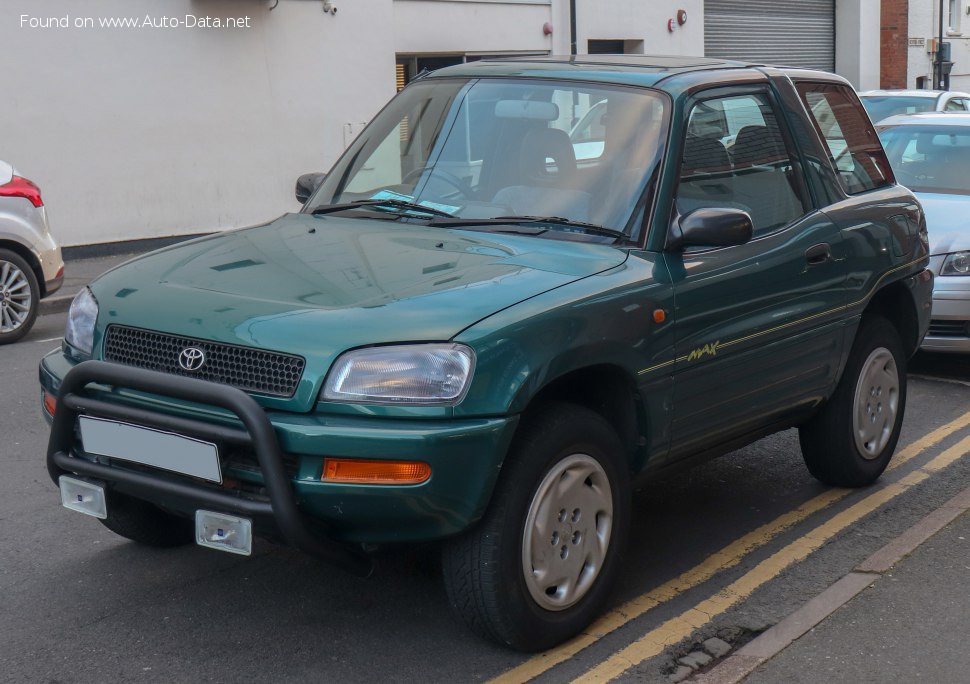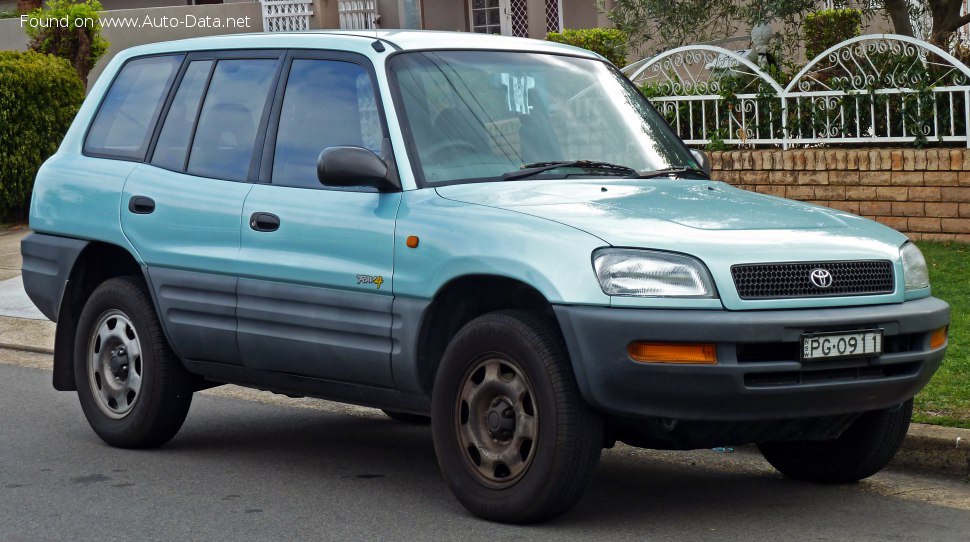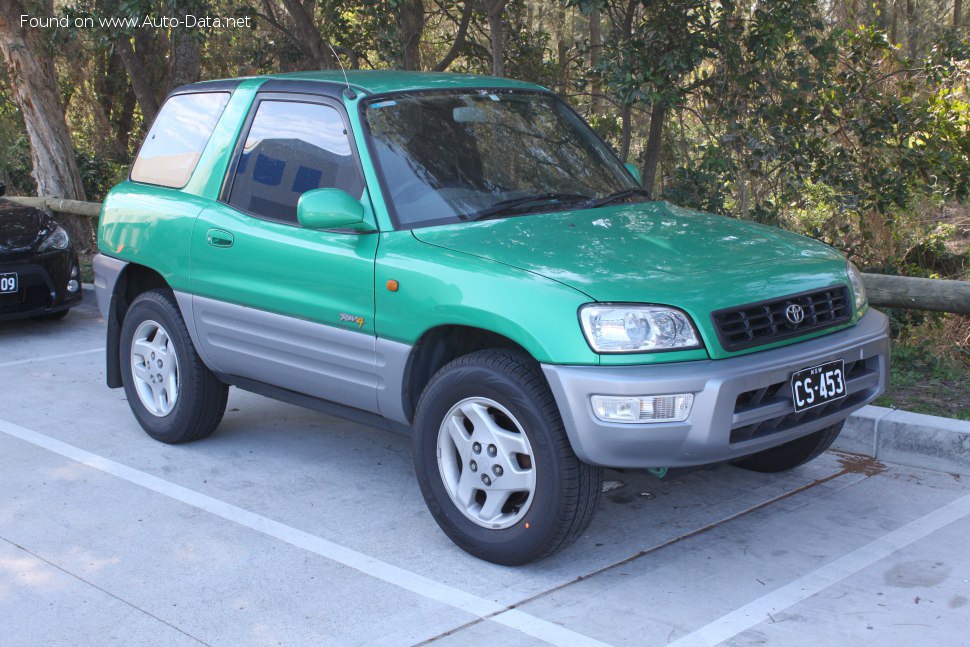
The Toyota RAV4, an acronym for “Recreational Activity Vehicle: 4-wheel drive,” debuted in 1994, marking a pivotal moment in automotive history. It wasn’t merely another SUV; it was a trailblazer, effectively creating the compact sport utility vehicle segment by blending the practicality of a car with the rugged appeal and higher driving position of an SUV. The first generation, internally designated XA10, quickly gained popularity for its car-like handling, fuel efficiency, and versatile interior, a stark contrast to the truck-based SUVs prevalent at the time.
Toyota RAV4 I (XA10, facelift 1997) 3-door: A Refined Pioneer
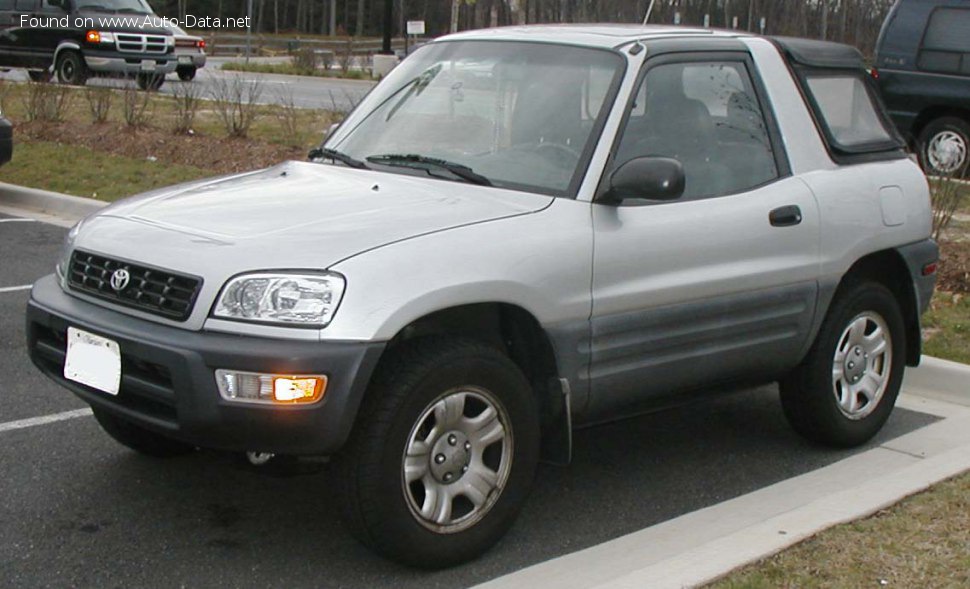
This article focuses on the facelifted 1997 model year of the Toyota RAV4 I (XA10, facelift 1997) 3-door variant, specifically equipped with the 2.0-liter 16V (126 HP) engine and an automatic 4WD transmission. This particular iteration, produced from January 1997 to 2000, represented a refinement of Toyota’s groundbreaking concept, offering improved aesthetics and minor mechanical updates to keep it competitive in a rapidly evolving market. The 3-door body style emphasized its sporty and youthful appeal, targeting urban adventurers and those seeking a more compact, agile vehicle than its larger SUV brethren.
Engine & Performance
Under the hood of the Toyota RAV4 I (XA10, facelift 1997) 3-door resides Toyota’s well-regarded 3S-FE engine, a 2.0-liter (1998 cm3 or 121.93 cu. in.) inline-four cylinder unit. This naturally aspirated, multi-port fuel-injected engine exemplifies Toyota’s dedication to reliability and efficiency. The engine features a DOHC (Double Overhead Camshaft) valvetrain with four valves per cylinder, engineered to deliver a balanced blend of power and smooth operation.
The 3S-FE engine generates 126 horsepower at 5400 rpm, providing sufficient power for the compact SUV. Torque output is rated at 131.29 lb.-ft. (178 Nm) at 4400 rpm, ensuring adequate low-end torque for city driving and light off-road use. A compression ratio of 9.8:1 and a square bore-to-stroke ratio of 86 mm (3.39 in.) each contribute to the engine’s inherent balance and smooth power delivery. Power per liter is a respectable 63.1 HP/l, indicative of its efficient design for the late 1990s.
Power is transferred to all four wheels through a conventional 4-speed automatic transmission, offering ease of use and a relaxed driving experience. The full-time all-wheel-drive (4WD) system, a defining characteristic of the RAV4, enhances traction and stability on slippery surfaces or unpaved roads. This powertrain combination allows the RAV4 to achieve a maximum speed of approximately 105.63 mph (170 km/h), making it suitable for highway travel.
Despite its all-wheel-drive system and automatic transmission, the RAV4 delivers commendable fuel economy for its class. Combined fuel consumption is rated at 24 US mpg (9.8 l/100 km), with extra-urban figures reaching 29 US mpg (8.1 l/100 km). This efficiency, combined with a 15.32 US gallon (58 l) fuel tank, provides a reasonable driving range. The vehicle’s kerb weight of 2656.57 lbs. (1205 kg) results in a favorable weight-to-power ratio of 9.6 kg/Hp, contributing to its sprightly performance.
Design & Features
The 1997 facelift of the Toyota RAV4 I (XA10, facelift 1997) 3-door retains the distinctive, almost playful styling of the first generation, while incorporating subtle refinements. Its compact dimensions – 145.87 inches (3705 mm) in length, 66.73 inches (1695 mm) in width, and 65.35 inches (1660 mm) in height – make it exceptionally maneuverable in urban environments. The short 86.61-inch (2200 mm) wheelbase further enhances its agility and provides a tight turning circle of 32.81 feet (10.0 m).
The 3-door body style, less common in modern SUVs, gives the RAV4 a unique, sporty profile. It features a relatively upright stance, large windows, and an externally mounted spare tire on the tailgate – a design element reminiscent of traditional off-road vehicles, yet integrated with a modern aesthetic. The facelift included updated front and rear fascias, revised headlights and taillights, giving it a more contemporary appearance while preserving its original character.
Inside, the RAV4 offers seating for five occupants, a surprising capacity for a 3-door vehicle of its size. The interior is designed with practicality and durability in mind, utilizing hard-wearing materials suitable for an active lifestyle. While not luxurious, the cabin is ergonomically designed, with easily accessible controls. Cargo versatility is a key strength; the rear seats can be folded or removed to expand the trunk space from a minimum of 6.11 cu. ft. (173 l) to a maximum of 18.36 cu. ft. (520 l), accommodating a variety of items.
For its time, the RAV4 offered a solid set of features. It features independent McPherson strut suspension at the front and a double wishbone setup at the rear, providing a comfortable ride and confident handling. Braking is handled by ventilated discs at the front and drum brakes at the rear. Hydraulic power steering with a rack and pinion system makes parking and low-speed maneuvers effortless. The 215/70 R16 tires mounted on 6.0J x 16 wheel rims provide a good balance of grip and ride comfort. Safety features, while basic by today’s standards, typically included dual airbags and optional anti-lock brakes.
Technical Specifications
| Category | Specification |
| General Information | |
| Brand | Toyota |
| Model | RAV4 |
| Generation | RAV4 I (XA10, facelift 1997) 3-door |
| Engine Type | 2.0i 16V (126 Hp) 4WD Automatic |
| Production Start | January, 1997 |
| Production End | 2000 |
| Powertrain Architecture | Internal Combustion Engine |
| Body Type | SUV |
| Seats | 5 |
| Doors | 3 |
| Performance Specs | |
| Fuel Consumption (Urban) | 18.7 US mpg (12.6 l/100 km) |
| Fuel Consumption (Extra Urban) | 29 US mpg (8.1 l/100 km) |
| Fuel Consumption (Combined) | 24 US mpg (9.8 l/100 km) |
| Fuel Type | Petrol (Gasoline) |
| Maximum Speed | 105.63 mph (170 km/h) |
| Weight-to-Power Ratio | 9.6 kg/Hp (104.6 Hp/tonne) |
| Weight-to-Torque Ratio | 6.8 kg/Nm (147.7 Nm/tonne) |
| Engine Specs | |
| Power | 126 Hp @ 5400 rpm |
| Power per Liter | 63.1 Hp/l |
| Torque | 131.29 lb.-ft. (178 Nm) @ 4400 rpm |
| Engine Layout | Front, Transverse |
| Engine Model/Code | 3S-FE |
| Engine Displacement | 121.93 cu. in. (1998 cm3) |
| Number of Cylinders | 4 |
| Engine Configuration | Inline |
| Cylinder Bore | 3.39 in. (86 mm) |
| Piston Stroke | 3.39 in. (86 mm) |
| Compression Ratio | 9.8:1 |
| Valves per Cylinder | 4 |
| Fuel Injection System | Multi-port manifold injection |
| Engine Aspiration | Naturally aspirated |
| Valvetrain | DOHC |
| Engine Oil Capacity | 4.33 US qt (4.1 l) |
| Coolant Capacity | 8.14 US qt (7.7 l) |
| Space, Volume and Weights | |
| Kerb Weight | 2656.57 lbs. (1205 kg) |
| Trunk Space (Minimum) | 6.11 cu. ft. (173 l) |
| Trunk Space (Maximum) | 18.36 cu. ft. (520 l) |
| Fuel Tank Capacity | 15.32 US gal (58 l) |
| Permitted Trailer Load (with brakes) | 3306.93 lbs. (1500 kg) |
| Dimensions | |
| Length | 145.87 in. (3705 mm) |
| Width | 66.73 in. (1695 mm) |
| Height | 65.35 in. (1660 mm) |
| Wheelbase | 86.61 in. (2200 mm) |
| Front Track | 57.48 in. (1460 mm) |
| Rear Track | 57.68 in. (1465 mm) |
| Minimum Turning Circle | 32.81 ft. (10.0 m) |
| Drivetrain, Brakes and Suspension | |
| Drive Wheel | All-wheel drive (4×4) |
| Gearbox Type | 4 gears, automatic transmission |
| Front Suspension | Independent type McPherson |
| Rear Suspension | Double wishbone |
| Front Brakes | Ventilated discs |
| Rear Brakes | Drum |
| Steering Type | Steering rack and pinion |
| Power Steering | Hydraulic Steering |
| Tires Size | 215/70 R16 |
| Wheel Rims Size | 6.0J x 16 |
Legacy and Market Impact
The Toyota RAV4’s introduction in the mid-1990s was revolutionary. It arrived when SUVs were largely perceived as rugged, truck-based vehicles, often with cumbersome handling and poor fuel economy. The RAV4 redefined the segment by offering a more car-like driving experience, superior fuel efficiency, and a compact footprint, pioneering what would eventually become known as the “crossover SUV” or “CUV.” The Toyota RAV4 I (XA10, facelift 1997) 3-door, in particular, embodied the more adventurous and sporty side of this new category.
Its immediate success spurred other manufacturers to follow suit. Competitors like the Honda CR-V and the Subaru Forester also aimed at the burgeoning compact SUV market, validating Toyota’s foresight. However, the RAV4 distinguished itself with its sporty styling, especially in the 3-door variant, and its robust Toyota build quality. In its primary markets, including North America, Europe, and Asia, the RAV4 quickly became a best-seller, appealing to a broad demographic.
The RAV4’s legacy is immense. It normalized the idea of a unibody SUV, demonstrating that off-road capability wasn’t the only reason for SUV ownership. Instead, it highlighted attributes like elevated seating, all-weather capability, flexible cargo space, and a sense of adventure. The first generation, including the facelifted XA10, established the RAV4’s reputation for exceptional reliability and durability. These early models are still prized by enthusiasts for their longevity and low maintenance costs.
The impact of the original RAV4 cannot be overstated. It laid the groundwork for the modern crossover craze, influencing countless subsequent designs and setting the benchmark for what consumers expected from a compact SUV. The 3-door variant, while eventually phased out, remains a distinctive and cherished part of the RAV4’s history, representing a bold interpretation of a segment that Toyota almost single-handedly invented. Its mechanical simplicity, coupled with Toyota’s engineering prowess, ensured its enduring appeal and cemented its place as an automotive icon. The 1997 facelift of the RAV4 I (XA10) 3-door stands as a significant chapter in the evolution of the global automotive landscape.