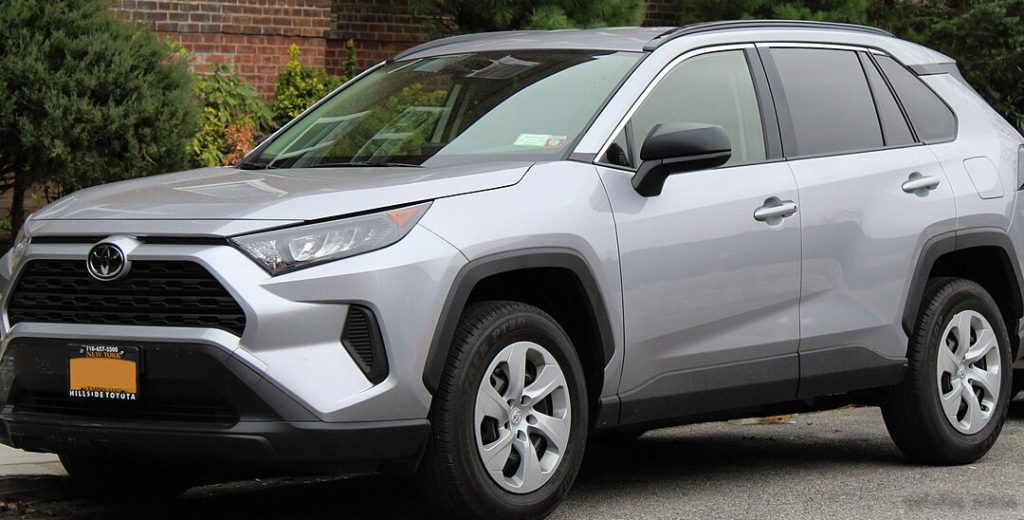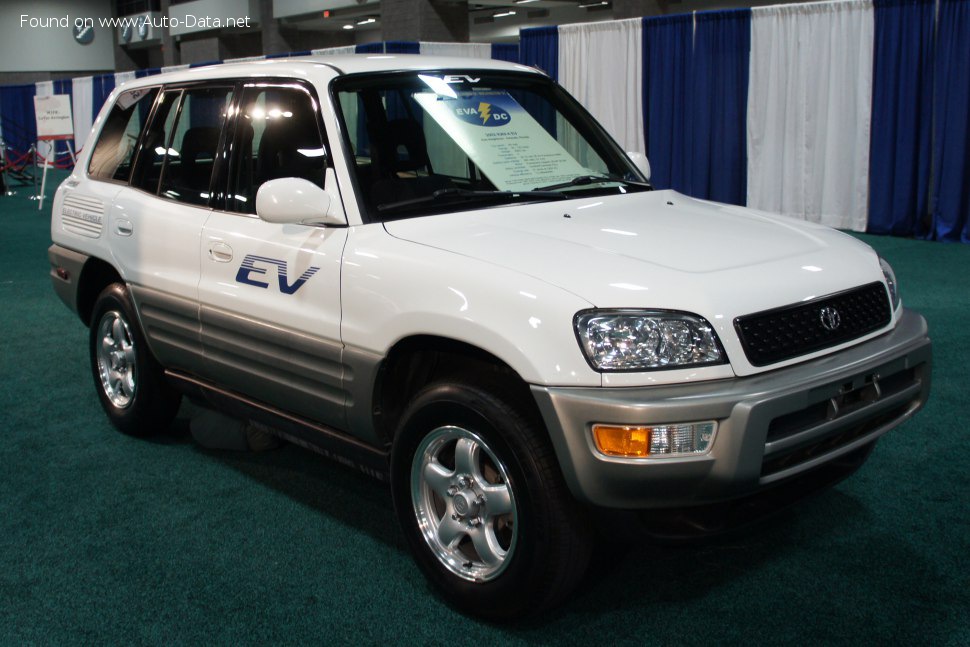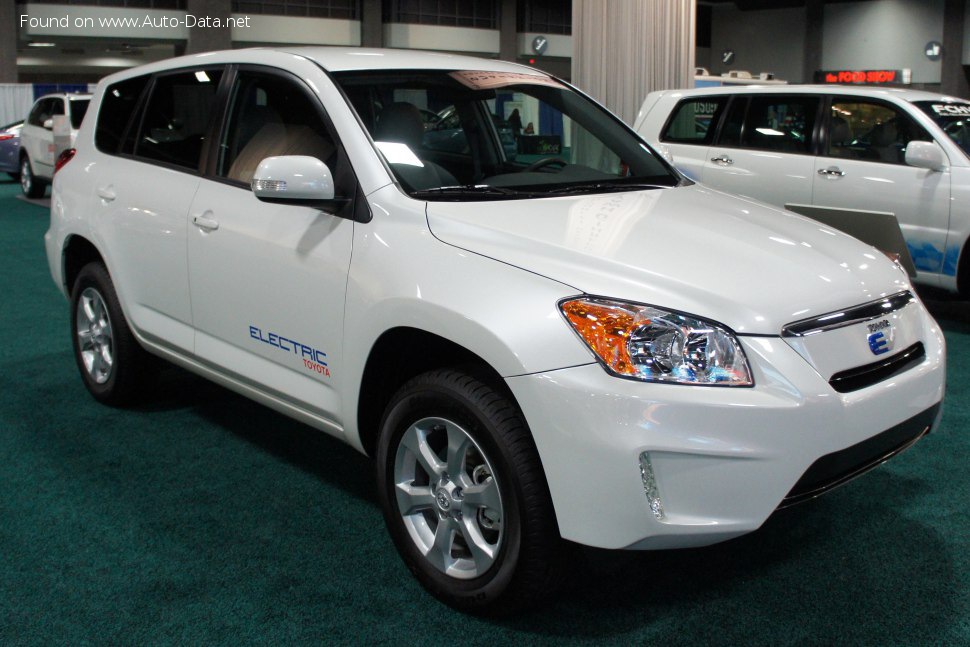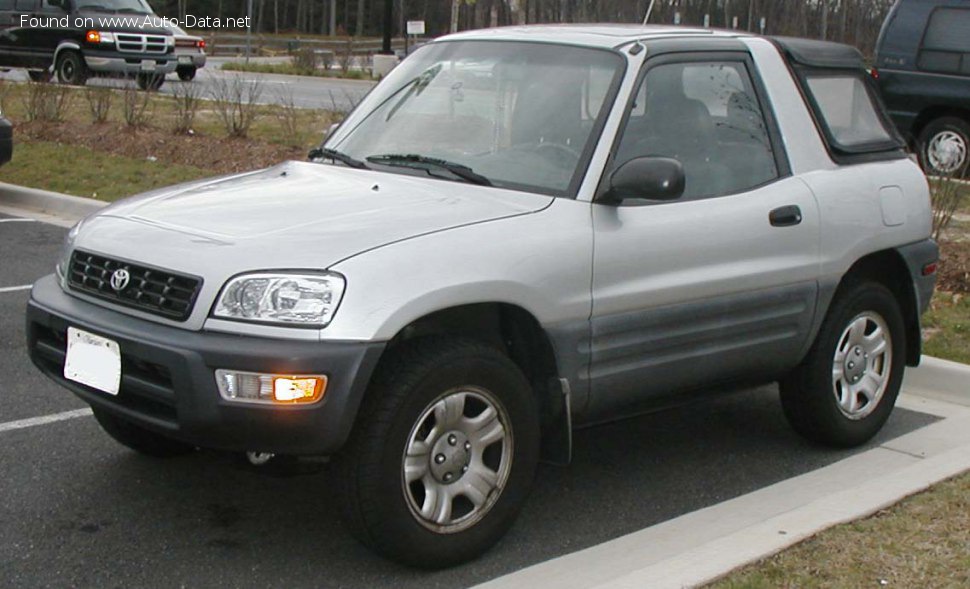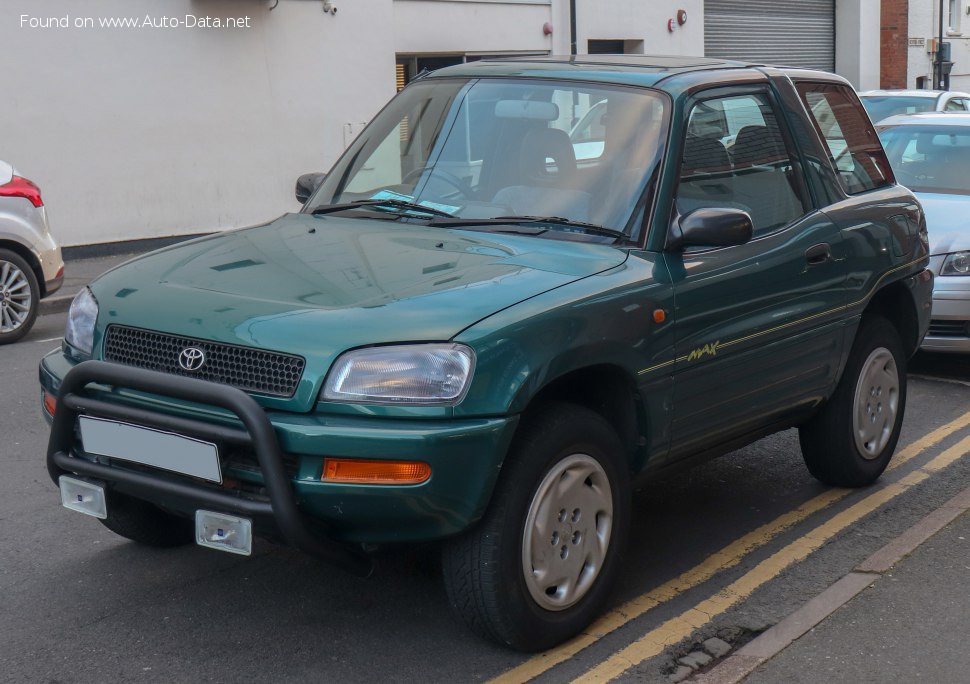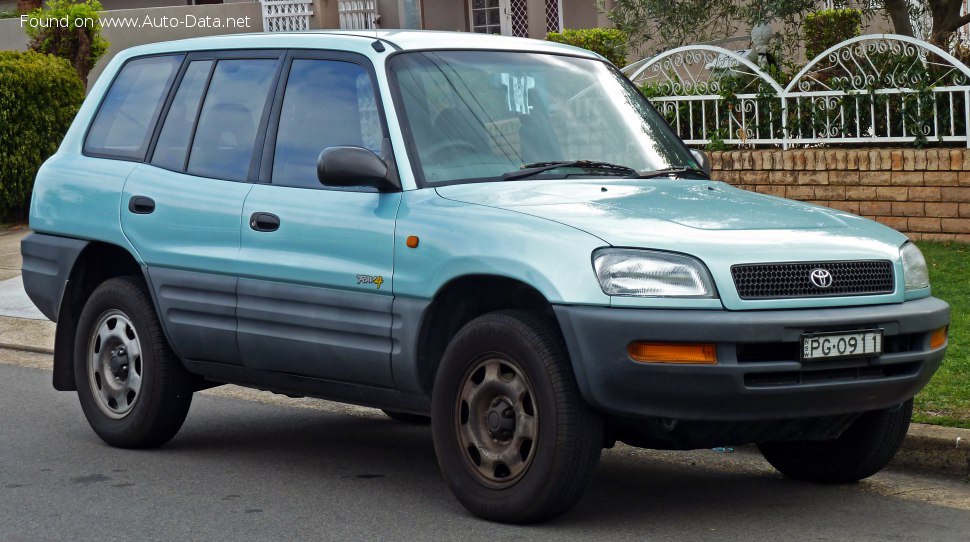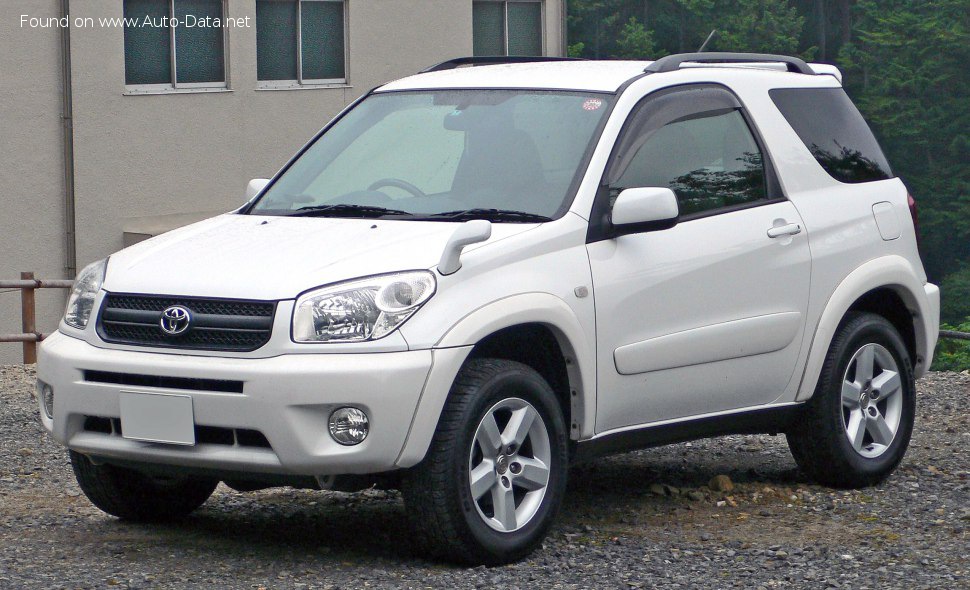
The Toyota RAV4, or “Recreational Activity Vehicle: 4-wheel drive,” originally launched in 1994, is widely credited with pioneering the compact crossover SUV segment. The second generation, designated XA20, built upon this legacy, offering a more refined and capable package. This article focuses on a particularly interesting variant: the Toyota RAV4 II (XA20, facelift 2003) 3-door 1.8 VVTi (125 Hp). Introduced following a mid-cycle refresh in December 2003 and produced until January 2006, this model represented a strategic offering for specific global markets, particularly in Europe and parts of Asia, where a compact, fuel-efficient, and maneuverable urban SUV was highly valued. While the RAV4 was a significant player in the American market, the 3-door 1.8-liter front-wheel-drive configuration was less common in the U.S., which typically favored larger engines and all-wheel-drive options. Nevertheless, this variant perfectly encapsulated Toyota’s commitment to diverse market needs, providing a practical, stylish, and economical choice for a growing demographic seeking SUV aesthetics without the bulk or expense of larger, more traditional utility vehicles.
Engine & Performance of the Toyota RAV4 II (XA20, facelift 2003) 3-door 1.8 VVTi (125 Hp)
The Toyota RAV4 II (XA20, facelift 2003) 3-door 1.8 VVTi (125 Hp) was powered by Toyota’s 1ZZ-FE engine, a naturally aspirated, inline-four gasoline unit. This engine featured a Double Overhead Camshaft (DOHC) valvetrain and Variable Valve Timing intelligent (VVT-i) technology. VVT-i dynamically adjusts valve timing to optimize power delivery and fuel efficiency across the engine’s operating range. Displacing 1.8 liters (1794 cm³ or 109.48 cu. in.), the engine produced 125 horsepower at 6000 rpm and 118.75 lb.-ft. (161 Nm) of torque at 4200 rpm. This output provided sufficient power for urban driving and moderate highway use.
Power was transmitted to the front wheels through a 5-speed manual transmission, a popular choice in markets outside the U.S. due to its efficiency and driver engagement. The vehicle’s relatively light curb weight of 2634.52 lbs. (1195 kg) contributed to a weight-to-power ratio of 9.6 kg/Hp, or approximately 104.6 Hp per tonne. Performance figures included a 0 to 60 mph acceleration time of 11.6 seconds and a top speed of 108.74 mph (175 km/h). While not designed for high performance, these figures were adequate for its intended purpose as a practical daily driver.
Fuel economy was a key strength of this model. Toyota quoted fuel consumption figures of 25 US mpg (9.4 l/100 km) in urban conditions, 37.9 US mpg (6.2 l/100 km) on the open road, and a combined rating of 31.8 US mpg (7.4 l/100 km). These figures were competitive for its class and offered a compelling balance between SUV utility and sedan-like running costs. The engine also met the Euro 3 emission standard, demonstrating compliance with contemporary environmental regulations.
Design & Features
The 2003 facelift brought subtle styling enhancements to the RAV4 II, improving its overall appeal. The 3-door variant offered a sportier and more agile aesthetic compared to the 5-door model. Its dimensions – 150.59 inches (3825 mm) in length, 68.31 inches (1735 mm) in width, and 65.75 inches (1670 mm) in height, with an 89.76-inch (2280 mm) wheelbase – were optimized for maneuverability in urban environments. The compact size made parking and navigating congested streets easier.
Despite its small footprint, the RAV4 II 3-door accommodated four occupants. The interior, while not luxurious by modern standards, was ergonomically designed and built to Toyota’s reputation for durability. Practicality was a key feature, with a minimum trunk (boot) space of 5.3 cu. ft. (150 liters) expanding to 27.05 cu. ft. (766 liters) with the rear seats folded. A maximum roof load capacity of 220.46 lbs. (100 kg) further enhanced its utility.
The RAV4 II featured an independent McPherson strut front suspension with coil springs and an anti-roll bar, paired with a double wishbone rear suspension. This setup provided a comfortable ride and stable handling. Braking was handled by ventilated discs at the front and solid discs at the rear, supplemented by an Anti-lock Braking System (ABS) for enhanced safety. The hydraulic rack and pinion steering offered direct and communicative feedback. The vehicle rode on 215/70 R16 tires mounted on 6.5J x 16 wheel rims, providing a balance of grip and ride comfort.
Technical Specifications
| Category | Specification |
| Brand | Toyota |
| Model | RAV4 |
| Generation | RAV4 II (XA20, facelift 2003) 3-door |
| Type (Engine) | 1.8 VVTi (125 Hp) |
| Start of production | December, 2003 |
| End of production | January, 2006 |
| Powertrain Architecture | Internal Combustion engine |
| Body type | SUV |
| Seats | 4 |
| Doors | 3 |
| Fuel consumption (economy) – urban | 9.4 l/100 km (25 US mpg) |
| Fuel consumption (economy) – extra urban | 6.2 l/100 km (37.9 US mpg) |
| Fuel consumption (economy) – combined | 7.4 l/100 km (31.8 US mpg) |
| CO2 emissions | 175 g/km |
| Fuel Type | Petrol (Gasoline) |
| Acceleration 0 – 60 mph | 11.6 sec |
| Acceleration 0 – 100 km/h | 12.2 sec |
| Maximum speed | 175 km/h (108.74 mph) |
| Emission standard | Euro 3 |
| Weight-to-power ratio | 9.6 kg/Hp (104.6 Hp/tonne) |
| Engine Power | 125 Hp @ 6000 rpm |
| Engine Torque | 161 Nm @ 4200 rpm (118.75 lb.-ft. @ 4200 rpm) |
| Engine displacement | 1794 cm3 (109.48 cu. in.) |
| Kerb Weight | 1195 kg (2634.52 lbs.) |
| Trunk (boot) space – minimum | 150 l (5.3 cu. ft.) |
| Trunk (boot) space – maximum | 766 l (27.05 cu. ft.) |
Legacy and Market Impact
The Toyota RAV4 II (XA20), and specifically the facelifted 3-door 1.8 VVTi variant, solidified the RAV4’s reputation as a versatile and reliable compact SUV. While the 3-door configuration may seem niche today, it was a significant offering in the early 2000s, particularly in Europe, where urban congestion and fuel costs made larger SUVs less appealing. This smaller, more agile version competed with models like the Suzuki Vitara and Honda CR-V, establishing a segment for buyers seeking SUV styling and a higher driving position without the expense of a full-sized SUV.
Its front-wheel-drive architecture and efficient 1.8-liter engine reflected a growing consumer preference for “soft-roaders” – vehicles that combined car-like driving dynamics and fuel economy with the rugged image of an SUV. Toyota’s renowned build quality and reliability ensured strong resale values and a loyal customer base. The 3-door model, with its distinctive profile, offered a more youthful and sporty alternative to the 5-door version, appealing to individuals seeking a compact vehicle with enhanced cargo flexibility.
The success of models like the Toyota RAV4 II (XA20, facelift 2003) 3-door 1.8 VVTi (125 Hp) paved the way for the expansion of the compact crossover segment. It demonstrated that consumers desired vehicles that blurred traditional automotive lines, offering a blend of car, wagon, and SUV attributes. Its legacy lies not only in its sales figures but in its contribution to shaping an entire vehicle category, proving that utility could be delivered in a compact, efficient, and stylish package – a philosophy that continues to influence the automotive industry today.