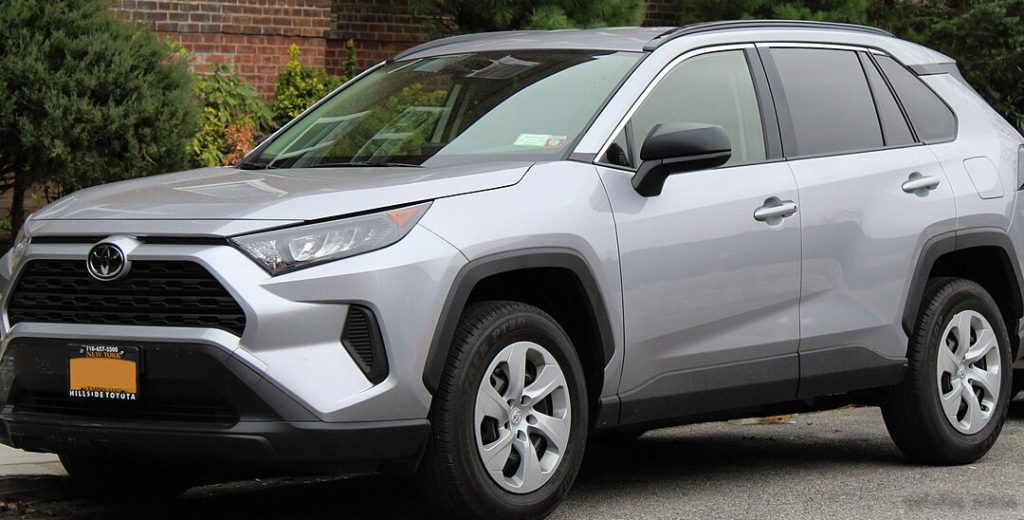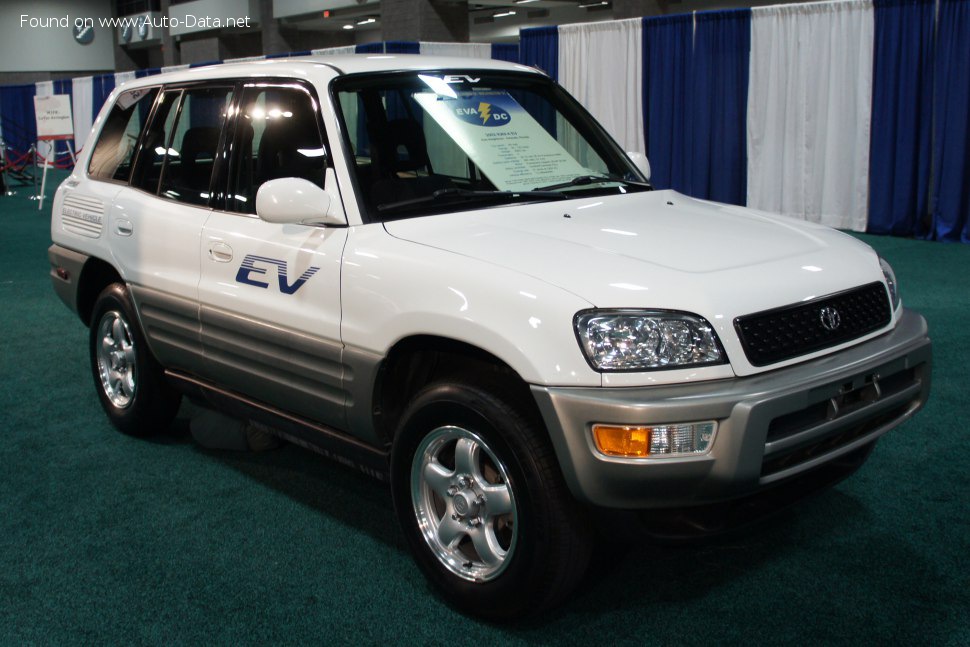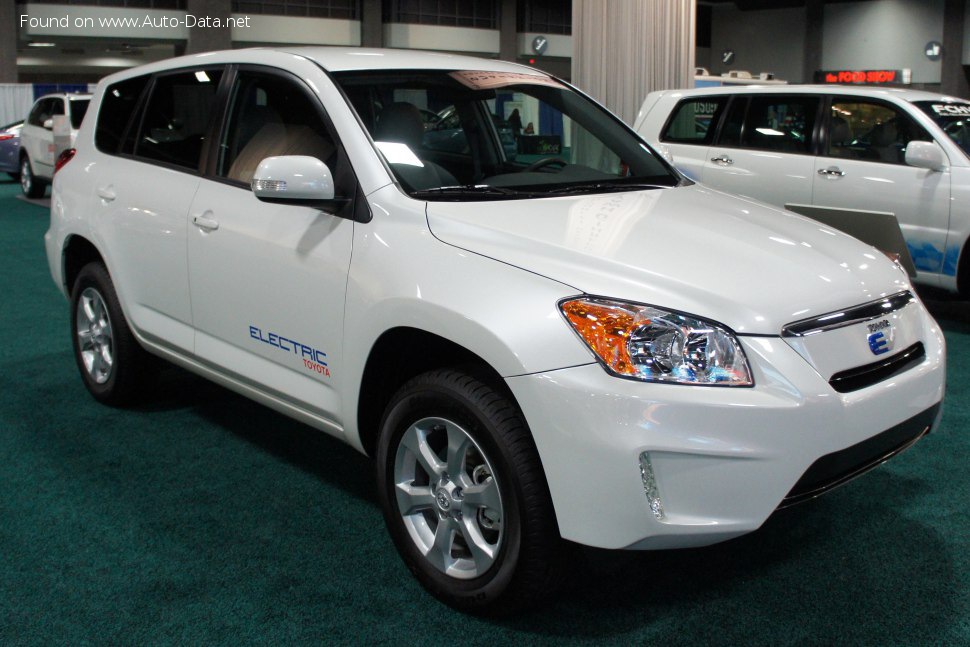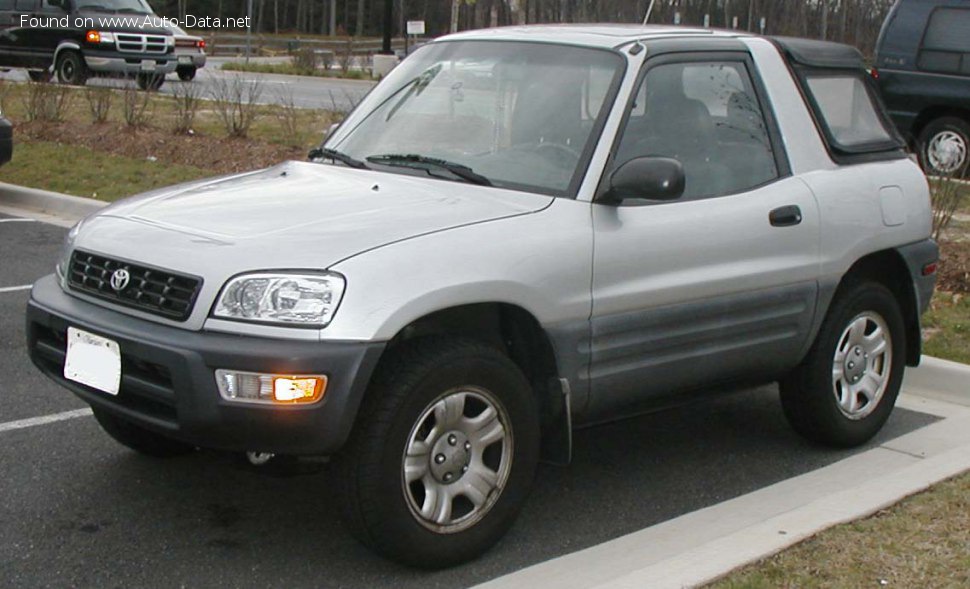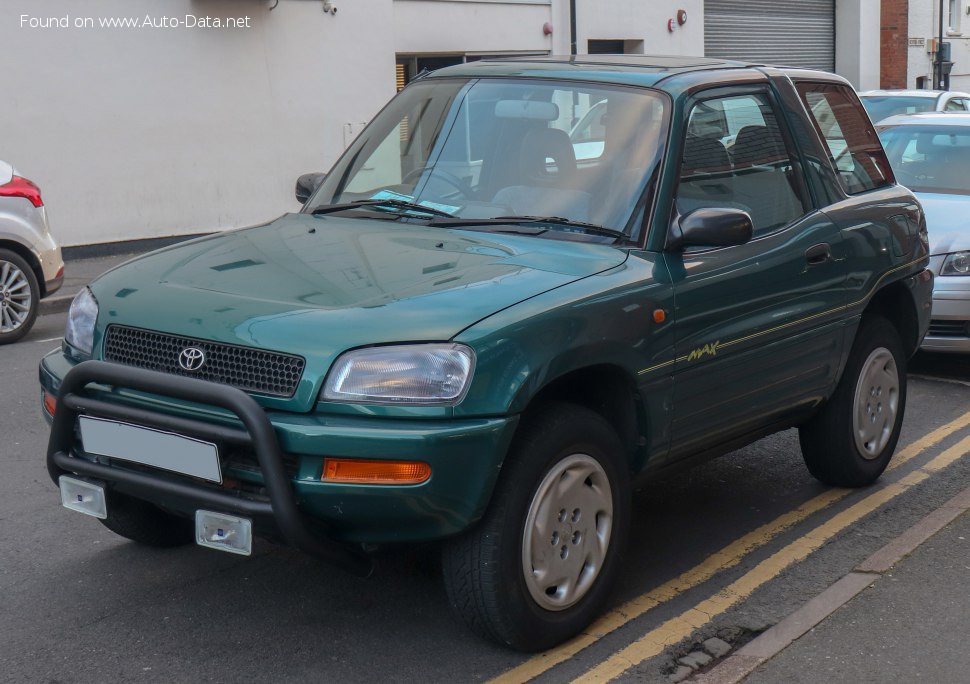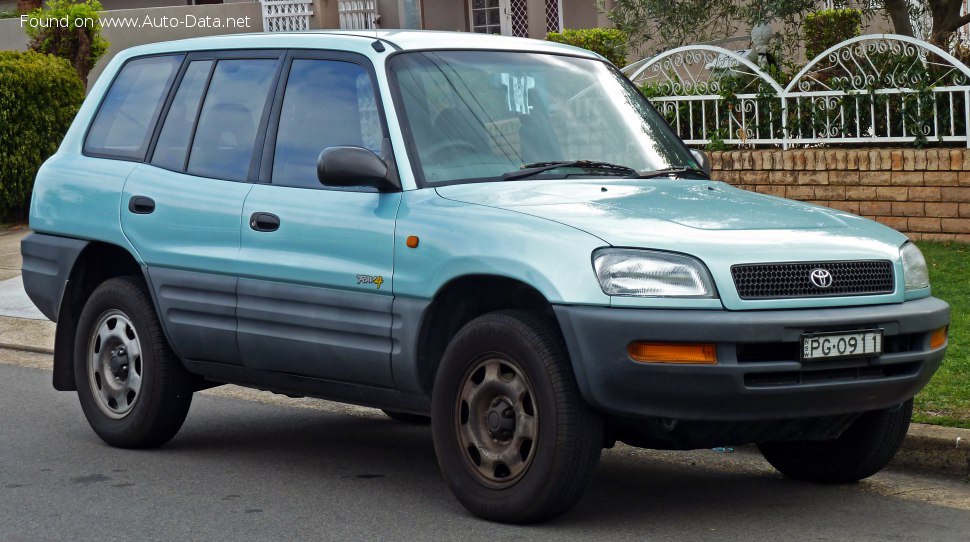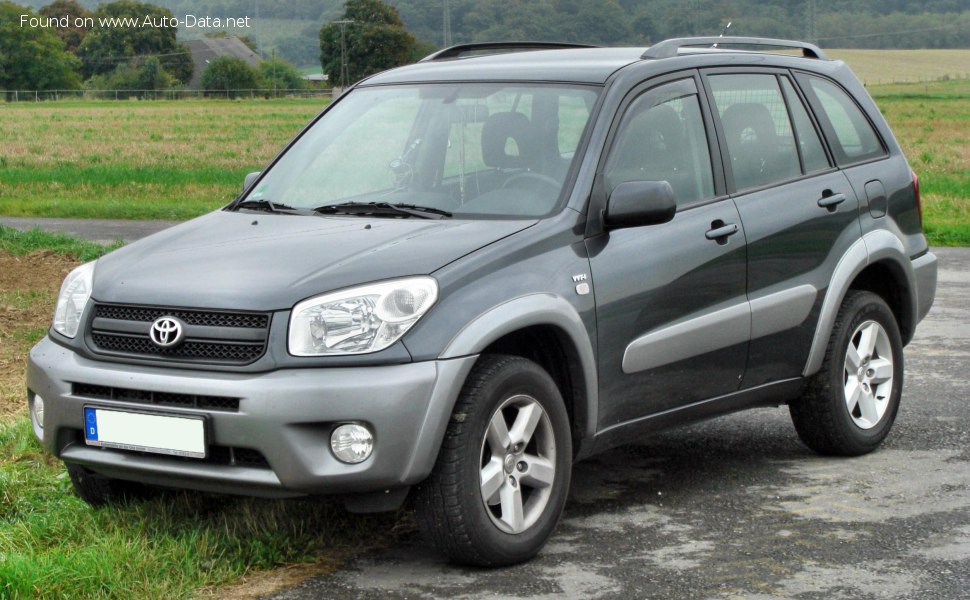
The Toyota RAV4 II (XA20, facelift 2003) 5-door 2.0 16V D-4D (116 Hp) 4WD represents a significant iteration in the evolution of Toyota’s pioneering compact SUV. Introduced as a facelift to the XA20 series in December 2003 and produced through January 2006, this model built upon the success of the original RAV4, offering a more refined and versatile package tailored to the demands of global markets. While the RAV4 nameplate is universally recognized, this specific diesel-powered, all-wheel-drive configuration was primarily marketed in Europe and Asia, where diesel engines were favored for their fuel efficiency and torque characteristics. The RAV4, an acronym for “Recreational Activity Vehicle: 4-wheel drive,” originally launched in 1994 and quickly established a new segment, bridging the gap between traditional SUVs and passenger cars.
Toyota RAV4 II (XA20, Facelift 2003): A Global Compact SUV
The second-generation RAV4, the XA20, moved away from the overtly utilitarian aesthetic of the first generation, adopting a more car-like design while retaining its off-road capability. The 2003 facelift brought subtle but important updates, enhancing both the exterior styling and interior refinement. This version of the RAV4 was designed to appeal to a broad audience seeking a practical, reliable, and capable vehicle for both urban commuting and recreational pursuits. Its success stemmed from Toyota’s commitment to quality, durability, and a pragmatic approach to vehicle design.
Engine & Performance
The heart of the Toyota RAV4 II (XA20, facelift 2003) 2.0 D-4D 4WD is the 1CD-FTV engine, a 2.0-liter (1995 cm3 or 121.74 cubic inches) inline-four diesel engine. This 16-valve D-4D (Direct Injection 4-stroke Common Rail Diesel) powertrain showcases Toyota’s expertise in diesel technology. It features a common rail fuel injection system, a turbocharger, and an intercooler, all working in concert to optimize both performance and fuel efficiency. The engine produces 116 horsepower at 4000 rpm and a substantial 184.39 lb.-ft. of torque at 1800 rpm. This low-end torque delivery provides strong acceleration from a standstill and contributes to the vehicle’s responsiveness in various driving conditions.
Power is transmitted to all four wheels through a robust 5-speed manual transmission, giving the driver direct control over the vehicle’s output. The all-wheel-drive (4×4) system enhances traction and stability, particularly on slippery surfaces or unpaved roads, aligning with the RAV4’s intended versatility. Performance figures include a 0 to 60 mph acceleration time of 11.5 seconds and a top speed of 105.63 mph (170 km/h). Notably, fuel economy is a strong point, with combined figures reaching 33.1 US mpg (7.1 l/100 km). Urban driving yields 26.4 US mpg (8.9 l/100 km), while highway driving can achieve up to 38.6 US mpg (6.1 l/100 km). CO2 emissions are rated at 190 g/km, meeting Euro 3 emission standards. The engine requires 6.23 US quarts (5.9 liters) of oil, reflecting a design focused on longevity and reliability.
Design & Features
The Toyota RAV4 II (XA20, facelift 2003) maintains the popular compact SUV body style, offering a practical 5-door configuration and seating for five passengers. The facelift brought subtle exterior enhancements, including revised front and rear bumpers, updated grille designs, and new headlight and taillight clusters. The overall aesthetic is rugged yet approachable, appealing to a wide range of buyers. The vehicle’s dimensions are 166.14 inches in length, 68.31 inches in width, and 66.54 inches in height, with a wheelbase of 98.03 inches. These compact dimensions contribute to its maneuverability in urban environments.
The interior of the RAV4 II is functional and ergonomically designed. The 5-seat layout provides comfortable accommodation, while the cargo area is versatile. Minimum trunk space is 14.13 cubic feet (400 liters), expanding to 40.61 cubic feet (1150 liters) with the rear seats folded. The maximum payload capacity is 1069.24 pounds (485 kg), and it can tow up to 3306.93 pounds (1500 kg) with brakes. The suspension system consists of an independent McPherson strut setup with coil springs and an anti-roll bar at the front, and a double wishbone rear suspension, providing a comfortable ride and stable handling. Braking is handled by ventilated discs at the front and solid discs at the rear, with ABS for enhanced safety. The vehicle rides on 215/70 R16 tires mounted on 6.5J x 16-inch wheel rims.
Technical Specifications
| Category | Specification |
| General Information | |
| Brand | Toyota |
| Model | RAV4 |
| Generation | RAV4 II (XA20, facelift 2003) 5-door |
| Type (Engine) | 2.0 16V D-4D (116 Hp) 4WD |
| Start of Production | December, 2003 |
| End of Production | January, 2006 |
| Powertrain Architecture | Internal Combustion Engine |
| Body Type | SUV |
| Seats | 5 |
| Doors | 5 |
| Performance Specs | |
| Fuel Consumption (Urban) | 8.9 l/100 km (26.4 US mpg) |
| Fuel Consumption (Extra Urban) | 6.1 l/100 km (38.6 US mpg) |
| Fuel Consumption (Combined) | 7.1 l/100 km (33.1 US mpg) |
| CO2 Emissions | 190 g/km |
| Fuel Type | Diesel |
| Acceleration 0 – 60 mph | 11.5 seconds |
| Acceleration 0 – 62 mph (100 km/h) | 12.1 seconds |
| Maximum Speed | 105.63 mph (170 km/h) |
| Emission Standard | Euro 3 |
| Weight-to-Power Ratio | 12.5 kg/Hp (80.3 Hp/tonne) |
| Weight-to-Torque Ratio | 5.8 kg/Nm (173 Nm/tonne) |
| Engine Specs | |
| Power | 116 Hp @ 4000 rpm |
| Power per Liter | 58.1 Hp/l |
| Torque | 250 Nm (184.39 lb.-ft.) @ 1800 rpm |
| Engine Layout | Front, Transverse |
| Engine Model/Code | 1CD-FTV |
| Engine Displacement | 1995 cm3 (2.0 liters / 121.74 cu. in.) |
| Number of Cylinders | 4 |
| Engine Configuration | Inline |
| Cylinder Bore | 82.2 mm (3.24 in.) |
| Piston Stroke | 94 mm (3.7 in.) |
| Compression Ratio | 18.6:1 |
| Number of Valves per Cylinder | 4 |
| Fuel Injection System | Diesel Commonrail |
| Engine Aspiration | Turbocharger, Intercooler |
| Valvetrain | DOHC |
| Engine Oil Capacity | 5.9 liters (6.23 US qt) |
| Space, Volume and Weights | |
| Kerb Weight | 1445 kg (3185.68 lbs) |
| Max. Weight | 1930 kg (4254.92 lbs) |
| Max Load | 485 kg (1069.24 lbs) |
| Trunk (Boot) Space – Minimum | 400 liters (14.13 cu. ft.) |
| Trunk (Boot) Space – Maximum | 1150 liters (40.61 cu. ft.) |
| Fuel Tank Capacity | 57 liters (15.06 US gal) |
| Max. Roof Load | 100 kg (220.46 lbs) |
| Permitted Trailer Load with Brakes (12%) | 1500 kg (3306.93 lbs) |
| Permitted Trailer Load without Brakes | 640 kg (1410.96 lbs) |
| Dimensions | |
| Length | 4220 mm (166.14 in.) |
| Width | 1735 mm (68.31 in.) |
| Height | 1690 mm (66.54 in.) |
| Wheelbase | 2490 mm (98.03 in.) |
| Drivetrain, Brakes and Suspension Specs | |
| Drive Wheel | All-wheel drive (4×4) |
| Number of Gears and Type of Gearbox | 5 gears, manual transmission |
| Front Suspension | Independent, type McPherson with coil spring and anti-roll bar |
| Rear Suspension | Double wishbone |
| Front Brakes | Ventilated discs |
| Rear Brakes | Disc |
| Assisting Systems | ABS (Anti-lock Braking System) |
| Steering Type | Steering rack and pinion |
| Power Steering | Hydraulic Steering |
| Tires Size | 215/70 R16 |
| Wheel Rims Size | 6.5J x 16 |
The Toyota RAV4 II (XA20, facelift 2003) played a crucial role in solidifying the RAV4’s position as a leading compact SUV. Its blend of practicality, reliability, and fuel efficiency, particularly with the 2.0 D-4D engine, made it a popular choice in European and Asian markets. The XA20 generation, and specifically this facelifted version, demonstrated Toyota’s ability to adapt to evolving consumer preferences and deliver a vehicle that met the demands of both urban and recreational driving. The RAV4’s legacy continues today, with subsequent generations building upon the foundation of versatility and dependability established by models like the 2003 facelifted XA20.