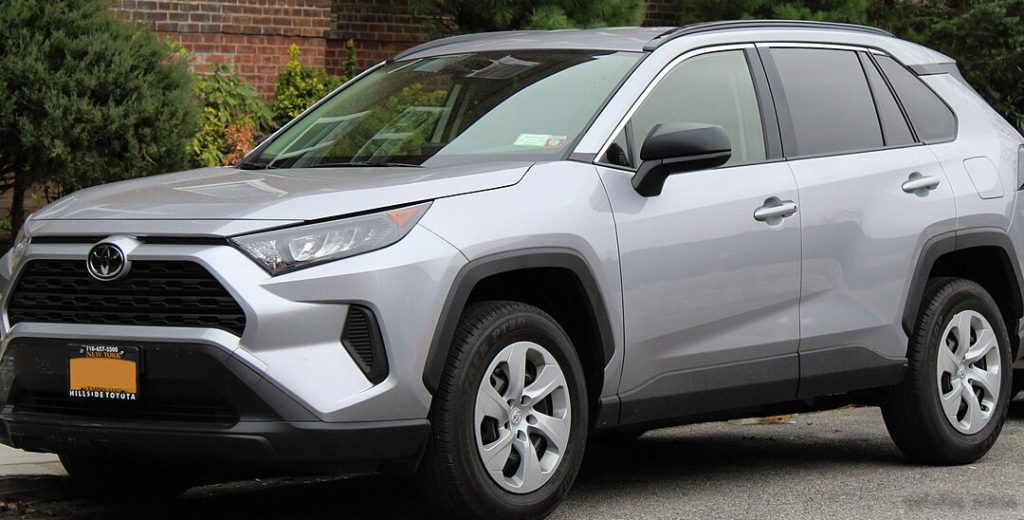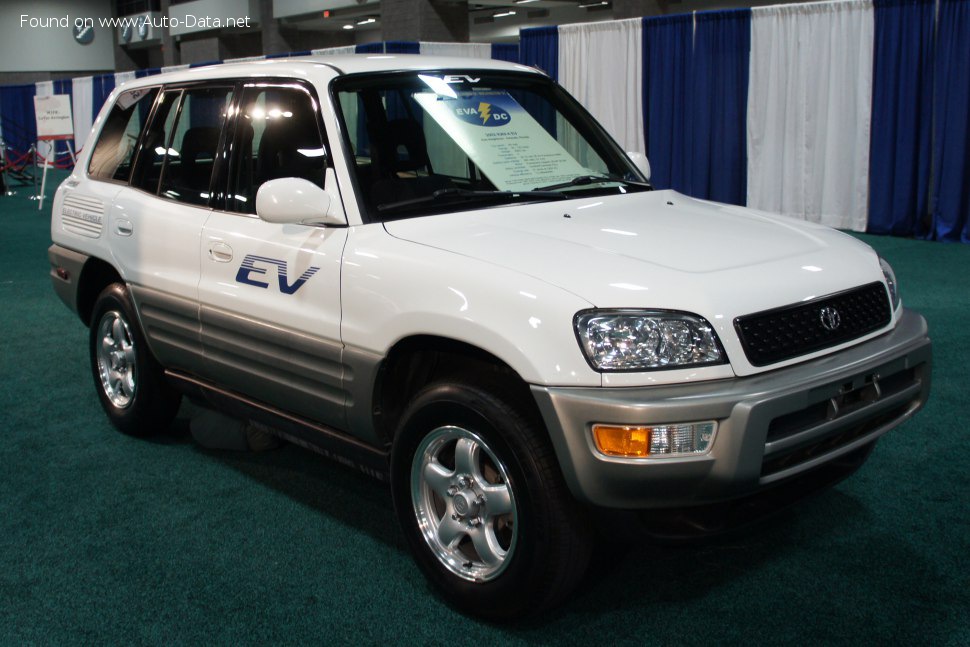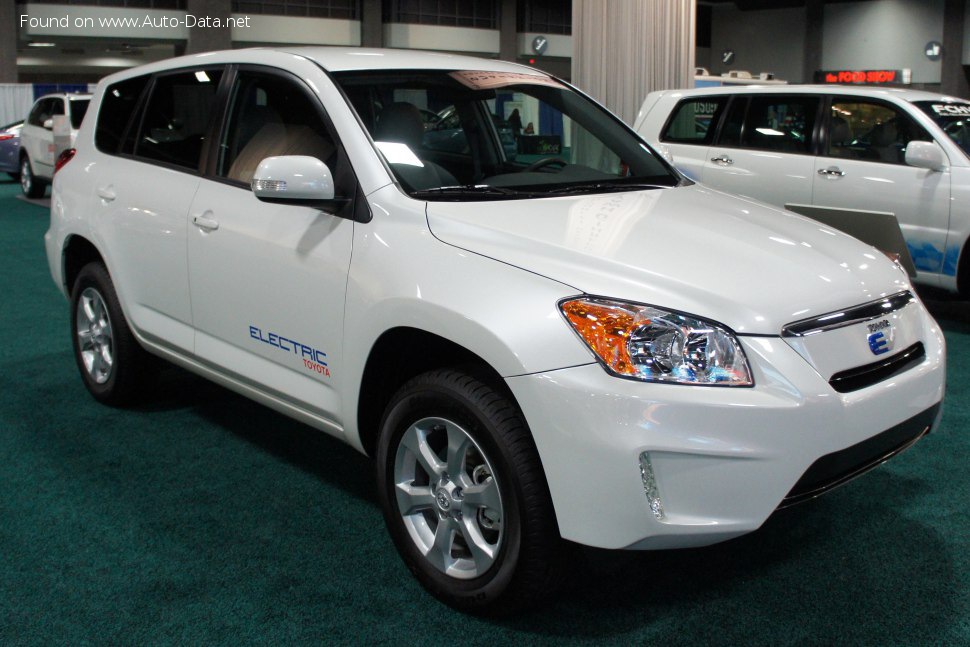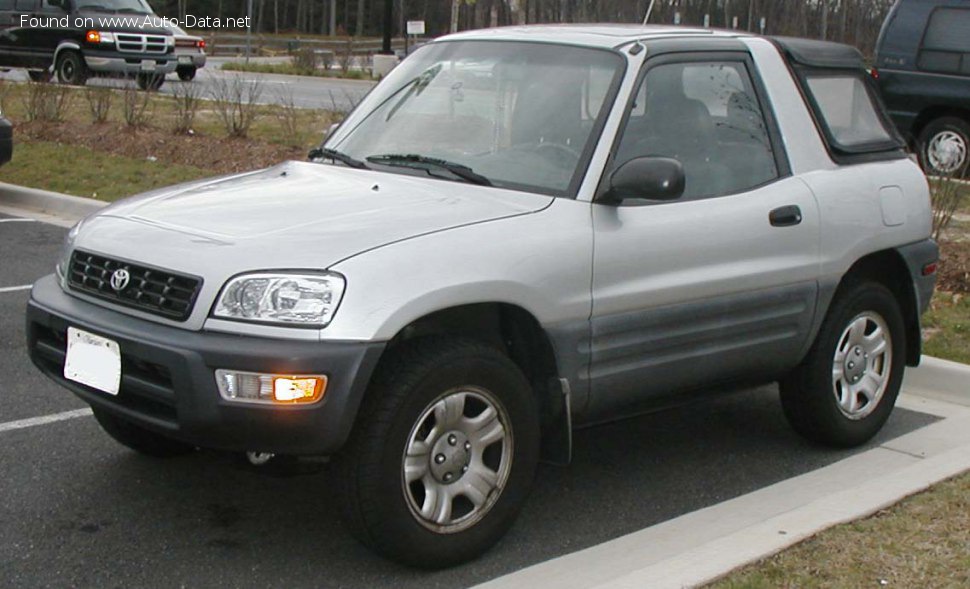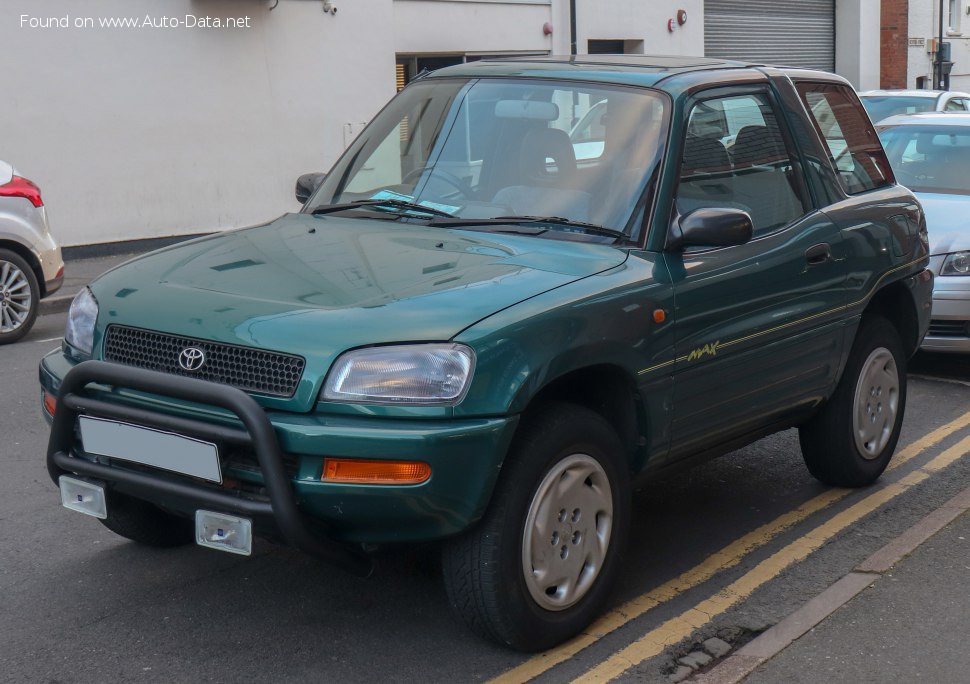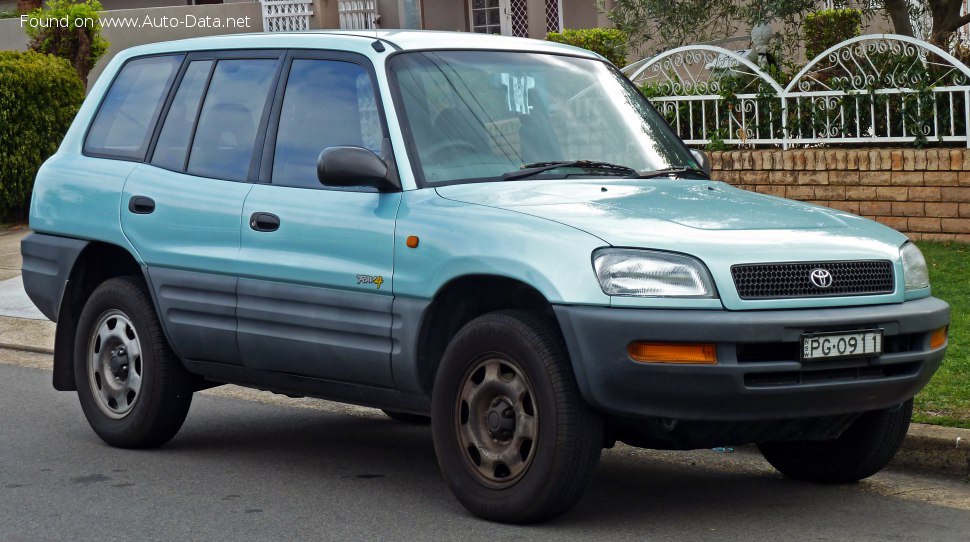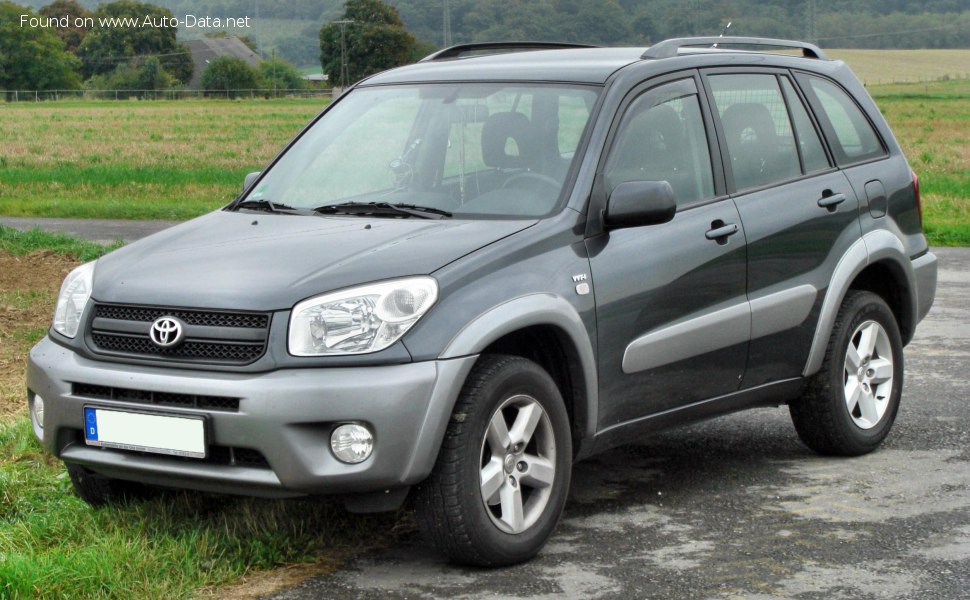
The Toyota RAV4, or “Recreational Activity Vehicle: 4-wheel drive,” is a foundational model in the compact sport utility vehicle (SUV) segment. The second generation, designated XA20, built upon the original’s success, offering a more refined and versatile package. This article details the Toyota RAV4 II (XA20, facelift 2003) 5-door 2.0i 16V (150 Hp) 4WD Automatic, a significant iteration produced from December 2003 until January 2006. This model, with its refreshed styling and updated mechanicals, represented Toyota’s commitment to delivering a practical, reliable, and engaging compact SUV for a global audience, including the American market. It encapsulated the trend of car-based SUVs, blending SUV utility with passenger car driving dynamics and fuel efficiency.
Toyota RAV4 II (XA20, Facelift 2003): An Overview
The RAV4 II (XA20) represented a significant step forward for Toyota’s compact SUV offering. Introduced in 2000, the XA20 generation moved away from the more utilitarian approach of the first-generation RAV4, embracing a more comfortable and refined driving experience. The 2003 facelift further enhanced the vehicle’s appeal with subtle styling updates and minor mechanical improvements. This iteration of the RAV4 was designed to appeal to a broader audience, including families and individuals seeking a versatile vehicle for both daily commuting and weekend adventures. While not initially a high-volume seller in the US compared to some competitors, the RAV4 steadily gained popularity due to its reputation for reliability and fuel efficiency.
Engine & Performance
The Toyota RAV4 II (XA20, facelift 2003) 5-door 2.0i 16V (150 Hp) 4WD Automatic is powered by Toyota’s 1AZ-FE engine. This 2.0-liter (1998 cm³ or 121.93 cu. in.) inline-four gasoline engine is naturally aspirated, featuring a Double Overhead Camshaft (DOHC) valvetrain with four valves per cylinder. A multi-port fuel injection system ensures efficient fuel delivery. The engine boasts a compression ratio of 9.8:1 and an 86 mm (3.39 in.) bore and stroke, designed for a balance of power and smooth operation.
The 1AZ-FE engine produces 150 horsepower at 6000 rpm, yielding a power output of 75.1 HP/l. Torque peaks at 141.61 lb.-ft. (192 Nm) at 4000 rpm, providing sufficient pulling power for everyday driving and light off-road use. Power is transferred through a 4-speed automatic transmission to an all-wheel-drive (4WD) system, ensuring traction in various conditions. This powertrain allows for a 0-60 mph acceleration time of 10.3 seconds, with a top speed of approximately 114.95 mph (185 km/h). Fuel economy is rated at 25.3 US mpg (9.3 l/100 km) combined, with 19 US mpg (12.4 l/100 km) in urban settings and 30.9 US mpg (7.6 l/100 km) on the highway. The vehicle met the Euro 4 emission standard, demonstrating a commitment to environmental performance.
Chassis and Drivetrain
The RAV4 II’s chassis is engineered for a comfortable ride and competent handling. The front suspension utilizes an independent McPherson strut setup with coil springs and an anti-roll bar. The rear employs a double wishbone suspension, enhancing handling stability and ride comfort on uneven surfaces. Braking is provided by ventilated discs at the front and solid discs at the rear, complemented by an Anti-lock Braking System (ABS) for improved safety during emergency stops. A hydraulic power steering system with a rack and pinion setup delivers direct and responsive steering feedback.
Design & Features
The Toyota RAV4 II (XA20, facelift 2003) retained its distinctive SUV styling, characterized by a compact footprint and rugged aesthetics. The 2003 facelift included revised front and rear bumpers, updated headlamp and taillamp designs, and a modified grille, resulting in a fresher, more contemporary appearance. The 5-door body style provides practical access to both front and rear seating, comfortably accommodating five passengers.
The RAV4 II measures 166.14 inches (4220 mm) in length, 68.31 inches (1735 mm) in width, and 66.54 inches (1690 mm) in height, with a 98.03-inch (2490 mm) wheelbase. This provides a balance between exterior compactness and interior spaciousness. The short wheelbase enhances maneuverability in urban environments, while the elevated driving position offers a commanding view of the road. The vehicle’s kerb weight is 3042.38 lbs (1380 kg), with a maximum permissible weight of 4023.44 lbs (1825 kg), allowing for a payload of 981.06 lbs (445 kg). The interior offers a functional and ergonomic cabin. Trunk space ranges from 14.13 cu. ft. (400 liters) with the rear seats up to 40.61 cu. ft. (1150 liters) with the rear seats folded down. Standard features included power steering, power windows, air conditioning, and a robust audio system. Safety features included ABS and front airbags, with optional side airbags depending on the market and trim level.
Technical Specifications
| Category | Specification |
| General Information | |
| Brand | Toyota |
| Model | RAV4 |
| Generation | RAV4 II (XA20, facelift 2003) 5-door |
| Type (Engine) | 2.0i 16V (150 Hp) 4WD Automatic |
| Production Start | December, 2003 |
| Production End | January, 2006 |
| Powertrain Architecture | Internal Combustion engine |
| Body Type | SUV |
| Seats | 5 |
| Doors | 5 |
| Performance Specs | |
| Fuel Consumption (Urban) | 12.4 l/100 km (19 US mpg) |
| Fuel Consumption (Extra Urban) | 7.6 l/100 km (30.9 US mpg) |
| Fuel Consumption (Combined) | 9.3 l/100 km (25.3 US mpg) |
| CO2 Emissions | 224 g/km |
| Fuel Type | Petrol (Gasoline) |
| Acceleration 0-60 mph | 10.3 sec |
| Acceleration 0-100 km/h | 10.8 sec |
| Maximum Speed | 114.95 mph (185 km/h) |
| Emission Standard | Euro 4 |
| Weight-to-Power Ratio | 9.2 kg/Hp (108.7 Hp/tonne) |
| Weight-to-Torque Ratio | 7.2 kg/Nm (139.1 Nm/tonne) |
| Engine Specs | |
| Power | 150 Hp @ 6000 rpm |
| Power per Liter | 75.1 Hp/l |
| Torque | 141.61 lb.-ft. (192 Nm) @ 4000 rpm |
| Engine Layout | Front, Transverse |
| Engine Model/Code | 1AZ-FE |
| Engine Displacement | 1998 cm³ (121.93 cu. in.) |
| Number of Cylinders | 4 |
| Engine Configuration | Inline |
| Cylinder Bore | 86 mm (3.39 in.) |
| Piston Stroke | 86 mm (3.39 in.) |
| Compression Ratio | 9.8:1 |
| Number of Valves per Cylinder | 4 |
| Fuel Injection System | Multi-port manifold injection |
| Engine Aspiration | Naturally aspirated engine |
| Valvetrain | DOHC |
| Engine Oil Capacity | 4.2 l (4.44 US qt) |
| Coolant Capacity | 6.3 l (6.66 US qt) |
| Space, Volume and Weights | |
| Kerb Weight | 1380 kg (3042.38 lbs.) |
| Max. Weight | 1825 kg (4023.44 lbs.) |
| Max Load | 445 kg (981.06 lbs.) |
| Trunk Space (Minimum) | 400 l (14.13 cu. ft.) |
| Trunk Space (Maximum) | 1150 l (40.61 cu. ft.) |
| Fuel Tank Capacity | 57 l (15.06 US gal) |
| Max. Roof Load | 100 kg (220.46 lbs.) |
| Permitted Trailer Load with Brakes (12%) | 1500 kg (3306.93 lbs.) |
| Permitted Trailer Load without Brakes | 640 kg (1410.96 lbs.) |
| Dimensions | |
| Length | 4220 mm (166.14 in.) |
| Width | 1735 mm (68.31 in.) |
| Height | 1690 mm (66.54 in.) |
| Wheelbase | 2490 mm (98.03 in.) |
| Drivetrain, Brakes and Suspension Specs | |
| Drive Wheel | All-wheel drive (4×4) |
| Number of Gears and Gearbox Type | 4 gears, automatic transmission |
| Front Suspension | Independent, type McPherson with coil spring and anti-roll bar |
| Rear Suspension | Double wishbone |
| Front Brakes | Ventilated discs |
| Rear Brakes | Disc |
| Assisting Systems | ABS (Anti-lock braking system) |
| Steering Type | Steering rack and pinion |
| Power Steering | Hydraulic Steering |
| Tires Size | 215/70 R16 |
| Wheel Rims Size | 6.5J x 16 |
Legacy and Market Impact
The Toyota RAV4, particularly the second generation (XA20), played a pivotal role in popularizing the compact SUV segment in the United States and globally. The RAV4 offered a compelling alternative to traditional, truck-based SUVs, providing a more car-like driving experience, better fuel economy, and easier maneuverability, while retaining SUV versatility and available all-wheel drive. The 2003 facelift kept the model competitive in a rapidly expanding market.
Its competitors included the Honda CR-V, Ford Escape, and Subaru Forester. The RAV4 distinguished itself with Toyota’s reputation for reliability and durability, resulting in strong resale values and low ownership costs. This reputation contributed to its sustained success and appeal to a broad demographic. The XA20 generation solidified the RAV4’s position as a segment leader, demonstrating that a compact SUV could be practical and enjoyable to drive. The Toyota RAV4 II (XA20, facelift 2003) 5-door 2.0i 16V (150 Hp) 4WD Automatic is remembered as a well-engineered and successful vehicle that shaped consumer expectations for compact SUVs and laid the groundwork for the modern crossover utility vehicle (CUV) segment.