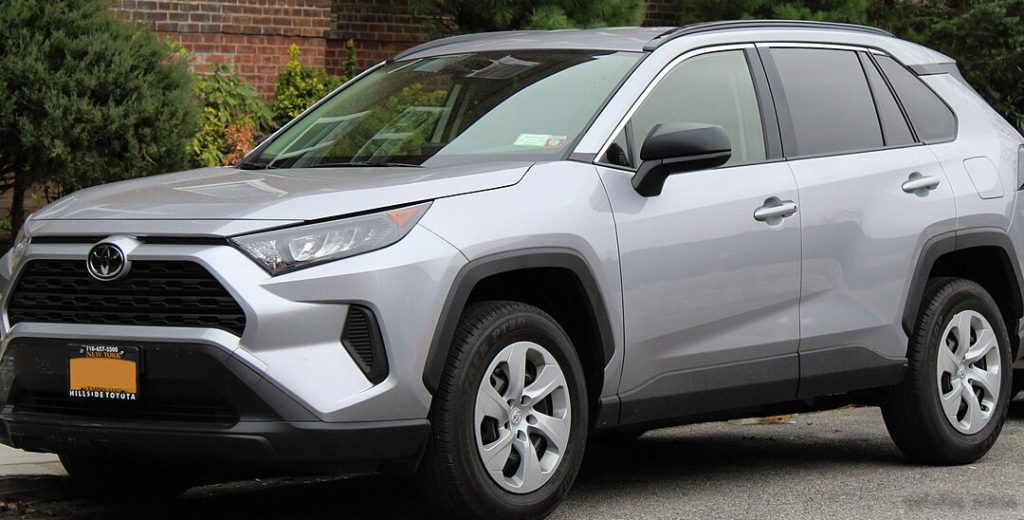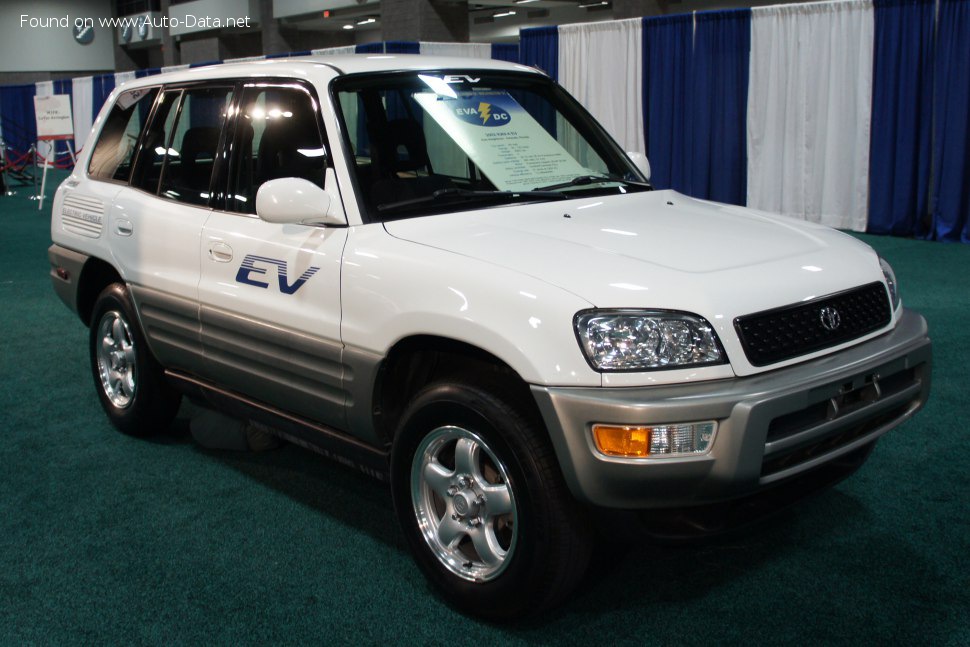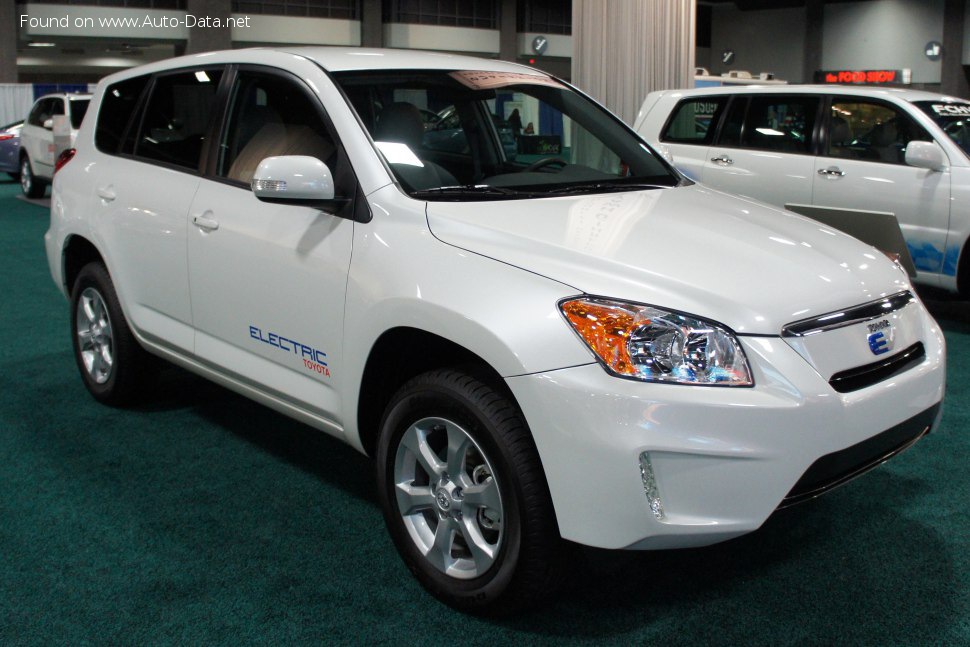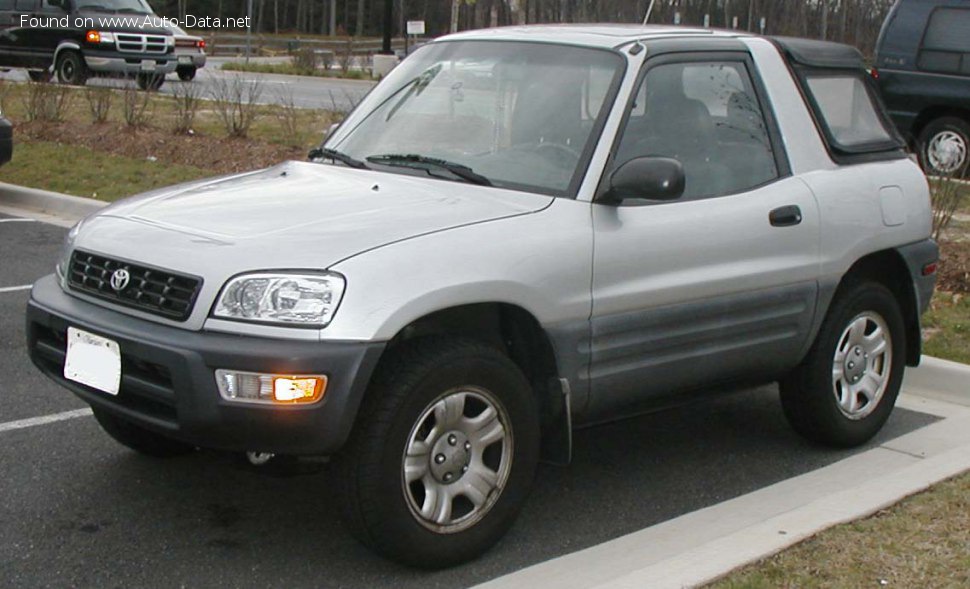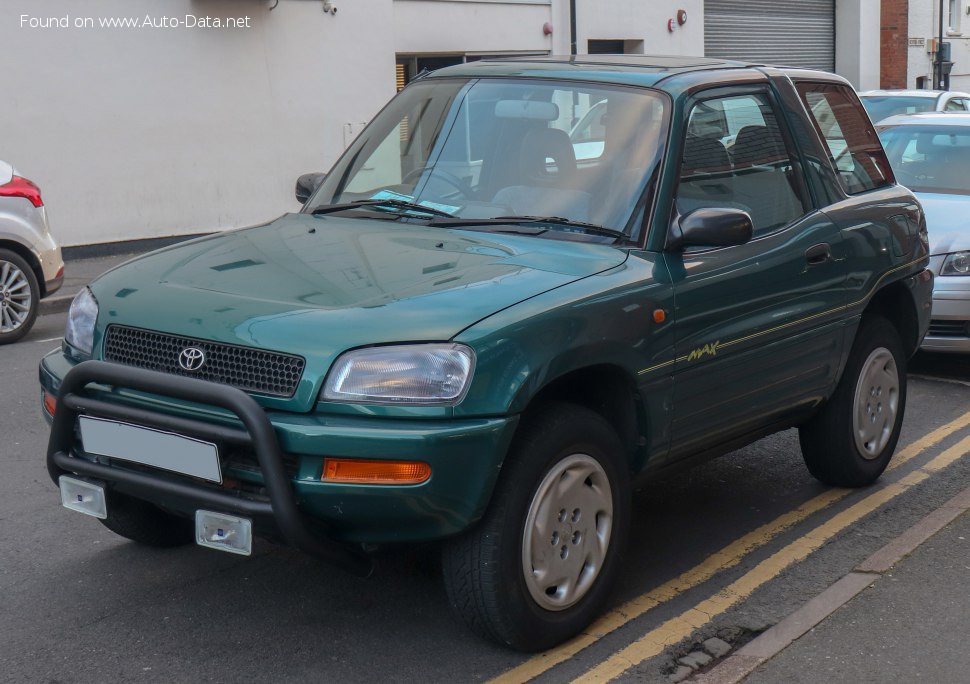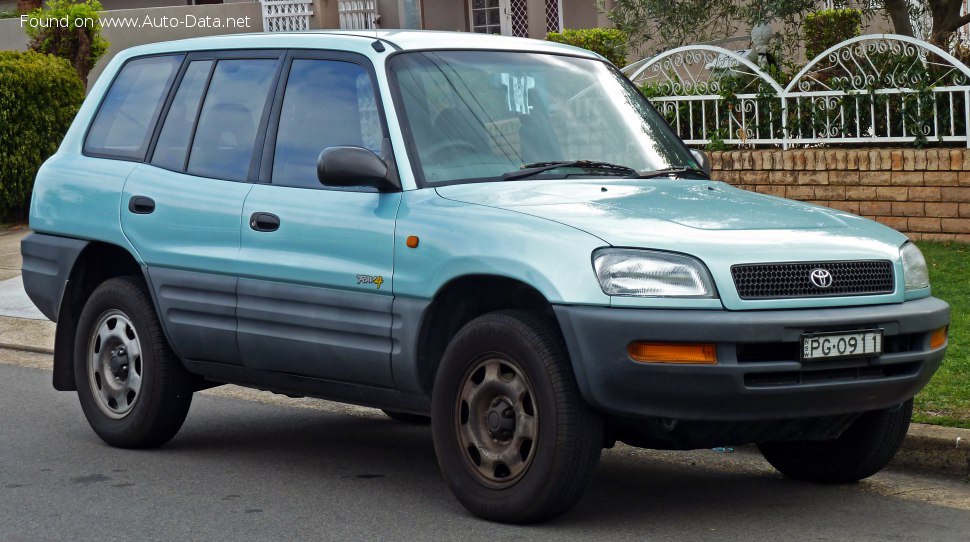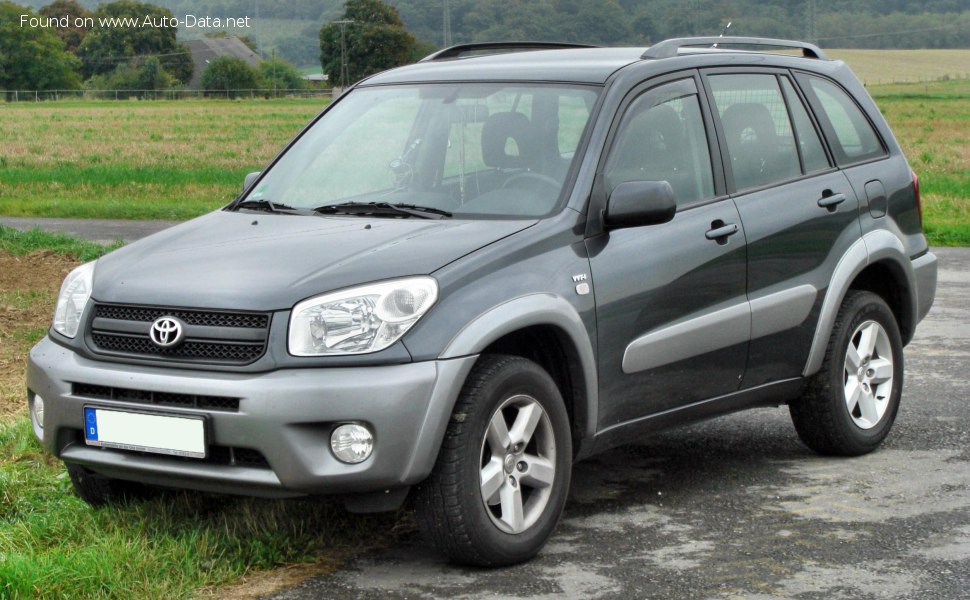
The Toyota RAV4 II (XA20, facelift 2003) represents a significant evolution in the compact SUV segment, building upon the groundbreaking success of its predecessor. Introduced globally in 2000, the second-generation RAV4, internally designated XA20, solidified Toyota’s position in the burgeoning market for sport utility vehicles that prioritized car-like handling and efficiency over rugged off-road capability. The 2003 facelift brought a series of refinements, enhancing its aesthetic appeal, interior comfort, and powertrain options, ensuring its competitiveness in a rapidly expanding and fiercely contested segment. This particular variant, the 5-door 2.4i (161 Hp) 4WD Automatic, was a popular choice, offering a balanced blend of power, practicality, and all-weather capability, making it an ideal vehicle for urban families and outdoor enthusiasts alike.
During its production run from 2003 to 2005, the facelifted XA20 RAV4 continued to define the “Recreational Activity Vehicle: 4-wheel drive” concept that Toyota had pioneered. It was a global player, finding strong sales in North America, Europe, and Asia, where its compact dimensions, reliable mechanics, and versatile interior resonated with a broad spectrum of buyers looking for a more nimble and fuel-efficient alternative to traditional, larger SUVs.
Engine & Performance
At the heart of this specific Toyota RAV4 II (XA20, facelift 2003) model was the robust 2.4-liter (2362 cm³, 144.14 cu. in.) 2AZ-FE inline-four engine. This naturally aspirated gasoline engine, positioned transversely at the front, was a workhorse for Toyota, known for its reliability and smooth power delivery. Featuring a DOHC (Double Overhead Camshaft) valvetrain with 4 valves per cylinder and multi-port manifold injection, it produced a respectable 161 horsepower at 6000 rpm. This power output, combined with 165.21 lb.-ft. (224 Nm) of torque peaking at 4000 rpm, provided ample motivation for the compact SUV, whether navigating city streets or cruising on the highway.
Power was seamlessly delivered to all four wheels via a 4-speed automatic transmission and a permanent all-wheel-drive (4WD) system. This setup offered enhanced traction and stability, particularly beneficial in adverse weather conditions or light off-road excursions, without compromising the car’s on-road manners. The weight-to-power ratio of 9 kg/Hp (111.4 Hp/tonne) and a weight-to-torque ratio of 6.5 kg/Nm (155 Nm/tonne) indicated a well-balanced performance for its class.
In terms of fuel economy, the 2.4i 4WD Automatic model delivered competitive figures for its time. It was rated at approximately 22.2 US mpg in urban driving conditions and an improved 27 US mpg on the extra-urban cycle, translating to a combined efficiency that made it an attractive option for daily commuting and longer trips alike. The 14.79 US gallon (56-liter) fuel tank provided a decent cruising range.
Design & Features
The Toyota RAV4 II (XA20, facelift 2003) retained its distinctive compact SUV silhouette, characterized by its five-door, five-seat body type. The 2003 facelift introduced subtle yet effective styling updates, including revised front fascias, grilles, headlights, and taillights, giving it a fresher and more contemporary look. Its dimensions, with a length ranging from 165.55 to 167.52 inches, a width of 68.31 to 70.28 inches, and a height of 65.75 to 66.14 inches, underscored its compact nature, making it highly maneuverable in urban environments. A wheelbase of 98.03 inches contributed to a comfortable ride and stable handling.
Inside, the RAV4 offered a practical and versatile cabin. The five-seat configuration provided ample space for occupants, while the cargo area was particularly impressive for a vehicle of its size. With the rear seats in place, it offered a minimum trunk space of 23.94 cubic feet (678 liters), which could expand significantly to a cavernous 67.42 cubic feet (1909 liters) with the rear seats folded down, making it highly capable for hauling luggage, groceries, or sports equipment. The vehicle’s kerb weight stood at 3185.68 lbs (1445 kg), with a maximum permissible weight of 4087.37 lbs (1854 kg) and a maximum payload of 901.69 lbs (409 kg).
Standard features for the era included essential safety systems such as ABS (Anti-lock Braking System), which was crucial for maintaining control during hard braking. The suspension system comprised independent McPherson struts with coil springs and an anti-roll bar at the front, paired with a double wishbone and trailing arm setup at the rear, providing a comfortable ride and predictable handling. Ventilated disc brakes at the front and disc brakes at the rear ensured confident stopping power. Hydraulic power steering, along with a relatively tight minimum turning circle of 35.1 feet, further enhanced its urban agility. The vehicle typically rode on 215/70 R16 or 235/60 R16 tires mounted on 6.5J x 16-inch wheels.
Toyota RAV4 II (XA20, facelift 2003) Technical Specifications
| Category | Specification |
| General Information | |
| Brand | Toyota |
| Model | RAV4 |
| Generation | RAV4 II (XA20, facelift 2003) 5-door |
| Type (Engine) | 2.4i (161 Hp) 4WD Automatic |
| Start of production | 2003 year |
| End of production | 2005 year |
| Powertrain Architecture | Internal Combustion engine |
| Body type | SUV |
| Seats | 5 |
| Doors | 5 |
| Performance Specs | |
| Fuel consumption (economy) – urban | 10.6 l/100 km (22.2 US mpg) |
| Fuel consumption (economy) – extra urban | 8.7 l/100 km (27 US mpg) |
| Fuel Type | Petrol (Gasoline) |
| Weight-to-power ratio | 9 kg/Hp (111.4 Hp/tonne) |
| Weight-to-torque ratio | 6.5 kg/Nm (155 Nm/tonne) |
| Engine Specs | |
| Power | 161 Hp @ 6000 rpm. |
| Power per liter | 68.2 Hp/l |
| Torque | 224 Nm @ 4000 rpm. (165.21 lb.-ft. @ 4000 rpm.) |
| Engine layout | Front, Transverse |
| Engine Model/Code | 2AZ-FE |
| Engine displacement | 2362 cm3 (144.14 cu. in.) |
| Number of cylinders | 4 |
| Engine configuration | Inline |
| Cylinder Bore | 88.5 mm (3.48 in.) |
| Piston Stroke | 96 mm (3.78 in.) |
| Compression ratio | 9.8:1 |
| Number of valves per cylinder | 4 |
| Fuel injection system | Multi-port manifold injection |
| Engine aspiration | Naturally aspirated engine |
| Valvetrain | DOHC |
| Engine oil capacity | 3.8 l (4.02 US qt) |
| Space, Volume and Weights | |
| Kerb Weight | 1445 kg (3185.68 lbs.) |
| Max. weight (GVWR) | 1854 kg (4087.37 lbs.) |
| Max load | 409 kg (901.69 lbs.) |
| Trunk (boot) space – minimum | 678 l (23.94 cu. ft.) |
| Trunk (boot) space – maximum | 1909 l (67.42 cu. ft.) |
| Fuel tank capacity | 56 l (14.79 US gal) |
| Dimensions | |
| Length | 4205-4255 mm (165.55 – 167.52 in.) |
| Width | 1735-1785 mm (68.31 – 70.28 in.) |
| Height | 1670-1680 mm (65.75 – 66.14 in.) |
| Wheelbase | 2490 mm (98.03 in.) |
Legacy and Market Impact
The Toyota RAV4 II (XA20, facelift 2003) played a pivotal role in solidifying the compact SUV segment as a mainstream choice for consumers worldwide. In the highly competitive American market, it was a direct rival to other popular compact crossovers like the Honda CR-V, Ford Escape, and Nissan X-Trail (marketed as the Rogue in later generations). What set the RAV4 apart was its unwavering reputation for Toyota’s hallmark reliability, exceptional build quality, and impressive resale value. These attributes made it a compelling choice for buyers seeking a practical, dependable, and relatively economical vehicle that could handle diverse driving conditions.
The facelifted XA20 generation, in particular, benefited from a mature design and refined driving dynamics that appealed to a broader audience. Its car-like ride and handling, combined with the versatility of an SUV, made it a popular option for young families and individuals with active lifestyles. The availability of a potent 2.4-liter engine with all-wheel drive and an automatic transmission further enhanced its appeal, offering a balance of performance and ease of use that many competitors struggled to match.
Historically, the RAV4’s success helped pave the way for the proliferation of the crossover segment, demonstrating that consumers desired vehicles that blended the best aspects of sedans and SUVs. Its impact is still felt today, as the RAV4 continues to be one of the best-selling vehicles globally, consistently setting benchmarks for practicality, efficiency, and reliability in its class. The 2003 facelift model, though now a classic, remains a testament to Toyota’s foresight and engineering prowess in creating a vehicle that was ahead of its time and continues to be appreciated for its enduring qualities. It cemented the RAV4’s status not just as a competent compact SUV, but as an automotive icon that shaped the preferences of millions of drivers.