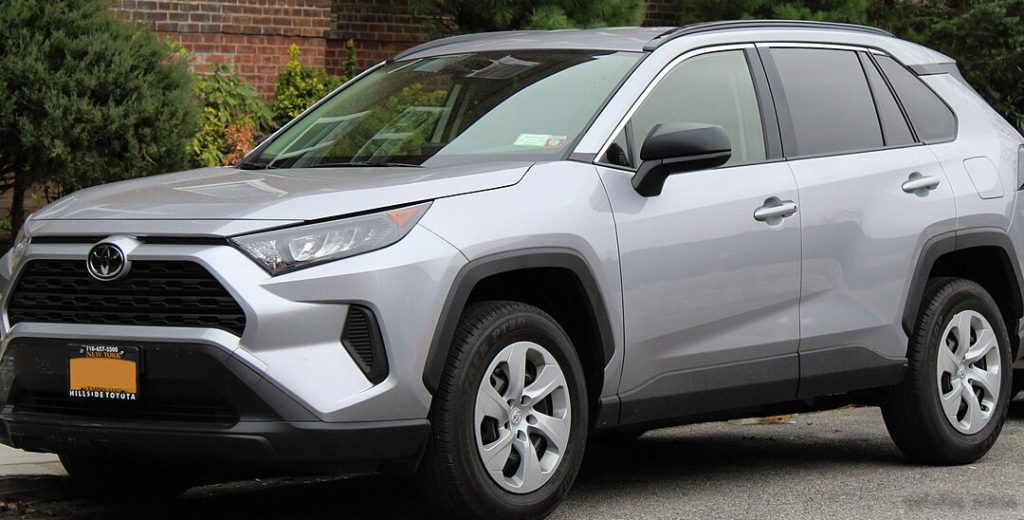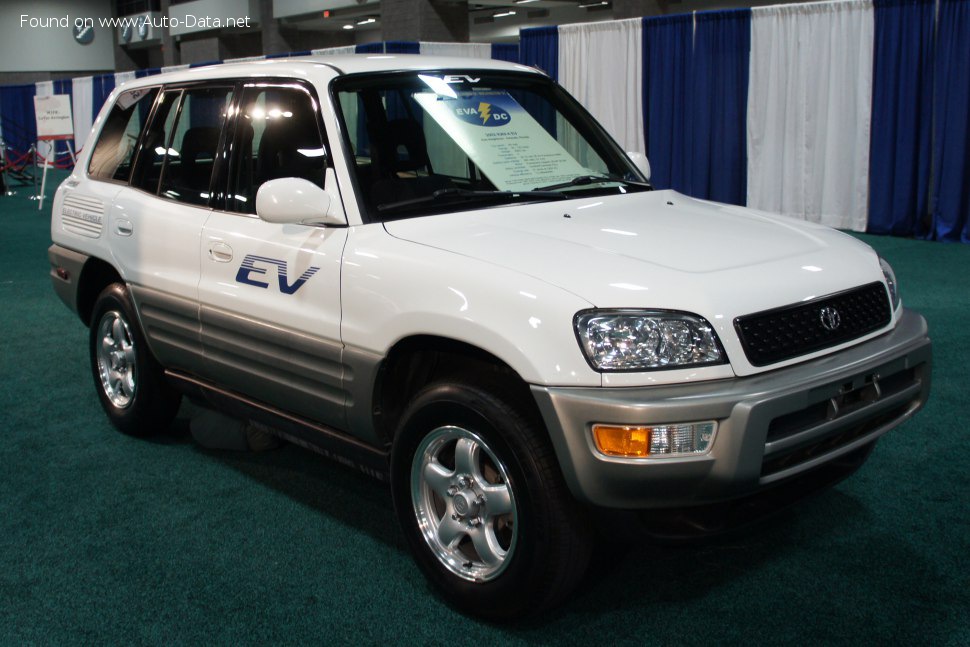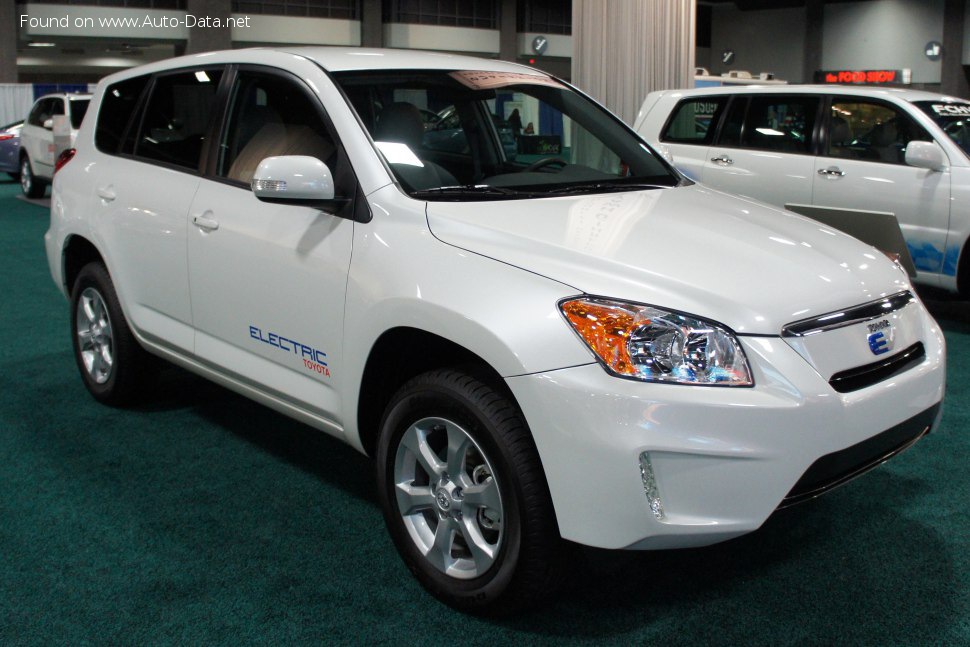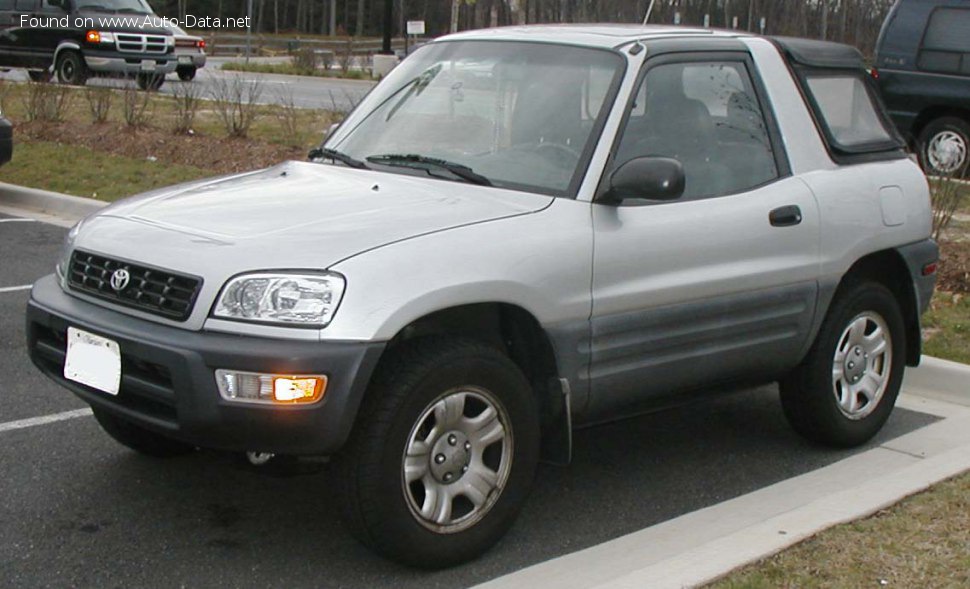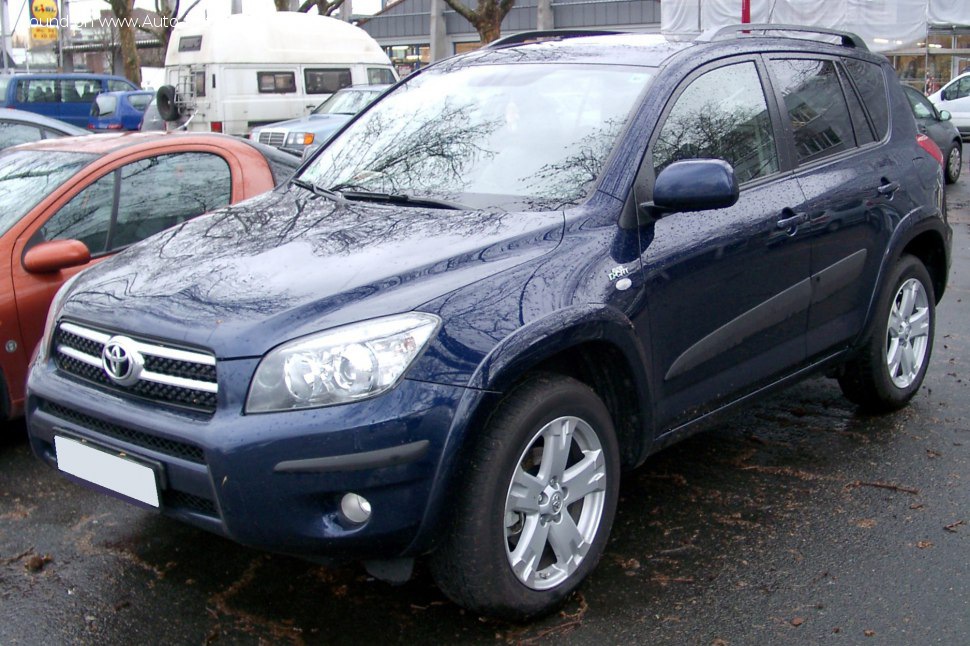
The Toyota RAV4 III (XA30) represents a pivotal chapter in the history of the RAV4, a vehicle that helped define the modern compact SUV. Produced from 2005 to 2013, with a significant refresh in 2008, the XA30 marked a transition for the RAV4, moving it from a more rudimentary, car-based platform to a more sophisticated and capable sport utility vehicle. This analysis focuses on the 2.0 VVT-i (152 Hp) 4WD variant, manufactured from November 2008 through the end of the XA30’s production in 2013. While larger engine options were common in the North American market, this 2.0-liter engine was a cornerstone of the RAV4’s success in Europe and Asia, where efficiency and taxation favored smaller, yet capable, powertrains. It embodies Toyota’s dedication to providing dependable, versatile, and fuel-efficient vehicles in the burgeoning compact SUV category.
Engine & Performance of the Toyota RAV4 III (XA30) 2.0 VVT-i
The Toyota RAV4 III (XA30) 2.0 VVT-i is powered by a naturally aspirated 2.0-liter (1998 cm3 or 121.93 cu. in.) inline four-cylinder engine, internally designated the 3ZR-FAE. This engine incorporates Toyota’s VVT-i (Variable Valve Timing intelligent) technology, designed to optimize valve timing for improved power delivery and fuel efficiency across the engine’s operating range. The engine features a DOHC (Dual Overhead Camshaft) valvetrain with four valves per cylinder, producing 152 horsepower at 6000 rpm. Torque output is rated at 194 Nm (143.09 lb.-ft.) peaking at 4000 rpm, providing sufficient power for everyday driving and occasional off-road use.
Power is transferred to all four wheels through a 5-speed manual transmission and a sophisticated all-wheel-drive (4×4) system. This drivetrain configuration enhances traction and stability, particularly in challenging weather conditions or on unpaved surfaces. The RAV4 2.0 VVT-i can accelerate from 0 to 60 mph in 10.1 seconds, achieving a top speed of approximately 115 mph (185 km/h).
Fuel economy was a key consideration in the markets where this engine was most popular. The official combined cycle fuel consumption is 8.6 liters per 100 kilometers, equating to approximately 27.4 US mpg. City driving yields around 11 l/100 km (21.4 US mpg), while highway driving achieves 7.2 l/100 km (32.7 US mpg). With CO2 emissions of 202 g/km, the engine met Euro 4 emission standards, reflecting environmental regulations of the time. The engine’s 9.8:1 compression ratio and multi-port fuel injection system contribute to its reputation for reliability and smooth operation, hallmarks of Toyota engineering.
Design & Features
The third-generation RAV4 (XA30) represents a significant stylistic departure from its predecessors, adopting a smoother, more aerodynamic design with a drag coefficient (Cd) of 0.31. The 2008 refresh included subtle updates to the front fascia, grille, and taillights, maintaining a contemporary aesthetic. As a five-door SUV with seating for five passengers, the RAV4 XA30 offers a practical and spacious interior. Its dimensions range from 169.88 to 173.03 inches in length, 71.46 inches in width, and 66.34 to 67.72 inches in height, with a wheelbase of 100.79 inches. These proportions contribute to its stable handling and maneuverability, with a minimum turning circle of 33.46 feet.
The interior of the RAV4 XA30 provides a comfortable and ergonomic environment. The 586 liters (20.69 cu. ft.) of cargo space, expandable by folding the rear seats, offers substantial versatility for families and active lifestyles. The vehicle’s curb weight of 3229.77 lbs (1465 kg) and maximum permissible weight of 4563.57 lbs (2070 kg) highlight its robust construction. With a ground clearance of 7.09 inches, and approach, departure, and ramp-over angles of 28°, 24°, and 20° respectively, the RAV4 offers reasonable off-road capability for light trails and urban obstacles.
Safety features included an Anti-lock Braking System (ABS) as standard equipment, complementing the ventilated disc brakes at the front (296 mm) and disc brakes at the rear (281 mm). The suspension system, featuring independent McPherson struts at the front and a double wishbone setup at the rear, provides a balance of ride comfort and handling stability. The rack and pinion steering system offers precise and predictable control. The vehicle is equipped with 215/70 R16 tires mounted on 6.5J x 16 inch wheels, providing a comfortable ride and adequate grip.
Technical Specifications
| Category | Specification |
| General Information | |
| Brand | Toyota |
| Model | RAV4 |
| Generation | RAV4 III (XA30) |
| Type (Engine) | 2.0 VVT-i (152 Hp) 4WD |
| Start of Production | November, 2008 |
| End of Production | 2013 |
| Powertrain Architecture | Internal Combustion engine |
| Body Type | SUV |
| Seats | 5 |
| Doors | 5 |
| Performance Specs | |
| Fuel Consumption (Urban) | 11 l/100 km (21.4 US mpg) |
| Fuel Consumption (Extra Urban) | 7.2 l/100 km (32.7 US mpg) |
| Fuel Consumption (Combined) | 8.6 l/100 km (27.4 US mpg) |
| CO2 Emissions | 202 g/km |
| Fuel Type | Petrol (Gasoline) |
| Acceleration 0 – 60 mph | 10.1 sec |
| Acceleration 0 – 100 km/h | 10.6 sec |
| Maximum Speed | 185 km/h (114.95 mph) |
| Emission Standard | Euro 4 |
| Weight-to-Power Ratio | 9.6 kg/Hp (103.8 Hp/tonne) |
| Weight-to-Torque Ratio | 7.6 kg/Nm (132.4 Nm/tonne) |
| Engine Specs | |
| Power | 152 Hp @ 6000 rpm |
| Power per liter | 76.1 Hp/l |
| Torque | 194 Nm @ 4000 rpm (143.09 lb.-ft. @ 4000 rpm) |
| Engine Layout | Front, Transverse |
| Engine Model/Code | 3ZR-FAE |
| Engine Displacement | 1998 cm3 (121.93 cu. in.) |
| Number of Cylinders | 4 |
| Engine Configuration | Inline |
| Cylinder Bore | 86 mm (3.39 in.) |
| Piston Stroke | 86 mm (3.39 in.) |
| Compression Ratio | 9.8:1 |
| Number of Valves per Cylinder | 4 |
| Fuel Injection System | Multi-port manifold injection |
| Engine Aspiration | Naturally aspirated engine |
| Valvetrain | DOHC, VVT-i |
| Engine Oil Capacity | 4.2 l (4.44 US qt) |
| Space, Volume and Weights | |
| Kerb Weight | 1465 kg (3229.77 lbs.) |
| Max. Weight | 2070 kg (4563.57 lbs.) |
| Max Load | 605 kg (1333.8 lbs.) |
| Trunk (Boot) Space – Minimum | 586 l (20.69 cu. ft.) |
| Fuel Tank Capacity | 60 l (15.85 US gal) |
| Permitted Trailer Load with Brakes (12%) | 1500 kg (3306.93 lbs.) |
| Permitted Trailer Load without Brakes | 750 kg (1653.47 lbs.) |
| Dimensions | |
| Length | 4315-4395 mm (169.88 – 173.03 in.) |
| Width | 1815 mm (71.46 in.) |
| Height | 1685-1720 mm (66.34 – 67.72 in.) |
| Wheelbase | 2560 mm (100.79 in.) |
| Front Track | 1560 mm (61.42 in.) |
| Rear (Back) Track | 1560 mm (61.42 in.) |
| Front Overhang | 860 mm (33.86 in.) |
| Rear Overhang | 895-975 mm (35.24 – 38.39 in.) |
| Ride Height (Ground Clearance) | 180 mm (7.09 in.) |
| Drag Coefficient (Cd) | 0.31 |
| Minimum Turning Circle (Turning Diameter) | 10.2 m (33.46 ft.) |
| Approach Angle | 28° |
| Departure Angle | 24° |
| Ramp-over (Brakeover) Angle | 20° |
| Drivetrain, Brakes and Suspension Specs | |
| Drive Wheel | All wheel drive (4×4) |
| Number of Gears and Type of Gearbox | 5 gears, manual transmission |
| Front Suspension | Independent type McPherson |
| Rear Suspension | Double wishbone |
| Front Brakes | Ventilated discs 296 mm |
| Rear Brakes | Disc 281 mm |
| Assisting Systems | ABS (Anti-lock braking system) |
| Steering Type | Steering rack and pinion |
| Tires Size | 215/70 R16 |
| Wheel Rims Size | 6.5J x 16 |
Legacy and Market Impact
The Toyota RAV4 III (XA30), and specifically the 2.0 VVT-i 4WD variant, played a significant role in establishing the RAV4’s reputation as a reliable, practical, and capable compact SUV in global markets. While North American buyers often favored larger engines, the 2.0-liter version was ideally suited for European and Asian markets. In these regions, fuel costs, taxation based on engine displacement or CO2 emissions, and the need for urban maneuverability made a smaller, more efficient engine highly desirable. It offered a compelling combination of adequate performance, good fuel economy, and the security of all-wheel drive, without the higher running costs of larger engines.
The RAV4 XA30 competed with rivals like the Honda CR-V, Nissan Qashqai (Rogue Sport in some markets), Volkswagen Tiguan, and Ford Kuga (Escape in North America). The RAV4 distinguished itself through Toyota’s core values: exceptional reliability, strong resale value, and a reputation for trouble-free ownership. Its robust build quality, comfortable ride, and practical interior made it a popular choice for families and individuals seeking a versatile vehicle with occasional off-road capability.
The XA30 generation also helped solidify the RAV4’s position as a trendsetter, demonstrating how a compact SUV could offer a blend of car-like driving dynamics and SUV utility. It significantly contributed to the mainstream acceptance of the compact crossover, influencing subsequent designs and market expectations. The Toyota RAV4 III (XA30)’s legacy is one of consistent performance and thoughtful evolution, a vehicle that consistently delivered on its promises and helped define a segment it helped create. Its continued presence on roads worldwide is a testament to its inherent quality and forward-thinking design.