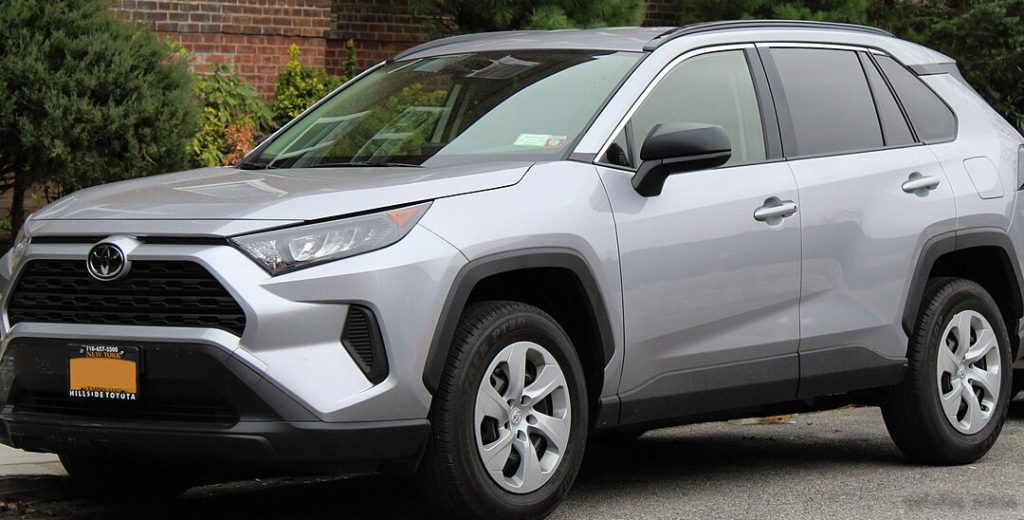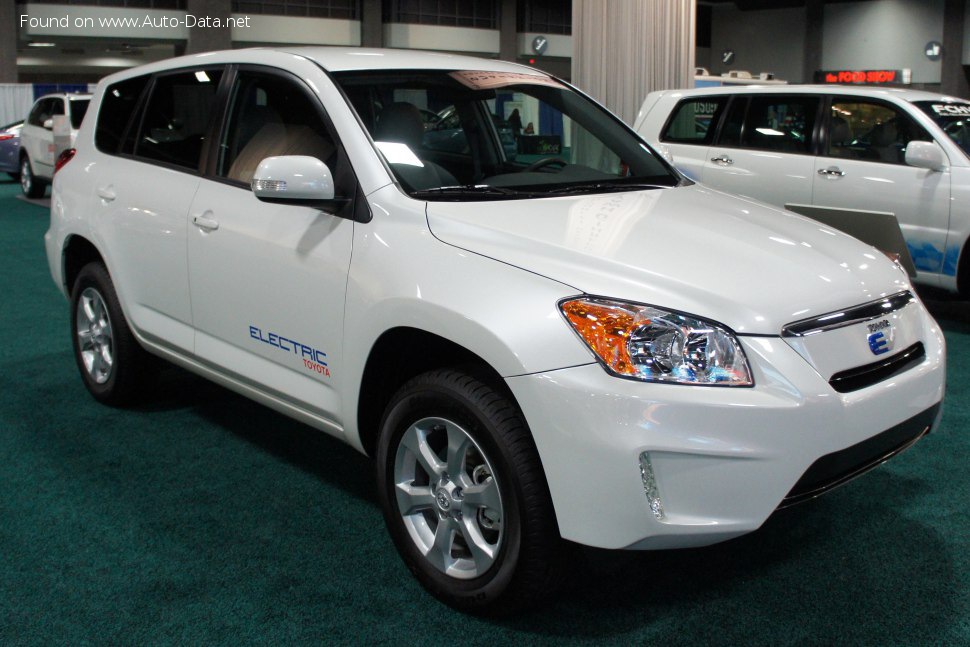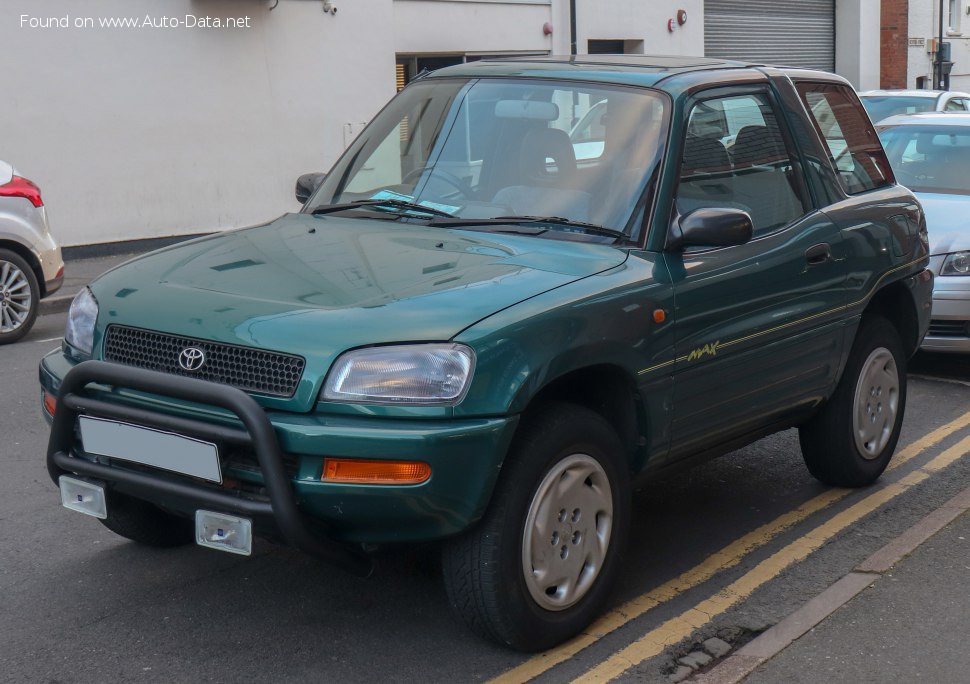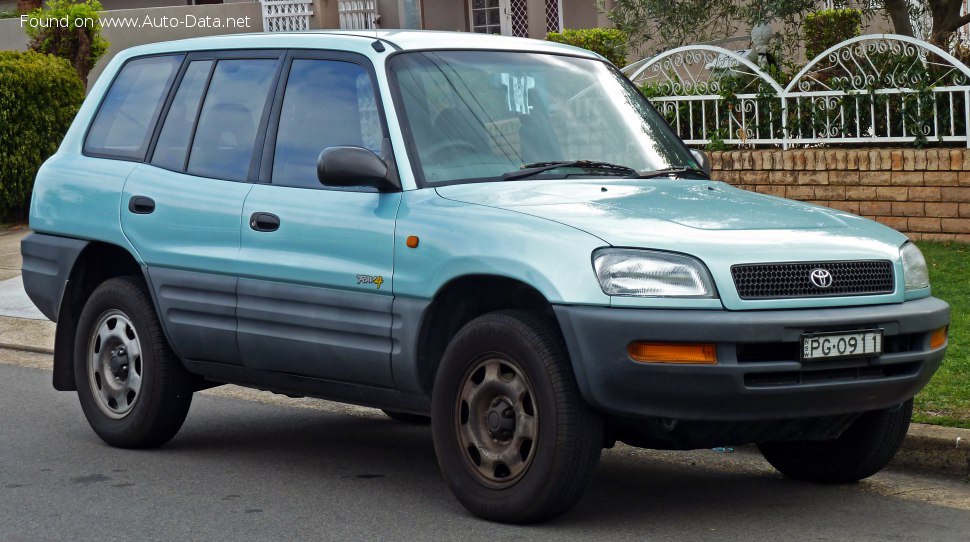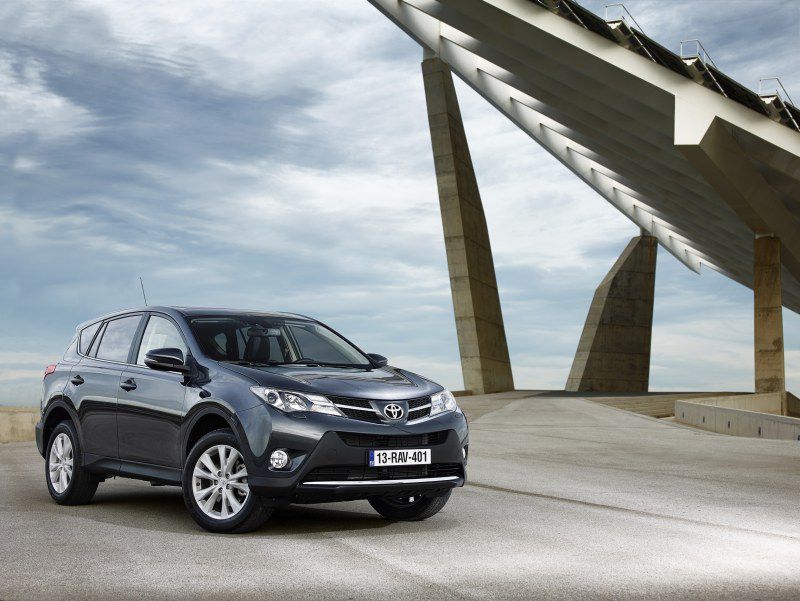
The Toyota RAV4 IV 2.0 D-4D (124 Hp) 4WD represents the fourth generation of Toyota’s Recreational Activity Vehicle, introduced in 2012 and produced until 2015. This particular variant was a key component of the RAV4 lineup in international markets, notably across Europe and parts of Asia. While the RAV4 name is globally recognized, this diesel-powered, all-wheel-drive model wasn’t typically sold in the United States, where gasoline engines dominated the compact crossover SUV segment. Instead, it was designed to meet the needs of markets prioritizing fuel efficiency, reduced emissions, and substantial torque for diverse driving conditions, ranging from city commutes to light off-road use. As a five-door, five-seat SUV, it continued the RAV4’s tradition of blending car-like handling with the practicality and versatility expected of a utility vehicle.
Engine & Performance: The 2.0 D-4D Powertrain
The Toyota RAV4 IV 2.0 D-4D (124 Hp) 4WD is powered by Toyota’s 2.0-liter (1998 cm³ or 121.93 cu. in.) 1AD-FTV inline-four diesel engine. This engine exemplifies Toyota’s dedication to efficient and reliable diesel technology, particularly important in regions where diesel fuel was common and economically favorable. The engine features a Double Overhead Camshaft (DOHC) valvetrain with 4 valves per cylinder, optimizing airflow and combustion. Fuel delivery is managed by a sophisticated common rail direct injection system, known for its precision and efficiency. A turbocharger and intercooler further enhance performance and fuel economy, boosting power output and improving throttle response throughout the engine’s operating range.
The 2.0 D-4D engine generates 124 horsepower (Hp) at 3600 revolutions per minute (rpm), providing adequate performance for everyday driving and highway travel. More significantly, it produces 228.64 lb.-ft. (310 Nm) of torque, readily available between 1600 and 2400 rpm. This broad torque band is advantageous for towing, climbing hills, and delivering strong acceleration from low speeds, qualities highly valued in an SUV.
Power is transferred to all four wheels through a precise 6-speed manual transmission, giving drivers engaging control over the vehicle’s output. The all-wheel-drive (4WD) system enhances traction and stability, whether on slippery surfaces or unpaved roads. The Toyota RAV4 IV 2.0 D-4D (124 Hp) 4WD accelerates from 0 to 60 mph in approximately 10.5 seconds and reaches a top speed of 111.85 mph (180 km/h).
Fuel efficiency is a major benefit of this diesel variant. The combined fuel economy is an impressive 45.2 US miles per gallon (mpg), or 5.2 liters per 100 kilometers. It achieves 37.9 US mpg in urban driving and up to 51.1 US mpg on the highway. These figures, combined with CO2 emissions of 136 grams per kilometer, allow the vehicle to meet stringent Euro 5 emission standards, demonstrating its environmental responsibility. The inclusion of a particulate filter further reduces harmful emissions.
Design & Features: Form Meets Function
The fourth-generation RAV4 introduced a significant design change from previous models, adopting a more assertive and angular aesthetic. Measuring 179.92 inches in length, 72.64 inches in width, and 65.35 inches in height, it presents a bolder stance while maintaining a compact size suitable for urban environments. The 104.72-inch wheelbase contributes to a stable ride and a spacious cabin.
As a modern compact SUV, the Toyota RAV4 IV 2.0 D-4D (124 Hp) 4WD prioritizes practicality and comfort. The five-door body style provides easy access to both front and rear seating, comfortably accommodating five passengers. The interior is thoughtfully designed, offering a minimum trunk space of 19.32 cubic feet (547 liters), expandable by folding down the rear seats, making it versatile for cargo.
The vehicle’s comfortable ride and capable handling are supported by an independent McPherson strut front suspension and a double wishbone rear suspension, balancing compliance with stability. Braking is handled by ventilated discs at the front and solid discs at the rear, enhanced by an Anti-lock Braking System (ABS) for improved safety. The 7.36 inches of ground clearance (187 mm) allows it to handle uneven terrain or snowy roads without compromising on-road manners. The rack and pinion steering system provides responsive and predictable control. Standard tire size is 225/65 R17, mounted on 6.5J x 17-inch wheel rims, offering a balance of grip and ride comfort.
Additional practical features include a 15.85 US gallon (60-liter) fuel tank, providing a considerable driving range given its fuel efficiency. The maximum permissible weight is 4828.12 lbs (2190 kg), indicating robust construction. It’s rated for a permitted trailer load of 3527.4 lbs (1600 kg) with brakes and 1653.47 lbs (750 kg) without brakes, further enhancing its utility. The drag coefficient (Cd) of 0.314 contributes to both fuel economy and reduced wind noise.
Technical Specifications: Toyota RAV4 IV 2.0 D-4D (124 Hp) 4WD
| Category | Specification |
| Brand | Toyota |
| Model | RAV4 |
| Generation | RAV4 IV |
| Type (Engine) | 2.0 D-4D (124 Hp) 4WD |
| Production Start | 2012 |
| Production End | 2015 |
| Powertrain Architecture | Internal Combustion Engine |
| Body Type | SUV |
| Seats | 5 |
| Doors | 5 |
| Fuel Consumption (Urban) | 6.2 l/100 km (37.9 US mpg) |
| Fuel Consumption (Extra Urban) | 4.6 l/100 km (51.1 US mpg) |
| Fuel Consumption (Combined) | 5.2 l/100 km (45.2 US mpg) |
| CO2 Emissions | 136 g/km |
| Fuel Type | Diesel |
| Acceleration 0 – 60 mph | 10.5 seconds |
| Maximum Speed | 111.85 mph (180 km/h) |
| Emission Standard | Euro 5 |
| Power | 124 Hp @ 3600 rpm |
| Power per liter | 62.1 Hp/l |
| Torque | 228.64 lb.-ft. (310 Nm) @ 1600-2400 rpm |
| Engine Layout | Front, Transverse |
| Engine Model/Code | 1AD-FTV |
| Engine Displacement | 2.0 liters (1998 cm³ / 121.93 cu. in.) |
| Number of Cylinders | 4 |
| Engine Configuration | Inline |
| Cylinder Bore | 3.39 in. (86 mm) |
| Piston Stroke | 3.39 in. (86 mm) |
| Compression Ratio | 15.8:1 |
| Valves per Cylinder | 4 |
| Fuel Injection System | Diesel Commonrail |
| Engine Aspiration | Turbocharger, Intercooler |
| Valvetrain | DOHC |
| Engine Oil Capacity | 6.23 US qt (5.9 l) |
| Coolant Capacity | 7.71 US qt (7.3 l) |
| Engine Systems | Particulate filter |
| Maximum Weight (Gross Vehicle Weight) | 4828.12 lbs (2190 kg) |
| Trunk (Boot) Space – Minimum | 19.32 cu. ft. (547 l) |
| Fuel Tank Capacity | 15.85 US gal (60 l) |
| Maximum Roof Load | 187.39 lbs (85 kg) |
| Permitted Trailer Load with Brakes (12%) | 3527.4 lbs (1600 kg) |
| Permitted Trailer Load without Brakes | 1653.47 lbs (750 kg) |
| Permitted Towbar Download | 143.3 lbs (65 kg) |
| Length | 179.92 in. (4570 mm) |
| Width | 72.64 in. (1845 mm) |
| Height | 65.35 in. (1660 mm) |
| Wheelbase | 104.72 in. (2660 mm) |
| Front Track | 61.81 in. (1570 mm) |
| Rear Track | 61.81 in. (1570 mm) |
| Ride Height (Ground Clearance) | 7.36 in. (187 mm) |
| Drag Coefficient (Cd) | 0.314 |
| Minimum Turning Circle | 37.4 ft. (11.4 m) |
| Drive Wheel | All-wheel drive (4×4) |
| Number of Gears & Type | 6 gears, manual transmission |
| Front Suspension | Independent type McPherson |
| Rear Suspension | Double wishbone |
| Front Brakes | Ventilated discs |
| Rear Brakes | Disc |
| Assisting Systems | ABS (Anti-lock braking system) |
| Steering Type | Steering rack and pinion |
| Tires Size | 225/65 R17 |
| Wheel Rims Size | 6.5J x 17 |
Legacy and Market Impact in the Compact Crossover Segment
The Toyota RAV4 IV, including the Toyota RAV4 IV 2.0 D-4D (124 Hp) 4WD variant, was instrumental in maintaining Toyota’s strong position in the competitive global compact crossover SUV market. While the gasoline-powered RAV4 was a best-seller in North America, this diesel option was strategically important for Toyota in Europe and other regions where diesel engines were prevalent. It offered a compelling combination of Toyota’s renowned reliability, practical SUV utility, and the superior fuel economy and torque characteristics of a modern diesel engine.
In its primary markets, the RAV4 IV 2.0 D-4D competed with rivals such as the Honda CR-V, Mazda CX-5, Volkswagen Tiguan, Nissan Qashqai, and Ford Kuga. The RAV4 distinguished itself through its established reputation for dependability and strong resale values, appealing to consumers seeking a long-lasting family vehicle. The fourth generation successfully evolved the RAV4’s design, moving towards a more rugged and contemporary look, attracting a broader demographic.
The 2.0 D-4D model specifically appealed to buyers who frequently traveled long distances or needed the low-end torque of a diesel engine. Its all-wheel-drive system, comfortable ride, and practical interior made it an ideal choice for families and individuals needing a versatile vehicle capable of handling various weather conditions and light off-road use. The RAV4 IV solidified Toyota’s position as a leader in the crossover segment, demonstrating the brand’s ability to adapt its products to specific regional demands while maintaining global standards of quality and engineering. Its production run from 2012 to 2015 paved the way for subsequent generations, continuing the RAV4’s evolution as a global automotive icon.